
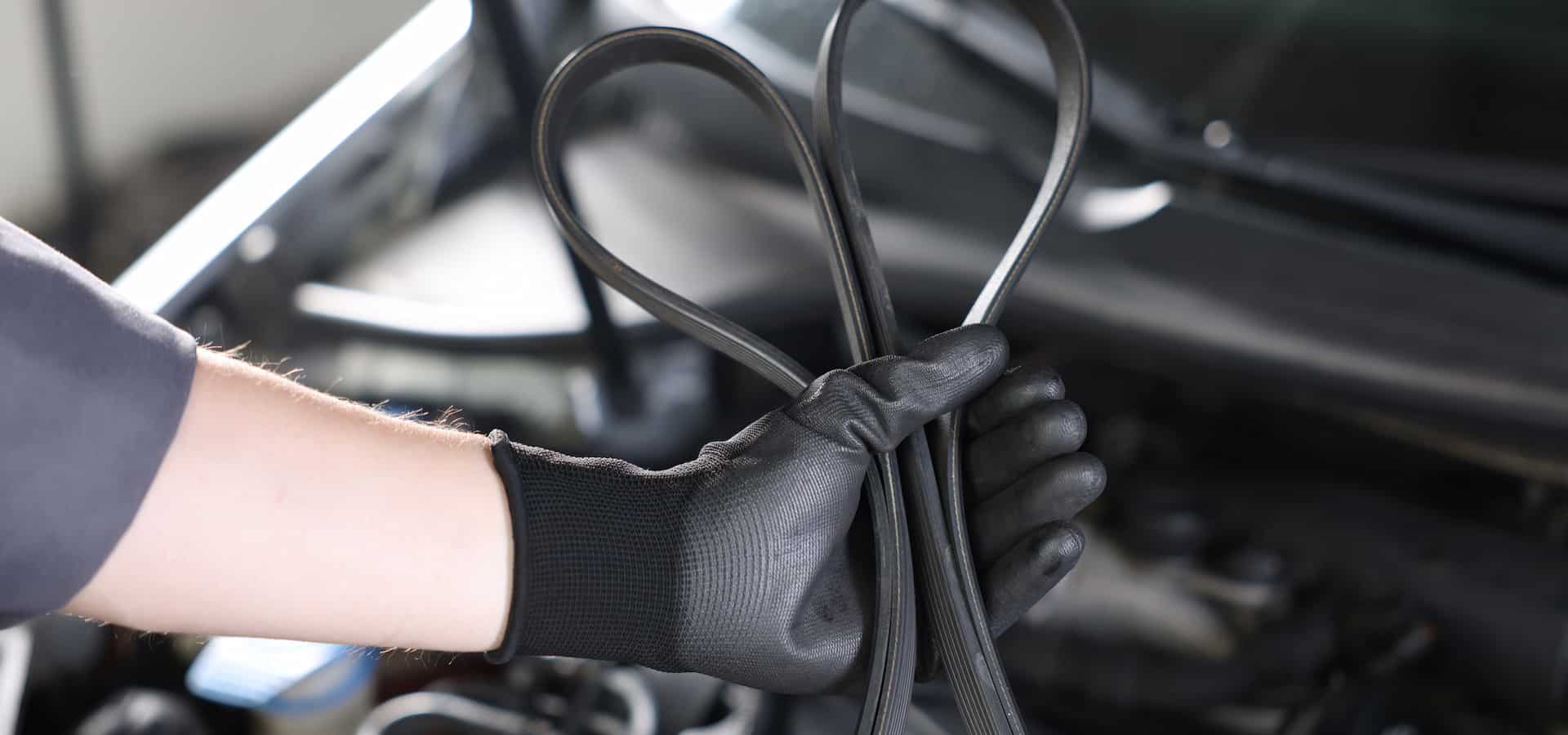
Lexus Cambelt Timing Belt Replacement at Elevation Auto Repair
Older Lexus V6 and V8 engines were built around the timing belt as the heart of the valvetrain, and getting that job right takes more than swapping a rubber belt. Many of these are interference engines – if the belt lets go, valves and pistons meet, and a routine maintenance item becomes a rebuild.
Our approach treats the belt as one part of a full timing service. On the 1MZ-FE and 3MZ-FE V6s (ES 300/330, RX 300/330, early Camry-based platforms) and the 2UZ-FE and 3UZ-FE V8s (GX 470, LX 470, LS 400/430, GS/SC 430), the water pump lives behind the belt, so replacing it while you're in there is the smart move.
Doing this correctly means honoring Lexus torque specs on the crankshaft bolt, correct cam and crank timing mark alignment, and factory-grade OEM or OE-equivalent belt, tensioner, and idler components rather than the cheapest kit on the shelf.
What you can expect from us:
- Belt, tensioner, idler pulleys, and seals inspected and replaced as a complete kit
- Water pump and coolant service addressed while the front cover is open
- Precise cam-to-crank timing verified before reassembly
- Clear communication on what your specific engine needs – no padded add-ons
Symptoms – How to Know You Need This Service
Timing belts often fail with little warning, which is why mileage and age matter as much as noise. Still, there are signals worth acting on.
- You may notice a high-pitched squeal or slapping sound from the front of the engine, often worse on cold starts
- A ticking or rattling noise that changes with engine RPM, pointing to a worn tensioner or idler pulley
- Rough idle or a misfire feel if the belt has jumped a tooth and thrown cam timing off
- Visible coolant seepage or a sweet smell, which can mean the belt-driven water pump is beginning to leak
- Difficulty starting or a longer crank than usual
- An oily, cracked, or glazed belt if you can see it through the cover
If the engine suddenly stops running, cranks but won't fire, or makes a loud metallic clatter, stop driving immediately and have it towed – continuing risks bent valves. Squealing, mild ticking, or an approaching mileage interval means schedule soon rather than panic. On any Lexus past its recommended belt interval, replacement should be booked even without symptoms.
Common Cambelt Timing Belt Replacement Issues on Lexus Vehicles
Lexus built its reputation on longevity, but the older belt-driven V6 and V8 engines still run on rubber that ages on a schedule – and the interference-engine design leaves no margin when it fails. Here are the patterns we see most on Lexus platforms:
- 1MZ-FE V6 belt aging (1990s–2004 ES300, RX300, early Camry-based Lexus): A true interference engine where a snapped belt bends valves. Rubber hardens and cracks with age even on low-mileage garage cars.
- 3MZ-FE V6 (2004–2006 ES330, RX330): Same interference layout as the 1MZ, with tensioner and idler bearings that go noisy before the belt itself lets go.
- 1UZ-FE / 3UZ-FE V8 (LS400, SC430, GS430, early LX): Belt-driven cam timing with water pump often driven off the same belt – a weeping pump behind the covers soaks and degrades the belt early.
- 2UZ-FE V8 (early GX470, LX470, 4Runner-derived): Robust but still belt-driven on early builds; hydraulic tensioner and cam seal leaks are common companions at replacement time.
- Hardened, crazed belt surface: Denver's dry climate and temperature swings accelerate rubber cracking regardless of miles driven.
- Failed tensioner or idler pulleys: Whining or ticking from the timing cover often signals bearing wear that will strip the belt if left alone.
Which Lexus Models We See for Cambelt Timing Belt Replacement
Timing belts apply to the earlier Lexus lineup – most later models moved to timing chains. If your engine code is on this list, this service is for you.
- ES 300 / ES 330 – 1MZ-FE and 3MZ-FE V6, roughly 1992–2006
- RX 300 / RX 330 – 1MZ-FE and 3MZ-FE V6, first- and early second-generation, 1999–2006
- LS 400 / LS 430 – 1UZ-FE and 3UZ-FE V8, 1990–2006
- GS 300 / GS 400 / GS 430 – early generations with 2JZ-GE inline-six and 1UZ/3UZ V8
- SC 300 / SC 400 / SC 430 – 2JZ-GE and UZ-series V8
- GX 470 – 2UZ-FE V8, 2003–2009
- LX 470 – 2UZ-FE V8, 1998–2007
The 2UZ-FE truck V8s in the GX 470 and LX 470 differ from the car V8s in accessory layout and cooling routing, so belt access and reassembly steps aren't identical. Newer models such as the RX 350, IS, and later ES use timing chains and don't need this belt service.
Not sure which engine you have? Bring it in and we'll confirm by VIN before quoting a thing.
Causes & Risks – What Happens if Ignored
Most Lexus timing belt failures trace back to age and heat cycling rather than mileage alone, which is why calendar-based replacement matters even on lightly driven cars. Colorado's dry air, altitude, and hot-cold swings dry out belt rubber and stiffen tensioner grease.
On these interference V6 and V8 engines, a belt that lets go does not simply strand you – it drives valves into pistons. Waiting past the recommended interval turns an affordable, scheduled job into a teardown.
- Ignoring a squealing tensioner for a few thousand miles often ends with a thrown belt and bent intake valves on 1MZ/3MZ V6s.
- Skipping the water pump during belt service leads to a second full teardown when the pump weeps months later.
- Old cam and crank seals left in place leak oil onto the fresh belt, shortening its life dramatically.
- A snapped belt at speed means valve, piston, and sometimes cylinder head damage – a repair many times the cost of the belt job.
- Deferred replacement risks a no-start or sudden stall in traffic, a genuine safety concern.
We flag worn tensioners, seals, and pumps up front so you fix it once and drive with confidence.
Safety Impact – Why Cambelt Timing Belt Replacement Matters
A timing belt failure on a Lexus interference engine doesn't give warning – the engine dies instantly, and everything tied to engine speed dies with it. That includes safety-critical systems drivers rely on to control the vehicle.
- Power steering assist vanishes the moment the engine stops, making the wheel heavy at exactly the wrong time.
- Brake booster vacuum is lost, so the pedal hardens after the first application.
- Stability control, ABS, and traction systems depend on a running engine and will drop offline with a stall.
- Sudden loss of power in a merge or intersection puts you and others at real risk.
Stop driving now if you hear loud ticking or grinding from the front of the engine, or notice a new oil leak near the timing cover. Schedule soon if your service interval has passed by age or mileage, or you feel accessory belt squeal on startup. On a documented interference platform, a known belt interval left unaddressed before an incident can also complicate coverage – another reason to keep service current.
How Lexus Cambelt Timing Belt Replacement Actually Works
The timing belt keeps the crankshaft and camshafts spinning in exact sync so valves open and close at the right moment relative to each piston. On belt-driven Lexus V6s and V8s, precise alignment is everything – a tooth off in either direction hurts running quality or causes valve contact.
Lexus builds these engines to tight tolerances, so the job is more than swapping rubber. It calls for setting crank and cam timing marks exactly, torquing the crank pulley bolt to spec, and replacing wear items grouped behind the covers while access is open.
- Interference design means correct valve timing is not optional – alignment marks must be verified before rotating the engine.
- Water pump, tensioner, idlers, and seals sit behind the same covers and are replaced together to avoid repeat labor.
- Crank pulley torque on these engines is high and sequence-sensitive; proper tooling prevents pulley slip and timing drift.
- Coolant refill and bleed is required when the pump is driven off the belt, done to Lexus fill procedure.
Our technicians follow OEM alignment and torque specs and reset service reminders so your Lexus leaves timed correctly and ready for the miles ahead.
Lexus builds engines that reward patience and proper procedure. Some V8s like the 1UZ-FE, 2UZ-FE, and 3UZ-FE in older LS, GS, GX, and LX models run a rubber timing belt on a strict mileage schedule, while many later inline-sixes and V6s moved to timing chains. Knowing exactly which Lexus platform is in front of us decides everything about how we approach the job – and getting that wrong is where generic shops get owners into trouble.
How We Diagnose Cambelt Timing Belt Replacement Issues on Lexus
Diagnosis starts with confirming whether your Lexus even uses a belt, then reading its condition and the parts that fail alongside it.
- Verify the platform: Confirm engine code – belt-driven 1UZ/2UZ/3UZ V8s in LS400, GS400/430, SC430, GX470, and LX470 versus chain-driven later engines.
- Scan for stored data: Use Techstream, the OEM Lexus diagnostic software, to pull camshaft/crankshaft correlation codes, misfire history, and any variable valve timing (VVT-i) faults that hint at belt slip or tensioner wear.
- Inspect the belt and neighbors: Check for glazing, cracking, missing teeth, and oil contamination from a leaking front crank or cam seal.
- Evaluate the drive system: Assess the hydraulic tensioner, idler pulley bearings, and water pump – on the 2UZ especially, the pump lives behind the belt.
- Road test and listen: Note cold-start rattle, whine from a dry idler, or rough idle from timing that has drifted.
Once we know the belt's age, mileage, and the condition of surrounding parts, we translate that into a clear repair plan and a written quote so you know exactly what is being replaced and why – no surprises later.
Cambelt Timing Belt Replacement on Lexus: Repair vs. Replacement
Because these Lexus V8s are interference-adjacent and labor-intensive up front, the smart choice usually favors replacing wear items together while everything is already apart.
- Genuine repair territory: A belt with plenty of life left but a minor oil seep can sometimes be addressed by resealing the front cover and cleaning contamination – no belt swap needed if mileage is low.
- Partial replacement: Rare on these platforms. If only a single failing idler bearing is caught early with a fresh belt, that component can be swapped alone – but this is the exception.
- Full replacement (usually the right call): On 1UZ/2UZ/3UZ engines, the belt, hydraulic tensioner, idler pulleys, and water pump share the same access and roughly the same lifespan. Replacing them as a kit avoids paying that big labor bill twice when the pump fails a year later.
We lay out the options side by side – what is serviceable, what is borderline, and what makes sense to bundle – then let you decide. The goal is long-term reliability, not padding the ticket.
How to Make Your Lexus Cambelt Timing Belt Replacement Last Longer
A fresh belt job on a Lexus lasts when the surrounding conditions stay clean and the schedule is respected.
- Warm up before load: Let the engine come up to temperature before hard acceleration, especially in cold Denver winters when rubber and seals are stiff.
- Fix leaks early: Oil from front cam or crank seals degrades belt rubber fast – address any front-end seep promptly.
- Watch the coolant: Since the water pump sits behind the belt, keeping the cooling system healthy protects both. Use OEM Toyota Super Long Life Coolant, not a generic universal fill.
- Listen for changes: A new whine, tick, or cold-start rattle deserves attention before it becomes belt-off, valve-into-piston damage.
Safe DIY includes visual belt-area checks through the access points, monitoring coolant level, and noting new noises. Leave belt tensioning, seal replacement, and any timing work to the shop – these engines demand correct alignment marks and proper tensioner setting, and a mistake here is expensive. Following Lexus's published belt interval and keeping software current gives your replacement the best shot at going the full distance.
Lexus models built on the older 1MZ-FE and 3MZ-FE V6 platforms – think ES 300/330, RX 300/330, and early Camry-derived architectures – rely on a rubber timing belt rather than the timing chains found in later 2GR-FE and UR-series engines. On these interference engines, a snapped belt can bend valves and turn a routine service into a teardown. Knowing which Lexus generation uses a belt versus a chain is the first thing a real specialist confirms, and it drives everything we do here.
What to Expect When You Bring Your Lexus In
We keep the process straightforward so you always know where your vehicle stands.
- Appointment and drop-off – Schedule ahead or arrange after-hours key drop. Loaner and shuttle options are available so you stay mobile.
- Initial inspection – We verify your Lexus is belt-driven, check for oil weeping from the front cover, inspect the water pump, tensioner, and idler pulleys, and look for coolant seepage that signals the pump is on borrowed time.
- Written estimate – You get an itemized breakdown before any wrench turns. We recommend replacing the water pump, tensioner, and seals alongside the belt since the front of the engine is already open.
- Repair updates – We call or text with findings and never proceed on extras without your approval.
- Pickup walkthrough – We show you the old belt and worn components, and explain the new interval.
Leave personal items where you like – we note and secure them. Before your Lexus leaves, we torque the crank and cam sprockets to Toyota/Lexus specs, confirm cam timing marks, road test, and re-scan for codes. If anything feels off afterward, bring it back and we'll re-verify at no runaround.
Why Choose Elevation Auto Repair for Lexus Cambelt Timing Belt Replacement
Cambelt work on a Lexus V6 is unforgiving of shortcuts. Get the cam timing off by a tooth and you'll chase rough idle, misfire codes, or a no-start. We set marks precisely and confirm with the correct alignment references for the 1MZ/3MZ layout.
- Platform-specific knowledge – We track Lexus TSBs and software updates that affect idle relearn and drive-cycle behavior after the timing cover comes off.
- Complete kit replacement – Belt, tensioner, idlers, water pump, and front seals go in together, so you're not back inside the engine six months later for a leaking pump.
- OEM procedures and torque values – Crank pulley and cam sprocket bolts get set to factory spec, not guesswork.
We own the job start to finish – diagnosis, replacement, and post-repair verification with a scan-tool re-check. That's the difference between a shop that just swaps a belt and one that keeps your Lexus reliable for the long haul.
Our Lexus Services
- Air Conditioning AC Repair
- Battery Repair Replacement
- Brake Repair & Brake Fluid Change
- Check Engine Light Diagnostics
- Clutch Repair & Replacement
- Coolant Leak Repair
- Cooling System Repair
- Drive Shaft Repair
- Engine Repair
- Exhaust & Catalytic Converter Repair
- Head Gasket Repair & Replacement
- Oil Change
- Oil Leak Repair
- Scheduled Service Maintenance
- Steering Repair
- Suspension Repair
- Transmission Repair
- Tune Up
- Wheel Alignment