
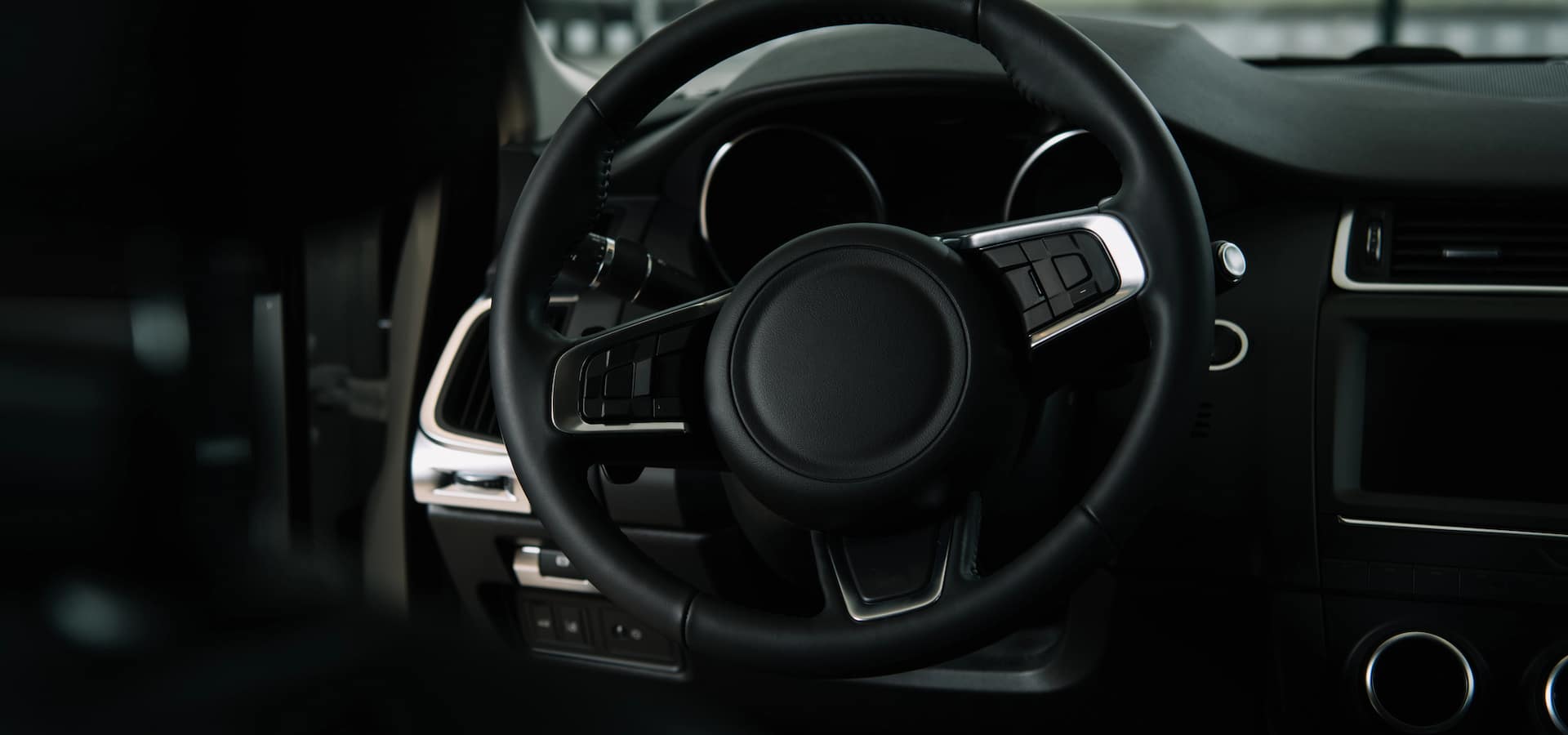
Lexus Steering Repair at Elevation Auto Repair
When your Lexus steering feels loose, notchy, or fights you back on Denver's grooved highways, you want answers fast – not a shop that throws parts at the problem. Lexus builds steering systems with tight tolerances and, on newer models, electronic power steering (EPS) that talks to the vehicle's network, so repairing them correctly takes more than a floor jack and a guess.
Modern Lexus platforms rely on rack-mounted or column-mounted electric power steering motors that often require a Techstream scan to read torque sensor data, clear fault codes, and recalibrate the steering angle sensor after any component is disturbed. Skip that step and you'll get a persistent VSC or EPS warning light. Older RX and GS models with hydraulic racks have their own quirks – weeping rack seals, whining pumps, and hardened high-pressure lines that leak onto hot exhaust.
We diagnose the real cause first, then fix it right with OEM-correct torque specs and proper fluid where hydraulic systems are involved. Here's what you can expect:
- A focused diagnosis using factory-level scan tools, not a parts-cannon approach
- Clear explanation of what's actually worn versus what can wait
- Steering angle and torque sensor recalibration after repairs
- Fast turnaround that gets you safely back on the road
Symptoms – How to Know You Need This Service
Steering problems rarely fix themselves, and on a Lexus they tend to worsen gradually until something feels genuinely unsafe. You may notice one or more of these:
- A clunk or knock from the front end when turning or going over bumps – often worn tie rod ends or an intermediate shaft
- Whining or groaning during low-speed turns, common on hydraulic RX and GS models with a failing pump or low fluid
- An EPS, VSC, or power steering warning light on the dash – frequently a torque sensor or steering angle sensor fault
- Vibration or shimmy through the wheel at highway speed
- Steering that suddenly stiffens or loses assist, especially on electric-assist models
- A wheel that no longer centers after a turn, or a crooked steering wheel while driving straight
- Fluid pooling under the front of the car on hydraulic systems
If your steering suddenly loses assist, binds, or feels disconnected, stop driving and have it towed – that's a safety issue. Squeaks, minor whines, or a slightly off-center wheel mean schedule soon before they escalate.
Common Steering Repair Issues on Lexus Vehicles
If your Lexus wanders in its lane, groans during low-speed turns, or feels vague on center, the steering system is usually telling you something specific. These patterns show up again and again on Denver-area Lexus vehicles, and knowing which one you're dealing with speeds up the fix.
- Electric power steering (EPS) rack failure on RX and ES models – Later RX350 and ES350 platforms use a column- or rack-mounted EPS motor. Torque sensor faults and internal motor wear trigger a hardened wheel and a steering warning light, often with a stored C1531/C1554-type code.
- Intermediate steering shaft clunk on GX460/GX470 and 4Runner-based platforms – The U-joints in the intermediate shaft dry out and knock over bumps, a common wear path on body-on-frame Lexus SUVs driven on Colorado's rough roads.
- Hydraulic power steering leaks on older LS, GS, and IS (2GS/3IS era) – High-pressure hose seepage and rack seal weeping are typical after years of heat cycling, leaving fluid on the subframe and a whine at full lock.
- Worn outer tie rod ends and inner rack bushings – Loose steering and uneven tire wear are frequent on higher-mileage IS and ES cars, especially after pothole season.
- Sagging or seized lower control arm and ball joints affecting steering feel – Play here mimics rack problems and shows up on RX and GX platforms.
- VGRS/electronic steering assist faults on LS460 and GS models – Variable gear ratio steering actuators can throw fault codes that require factory-level diagnosis to isolate.
Which Lexus Models We See for Steering Repair
We work on the full Lexus lineup, from hydraulic-era sedans to the latest electric-assist crossovers. The most common cars through our bays include:
- RX 330 / 350 / 450h (2004–present) – early hydraulic racks with weeping seals, later EPS units needing recalibration
- ES 300h / 350 (XV60, XV70) – rack-mounted EPS and worn inner/outer tie rods
- IS 250 / 350 / IS-F (2006–present) – the IS-F variant carries a stiffer performance rack and unique geometry
- GS 300 / 350 / 460 / GS-F – hydraulic pump and high-pressure line leaks common on earlier chassis
- GX 460 / GX 470 and LX 570 – body-on-frame steering boxes, idler arms, and tie rods that wear from Denver road salt and off-road use
- NX 200t / 300 / 450h+ – compact EPS systems requiring scan-tool angle calibration
- LS 430 / 460 / 500 – flagship hydraulic and later variable-gear-ratio steering setups
F-Sport and F variants (IS-F, GS-F, RC-F) use firmer calibration and sometimes variable-ratio racks, so alignment and centering specs differ from base models. We handle these, plus we recalibrate steering angle sensors on any hybrid or advanced-safety-equipped Lexus. If your Lexus is a rare grey-market import or uses parts we can't source promptly, we'll tell you upfront rather than stall your repair.
Causes & Risks – What Happens if Ignored
Most Lexus steering wear traces back to a mix of Denver's freeze-thaw cycles, gritty winter roads, high mileage, and OEM components simply reaching the end of their service life. Heat is hard on hydraulic seals, and cold is hard on rubber bushings and EPS torque sensors.
The trouble is that steering faults rarely stay isolated. A small leak or a little play tends to pull other parts down with it.
- Ignoring a weeping hydraulic rack for months typically drains fluid low enough to burn the power steering pump, turning a seal job into a pump-and-rack replacement.
- A knocking intermediate shaft left unaddressed lets the U-joints wear into the column, adding parts that could have stayed in service.
- Loose tie rod ends accelerate irregular tire wear and knock the alignment out, shortening tire life and stressing the rack.
- An intermittent EPS fault often escalates to full assist loss, where the wheel goes heavy without warning at low speed.
- Worn ball joints and bushings transfer load into wheel bearings and CV components, widening the repair.
Catching these early keeps the job small – our focus is fast diagnosis so you know exactly what's failing before it takes something else with it.
Safety Impact – Why Steering Repair Matters
Steering ties directly into the systems that keep your Lexus stable and predictable. When the rack, sensors, or suspension links degrade, vehicle stability control (VSC), traction control, and ABS lose the accurate steering-angle input they depend on, and warning lights often cluster together.
Watch for these cues and act accordingly:
- Stop driving now: sudden loss of power assist, a wheel that binds or won't return to center, clunking with free play in the wheel, or fluid pouring from the rack.
- Schedule soon: intermittent EPS warning light, mild groaning at low speed, slight wander, or a faint knock over bumps.
A neglected steering angle sensor or failing EPS motor can degrade VSC intervention right when you need it on icy Denver ramps. There's also a liability angle – a known, unaddressed steering defect that contributes to a collision can complicate an insurance claim. We prioritize honest diagnostics so genuine safety issues get flagged and the rest doesn't get oversold.
How Lexus Steering Repair Actually Works
Most modern Lexus vehicles use electric power steering, where an electric motor and torque sensor replace the old hydraulic pump and pressurized rack. The system reads how hard you're turning and how fast the car is moving, then feeds in assist through the column or rack. Older LS, GS, and IS models still run hydraulic setups, and some flagship models add variable gear ratio steering (VGRS) that changes the ratio with speed.
That design mix is why these repairs aren't plug-and-play. Getting it right takes OEM-level tooling and procedure.
- EPS torque sensors and steering angle sensors usually require zero-point calibration with Techstream-level software after service.
- VGRS actuators need proper initialization so the system relearns center and range.
- Rack and intermediate shaft bolts follow specific torque and sequence specs to preserve alignment geometry.
- A precision alignment after any tie rod or rack work protects tire life and restores accurate steering-angle data to VSC and ABS.
Our technicians handle Lexus steering from routine tie rods to EPS and VGRS work under one roof, calibrate what needs calibrating, and get you back on the road quickly and correctly.
How We Diagnose Steering Repair Issues on Lexus
If your Lexus wanders in its lane, groans when you turn the wheel, or the EPS warning light is glowing on the cluster, the fastest path to a fix starts with a focused diagnosis. Here's how we pin down the cause.
- Scan the electric power steering system – We connect Techstream-level diagnostics to read stored and live codes from the EPS module. On models like the ES350, IS250/350, and RX350, this reveals torque sensor faults, motor current draw, and voltage drops that a generic code reader misses.
- Review live data during input – We watch steering angle sensor readings and assist motor behavior while turning the wheel to catch intermittent dropouts common on higher-mileage column-mount EPS units.
- Perform a road test – We feel for on-center vagueness, clunks over bumps, and uneven assist – classic signs of worn outer tie rod ends or an intermediate shaft on GX and older LS platforms.
- Lift and inspect visually – We check for rack seepage, torn boots, loose tie rods, and play in the lower steering coupler.
- Measure and verify – We check alignment angles and steering play against Lexus specs to separate a steering fault from a suspension or alignment issue.
From there you get a plain-language explanation of what's worn, what's still good, and a clear repair plan and quote before any work begins.
Steering Repair on Lexus: Repair vs. Replacement
Not every steering complaint means a costly assembly swap. We match the fix to the actual failure.
- Genuine repair – A single worn outer tie rod end, a torn rack boot letting in grit, or a re-torque of loose linkage. On many IS and ES models, replacing one tie rod and realigning restores tight steering without touching the rack.
- Partial replacement – When the torque sensor or steering angle sensor throws faults but the column motor is healthy, we replace the affected component rather than the full EPS unit. A leaking intermediate shaft coupler on GX470 platforms is another targeted swap.
- Full replacement – Warranted when a rack shows internal wear, multiple linkage points are sloppy, or an EPS motor has failed outright. If cascading wear means repair cost approaches replacement, a remanufactured or OEM unit is the smarter long-term call.
We lay out each option with the trade-offs so you decide with full information – never pushed toward the most expensive route.
How to Make Your Lexus Steering Repair Last Longer
A little attention after the repair keeps your steering tight for the long haul.
- Drive kindly – Avoid holding the wheel at full lock, ease over potholes and curbs, and don't rest weight on the wheel when parked. These habits protect tie rod ends and EPS motors alike.
- Watch the load – Overloading a GX or RX stresses steering and suspension joints faster in Denver's stop-and-go and mountain grades.
- Listen and look – New clunks, groans, or an off-center wheel are early warnings. A quick monthly glance under the front end for torn boots or fresh seepage catches problems early.
- Use the right fluids and parts – Hydraulic-assist LS and older models call for Lexus-spec power steering fluid; substituting the wrong fluid shortens seal life. OEM tie rods and boots simply fit and last better.
- Keep software current – EPS calibration and module updates from Lexus can resolve steering feel issues, so follow the recommended service intervals.
Checking fluid level and spotting a torn boot are fine DIY tasks. Leave alignment, EPS work, and any linkage replacement to us – steering is safety-critical, and we'll get it done quickly and right.
What to Expect When You Bring Your Lexus In
If your steering feels loose, wanders on the highway, or the wheel groans when you turn at low speed, you want answers fast. Here's how a visit moves from symptom to solution.
- Drop-off or scheduled appointment – Tell us what you're feeling: play in the wheel, a clunk over bumps, whine from the pump, or a pull after tire work. Leave the vehicle keyed and let us know if you need a loaner or shuttle.
- Initial inspection – We check the rack and pinion, tie rod ends, intermediate shaft, and power steering lines, then pull codes with factory-level scan tools to read the EPS system on electric-assist models like the RX and ES.
- Written estimate – You get a clear breakdown of what's failing versus what's fine. We don't add work you don't need.
- Communication during the repair – We call or text before we proceed, and again if the teardown reveals anything new.
- Pickup walkthrough – We show you the replaced parts and explain what changed.
Grab personal items from the cabin before drop-off, and ask about after-hours key return if your schedule is tight. Every steering repair closes with a road test and a scan-tool re-check to confirm the EPS torque sensor and calibration are clean. If anything feels off afterward, bring it back and we'll re-verify – no runaround.
Why Choose Elevation Auto Repair for Lexus Steering Repair
Steering work on a Lexus rewards precision, and it punishes guesswork. We diagnose the actual failure before touching a wrench.
- Platform-specific knowledge – We know the electric power steering quirks on later RX 350 and ES 350 models, rack seepage on older GS and LS platforms, and the tie rod and lower control arm wear that throws off alignment on high-mileage cars.
- TSB and software awareness – Some Lexus steering complaints trace back to EPS calibration or a control module update, not a mechanical part. We check for applicable bulletins before replacing hardware.
- End-to-end ownership – The same shop that diagnoses your steering does the repair and the post-repair verification, including a precision alignment to protect tire life and handling.
You get an honest read on what your car needs, correct torque specs on rack and steering fasteners, and a road test that proves the fix. That's the dealership-level result without the dealership runaround – right here in Denver.
Our Lexus Services
- Air Conditioning AC Repair
- Battery Repair Replacement
- Brake Repair & Brake Fluid Change
- Check Engine Light Diagnostics
- Clutch Repair & Replacement
- Coolant Leak Repair
- Cooling System Repair
- Drive Shaft Repair
- Engine Repair
- Exhaust & Catalytic Converter Repair
- Head Gasket Repair & Replacement
- Oil Change
- Oil Leak Repair
- Scheduled Service Maintenance
- Suspension Repair
- Cambelt Timing Belt Replacement
- Transmission Repair
- Tune Up
- Wheel Alignment