
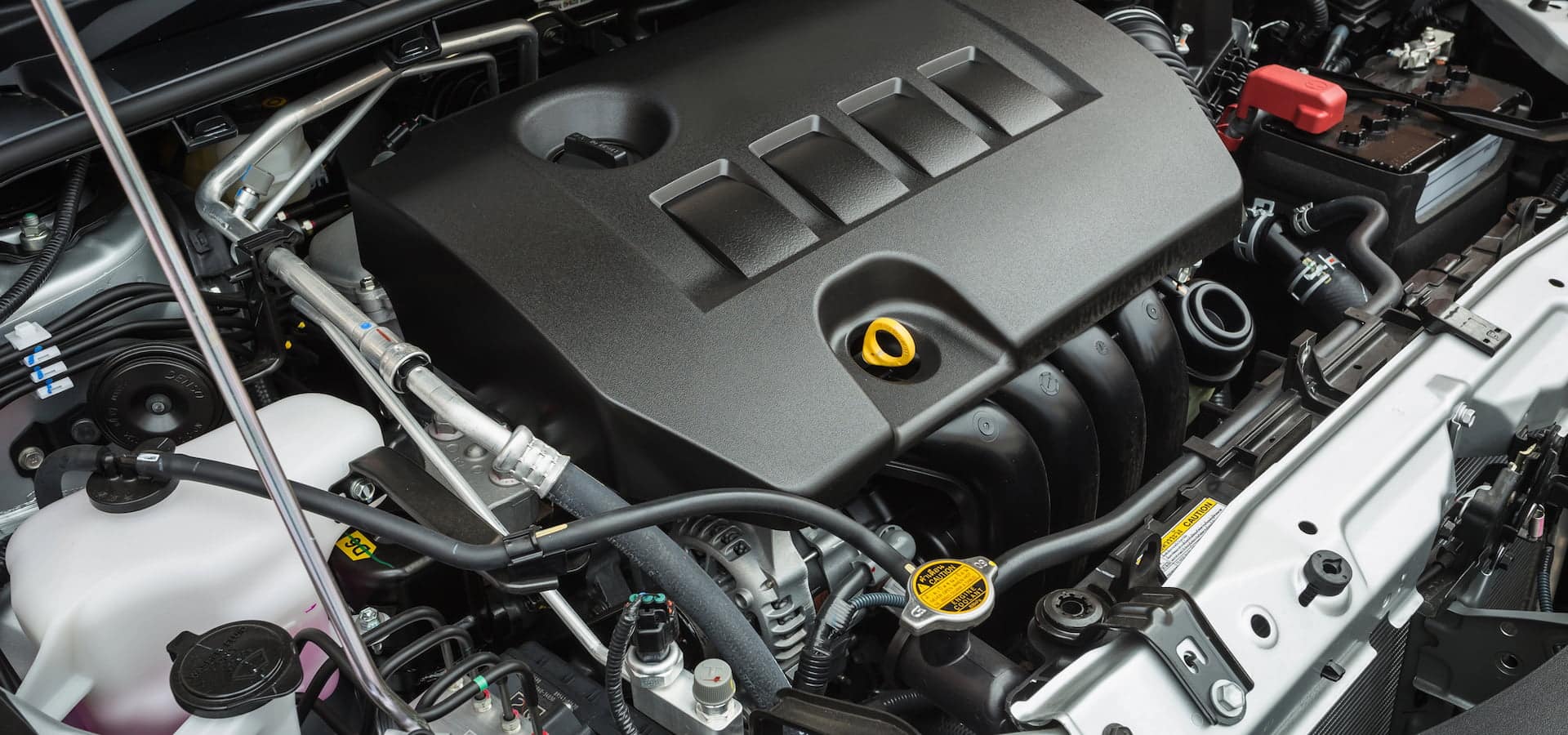
Lexus Tune Up at Elevation Auto Repair
A Lexus rewards precise upkeep, and a proper tune up on these engines is more than swapping plugs and clearing a light. Whether you drive a naturally aspirated 2GR-FE V6 or a twin-turbo V35A in a newer platform, the ignition system, fuel trims, and valvetrain behavior all respond to how carefully the job is done.
The difference shows up in the details. Iridium plugs on Lexus V6 and V8 engines carry specific gap and torque values, and coil-on-plug packs on the 1UR/3UR V8s need correct seating to avoid misfire codes down the road. Direct-injection engines like the 2GR-FKS and V35A also demand attention to carbon and fuel-system health that a generic plug swap ignores. We pull live data with factory-aligned scan tools to read fuel trims and misfire counters before and after, so the work is verified, not guessed.
Here is what you can expect when your Lexus comes in for a tune up:
- OEM-spec iridium plugs gapped and torqued to Lexus values
- Coil and ignition inspection with live misfire and fuel-trim data
- Air filter, PCV, and induction check tied to your engine family
- A clear report of what was done and what to watch next
Symptoms – How to Know You Need This Service
Your Lexus usually tells you it is due before a code sets. You may notice one or several of these:
- Rough or shaky idle, especially cold starts on 2GR and 3UR engines
- Hesitation or stumble under light throttle or when merging
- A flashing check engine light – stop driving and call us, since active misfire can damage the catalytic converters
- Steady check engine light with a P0300-series misfire code – schedule soon
- Reduced fuel economy or a noticeable drop in throttle response
- Hard starting or extended cranking before the engine catches
- A faint fuel smell or hesitation that comes and goes
A steady light and mild roughness means book an appointment in the next few days. A blinking light, heavy shaking, or a stalling engine means it is time to stop and have it looked at before further damage occurs to the coils, plugs, or exhaust components.
Common Tune Up Issues on Lexus Vehicles
Lexus engines run clean and quiet for a long time, which is exactly why owners tend to notice tune up needs late. When they surface, the patterns are usually predictable across the well-known platforms. Here's what we see roll through the shop most often.
- Carbon buildup on direct-injected 2GR-FKS and 8AR-FTS engines – The IS200t, NX200t, RX350, and later GS models with direct injection develop intake-valve deposits because fuel no longer washes the back of the valves. This causes rough idle and misfires long before a "worn plug" would.
- Iridium spark plug wear on 2GR-FE V6 (RX350, ES350, 2007-2015) – These plugs are rated for long intervals, but heat cycling and the rear-bank access make them a job people skip. Worn gaps trigger P0300-series misfire codes.
- Coil-on-plug failure on 1UR/3UR V8 GX and LX platforms – Heat under the intake valley cracks coil boots, producing single-cylinder misfires that mimic a bad plug.
- Dirty throttle body and idle drift on older 2AZ-FE four-cylinders – ES240/HS250h and early RX four-cylinders build lacquer on the throttle plate, causing surging.
- Clogged PCV and dirty MAF on high-mileage V6s – Common on ES and RX models past the six-figure mark, throwing lean codes and hurting fuel economy.
- Aging air and cabin filters on hybrid RX450h/ES300h – Neglected filters strain the intake and reduce efficiency on hybrid drivetrains that rely on precise air metering.
Which Lexus Models We See for Tune Up
We service the full modern Lexus lineup and most gasoline platforms from the last two decades. Look for your engine or generation below:
- ES 350 (XV40/XV60/XV70) – 2GR-FE and 2GR-FKS V6, high-mileage plug service
- RX 350 (AL10/AL20) – 2GR V6, one of the most common tune ups we see
- IS 250 / IS 350 (XE20/XE30) – 4GR-FSE and 2GR direct-injection variants
- GS 350 / GS 460 – 2GR and 1UR V8 ignition work
- LS 460 / LS 500 – 1UR-FSE V8 and newer V35A twin-turbo
- GX 460 / LX 570 – 1UR/3UR V8 truck platforms with coil-on-plug packs
- NX and newer RX turbo variants – 8AR-FTS and V35A, which pair ignition service with carbon and fuel-system attention
Hybrid models like the RX 450h and ES 300h still use conventional plug and ignition components on the gas engine, so tune up service applies. We take a more measured approach on very early Lexus platforms and dedicated performance F variants, and we will tell you honestly if a repair falls outside what we recommend for your specific car.
Causes & Risks – What Happens if Ignored
Most Lexus tune up problems trace back to Denver-specific driving and simple time. High-altitude thin air, dusty summers, cold winter starts, and long service intervals let deposits and worn ignition parts accumulate quietly. Direct-injection designs make carbon a when-not-if situation.
Waiting turns a straightforward service into a chain of related failures. A single weak coil or fouled plug on a 2GR-FE stresses the catalytic converter every time the engine misfires.
- Ignoring a persistent misfire for a few weeks typically dumps raw fuel into the exhaust, overheating and killing the catalytic converter – a far pricier part than a set of plugs.
- Neglected carbon buildup on 8AR-FTS turbo engines restricts airflow, raising the risk of pre-ignition and long-term valve seat damage.
- A clogged air filter combined with a dirty MAF pushes the engine lean, which runs it hotter and accelerates wear on pistons and rings.
- Old plugs that misfire under load can crack the ceramic insulator, occasionally damaging the cylinder they sit in.
- Rough running masks other issues, so a genuine mechanical fault gets buried under ignition noise until it becomes a breakdown.
The safety side shows up as hesitation during merging or passing, and as stalling at stops. We'd rather catch it at the tune up stage and keep the repair small.
Safety Impact – Why Tune Up Matters
A Lexus that isn't firing cleanly does more than run rough – it changes how the whole car behaves in traffic. Modern Lexus models tie engine performance into stability and traction control, so ignition trouble ripples outward.
- Loss of power during merging – A misfiring 2GR or 8AR hesitates when you need throttle response most, making highway entry unpredictable.
- Traction and stability interference – Erratic torque delivery can confuse VSC and traction control calibration, especially on AWD RX and NX models in snow.
- Stalling at idle – A dirty throttle body or failing coil can stall the engine at a stop, briefly reducing power steering and brake boost assist.
- Illuminated warning lights – A flashing check engine light signals an active misfire damaging the catalyst.
Stop driving now: flashing check engine light, sudden loss of power, or repeated stalling. Schedule soon: steady rough idle, dropping fuel economy, or hesitation under load. Addressing a documented ignition or emissions issue before an incident also keeps you clear of liability questions tied to a known, unrepaired defect.
How Lexus Tune Up Actually Works
A tune up on a modern Lexus is less about "points and timing" and more about restoring the conditions the ECU expects. The engine computer constantly adjusts fuel trims, ignition timing, and idle based on sensor data, so worn plugs, dirty air metering, or carbon-fouled valves force it to compensate until it can't. Our job is to bring every input back to spec and let the OEM software confirm it.
What makes Lexus work different from a generic tune up comes down to how tightly the systems are integrated and how specific the procedures are.
- Torque-critical iridium plugs – Under- or over-torquing damages threads in aluminum heads; we follow the exact Lexus spec and gap.
- Rear-bank access on transverse V6s – The RX/ES 2GR requires intake removal to reach the back three plugs correctly, not a shortcut around it.
- Direct-injection carbon service – 8AR-FTS and 2GR-FKS engines benefit from walnut-blasting the intake valves, since no fuel cleans them.
- OEM-aligned diagnostics – We read live fuel trims and misfire counters with factory-grade scan tools to verify the fix,
How We Diagnose Tune Up Issues on Lexus
Rough idle, hesitation, or a check engine light on your Lexus usually traces back to ignition, fuel, or intake wear – and we start by pulling real data rather than guessing.
- Full scan with factory-level tooling: We connect a Techstream-compatible scanner to read stored and pending codes, live fuel trims, misfire counters by cylinder, and knock sensor activity on 2GR-FE, 2AR-FE, and turbocharged models.
- Fuel trim and misfire analysis: High positive long-term trims often point to vacuum leaks, aging coils, or clogged injectors – common on higher-mileage IS, ES, and RX platforms.
- Visual inspection: We check coil boots for arcing, inspect spark plug condition, look for cracked PCV hoses, and examine the intake for carbon on direct-injection engines like the 8AR-FTS 2.0T.
- Measurement: We test coil resistance, verify plug gap against Lexus spec, and check compression when misfires suggest deeper wear.
- Road test: We confirm the complaint under load and after warm-up, watching live data for the exact conditions that trigger the fault.
From there we build a clear repair plan and a written quote – you see what's worn, what's still good, and what each step addresses before any work begins.
Tune Up on Lexus: Repair vs. Replacement
A tune up on a Lexus is often a targeted repair, not a wholesale parts swap – the right call depends on what the diagnosis shows.
- Genuine repair: Cleaning throttle bodies, adjusting or reseating connectors, replacing a single failed ignition coil, or a fresh set of iridium plugs at the Lexus interval. The rest of the ignition system stays put.
- Partial replacement: Swapping one worn coil pack while the others test healthy, or replacing clogged injectors on a single bank. This keeps serviceable components in place and controls cost.
- Full replacement: When wear cascades – all six coils on a high-mileage 3.5L V6 arcing, plugs fused into the head, or carbon buildup on direct-injection intakes severe enough to warrant walnut blasting plus new hardware. When repeated small repairs approach the cost of doing it right once, full replacement wins.
We lay out the options side by side, explain what each addresses, and let you decide – we never default to the most expensive path.
How to Make Your Lexus Tune Up Last Longer
Good habits stretch the life of plugs, coils, and injectors well past the minimum interval.
Driving habits that help
- Let the engine reach operating temperature before heavy throttle, especially in Denver's cold mornings.
- Avoid extended idling, which fouls plugs and accelerates carbon on direct-injection engines.
- Use the correct octane – some turbocharged Lexus models specify premium for a reason.
Owner maintenance you can do safely
- Watch for changes in idle smoothness, cold-start behavior, or fuel economy.
- Check for a check engine light and note whether it flashes – a flashing light means an active misfire and needs prompt attention.
- Monitor fluid levels and replace air filters on schedule.
Brand-specific care that matters
- Use OEM or OEM-equivalent iridium plugs gapped to Lexus spec – cheaper plugs wear faster on these engines.
- Keep ECU software current, since Lexus issues updates that refine ignition and fuel mapping.
- Follow Lexus's published service intervals rather than stretching them.
Filters and visual checks are fine to handle yourself – ignition timing, coil diagnosis, and injector service on turbocharged platforms are best left to us with the right tooling.
What to Expect When You Bring Your Lexus In
A tune up on a Lexus is about restoring the smooth idle and confident throttle response these engines are known for. When you arrive, we get you into the process quickly and keep you informed at every phase.
- Drop-off or appointment – Schedule ahead or drop the vehicle at your convenience. Loaner and shuttle options are available, and we offer after-hours key drop and pickup so your day is not disrupted.
- Initial inspection – We pull codes and freeze-frame data with factory-level scan tools, check ignition coils, iridium spark plugs, and fuel trims. On 2GR-FE V6 platforms like the ES 350 and RX 350, we watch for rough idle tied to coil-on-plug failure and PCV-related lean codes.
- Written estimate – You get a clear, itemized estimate before we touch a wrench. Personal items can stay in the cabin; we secure the vehicle throughout.
- Communication during work – We call or text with findings, and nothing extra gets done without your approval.
- Pickup walkthrough – We explain exactly what was replaced and why, and hand back any old parts you want to see.
Every tune up ends with a road test and a scan-tool re-check to confirm clean fuel trims and no pending codes. If anything feels off after you leave, bring it back and we make it right.
Why Choose Elevation Auto Repair for Lexus Tune Up
We treat Lexus tune ups as a full system service, not a plug swap. That means using OEM-spec iridium or laser-platinum plugs at the correct gap and torque, and following the maintenance intervals Lexus actually publishes for each engine family.
- Platform-aware diagnosis – We know the quirks: variable valve timing (VVT-i) oil-control faults on early 1MZ-FE and 2GR-FE engines, carbon and injector concerns on direct-injected 2GR-FKS motors, and coil breakdown patterns on higher-mileage GS and IS models.
- TSB and software awareness – We cross-reference applicable Lexus technical service bulletins and check for ECM calibration updates that affect drivability and idle quality.
- End-to-end ownership – The same shop diagnoses, performs the work, and verifies the result with post-repair scan data and a road test.
You get one shop for everything from routine tune ups to complex engine work, with honest recommendations and no upselling. We keep your Lexus running the way it was engineered to.
Our Lexus Services
- Air Conditioning AC Repair
- Battery Repair Replacement
- Brake Repair & Brake Fluid Change
- Check Engine Light Diagnostics
- Clutch Repair & Replacement
- Coolant Leak Repair
- Cooling System Repair
- Drive Shaft Repair
- Engine Repair
- Exhaust & Catalytic Converter Repair
- Head Gasket Repair & Replacement
- Oil Change
- Oil Leak Repair
- Scheduled Service Maintenance
- Steering Repair
- Suspension Repair
- Cambelt Timing Belt Replacement
- Transmission Repair
- Wheel Alignment