
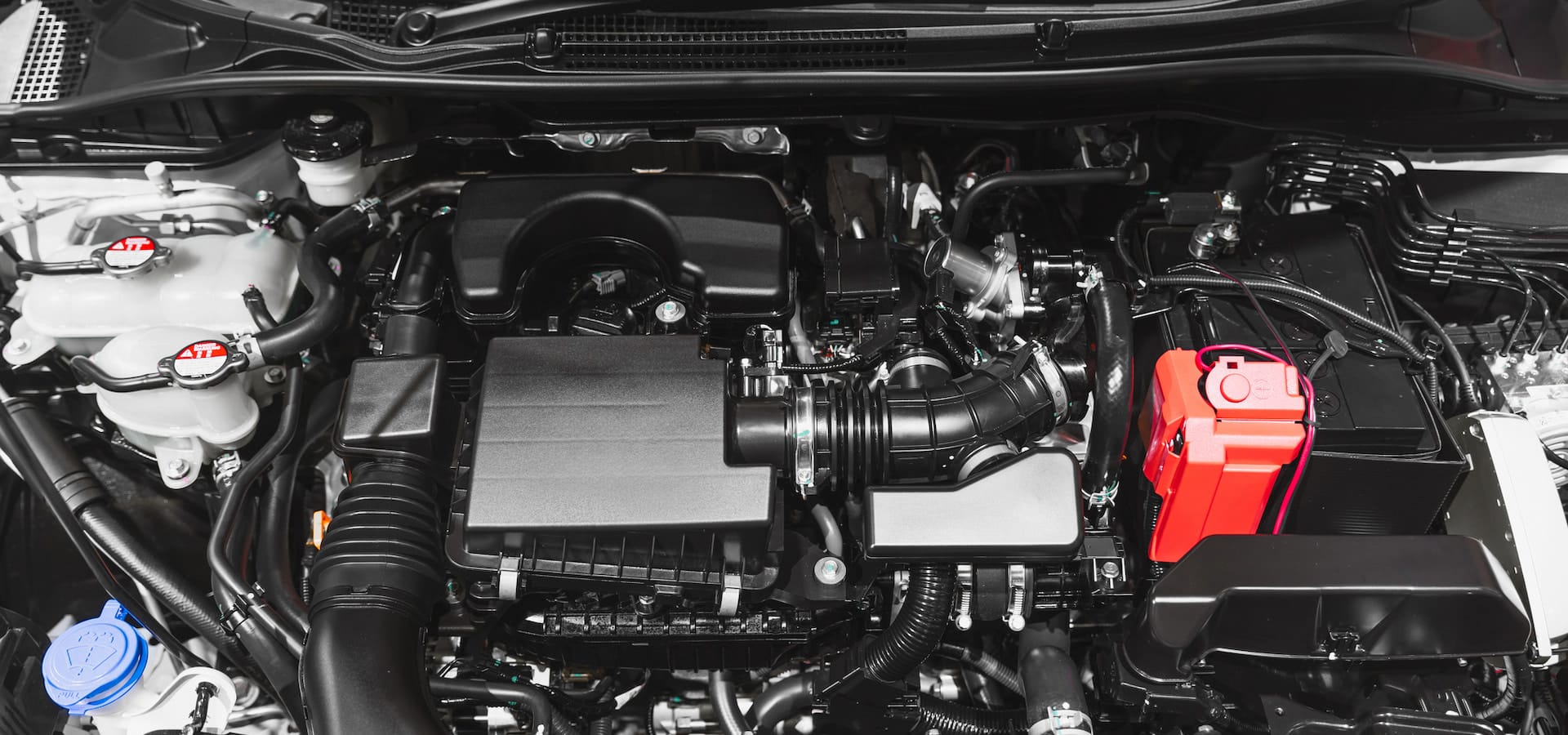
Lexus Engine Repair at Elevation Auto Repair
Lexus builds some of the most durable powertrains on the road – the 2GR-FE V6 and the 1UR/3UR V8 family regularly clear 200,000 miles when they're serviced correctly. That durability comes with a catch: when something does go wrong, the fix demands the same precision Toyota engineered into the factory build. This is where a dealership alternative that actually understands the platform matters more than a general shop guessing its way through.
Engine repair on a Lexus is different because so much of it is tied to software and exact specs. The Techstream diagnostic platform reads live data, VVT-i timing correlation, and misfire counters that a generic scanner simply skips over. Torque-to-yield head bolts, specific 0W-20 fill quantities, and variable valve timing calibration all have to match OEM procedure – guesswork here shortens the life of an otherwise bulletproof engine and can jeopardize your warranty and resale value.
We treat every Lexus engine job as a long-term reliability decision, not a quick patch. Here's what you can expect:
- Factory-level diagnostics using Techstream-compatible tooling before any parts are quoted
- OEM or OEM-equivalent gaskets, seals, and timing components – no bargain substitutes
- Honest findings with no unnecessary repairs added to the estimate
- Clear communication at every step so you know exactly what your engine needs
Symptoms – How to Know You Need This Service
Lexus engines tend to fail gracefully, giving you warning signs before a full breakdown. Pay attention to these and you can often avoid a much larger repair.
- A steady check engine light with rough idle or misfire codes (P0300–P0306) – schedule soon before catalytic converter damage sets in
- Oil spots in the driveway or a burning-oil smell, common with valve cover and timing cover seepage on higher-mileage 2GR and 1UR engines
- A rattle at cold startup that fades after a few seconds, often pointing to VVT-i actuator or oil-control valve wear
- Coolant loss, sweet smell, or white exhaust smoke – stop driving immediately, as this signals head gasket or cooling failure that can warp aluminum heads
- Ticking or tapping that grows louder with RPM, sometimes a lifter or timing chain guide concern
- Noticeable loss of power, hesitation, or the engine going into limp mode
- Overheating gauge climbing into the red – pull over and shut it off to prevent catastrophic damage
- Blue exhaust smoke under acceleration, suggesting oil is entering the combustion chamber
If you catch any of these early, the repair path stays simple and affordable. Bring it in and we'll pinpoint the root cause before it spreads.
Common Engine Repair Issues on Lexus Vehicles
Lexus engines age gracefully, but Denver's altitude, temperature swings, and stop-and-go driving surface predictable patterns. Here are the failure modes we see most often on the bench:
- Oil consumption on 2AZ-FE four-cylinders (2002-2009 ES/RX and Camry-derived platforms) – Worn piston rings and undersized oil control ring lands cause these engines to burn oil between changes, sometimes triggering low-oil-pressure warnings.
- VVT-i oil line failures on early 1UR/3UR V8s (GX 460, LS 460, Tundra-shared blocks) – The original rubber-and-metal VVT-i supply line can rupture, dumping oil quickly. Toyota later revised the part to all-metal.
- Carbon buildup on 2GR-FE and 2GR-FKS direct-injection V6s (2GR-FKS in newer IS/RX/ES) – Direct injection leaves intake valves without fuel washing over them, so carbon accumulates and causes rough idle and misfires.
- Timing cover and cam tower oil leaks on 2GR-FE V6s – The RTV-sealed timing cover weeps over time, especially where the two cylinder banks meet.
- Water pump and coolant crossover leaks on 3.5L V6 platforms – The mechanical pump seal degrades with age, and Denver's dry climate accelerates gasket shrinkage.
- Ignition coil and spark plug wear across V6/V8 lineups – High-mileage coils break down and cause cylinder-specific misfires that log P0300-series codes.
Which Lexus Models We See for Engine Repair
We work on the full modern Lexus lineup, and knowing your platform helps us plan the right approach. Find your car below:
- ES 350 (2007–present, GSV40/AXZH) – 2GR-FE and 2GR-FKS V6; oil-line and timing cover leaks are frequent visitors
- RX 350 (2007–2015, GGL15) – 2GR-FE V6, valve cover gasket and water pump work is common
- IS 250 / IS 350 (2006–2013, GSE20) – the 4GR-FSE direct-injection V6 is prone to intake valve carbon buildup that affects idle and power
- GS 350 / GS 460 (2006–2011, GRS/URS) – V6 and 1UR-FSE V8 platforms
- LS 460 / LS 600h (2007–2017, USF40/UVF45) – 1UR-FSE V8 and hybrid variants requiring extra care around high-voltage systems
- GX 460 (2010–present, URJ150) – 1UR-FE V8, robust but sees timing cover and cooling repairs at higher mileage
- LX 570 (2008–2021, URJ201) – 3UR-FE V8, heavy-duty repairs and cooling work
- IS-F, RC-F, GS-F – the 2UR-GSE 5.0L V8 performance engines get specialized attention to fasteners and fluids
Hybrid models such as the RX 450h and ES 300h we service on the internal-combustion side and cooling systems. For very early Lexus platforms or specialty hybrid battery pack replacement, we'll tell you honestly if a dedicated resource is the better call. When in doubt, give us your model year and we'll confirm before you make the trip.
Lexus built its reputation on the 1UZ-FE V8 and the bulletproof reliability that followed, but even Toyota's luxury division produces engines with distinct wear paths worth knowing. Whether you drive an IS, ES, RX, GX, or LS, understanding what your specific platform tends to develop helps you catch problems early and keep both your factory warranty and resale value intact. At Elevation Auto Repair, we treat Lexus engines with the OEM-level attention they were engineered around.
Causes & Risks – What Happens if Ignored
Most Lexus engine problems trace back to a mix of age-driven gasket shrinkage, deferred maintenance, and design quirks like direct injection or RTV-sealed covers. Denver's elevation and dry air are hard on rubber seals, and short winter trips never let the oil reach full operating temperature.
Small issues rarely stay small. A minor VVT-i line seep on a 1UR V8, ignored for months, can turn into a sudden line rupture that drains oil in minutes and starves the bearings. Oil consumption on a 2AZ-FE that goes unchecked eventually runs the engine low enough to score cylinder walls.
- Ignored oil leaks – Progress from a driveway spot to low oil pressure, then bearing and cam wear.
- Untreated carbon buildup – Mild rough idle becomes persistent misfires, fouled plugs, and catalytic converter damage.
- Deferred coolant leaks – A weeping water pump leads to overheating, warped heads, and blown head gaskets.
- Neglected misfires – A single failing coil overheats the catalytic converter, one of the most expensive parts on the car.
- Low oil driving – Even brief operation on inadequate oil pressure can require a full engine rebuild.
What starts as a straightforward gasket or coil job becomes an internal engine repair when the warning signs get waved off. Catching these early protects both the powertrain and your warranty standing.
Safety Impact – Why Engine Repair Matters
Engine trouble on a Lexus reaches well beyond the powertrain. The engine drives systems your safety depends on every mile.
- Power braking assist – Vacuum or engine-driven boost weakens when the engine runs poorly, lengthening pedal effort and stopping distance.
- Electronic power steering support – Voltage drops from a stressed charging system can trigger reduced steering assist.
- Stability and traction control – Erratic engine behavior and misfires can disable VSC and traction control, illuminating multiple dash warnings.
- Overheating shutdown – A coolant failure can force the engine into limp mode or stall in traffic.
Stop driving now if you see: sudden oil pressure warning, rising temperature gauge, heavy smoke, or a hard misfire with a flashing check engine light. Schedule soon for: minor oil spots, occasional rough idle, or a steady check engine light without performance loss.
Addressing a known issue promptly also matters if an incident ever occurs – documented, timely repair keeps you on the right side of liability and insurance questions.
How Lexus Engine Repair Actually Works
Lexus engines pair proven Toyota architecture with tight tolerances and control software that expects OEM procedures. Modern models like the 2GR-FKS combine port and direct injection, VVT-iW variable timing, and layered electronic controls that all talk to the engine ECU. Getting a repair right means respecting how those systems interact, not just swapping the failed part.
After mechanical work, the engine often needs relearn and calibration steps that generic shops skip. We use factory-level diagnostics to read live data, confirm variable-valve-timing operation, and verify fuel trims before the car leaves.
- VVT-i / VVT-iW timing –
How We Diagnose Engine Repair Issues on Lexus
Lexus engines are built for longevity, but even the 2GR-FE V6 and 2UR-GSE V8 develop specific complaints as miles add up – oil leaks at the timing cover, VVT-i actuator rattle on cold start, and water pump seepage among them. Pinpointing the real fault matters, so we work through a defined sequence.
- Full scan with factory-level tools – We pull codes and live data using Techstream-compatible diagnostics, reading freeze-frame data, fuel trims, VVT-i timing correlation, and misfire counters that generic scanners often miss.
- Symptom interview and history review – When the noise appears, cold versus warm behavior, and any recent service that could point to root cause.
- Visual inspection – Checking for oil weep at the valve cover gaskets and timing cover, coolant crusting near the water pump, and condition of the accessory belt and PCV system.
- Measurement and testing – Compression and leak-down tests to isolate ring, valve, or head gasket wear, plus fuel pressure and oil pressure verification.
- Road test – Confirming the fault under load and after full warm-up, since many Lexus VVT-i and knock complaints only surface at operating temperature.
Once we know exactly what is failing and why, we translate the findings into a written repair plan and quote – so you see the diagnosis, the parts involved, and your options before any work begins.
Engine Repair on Lexus: Repair vs. Replacement
Not every engine concern means tearing down the block. We match the fix to the actual failure.
- True repair – Cleaning, adjustment, or a single small part. Replacing a leaking valve cover gasket, a failed VVT-i oil control valve, or a noisy water pump on a 2GR-FE keeps the rest of the engine intact.
- Partial replacement – Renew the worn component while preserving the sound assembly. A timing chain guide and tensioner refresh, a cylinder head reseal, or an injector set on direct-injected UR/GR engines fits here.
- Full replacement – The right call when wear cascades – spun bearings, coolant-in-oil from a cracked head, or a repair estimate that climbs toward the cost of a good long block or reman engine.
Lexus units often reward repair because the core castings hold up well past 200k miles. We lay out the numbers and expected outcome for each path and let you choose – protecting your warranty coverage and resale value instead of defaulting to the most expensive option.
How to Make Your Lexus Engine Repair Last Longer
A quality repair lasts longest when driving habits and upkeep support it.
- Warm up gently – Let oil pressure build for a moment before hard acceleration, especially in Denver's cold mornings where VVT-i systems need flow to quiet down.
- Avoid sustained heavy load on a cold engine – Steep climbs and towing before full warm-up stress fresh gaskets and bearings.
- Watch fluids and lights – Check oil level and color monthly, note any coolant loss, and take a check engine light seriously rather than clearing it.
- Listen for changes – New ticking, whine, or start-up rattle deserves a look before it grows.
Brand-specific care extends the result: use OEM-grade oil at the correct viscosity for your engine, keep to Lexus's published service intervals, and stay current on any powertrain software updates that refine VVT-i and fuel control. Genuine or equivalent gaskets and cooling parts matter on these platforms.
Owner-friendly tasks – fluid checks, air filter swaps, and visual inspections – are safe to do yourself. Leave timing components, internal engine work, and anything tied to fuel or cooling pressure to the shop, where the correct torque specs and procedures keep the repair reliable.
What to Expect When You Bring Your Lexus In
Lexus engines reward careful work – whether it's the 2GR-FE V6 that developed VVT-i oil line leaks on 2007-2010 ES 350 and RX 350 models, or the 1UR/3UR V8 families that need precise torque sequences on the timing cover. Here's how a visit typically flows:
- Drop-off or appointment – Schedule ahead or arrange after-hours key drop. Tell us the symptoms you're noticing: ticking, oil consumption, rough idle, or a check engine light.
- Initial inspection – We pull codes with factory-level scan tools, check oil condition, and inspect for the platform-specific failure points before guessing at parts.
- Written estimate – You get a clear breakdown of findings, the parts involved, and the repair plan. No work starts without your approval.
- Communication during the job – We update you as we go, and call before any scope change. Loaner or shuttle options help you stay mobile.
- Pickup walkthrough – We show you what was replaced and answer questions. After-hours pickup is available when needed.
Leave personal items in the vehicle if you like – we work around them. Every engine repair ends with a road test and a scan-tool re-check to confirm live data reads clean. If anything feels off afterward, bring it back and we'll re-verify with no runaround.
Why Choose Elevation Auto Repair for Lexus Engine Repair
Lexus engines aren't generic Toyota units with a badge swap – they carry their own service bulletins, tolerances, and update history that shape a correct repair.
- Platform-specific knowledge – Familiarity with 2GR-FE oil line and VVT-i quirks, 1UR/3UR V8 timing and cam tower sealing, and carbon-related driveability on direct-injected D-4S engines.
- TSB and software awareness – We check for applicable Lexus bulletins and ECU calibration updates that resolve idle, misfire, and fuel-trim complaints before tearing into hardware.
- OEM-grade fluids and specs – Correct gasket kits, sealants, and factory torque sequences that protect the repair long-term.
We own the job end to end – diagnosis, repair, and post-repair verification stay under one roof, so nothing gets lost in a handoff. That continuity keeps your warranty documentation clean and helps preserve resale value with records of proper, OEM-aligned engine work.
As your Denver dealership alternative, we give you honest diagnostics without padding the ticket – you only pay for what your Lexus actually needs.
Our Lexus Services
- Air Conditioning AC Repair
- Battery Repair Replacement
- Brake Repair & Brake Fluid Change
- Check Engine Light Diagnostics
- Clutch Repair & Replacement
- Coolant Leak Repair
- Cooling System Repair
- Drive Shaft Repair
- Exhaust & Catalytic Converter Repair
- Head Gasket Repair & Replacement
- Oil Change
- Oil Leak Repair
- Scheduled Service Maintenance
- Steering Repair
- Suspension Repair
- Cambelt Timing Belt Replacement
- Transmission Repair
- Tune Up
- Wheel Alignment