
Lexus Clutch Repair & Replacement at Elevation Auto Repair
Get a Lexus clutch job wrong and the bill compounds fast – a warped flywheel, a chewed input shaft, or a hydraulic system left half-bled can turn a straightforward repair into a repeat visit. Lexus manual gearboxes are precise, and they don't tolerate shortcuts.
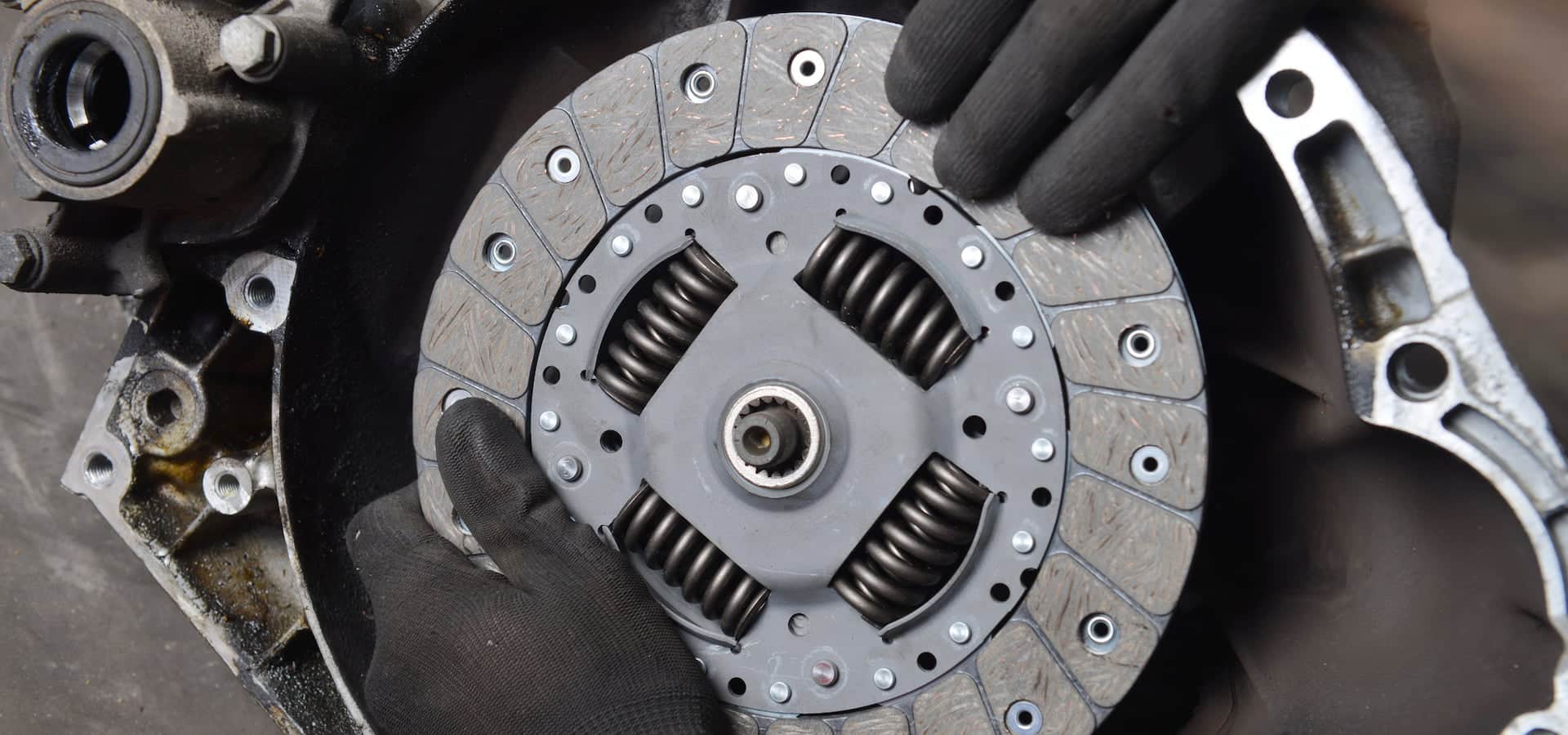
Clutch service on a Lexus means replacing the friction disc, pressure plate, and release bearing as a matched set, then addressing the parts most shops skip. On the enthusiast platforms, that includes inspecting the concentric slave cylinder and the dual-mass flywheel for the telltale rattle and excess rotational play.
What sets a proper Lexus repair apart:
- Correct clutch hydraulic bleed procedure and manufacturer fluid spec, so pedal feel returns to factory engagement
- Torque-to-spec pressure plate and flywheel bolts – Lexus/Toyota values are exact and matter for balance
- Dual-mass flywheel evaluation instead of automatic resurfacing, which a single-mass setup would allow but a DMF will not
- OEM-grade or better friction components chosen for long-term reliability, not the cheapest box on the shelf
We're your Denver dealership alternative – honest diagnostics, no unnecessary parts, and clutch work built to last well past the next set of tires.
Symptoms – How to Know You Need This Service
Clutch wear is gradual until it isn't. Here's what you may notice from the driver's seat:
- Slipping under load – engine RPM climbs but speed doesn't follow, especially uphill on I-70 or merging. Schedule soon.
- High or vague engagement point – the clutch grabs near the top of pedal travel, a sign the friction disc is worn thin.
- Burning smell after stop-and-go driving, often paired with slipping. Address this promptly.
- Shudder or chatter when releasing the pedal from a stop, common as a dual-mass flywheel wears.
- Grinding into gear even with the pedal fully down – points to a failing hydraulic release or worn pressure plate.
- Soft, sinking, or sticking pedal – usually the master or concentric slave cylinder losing pressure.
- Rattle at idle that quiets when the pedal is pressed, often a worn release bearing or DMF.
If the pedal drops to the floor and won't return, or you can't select any gear, stop driving and have the car towed. Continuing to drive on a fully failed clutch risks the flywheel and input shaft.
Common Clutch Repair & Replacement Issues on Lexus Vehicles
Manual-transmission Lexus models are relatively rare, which means clutch problems often show up in cars that have already seen high mileage or spirited driving. Here are the patterns we see most often:
- IS 250/350 (GSE20, 2006-2013 manual): Concentric slave cylinder and release bearing wear that creates a spongy or dropping clutch pedal. Because the slave lives inside the bellhousing, a leak means transmission removal to fix.
- IS 300 (JCE10, 2001-2005): Original dual-mass flywheel fatigue on higher-mileage cars, showing up as rattle at idle and shudder on takeoff. Aftermarket single-mass conversions are common but change drivability.
- SC300/SC400 and Supra-shared 2JZ platforms: Clutches worn from track and modified use – owners often need an upgraded pressure plate rated for added torque rather than a stock replacement.
- Hydraulic master cylinder seep: Firewall-mounted master cylinders that lose fluid internally, giving a pedal that sinks to the floor while braking fluid level looks fine.
- Pilot bearing and flywheel scoring: On any high-mile Lexus manual, a neglected slipping clutch overheats and heat-checks the flywheel surface, forcing resurfacing or replacement.
- Worn shift linkage and pivot bushings: Not the clutch itself, but frequently mistaken for it – vague engagement that mimics clutch wear.
Which Lexus Models We See for Clutch Repair & Replacement
Manual-transmission Lexus vehicles are rare, which is exactly why they deserve a shop that knows the platform. The models we most commonly service:
- IS 300 / IS 350 with 6-speed manual (XE20, roughly 2006–2013) – the enthusiast pick, where clutch and DMF wear show up with spirited driving
- IS F is automatic-only – no clutch work here, but we handle its driveline needs
- RC F and GS F – automatic transmissions, so clutch service doesn't apply; we cover related drivetrain items
- Older SC and GS manuals – uncommon, but we'll evaluate them when they come through the door
- LFA – exotic single-clutch automated manual; outside our standard clutch service scope
Most modern Lexus lineups run automatics or hybrids, so genuine clutch replacement centers on the manual IS. If you drive one of the rare stick-shift Lexus models, bring it in – we'll confirm exactly which components your car needs.
Not sure whether your Lexus uses a clutch at all? We'll verify it during an honest inspection and steer you only toward the repairs that keep you safely on the road for the long haul.
A clutch job on a Lexus is one of those repairs where the wrong parts or a rushed installation costs you twice. Because most manual-equipped Lexus models are lower-volume enthusiast cars – the IS 250/350, the earlier IS 300, and the SC – finding a shop that knows the hydraulic quirks and OEM specs matters. Get it right once, and the driveline stays tight for years.
Causes & Risks – What Happens if Ignored
Most Lexus clutch wear traces back to how the car is driven and how old the hydraulics are. Denver's stop-and-go traffic, hill starts, and dry climate all accelerate friction-material wear and dry out seals over time. Age is the other factor – rubber cups in master and slave cylinders harden regardless of mileage.
Waiting rarely saves money. A slipping clutch that could have been a straightforward disc-and-pressure-plate job turns into flywheel and bearing work once the heat builds.
- Ignoring a slipping clutch for a few thousand miles typically scores the flywheel, adding resurfacing or replacement to the bill.
- A leaking concentric slave on the IS 250/350 that goes unaddressed can leave you stranded when the pedal finally goes to the floor.
- Chatter and shudder left alone accelerate dual-mass flywheel breakup, which can spread debris into the bellhousing.
- A dragging clutch that won't fully disengage grinds synchros, turning a clutch job into transmission work.
- Contaminated hydraulic fluid from a failing seal can damage the replacement cylinder if the system isn't flushed properly.
Driving becomes unsafe once the clutch won't reliably disengage – you lose the ability to stop cleanly in gear or select neutral in an emergency.
Safety Impact – Why Clutch Repair & Replacement Matters
A failing clutch does more than annoy you. On a manual Lexus it directly affects your control of the car in traffic and at intersections.
- Loss of disengagement means you can't shift to neutral or stop without stalling – dangerous in an intersection.
- Hard-to-modulate takeoff from a worn clutch makes hill starts unpredictable, especially on Denver's grades.
- Sudden pedal failure from a blown slave cylinder can leave you unable to shift while moving.
- Flywheel debris from a shattered dual-mass unit can bind the driveline unexpectedly.
Stop driving now if: the pedal drops to the floor and won't return, you can't get into or out of gear, or you smell burning friction material under load.
Schedule soon if: you notice light slip on acceleration, mild shudder on takeoff, or a slightly high engagement point. Addressing a known hydraulic or clutch defect before it fails also keeps you clear of liability if a stall contributes to an incident.
How Lexus Clutch Repair & Replacement Actually Works
A Lexus manual clutch uses a hydraulic system – a firewall master cylinder pushes fluid to a slave cylinder that moves the release bearing against the pressure plate fingers, freeing the disc from the flywheel. On the IS 250/350, that slave is a concentric unit mounted around the input shaft inside the bellhousing, so the transmission has to come out to service it. That single design choice is what separates a proper Lexus clutch job from a generic one.
Doing it right means respecting Toyota/Lexus specs, not just bolting parts in:
- Torque the pressure plate bolts in the correct star sequence to factory spec to avoid warping.
- Bleed the hydraulic system properly – trapped air on the concentric slave gives a permanently soft pedal.
- Use OEM-quality flywheel bolts, which are often torque-to-yield and single-use.
- Check flywheel runout and resurface or replace to spec so the new disc seats evenly.
- Inspect the pilot bearing and rear main seal while the transmission is out – the labor-c
Get a Lexus clutch job wrong and the fallout shows up fast – chatter on takeoff, a pedal that hangs, or a fresh disc smoked in a few thousand miles. On manual Lexus models like the IS 250/IS 350 (GSE20 chassis) and older SC and Altezza-derived platforms, a botched hydraulic bleed or a mismatched dual-mass flywheel undoes the whole repair. We focus on doing it once, correctly, so the driveline stays reliable long after you leave.
How We Diagnose Clutch Repair & Replacement Issues on Lexus
A clutch complaint on a Lexus can come from the disc, the hydraulics, the release bearing, or a failing dual-mass flywheel. We isolate the real cause before recommending anything.
- Interview and history – slip under load, shudder from a stop, or a soft pedal each point to different failures.
- Techstream scan – we pull codes and check for related driveline or hydraulic actuator faults, and confirm no unrelated fault is masking the symptom.
- Road test – we load the clutch in higher gears to confirm slip, and feel for dual-mass flywheel rattle at idle common on higher-mileage IS manuals.
- Hydraulic check – inspect the master and slave cylinders for weeping seals and verify pedal free play against spec.
- Visual and measurement – inspect fluid condition, check for a wet bellhousing, and measure engagement point to gauge remaining disc material.
Once we know whether the fault is hydraulic, friction, or flywheel-related, we build a clear repair plan and an honest quote – no guesswork, no padded line items.
Clutch Repair & Replacement on Lexus: Repair vs. Replacement
Not every clutch complaint means a full teardown. We match the fix to the actual wear.
- Genuine repair – a soft pedal from a leaking slave cylinder, air in the line, or a hydraulic seal often needs only a component swap and a proper bleed, leaving a healthy disc in place.
- Partial replacement – a worn release bearing or throwout that's noisy but a disc with life left can sometimes be addressed without replacing every component, though we weigh labor overlap first.
- Full replacement – slipping friction material, contaminated disc from a rear main leak, or a rattling dual-mass flywheel on an IS manual justifies a complete kit. When the transmission is already out, replacing the disc, pressure plate, and bearing together protects you from repeat labor.
Because the gearbox has to come out to reach most of these parts, we explain where combining work saves you a second teardown – and where it genuinely doesn't. You get the reasoning, then you decide.
How to Make Your Lexus Clutch Repair & Replacement Last Longer
A fresh clutch lasts when you treat it well and stay ahead of small changes.
- Driving habits – avoid riding the pedal at stoplights, don't slip the clutch on hills, and let the engine warm before hard launches in Denver's cold mornings.
- Load awareness – heavy towing or aggressive canyon driving accelerates disc and flywheel wear.
- Owner checks – listen for new bearing whine, watch for a rising engagement point, and keep an eye on the clutch fluid reservoir for drops that signal a hydraulic leak.
Brand-specific care that matters
- Use OEM-spec hydraulic fluid and genuine or OE-equivalent friction components – off-brand discs are a frequent cause of early chatter on Lexus manuals.
- Keep up with Lexus service intervals and let a shop address any software updates that affect driveline behavior.
- Address rear main and transmission seal weeps early, since oil on a new disc ruins it quickly.
Topping off the reservoir and listening for changes are safe to do yourself. Bleeding the system, replacing hydraulics, or anything requiring transmission removal should stay with our technicians – it's safety-critical and easy to get wrong. Bring it in and we'll keep your Lexus reliable for the long haul.
A clutch job done wrong on a Lexus doesn't stay quiet for long. Rushed hydraulic bleeding on an IS or GS manual, a mismatched flywheel resurface, or reusing a worn pilot bearing turns into shudder, premature slip, and a second teardown you shouldn't have to pay for. Lexus manual applications are less common than Camry-based Toyotas, so precision on parts matching and torque specs is what separates a repair that lasts from one that comes back.
What to Expect When You Bring Your Lexus In
The process is built to keep you informed and your Lexus on the road for the long haul.
- Appointment and drop-off – Tell us how the clutch behaves: high engagement point, chatter on takeoff, slip under load, or a pedal that sinks to the floor. Grab your garage remote and personal items; anything left is bagged and stored.
- Initial inspection – We check hydraulic actuation (master and slave cylinder, fluid condition), pedal feel, and pull codes with factory-level scan tools to rule out related driveline faults.
- Written estimate – You get a clear breakdown of what's worn – disc, pressure plate, release bearing, pilot bearing, or a leaking slave – before anything is disassembled.
- During the work – We call with updates and photos if we find a scored flywheel or seeping rear main seal while the transmission is out.
- Pickup walkthrough – We show you the old parts and explain break-in guidance for the new clutch.
Loaner and shuttle options help you stay mobile, and after-hours pickup can be arranged. Every clutch gets a road test to confirm smooth engagement and a scan-tool re-check before you drive off. If the pedal ever feels off, bring it back and we'll re-verify.
Why Choose Elevation Auto Repair for Lexus Clutch Repair & Replacement
We own the full job – diagnosis, teardown, replacement, and post-repair verification – so nothing gets handed off or guessed at.
- Lexus-specific know-how – We check current TSBs and any software updates that affect drivability on IS and GS manual platforms, and we're familiar with the hydraulic quirks that cause soft-pedal complaints.
- Correct parts matching – Disc, pressure plate, and release bearing installed as a set, with flywheel resurfacing or replacement rather than reusing a glazed surface that invites shudder.
- Proper procedure – Sequenced torque on pressure plate and bellhousing bolts, full hydraulic bleed, and pilot bearing replacement while the transmission is out.
As your Denver dealership alternative, we give you honest diagnostics without padding the ticket with parts you don't need. The goal is a clutch that engages cleanly and holds up for the long haul – not a repeat visit.
Our Lexus Services
- Air Conditioning AC Repair
- Battery Repair Replacement
- Brake Repair & Brake Fluid Change
- Check Engine Light Diagnostics
- Coolant Leak Repair
- Cooling System Repair
- Drive Shaft Repair
- Engine Repair
- Exhaust & Catalytic Converter Repair
- Head Gasket Repair & Replacement
- Oil Change
- Oil Leak Repair
- Scheduled Service Maintenance
- Steering Repair
- Suspension Repair
- Cambelt Timing Belt Replacement
- Transmission Repair
- Tune Up
- Wheel Alignment