
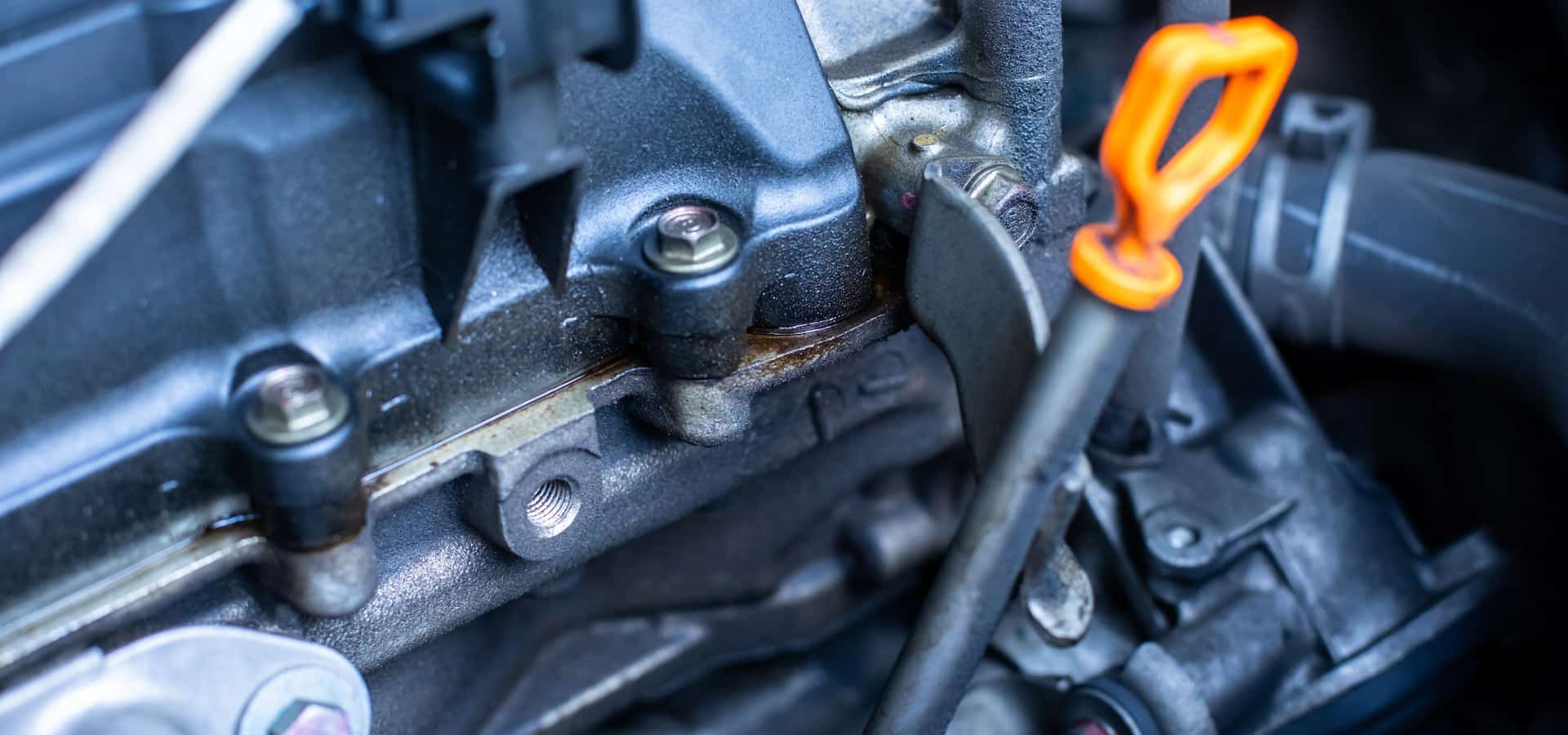
Lexus Oil Leak Repair at Elevation Auto Repair
A spot of oil on your driveway or that faint burning smell after a drive means it's time to track down the source – and Lexus engines have their own patterns worth knowing. We handle oil leak repair the way a dealership should, without the dealership markup, and we pinpoint the exact failure point before touching a wrench.
Lexus oil leaks rarely come from one obvious place. The 2GR-FE and 2GR-FKS V6 platforms are known for weeping valve cover gaskets and, on higher-mileage cars, a seeping oil cooler line at the VVT-i area. Older UZ-series V8s (1UZ/3UZ) commonly leak at the rear main and cam towers, while the 1UR/2UR V8 family can drip from the timing cover. Getting these right means proper RTV application on the timing cover, correct torque sequencing on the valve covers, and Toyota/Lexus-approved fluids so seals seat as designed. A generic gasket swap without following OEM procedure often leaks again within months.
Here's what you can expect when you bring your Lexus to us:
- A dye test and thorough inspection to confirm the true leak source, not a guess
- OEM-grade gaskets and seals matched to your specific engine family
- Correct torque specs and sealant procedures so the repair holds
- Straight talk on what needs fixing now versus what can wait
Symptoms – How to Know You Need This Service
Oil leaks tend to announce themselves in small ways before they become expensive. Watch for these signs on your Lexus:
- You may notice dark, slick spots on the garage floor where you park overnight
- A burning oil smell, especially after highway driving or when idling in traffic
- Light blue or white smoke drifting from under the hood as oil hits hot exhaust components
- The oil level dropping between changes without visible smoke from the tailpipe
- Oil residue or grime building up around the valve covers, timing cover, or oil pan
- A low oil pressure warning light or the engine oil level warning on the dash
- Ticking or tapping at cold start if oil is leaking down enough to affect pressure
Schedule soon if you spot small drips, mild residue, or a slow oil level decline – these are manageable when caught early. Stop driving immediately if the oil pressure light comes on, the engine ticks loudly, or you see a heavy leak, since running a Lexus engine low on oil risks bearing and cam damage that costs far more than a gasket. When in doubt, have it looked at before your next long trip.
Common Oil Leak Repair Issues on Lexus Vehicles
Lexus engines are built to last, but seals and gaskets still harden and shrink with heat cycles and age. Here are the leak patterns we see most often across the lineup.
- Valve cover gasket seepage on 2GR-FE V6 (RX 350, ES 350, GS 350): The banjo bolt and cam tower gaskets weep oil that runs down onto the exhaust, producing a burning smell and light smoke – a well-documented wear path on high-mileage 2007-2015 models.
- Timing cover and VVT-i oil line leaks on 1UZ/3UZ V8 (LS 400, SC 430, GS 430): The rubber VVT-i feed line was a factory weak point on early 2001-2007 V8s and can leak or fail outright.
- Rear main seal weep on 2UR-GSE V8 (IS-F, GS-F, RC-F): Hard-driven F-series cars see main seal and oil pan gasket seepage as the elastomer ages.
- Cam tower and half-moon seal leaks on 2GR-FKS D-4S engines: Later direct-injection V6s develop upper-end seepage where the timing cover meets the cylinder head.
- Oil pan RTV separation on 5.7L 3UR-FE (LX 570, GX): The formed-in-place sealant lets go over time on truck-based platforms that see off-road flex and heat.
- Oil cooler line and filter housing seepage: On many V6 and V8 platforms, the O-rings at the cooler and cartridge housing dry out and weep.
Which Lexus Models We See for Oil Leak Repair
We service oil leaks across the modern Lexus lineup, sedans, SUVs, and coupes alike. Find your car below:
- ES 350 (2007–present) – 2GR-FE and 2GR-FKS V6; frequent valve cover gasket and VVT-i oil line weeps
- RX 350 / RX 350L (2007–present) – same V6 family; watch for oil cooler and rear valve cover access issues
- IS 250 / IS 350 (2006–present) – 4GR/2GR and 2GR-FKS; timing cover and cam seal leaks on higher miles
- GS 350 / GS 300 (2006–2020) – V6 valve cover and oil pan gasket seepage
- GX 460 / LX 570 (2010–present) – 1UR/3UR V8; timing cover and front crank seal leaks
- LS 460 / LS 500 (2007–present) – 1UR-FSE and V6 turbo; complex packaging that rewards OEM procedure
- Older LS 400 / GS 400 / SC 430 (1UZ/2UZ/3UZ V8) – classic rear main and cam tower leaks
Turbocharged variants like the LC 500 and newer turbo fours can also leak at turbo oil feed and return lines, which we diagnose separately. If you have a very early first-generation Lexus or a rare import variant, call first so we can confirm parts availability before scheduling.
Causes & Risks – What Happens if Ignored
Colorado's dry air, altitude, and wide temperature swings accelerate seal shrinkage, while stop-and-go driving keeps underhood heat high. Add age and factory RTV that hardens over 100,000 miles, and small weeps turn into steady drips.
A valve cover gasket that seeps for a season is a straightforward repair. Left alone through a Denver winter, that same oil soaks the spark plug tube seals and the ignition coils, causing misfires and a check engine light. What gets worse when you wait:
- Oil dripping onto the exhaust manifold creates smoke, odor, and a real fire risk at operating temperature.
- Seeping VVT-i lines on 1UZ/3UZ V8s can rupture, dropping oil pressure fast and threatening bearings.
- Oil-soaked coils and plug tubes on the 2GR turn a gasket job into ignition and cleanup work.
- Chronic low oil level from an unnoticed leak leads to timing chain and cam wear.
- Contaminated serpentine belts and motor mounts degrade early when soaked in oil.
Catching a leak early keeps it a gasket-and-seal repair instead of an engine teardown. We trace the exact source before quoting anything.
Safety Impact – Why Oil Leak Repair Matters
An oil leak is not just a maintenance nuisance – it touches systems that keep you in control of the car.
- Fire risk: Oil pooling on hot exhaust components is the most immediate hazard on any leaking Lexus.
- Engine failure: A ruptured VVT-i line or failed rear main can drop pressure and seize the engine mid-drive.
- Traction and stability: Sudden power loss from a starved engine can unsettle the car in traffic or on a highway merge.
- Visibility for others: Heavy smoke from oil on the manifold reduces awareness around you.
Stop driving now if you see smoke from under the hood, smell burning oil, notice a rapid drop on the dipstick, or get an oil pressure warning. Schedule soon if you find small spots on the driveway, faint seepage on the valve covers, or a slow decline in oil level between changes. Addressing a known leak before it causes an incident also protects you on the liability side.
How Lexus Oil Leak Repair Actually Works
Finding the true source matters more than replacing the first wet gasket you see. Oil travels along seams and drips far from its origin, so we clean the area, run the engine, and often use UV dye to confirm exactly where it starts.
Lexus platforms differ from generic repair in ways that change how the job gets done:
- Formed-in-place RTV sealing: Oil pans and timing covers on many Toyota/Lexus engines use factory-spec sealant applied in a set bead width and torqued in sequence – get it wrong and it leaks again.
- Torque-to-sequence fasteners: Valve covers and cam towers on the 2GR and UR V8s have specific patterns and values that prevent warping and re-seepage.
- VVT-i and oil control: Timing components tie into variable valve timing, so parts must go back with correct alignment and clean oil passages.
- OEM gaskets and seals: We use Lexus-grade parts because aftermarket rubber often shrinks faster at altitude.
Our technicians follow the same diagnostic and torque procedures the dealer uses, without the dealer markup. You get an honest trace of the leak, a clear explanation, and a repair built to stay dry.
How We Diagnose Oil Leak Repair Issues on Lexus
An oil spot on the driveway or the smell of burning oil at a stoplight usually points to a specific failure – and Lexus engines leave predictable fingerprints. We trace the source before touching a wrench.
- Interview and history check – We ask about drip color, location, and whether the low-oil or engine light has flickered. On 2GR-FE V6 platforms (RX 350, ES 350), the oil cooler line and timing cover are frequent culprits.
- Scan and data pull – Using Techstream, the OEM Lexus interface, we read oil pressure sensor data, stored codes, and check for VVT-i solenoid faults that can mimic or accompany leaks.
- Clean and UV dye trace – We degrease the block, add fluorescent dye, and run the engine so the leak reveals its true origin under blacklight – valve cover gaskets, cam towers, or the rear main.
- Visual and pressure inspection – We check the oil pan, VVT-i solenoid seals, and the notorious timing cover seep on high-mileage 1UZ/3UZ and early 2GR engines.
- Road test and re-measure – We confirm leak behavior at operating temperature and under load.
Once we pinpoint the failure, you get a plain-language repair plan and a written quote – no guesswork, no upselling.
Oil Leak Repair on Lexus: Repair vs. Replacement
Not every leak means tearing the engine apart. We match the fix to the failure.
- Genuine repair – A weeping valve cover gasket on a 2GR-FE, a loose oil filter housing, or a seeping VVT-i solenoid o-ring often needs cleaning, re-torquing to Lexus spec, and a single gasket. The surrounding assembly stays.
- Partial replacement – When the oil cooler hose assembly on an RX or a cam tower seal has hardened, we replace that worn component and reuse the healthy timing cover, chain, and hardware.
- Full replacement – Cascading damage – like a failed rear main seal that has soaked the clutch or flexplate area, or a cracked timing cover with warped mating surfaces – calls for a larger job. If repair labor approaches the cost of a proper reseal package, we say so.
We lay out each option with its trade-offs so you decide what fits your Lexus and your budget – the most expensive path is never the default.
How to Make Your Lexus Oil Leak Repair Last Longer
A clean reseal holds up when the engine runs the way Lexus intended. A few habits protect your repair.
- Warm up before hard driving – Cold oil is thick and stresses fresh gaskets. Let a cold engine idle briefly before climbing Denver's grades under full load.
- Watch the oil life and level – Check the dipstick monthly and glance under the car for new spots. Catching a seep early keeps it from becoming a soaked belt or contaminated sensor.
- Listen and smell – A burning-oil odor or a new tick after startup deserves attention before the next long drive.
Brand-specific care makes a real difference on Lexus engines:
- Use the correct Lexus-spec oil viscosity (0W-20 on most modern 2GR/8AR engines) and OEM or equivalent filters – off-spec oil accelerates gasket wear.
- Stick to Lexus service intervals; extended oil life stresses seals and VVT-i components.
- Keep engine software and any related recalls current at scheduled service.
Safe DIY includes fluid checks, visual under-car inspections, and monitoring dash lights. Leave rear main seals, timing covers, and anything requiring precise torque to us – improper resealing on these platforms leads straight back to the leak you just fixed. Bring it in and we'll keep the repair solid for the long haul.
What to Expect When You Bring Your Lexus In
That trail of oil spots in your driveway or the burning smell after a highway drive usually points to a specific gasket or seal – and we chase it to the source instead of guessing. Here's how a visit typically flows:
- Drop-off or appointment: Schedule ahead or drop the keys after hours using our secure box. Clear out personal items, though we treat anything left behind with care.
- Initial inspection: We degrease the suspect area, apply UV dye when needed, and pinpoint whether it's the cam tower plate on a 2GR-FE V6, a leaking timing cover, or the valve cover gaskets common on higher-mileage ES and RX models.
- Written estimate: You get a clear breakdown of the failed component, the labor involved, and any related seals worth addressing while we're already inside.
- Communication during the work: We text or call before adding anything. No surprise line items, no pressure.
- Pickup walkthrough: We show you the old parts, explain what caused the leak, and cover what to watch for.
Need to stay mobile? Ask about shuttle and loaner options when you book. Before we hand back the keys, every repair gets a road test and a scan-tool re-check to confirm nothing else was disturbed. If anything feels off afterward, bring it straight back – we'll re-inspect and make it right.
Why Choose Elevation Auto Repair for Lexus Oil Leak Repair
Lexus oil leaks aren't one-size-fits-all, and the fix depends on knowing the platform. Our technicians work on these engines regularly and recognize the patterns.
- Platform-specific knowledge: Rear main and timing cover seepage on 1UZ/3UZ V8 models, VVT-i oil line failures on early 2GR-FE V6s, and valve cover and cam tower gasket weeping seen across ES 350, RX 350, and IS lineups.
- TSB and software awareness: We check for applicable Lexus service bulletins and updated gasket revisions rather than reinstalling the same part that failed.
- Correct materials and specs: OEM-grade seals, proper FIPG sealant application, and factory torque values on aluminum covers so the repair holds.
We own the whole job – diagnosis, repair, and post-repair verification – so nothing falls through the cracks between a "find it" shop and a "fix it" shop. As your Denver dealership alternative, you get honest diagnostics, one team handling everything under one roof, and repairs built to keep your Lexus dry and reliable for the long haul.
Our Lexus Services
- Air Conditioning AC Repair
- Battery Repair Replacement
- Brake Repair & Brake Fluid Change
- Check Engine Light Diagnostics
- Clutch Repair & Replacement
- Coolant Leak Repair
- Cooling System Repair
- Drive Shaft Repair
- Engine Repair
- Exhaust & Catalytic Converter Repair
- Head Gasket Repair & Replacement
- Oil Change
- Scheduled Service Maintenance
- Steering Repair
- Suspension Repair
- Cambelt Timing Belt Replacement
- Transmission Repair
- Tune Up
- Wheel Alignment