
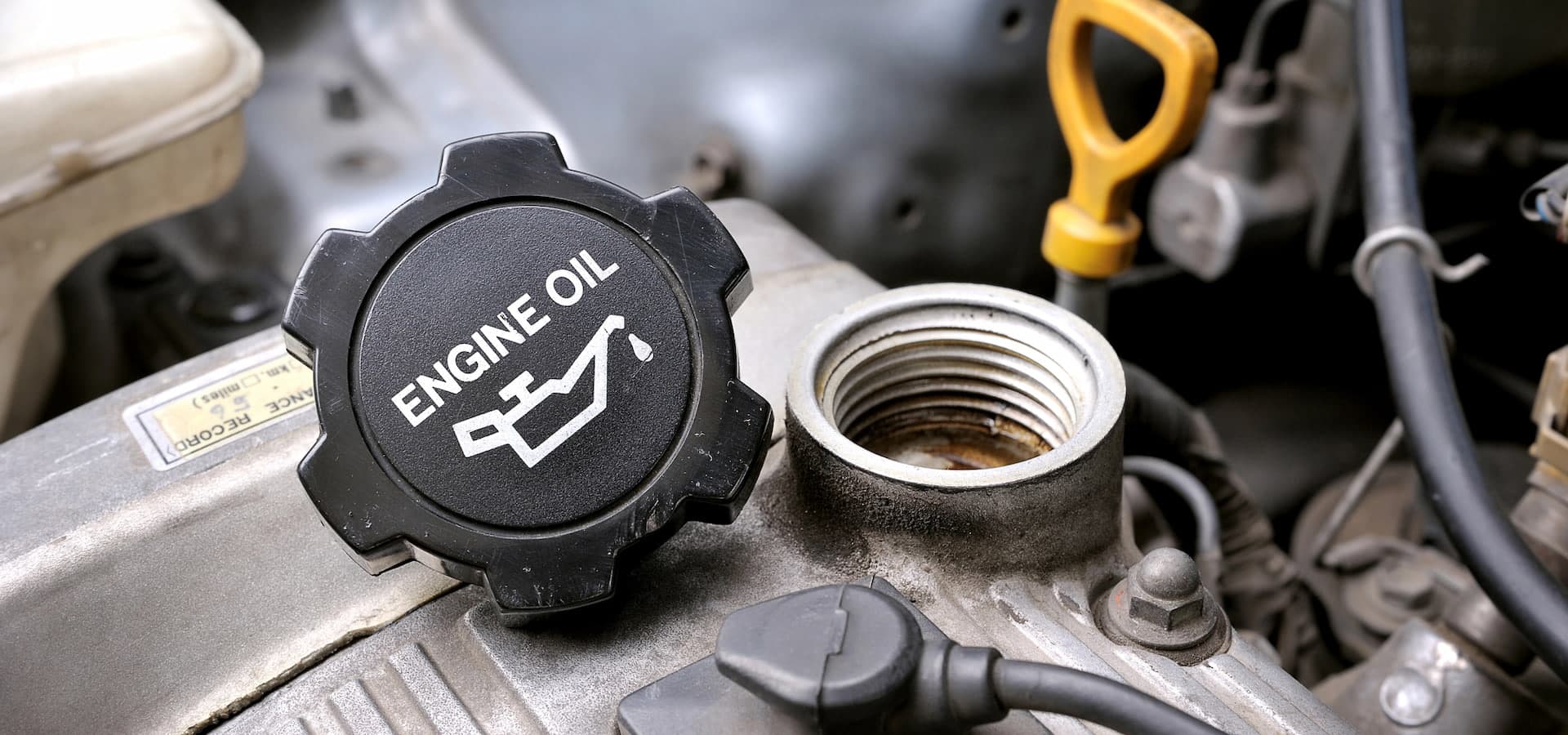
Lexus Oil Change at Elevation Auto Repair
Skip the correct oil weight or reset procedure on a Lexus and you can trigger drivetrain complaints, oil consumption, and premature wear that cost far more than the service itself. Lexus engines run tighter tolerances and specific maintenance logic that a quick-lube counter rarely respects.
An oil change on these vehicles is more than draining and refilling. The 2GR-FE and 2GR-FKS V6 families, the 1UR/3UR V8s, and the 8AR-FTS turbo four each call for a precise fill volume and a specific viscosity – often 0W-20 in modern models to protect variable valve timing hardware and cold-start flow. Getting these details right matters.
- Cartridge filter housings on many models torqued to spec, with fresh O-rings to prevent seepage.
- Correct SAE viscosity and API-rated oil matched to your exact engine, not a generic bulk blend.
- Maintenance reminder reset and a quick scan for pending codes so you leave with a clean dash.
- A courtesy check of the VVT-i solenoids and common oil-leak points during every visit.
We're your Denver dealership alternative – honest diagnostics, fast turnaround, and no upsell on repairs your Lexus doesn't need.
Symptoms – How to Know You Need This Service
Lexus builds a refined driving experience, so anything that breaks that quiet usually points to a maintenance need. Watch for these signs.
- Oil maintenance light or "MAINT REQD" message – schedule soon; the system tracks mileage since your last service.
- Ticking or clatter at cold start – common on higher-mileage 2GR V6 and 8AR-FTS engines when oil is old or low.
- Dropping oil level between changes – some V6 models consume oil as they age; top off and book a visit.
- Dark, gritty oil on the dipstick – a clear sign the oil has broken down and lost protection.
- Burning oil smell in the cabin or under the hood – often a valve cover or filter housing seep worth inspecting.
- Rough idle or hesitation – degraded oil can slow VVT-i response and dull throttle feel.
- Red oil pressure warning light – stop driving immediately and have the vehicle towed; continuing risks engine damage.
A steady oil pressure warning or knocking from the bottom end means pull over now. A reminder message or slightly darker oil means book at your convenience. Either way, we'll get you in fast and back on the road.
Common Oil Change Issues on Lexus Vehicles
Lexus reliability is real, but it depends heavily on oil quality and interval discipline. These are the patterns we see most often across the lineup:
- Oil sludge on 2002-2009 ES 330/RX 300 (1MZ-FE / 3MZ-FE V6): These engines are known for gelling when oil is left in too long or the wrong viscosity is used, choking oil passages and starving the VVT system.
- Oil consumption on 2007-2011 2GR-FE and select 2AZ-FE 4-cylinders: Piston ring and PCV design lets these burn oil between changes, so a "topped off" but degraded sump is common.
- VVT-i oil control valve clogging: Extended intervals leave varnish that jams the cam timing solenoids, triggering rough idle and rattle on cold start – widespread across GS, IS, and RX platforms.
- Turbo coking on 2016+ NX 200t / RX 350t / IS 200t (8AR-FTS): Turbocharged Lexus engines demand full-synthetic 0W-20 and clean oil to protect the turbo bearing – old oil accelerates coking.
- Wrong filter and drain plug gasket reuse: Lexus uses cartridge-style filters on many V6/V8 engines that need the correct O-ring and housing torque to avoid slow leaks.
- Hybrid drivetrain oversight on RX 450h / ES 300h: Owners assume less driving means less service, but time-based oxidation still degrades the oil.
Which Lexus Models We See for Oil Change
We service the full modern Lexus lineup and most older platforms. Find your model below.
- ES 350 / ES 300h (XV60, XV70) – 2GR-FE and 2GR-FKS V6 and hybrid variants, typically 0W-20.
- RX 350 / RX 350h / RX 450h (AL10, AL20, AL30) – the most common Lexus we see, cartridge-filter V6 setups.
- IS 250 / IS 300 / IS 350 (XE20, XE30, XE40) – 4GR/2GR V6 and 8AR-FTS turbo four on later IS 300 models.
- GS 350 / GS 450h (GRL10/15) – V6 and hybrid, spin-on and cartridge filters depending on year.
- NX 200t / NX 300 / NX 350 (AZ10, AZ20) – 8AR-FTS and newer T24A turbo fours with specific fill specs.
- LS 460 / LS 500 (XF40, XF50) – 1UR/3UR V8 and V35A twin-turbo, larger fill volumes.
- GX 460 / LX 570 (J150, J200) – body-on-frame 1UR/3UR V8s built for towing and off-road use.
- F variants (IS F, RC F, GS F) – 2UR-GSE 5.0L V8s; we confirm the correct high-performance oil spec.
Hybrid, turbo, and F-model variants each get the exact viscosity and volume their engine calls for. If you drive a rare early-1990s Lexus or an imported variant, call ahead so we can confirm parts and fluid availability before your appointment.
A missed oil change on a Lexus rarely announces itself with drama – it shows up later as a stretched timing chain, a sludged VVT solenoid, or a rebuild bill that dwarfs what routine service would have cost. Lexus engines are engineered to run a long time on clean oil and to punish neglect quietly. Our job is to catch the early signs fast, get you back on the road quickly, and keep the small stuff from turning into engine work.
Causes & Risks – What Happens if Ignored
Most Lexus oil problems trace back to a handful of causes: stretched service intervals, Denver's altitude and temperature swings, short-trip driving that never fully warms the oil, and using non-spec viscosity. The 1MZ/3MZ sludge issue in particular is a design sensitivity, not just neglect – but neglect is what tips it over.
Waiting compounds the damage in predictable steps:
- Ignoring degraded oil for a few thousand miles past interval lets varnish build in the VVT-i solenoids, causing timing rattle and reduced power.
- Continued sludge accumulation blocks oil pickup screens, starving bearings and cam journals – a top-end failure on 3MZ V6s.
- Low or old oil in an 8AR-FTS turbo engine accelerates turbo bearing wear, turning a routine service into a turbo replacement.
- Chronic oil consumption on 2GR-FE that goes unchecked can drop the level low enough to score cylinder walls.
- A weeping filter housing or drain plug that's ignored can empty the sump over time, risking sudden loss of pressure.
The pattern is consistent – a simple, quick service becomes engine internals once oil starvation begins. We'd rather diagnose it in one visit than see it back on a tow truck.
Safety Impact – Why Oil Change Matters
Oil isn't only about engine longevity – on a modern Lexus it protects systems that keep you in control. Low oil pressure can trigger engine derating or a stall at speed, and a sudden stall disables power-assisted steering and brake boost while cutting into stability control and traction management.
- Stop driving now: oil pressure warning light, knocking or rattling from the engine, burning-oil smell with smoke, or a hard-to-turn wheel after a stumble.
- Schedule soon: oil change reminder overdue, small drips on the driveway, slightly rough cold-start idle, or oil that looks black and gritty on the dipstick.
A hybrid Lexus adds another layer – if the gas engine loses oil pressure and shuts down, the system's power management changes how the car behaves in traffic. From a liability standpoint, an engine failure tied to skipped maintenance can complicate warranty and insurance claims, since it reads as a known, preventable condition. Staying current keeps both you and your coverage protected.
How Lexus Oil Change Actually Works
A Lexus oil service is more than drain-and-fill. Most modern Lexus engines specify low-viscosity full synthetic (commonly 0W-20) to feed tight-tolerance VVT-i and turbo systems, and many V6/V8 engines use a top-mounted cartridge filter with a specific housing torque and a fresh O-ring every time. Getting viscosity, filter type, and reset procedure right is what separates real service from a quick-lube guess.
- OEM-spec oil: we match Toyota/Lexus viscosity and full-synthetic requirements, which matters most on turbo 8AR-FTS and sludge-prone 1MZ/3MZ engines.
- Correct filter and seals: cartridge housings get a new gasket and are torqued to spec to prevent the slow leaks these designs are prone to.
- Drain plug crush washer: replaced rather than reused to avoid weeping threads.
- Maintenance reminder reset: the dash service system is reset through the correct menu or scan sequence so intervals track accurately.
- Level and condition check: on consumption-prone engines we verify level and insp
Get an oil change wrong on a Lexus and the consequences show up fast – sludged VVT-i solenoids, a variable valve timing rattle on cold start, or oil consumption on the 2GR-FE V6 that turns a routine service into a repair bill. These engines demand the right viscosity, the right filter, and a technician who understands how Toyota's engineering behaves under Denver's altitude and temperature swings. That precision is what separates a genuine service from a quick lube gamble.
How We Diagnose Oil Change Issues on Lexus
A Lexus oil service is more than draining and refilling – it's a checkpoint for how the engine is aging. Our process moves quickly without cutting corners.
- Pull the maintenance history and interval data, then connect Techstream to read oil life logic, VVT-i solenoid function, and any pending trouble codes on models like the RX, ES, and GX.
- Scan for cam timing correlation faults – early signs of sludge or a sticking oil control valve, common on high-mileage 1MZ-FE and 2GR-FE engines.
- Perform a visual under-tray inspection for seepage at the timing cover, cam towers, and rear main – areas where Lexus V6 and V8 platforms tend to weep as they age.
- Check current oil condition and level, measuring for consumption on 2007-2011 models known for burning oil through piston ring wear.
- Road test to confirm no cold-start rattle, lifter tick, or hesitation tied to low or degraded oil.
Techstream data reveals what the dipstick can't – solenoid duty cycles, oil temperature behavior, and stored history. We combine that with hands-on inspection so the findings translate into a plain-language plan and an itemized quote before any work continues.
Oil Change on Lexus: Repair vs. Replacement
Most Lexus oil services are exactly that – service. But related components sometimes need attention, and we're clear about the difference.
- Genuine service (no parts): A standard drain, OEM filter, correct-spec synthetic, and reset oil maintenance light. Applies to well-maintained ES, IS, and RX vehicles with clean oil and no leaks.
- Partial replacement: Swapping a leaking oil filter housing gasket, a weeping oil cooler line on the GX/LX, or a sticking VVT-i oil control valve – while the rest of the system stays intact.
- Full component replacement: When sludge has migrated through the oil galleries, the valve cover gaskets are saturated, or timing components show cascading wear. On engines that ran extended intervals on the wrong oil, chasing one part rarely ends the problem.
When a repair cost starts climbing toward replacing a full assembly, we lay both options side by side with the reasoning behind each. You decide – we never default to the most expensive route just because it's on the menu.
How to Make Your Lexus Oil Change Last Longer
Lexus engines reward consistent care. A few habits keep oil doing its job between visits.
- Let the engine warm briefly before hard acceleration – cold oil is slow to protect VVT-i components on winter Denver mornings.
- Avoid stretching intervals in stop-and-go traffic or towing with the GX and LX, which count as severe service in Lexus's schedule.
- Check your dipstick monthly on 2007-2011 models prone to consumption, and top off with the correct grade before levels drop low.
- Listen for new lifter tick or cold-start rattle – often the first hint of oil starvation or a lagging solenoid.
- Watch the maintenance and oil pressure lights, and address them promptly rather than resetting and ignoring.
Stick with OEM-spec 0W-20 synthetic and a genuine Toyota filter – the anti-drainback valve quality matters on these engines. Keep engine software current, since some updates refine oil life and VVT-i logic. Checking levels and looking for drips is safe to do yourself. Leave leak repairs, timing work, and anything involving the oil pump or galleries to our technicians, where a small mistake can mean a big engine bill.
What to Expect When You Bring Your Lexus In
A wrong oil spec on a Lexus is not a cheap mistake. The 2GR-FE V6 in the RX 350 and ES 350 and the 2UR-GSE V8 in IS F and GS F models are particular about viscosity and cleanliness, and skimping on either invites VVT-i solenoid rattle and premature timing chain wear. Here is how a visit runs:
- Drop-off or appointment – Schedule ahead or leave the keys; loaner and shuttle options are available so you are not stranded. Grab valuables from the console and glovebox before you hand it over.
- Initial inspection – We verify the correct oil grade for your engine (0W-20 on most modern 2GR and 8AR-FTS applications), check for seepage at the valve covers and oil cooler lines, and scan for stored codes.
- Written estimate – You get a clear breakdown before any work starts, including filter and drain plug gasket replacement.
- Communication – We text or call with findings, photos, and any recommendations tied to your maintenance interval.
- Pickup walkthrough – We reset the maintenance reminder, explain what we found, and offer after-hours pickup when your schedule runs late.
Every Lexus gets a short road test and a scan-tool re-check to confirm no oil pressure or VVT faults linger. If anything feels off after you leave, bring it back and we make it right.
Why Choose Elevation Auto Repair for Lexus Oil Change
An oil change on a Lexus is only as good as the details behind it. We track Lexus TSBs and service campaigns – including the oil consumption bulletins that affected some 2AZ-FE four-cylinders in Camry-based Lexus platforms – so a "simple" service does not overlook a known pattern.
- Correct spec, every time – Genuine or OEM-equivalent filters and the exact viscosity your engine calls for, with the drain plug torqued to Lexus specification to protect the aluminum pan.
- Platform awareness – We know where these engines leak and rattle, from front cam seals on high-mileage 3.5L V6s to timing cover seepage, and we flag it early.
- End-to-end ownership – Inspection, service, software or reminder resets, and post-service verification all happen under one roof.
You get dealership-level knowledge without the dealership runaround – honest recommendations, no padded add-ons, and fast turnaround that keeps your RX, ES, GX, or IS safely on Denver roads.
Our Lexus Services
- Air Conditioning AC Repair
- Battery Repair Replacement
- Brake Repair & Brake Fluid Change
- Check Engine Light Diagnostics
- Clutch Repair & Replacement
- Coolant Leak Repair
- Cooling System Repair
- Drive Shaft Repair
- Engine Repair
- Exhaust & Catalytic Converter Repair
- Head Gasket Repair & Replacement
- Oil Leak Repair
- Scheduled Service Maintenance
- Steering Repair
- Suspension Repair
- Cambelt Timing Belt Replacement
- Transmission Repair
- Tune Up
- Wheel Alignment