
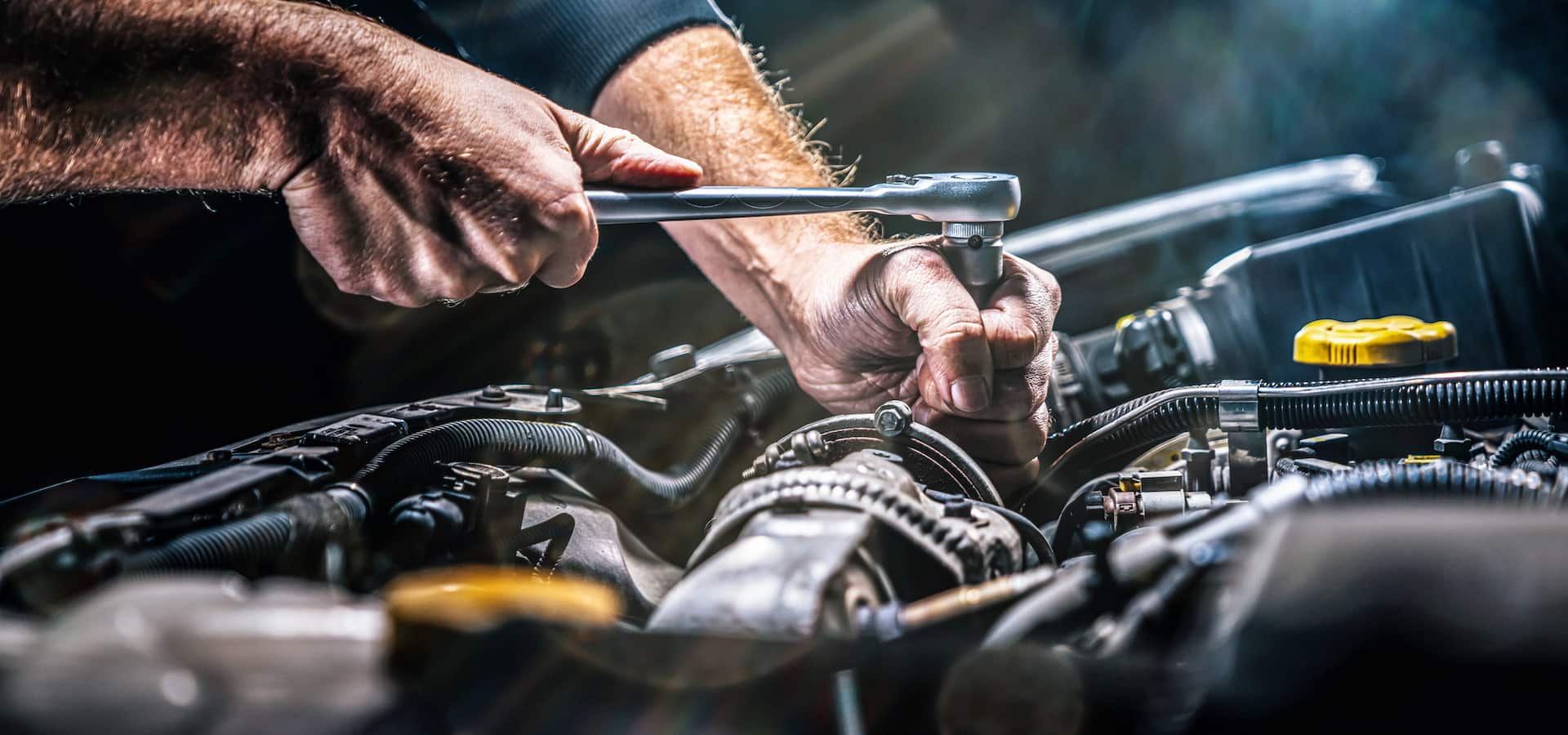
Lexus Head Gasket Repair & Replacement at Elevation Auto Repair
When your Lexus starts running hot, losing coolant, or blowing white smoke, the head gasket is often the culprit – and it's not a job you want a general shop guessing on. A blown or seeping head gasket lets coolant, oil, and combustion pressure mix where they never should, and getting it right means pulling the head, machining or checking flatness, and reassembling to exact factory spec.
Lexus V6 and V8 engines have their own quirks that reward experience. The 2GR-FE V6 in ES, RX, and GS models is prone to a well-documented coolant leak at the rear valley area, and mistaking that for a head gasket without proper diagnosis wastes your money. Aluminum heads on the 3UZ-FE and 1UR/3UR V8 platforms demand torque-to-yield bolts installed in the correct sequence and angle, along with proper Toyota Super Long Life Coolant to avoid electrolysis damage down the road.
Our technicians use factory-level diagnostics to confirm the failure before anything comes apart, so you're paying for the repair you actually need.
- Block leak-down and cooling system pressure testing before teardown
- Head resurfacing inspection and OEM torque-sequence reassembly
- Correct Lexus-spec coolant, sealants, and torque-to-yield hardware
- Clear communication and honest diagnosis at every step
Symptoms – How to Know You Need This Service
Head gasket trouble rarely appears all at once. Here's what you may notice as it develops on a Lexus:
- White, sweet-smelling exhaust smoke – coolant burning in the combustion chamber. Stop driving and schedule service.
- Temperature gauge climbing or overheating under normal driving – pull over and shut down to avoid warping the head.
- Coolant disappearing with no visible leak on the ground – often an internal breach.
- Milky, tan residue on the oil cap or dipstick – coolant mixing into the oil. Stop driving; this destroys bearings quickly.
- Bubbles in the coolant reservoir when running – combustion gases pushing into the cooling system.
- Rough idle or misfire on a specific cylinder, sometimes with a check engine light.
- Loss of power and a persistent sweet coolant smell from the vents.
Overheating and oil contamination call for an immediate stop. A faint coolant smell or slow coolant loss means schedule soon before minor seepage turns into a warped head.
Common Head Gasket Repair & Replacement Issues on Lexus Vehicles
If your Lexus is running hot, leaving white smoke behind you, or losing coolant without an obvious puddle, the head gasket is often at the center of the conversation. Lexus builds durable engines, but certain platforms and driving patterns push gaskets past their limits.
- 1UZ/2UZ/3UZ V8 engines (LS400, GS400, GX470, LX470): Age-related gasket seepage where coolant migrates along the deck surface. High mileage combined with Denver's altitude and temperature swings accelerates the breakdown of the multi-layer steel gasket.
- 2GR-FE 3.5L V6 (ES350, RX350, early 2007-2012): The well-documented VVT-i oil line and rubber hose failure can dump coolant or oil, and the resulting overheating events stress the head gasket surfaces.
- 1MZ-FE 3.0L V6 (ES300, RX300, 1999-2003): These early platforms are prone to head gasket weeping and combustion-gas intrusion into the cooling system, often showing up as overflow-tank bubbling.
- Warped aluminum cylinder heads: A single serious overheat on any Lexus aluminum head can distort the mating surface enough that a fresh gasket alone won't seal.
- Coolant-to-oil cross-contamination: Milky residue on the dipstick or oil cap points to an internal breach that keeps getting worse.
- Chronic small coolant loss: No visible external leak plus a slowly dropping reservoir is a classic early gasket symptom on higher-mileage Lexus V6 and V8 platforms.
Each of these has a distinct fingerprint, and we sort out which one you're dealing with before recommending a repair.
Which Lexus Models We See for Head Gasket Repair & Replacement
Head gasket work spans nearly the whole Lexus lineup. These are the platforms and engines we most commonly service:
- ES 300/330/350 (2GR-FE, 3MZ-FE V6) – common overheating and coolant-loss complaints, especially on higher-mileage units.
- RX 300/330/350/450h (1MZ-FE, 3MZ-FE, 2GR-FE) – aging cooling components and gasket seepage on early-2000s through mid-2010s models.
- GS 350/430/460 (2GR-FSE, 3UZ-FE, 1UR-FSE) – V6 and V8 variants each require model-specific torque procedures.
- IS 250/350 (4GR-FSE, 2GR-FSE) – direct-injection V6s seen for overheating diagnosis.
- LS 430/460 (3UZ-FE, 1UR-FSE V8) – aluminum-head V8s needing precise reassembly.
- GX 460 / LX 570 (1UR-FE, 3UR-FE V8) – truck-based platforms with heavy-duty cooling demands.
- SC 430 (3UZ-FE V8) – older grand tourers occasionally in for head service.
Hybrid RX and ES models add a coolant management layer around the inverter system, so diagnosis differs from the gas-only cars. If you're driving an early 1990s Lexus with a rare engine variant, call first – we'll confirm parts availability before booking so your time isn't wasted.
Causes & Risks – What Happens if Ignored
Head gaskets rarely fail from one thing. On Lexus engines, it's usually a mix of age, heat cycles, and cooling-system neglect that combine over time.
Common causes include overheating from a failing water pump or radiator, low coolant from an unaddressed leak, degraded coolant that turns acidic, and Denver's altitude that makes cooling systems work harder on grades. Once the gasket starts letting go, the damage compounds quickly.
- Combustion gases in the cooling system: Ignoring bubbling in the overflow tank for a few weeks typically pushes coolant out and triggers repeated overheating cycles.
- Warped cylinder head: Driving on a leaking gasket while the engine overheats can distort the aluminum head, turning a gasket job into machining or head replacement.
- Oil and coolant mixing: Milky oil that keeps circulating accelerates bearing and camshaft wear.
- Hydrolock risk: Coolant seeping into a cylinder while parked can cause severe internal damage on startup.
- Catalytic converter contamination: Coolant burning in the combustion chamber fouls sensors and can ruin expensive cats.
The safety line gets crossed when overheating causes sudden power loss or steam in traffic. Catching it early keeps this a contained repair instead of a full engine rebuild.
Safety Impact – Why Head Gasket Repair & Replacement Matters
A failing head gasket does more than damage the engine – it affects how safely your Lexus behaves on the road. Overheating events can force the engine into limp mode, cutting power right when you need it in Denver traffic or on a mountain grade.
When coolant and combustion mix, steam can obscure visibility, and sudden temperature spikes can leave you stalled in a live lane. Electronic systems that depend on stable engine operation – throttle response, stability control, and traction management – can behave unpredictably when the engine is struggling.
- Stop driving now: Steam from under the hood, temperature gauge in the red, sweet coolant smell in the cabin, or power loss.
- Stop driving now: Milky oil combined with rough running or a knocking noise.
- Schedule soon: Slow coolant loss with no visible leak, occasional overflow-tank bubbling, or intermittent white exhaust smoke on startup.
Continuing to drive a Lexus with a known overheating issue also complicates any warranty or insurance conversation if an incident follows. Addressing it promptly protects both you and everyone sharing the road.
How Lexus Head Gasket Repair & Replacement Actually Works
The head gasket seals the joint between the cylinder head and engine block, keeping combustion pressure, coolant passages, and oil galleries separated. On most Lexus engines this is a multi-layer steel gasket designed for precise clamping load, which is why the repair is as much about accuracy as it is about parts.
Replacing it means removing the head, inspecting and often resurfacing it, and reassembling to exact factory specifications. Lexus platforms add specific steps that generic procedures often skip.
- Head flatness verification: Aluminum heads are checked against Lexus tolerance specs and resurfaced if they're out of range.
- Torque-to-yield hardware: Many Lexus head bolts stretch by design and must be replaced, then torqued in the correct sequence and angle stages.
- VVT-i and timing setup: On 2GR and similar engines, variable valve timing components must be reset and re-timed precisely.
- Cooling system correctness: Refilling requires proper bleeding to remove air pockets that
How We Diagnose Head Gasket Repair & Replacement Issues on Lexus
When your Lexus overheats, blows white smoke from the tailpipe, or leaves coolant puddles with no obvious leak, a failing head gasket climbs to the top of the suspect list. Older 1UZ-FE and 3UZ-FE V8s and some early 3.0L 1MZ-FE V6 platforms are known for coolant intrusion when maintenance slips, so we start with facts, not guesses.
- Pull codes and freeze-frame data with a Techstream-compatible scan tool, checking for misfires, coolant temp anomalies, and lean/rich fuel trims tied to a single cylinder bank.
- Run a block test (combustion leak test) on the coolant to detect exhaust gases in the cooling system – a direct indicator of gasket breach.
- Perform a cooling system pressure test to find where pressure drops and whether it correlates with a warm-up cycle.
- Compression and cylinder leak-down testing to isolate which cylinder is losing seal and where the loss travels – adjacent cylinder, coolant jacket, or crankcase.
- Visual inspection for milky oil on the dipstick, coolant discoloration, and external seepage at the head-to-block seam.
- A road test to confirm symptoms under real load and temperature.
Once we know which head, which cylinders, and how far the damage has spread, you get a clear written repair plan and quote before any teardown begins.
Head Gasket Repair & Replacement on Lexus: Repair vs. Replacement
Not every coolant symptom on a Lexus means a full engine teardown. The right call depends on what the diagnosis reveals about the surrounding components.
- Genuine repair territory: Caught early, with a clean head deck, straight surfaces, and no coolant in the oil, the fix can be a fresh OEM multi-layer steel gasket, new head bolts, and a machine-shop resurface check – the block and heads stay in service.
- Partial replacement: If one cylinder head is warped or has a hairline crack while the other is sound, we replace or machine the affected head and reseal the pair, keeping the good components. Common on aluminum-head V6 and V8 Lexus engines that have seen one severe overheat event.
- Full replacement makes sense when: there is cascading damage – scored cylinder walls, spun bearings from coolant-diluted oil, or both heads compromised. When repair costs approach a quality reman long-block, we say so.
We lay out each option side by side with the reasoning, then let you choose – no pressure toward the priciest path.
How to Make Your Lexus Head Gasket Repair & Replacement Last Longer
A properly done head gasket job on a Lexus can outlast the rest of the car when the cooling system is treated with respect afterward.
Driving habits that protect the seal
- Let the engine reach operating temperature before hard acceleration, especially in cold Denver mornings.
- Avoid heavy towing or sustained high-load climbs when temps are already elevated.
- Ease off and pull over the moment the temperature gauge climbs abnormally – heat is what kills gaskets.
Maintenance you can handle yourself
- Check coolant level and color monthly; watch for milky residue under the oil cap.
- Listen for new bubbling in the reservoir or sweet-smelling exhaust.
- Respond to any temperature warning or check engine light promptly.
Brand-specific care that matters
- Use Toyota/Lexus Super Long Life Coolant (pink) – mixing incompatible coolants degrades seals and water pump internals.
- Keep ECU and cooling-fan software updated per current Lexus service bulletins.
- Follow the factory coolant flush interval instead of stretching it.
Fluid checks and visual inspections are safe DIY. Leave cooling system pressure testing, thermostat replacement on tightly packed V-engines, and any head work to the shop – these are safety-critical and easy to get wrong.
What to Expect When You Bring Your Lexus In
Overheating on the highway, coolant vanishing without a puddle, or white smoke at startup usually points one direction on a Lexus. If you're watching the temperature needle climb or smelling sweet coolant, here's how we handle it from the moment you arrive.
- Drop-off and intake – Schedule an appointment or drop the vehicle after hours using our secure key box. Tell us the symptoms you're seeing, and grab your personal items – we'll note anything left inside.
- Initial inspection – We pressure-test the cooling system, run a combustion-gas (block) test on the coolant, and pull codes with factory-level scan tools to confirm whether the gasket, a warped head, or a failing water pump is the real cause.
- Written estimate – You get a clear breakdown of parts and labor before anything comes apart, including machine work if the head needs resurfacing.
- Communication during the job – We check in with updates and call before adding any work. Loaner and shuttle options help you stay mobile.
- Pickup walkthrough – We show you the old gasket, explain what we found, and cover any related items we addressed.
Before we hand back the keys, every Lexus gets a road test and a scan-tool re-check to confirm temps, fuel trims, and coolant behavior are back to normal. If anything feels off afterward, bring it back and we'll make it right.
Why Choose Elevation Auto Repair for Lexus Head Gasket Repair & Replacement
Head gasket work on a Lexus rewards patience and platform knowledge. On V8 platforms like the 1UZ/3UZ-FE and the later 3UR-FE in LS, GX, and LX models, torque sequence and proper head bolt handling determine whether the repair lasts. We follow OEM torque-to-yield specs, sequence, and coolant fill procedures rather than shortcutting with generic methods.
- Brand-specific diagnosis – We cross-check Lexus TSBs and available software updates before condemning parts, so you're not paying for guesswork.
- Root-cause focus – Warped heads, degraded coolant, and tired water pumps often ride along with a failed gasket; we address the cause, not just the symptom.
- End-to-end ownership – The same shop that diagnoses your Lexus does the teardown, the machine work coordination, and the post-repair verification.
You get honest diagnostics with no unnecessary repairs, transparent communication, and quality work built for long-term reliability – all under one roof as your Denver dealership alternative.
Our Lexus Services
- Air Conditioning AC Repair
- Battery Repair Replacement
- Brake Repair & Brake Fluid Change
- Check Engine Light Diagnostics
- Clutch Repair & Replacement
- Coolant Leak Repair
- Cooling System Repair
- Drive Shaft Repair
- Engine Repair
- Exhaust & Catalytic Converter Repair
- Oil Change
- Oil Leak Repair
- Scheduled Service Maintenance
- Steering Repair
- Suspension Repair
- Cambelt Timing Belt Replacement
- Transmission Repair
- Tune Up
- Wheel Alignment