
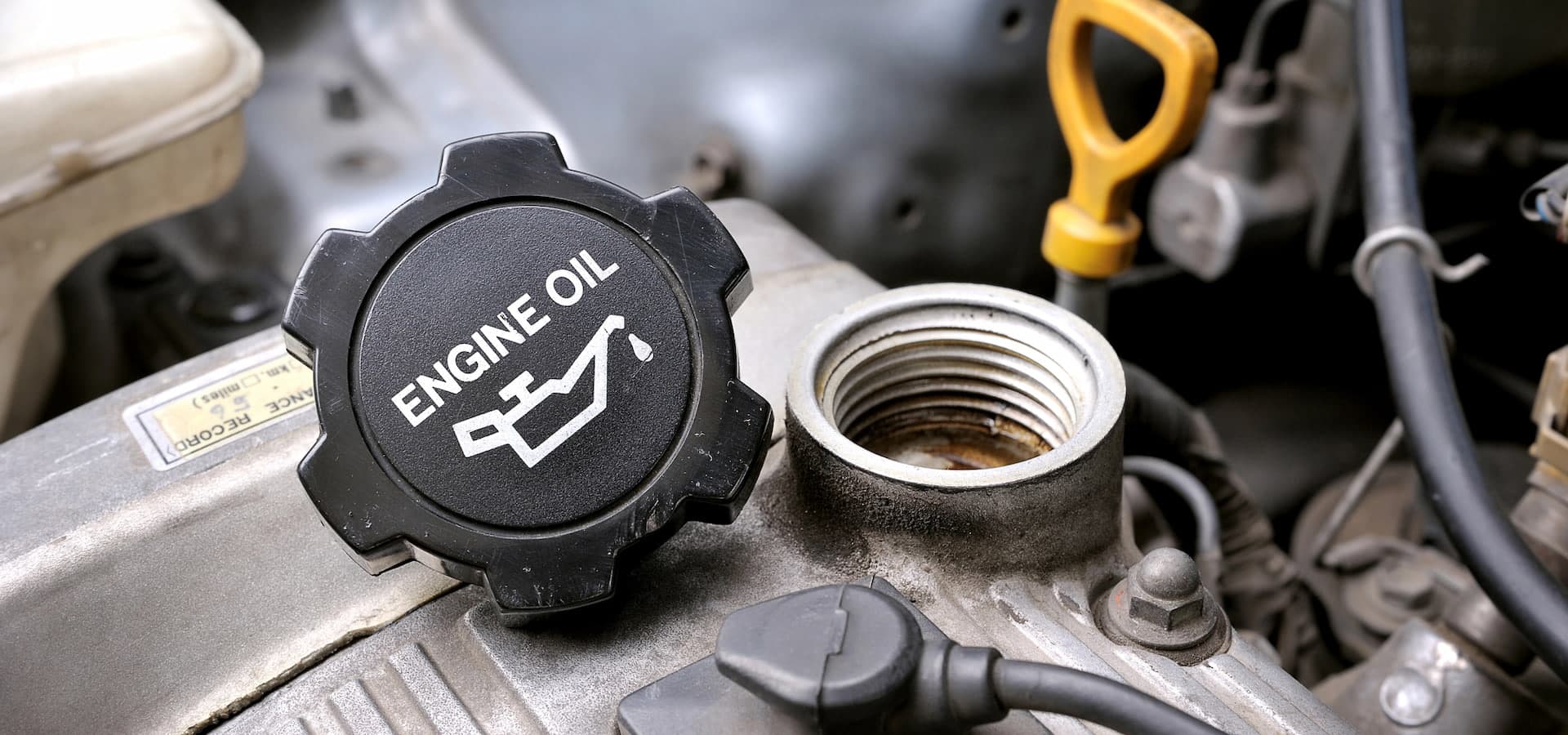
Hyundai Oil Change at Elevation Auto Repair
If your Hyundai's maintenance light just came on or you're overdue on that sticker in the corner of your windshield, you want the job done right and done fast. A modern Hyundai isn't the same oil change your dad remembers, and a generic quick-lube approach can leave your engine short on the exact grade and volume it was built around.
Most current Hyundai engines – the 2.0T and 2.5T Smartstream (Theta III/Theta IV) and the Nu/Gamma four-cylinders – call for specific full-synthetic viscosities like 0W-20 or 5W-30 and precise fill volumes. Overfilling or using the wrong spec on a Theta II GDI engine can worsen the oil consumption these platforms are already known for. We also reset the service reminder correctly through the vehicle's system rather than clearing a light and hoping it stays off, and we torque the drain plug and cartridge-style filter housing to Hyundai's spec to avoid stripped pans and leaks.
Here's what you can expect when you bring your Hyundai to us:
- OEM-spec full-synthetic oil matched to your exact engine and model year
- Correct filter type – cartridge or spin-on – installed to factory torque
- Service reminder reset plus a quick multi-point check while it's on the lift
- Fast turnaround so you're back on the road, not stuck in a waiting room
Symptoms – How to Know You Need This Service
Your Hyundai usually tells you it's ready for fresh oil before anything goes wrong. Watch for these signs from the driver's seat:
- The engine oil / maintenance reminder or "Service Required" message on the cluster
- Oil that looks dark, gritty, or feels thin on the dipstick
- A ticking or tapping at cold startup that fades as pressure builds – common when oil is old or low on GDI engines
- Burning-oil smell, which many Theta II owners notice as consumption climbs between changes
- Reduced fuel economy or a sluggish feel under acceleration
- Louder-than-usual engine noise at idle
Schedule soon if you see the reminder light or notice darker oil – there's no emergency, but don't let it slide. Stop driving immediately if the red oil-pressure light (the oil-can symbol) comes on or you hear loud knocking. That points to low oil pressure, and running the engine risks bearing and turbo damage on the 2.0T and 2.5T. Have it towed rather than driven in.
Common Oil Change Issues on Hyundai Vehicles
If your Hyundai is due for service or you're seeing an oil light flicker at idle, the good news is these engines respond well to consistent maintenance. Denver's altitude, temperature swings, and mixed highway-city driving all shape how Hyundai engines burn and consume oil.
- Theta II 2.0T and 2.4L oil consumption – Certain 2011-2019 Sonata and Santa Fe engines are known for higher-than-normal consumption tied to piston ring and rod bearing wear. Staying on top of oil level and using the correct grade slows this down considerably.
- Gamma 1.6L GDI sludge buildup – Direct-injection Elantra and Accent engines run hot and can form deposits when oil changes stretch too long. Fresh full-synthetic keeps the pickup screen and oil passages clear.
- Smartstream 2.5L incorrect viscosity – Newer Tucson, Santa Cruz, and Sonata engines call for a specific low-viscosity spec. Using an off-spec oil affects the variable oil pump and timing operation.
- Lambda V6 (3.3L/3.8L) filter housing seeps – Palisade, Genesis, and older Azera V6s can weep at the cartridge-style filter cap O-ring when it isn't reseated correctly.
- Drain plug and gasket damage – Aluminum oil pans on many Hyundai platforms strip easily when over-torqued at quick-lube shops.
- Nu 2.0L crush-washer reuse – Skipping a fresh sealing washer on Elantra/Kona engines leads to slow drips that stain your driveway.
Which Hyundai Models We See for Oil Change
We service the full modern Hyundai lineup and know the quirks of each engine family. Find your car below:
- Elantra (2011–present, Nu 2.0 / Smartstream 2.0) and older Beta engines
- Sonata (2011–2019 with Theta II 2.4 GDI / 2.0T, and 2020+ Smartstream) – Theta II oil-consumption checks are part of our routine here
- Tucson and Santa Fe (2010–present, 2.4 GDI, 2.0T, 2.5 Smartstream) – uses a cartridge filter that must be torqued correctly
- Kona (2018–present, 2.0 and 1.6T) including the turbo variant that runs a different fill
- Palisade (2020–present, 3.8 Lambda II V6)
- Veloster and Veloster N – the N's 2.0T Theta gets performance-oriented service
- Genesis Coupe and Sedan (Lambda V6, Tau V8) from the earlier Hyundai era
- Ioniq hybrid / Sonata Hybrid – gas engine still needs regular changes on the Kappa/Nu engines
Turbocharged models (2.0T, 1.6T, 2.5T) and the Veloster N call for strict adherence to synthetic spec to protect the turbo. Fully electric Ioniq 5 and Ioniq 6 models don't take engine oil, so those come in for other maintenance instead. If you're unsure which engine you have, bring it by and we'll confirm before we touch anything.
Causes & Risks – What Happens if Ignored
Most Hyundai oil issues trace back to stretched intervals, wrong viscosity, or GDI-related fuel dilution that thins the oil faster in cold Front Range mornings. Age and higher mileage accelerate all of it.
Waiting turns a quick, affordable service into major engine work. Here's how the damage typically stacks up:
- Delayed changes on Theta II engines – Low oil accelerates rod bearing wear, and continued driving on a knocking engine often ends in complete failure.
- Ignoring GDI sludge – Clogged oil pickup screens starve the top end, damaging camshafts, lifters, and VVT actuators.
- Running off-spec viscosity – The variable oil pump on Smartstream engines can't build proper pressure, triggering timing and lubrication faults.
- Untreated filter-housing seeps – A small O-ring leak becomes low oil level, then heat-related bearing damage.
- Stripped drain plug left alone – Repeated over-tightening ruins the pan threads, meaning a full oil pan replacement instead of a simple plug.
The safety side matters too – a sudden oil-pressure loss on I-70 can seize an engine with no warning. We move fast on diagnosis so a $40 concern never becomes a rebuild.
Safety Impact – Why Oil Change Matters
Neglected oil doesn't just hurt the engine – it affects systems that keep you controllable on the road. Low or degraded oil leads to overheating, hesitation, and sudden power loss in traffic.
- Engine seizure at speed – Loss of oil pressure can lock the crankshaft, killing power steering assist and momentum in a single moment.
- VVT and timing faults – Dirty oil starves variable valve actuators, causing stalling and rough idle at intersections.
- Overheating cascade – Oil breakdown raises engine temps, which can affect nearby cooling and electronic modules.
Stop driving now if you notice:
- Red oil-pressure light staying on
- Knocking or ticking that grows with RPM
- Burning oil smell with visible smoke
Schedule soon if you notice:
- Oil level dropping between changes
- Small drips on the driveway
- Change-oil reminder past due
There's a liability angle worth knowing: if a documented maintenance item goes unaddressed and contributes to a crash, it can complicate a claim. Keeping service current protects both you and your record.
How Hyundai Oil Change Actually Works
A Hyundai oil change is more than draining and refilling – modern GDI and Smartstream engines depend on precise viscosity, clean filtration, and correct service-reminder handling to protect variable valve and oil-pump systems. Getting the spec right is what separates dealership-level work from a generic quick lube.
What's different about Hyundai's setup:
- Tight viscosity requirements – Many Smartstream and Nu engines call for a specific low-viscosity synthetic the oil pump is calibrated around.
- Cartridge-style filters – Lambda V6 and several four-cylinders use a housing cap with an O-ring that must be reseated and torqued to spec.
- Aluminum oil pans – Drain plugs need proper torque and a fresh crush washer to avoid thread damage.
- Service reminder reset – The instrument cluster interval must be reset correctly so maintenance tracking stays accurate.
- GDI monitoring – Because direct injection
How We Diagnose Oil Change Issues on Hyundai
Maybe your maintenance reminder is flashing, the oil looks black on the dipstick, or you've heard a faint tick on cold starts. On many Hyundai engines – especially the 2.4L Theta II and turbocharged 1.6L Gamma – oil condition and level directly affect long-term reliability, so we start with a fast, focused inspection.
- Connect a Hyundai-capable scan tool to read oil life algorithms, mileage since last service, and any stored codes tied to low oil pressure or the oil control valve on GDI and MPI engines.
- Check the oil pressure sensor and variable valve timing (OCV/VVT) data, since Theta II and Nu engines can log faults when oil is degraded or overdue.
- Pull the dipstick to assess color, viscosity, and level, and inspect for fuel dilution common on turbo GDI platforms.
- Perform a visual under-vehicle check for seepage at the oil pan, filter housing, and valve cover gaskets.
- Road test to listen for lifter tick, timing chain rattle, or knock that can signal oil starvation on higher-mileage Theta II units.
Once we've combined scan data with hands-on checks, we translate the findings into a clear plan – the correct oil grade, filter, and any related repairs – with an itemized quote before we begin.
Oil Change on Hyundai: Repair vs. Replacement
Most Hyundai oil service is straightforward maintenance, but the data sometimes points to a related repair. Here's how we sort it out.
- Simple service (repair): A clean drain-and-fill with a new OEM-spec filter and correct oil weight – 0W-20 or 5W-30 depending on engine – plus a maintenance light reset. The right call when the engine is healthy and just due.
- Partial replacement: Replacing a single failing part while keeping the rest intact – a weeping oil pan drain plug or gasket, a stuck oil control valve on a Nu or Gamma engine, or a leaking filter housing O-ring.
- Full replacement: When cascading wear appears – excessive oil consumption on 2011-2019 Theta II engines, low oil pressure, or bearing noise – piecemeal fixes stop making sense and a larger engine repair or short block may be the honest recommendation.
We show you the dipstick, the scan data, and any leak points, then explain each option and its trade-offs. You decide with full information – we never default to the most expensive path.
How to Make Your Hyundai Oil Change Last Longer
Good habits stretch the value of every oil service and protect the engine between visits.
- Let the engine warm briefly before hard acceleration, especially in Denver's cold mornings, so oil reaches full flow – important on turbo GDI engines.
- Avoid extended idling and short-trip-only driving, which accelerate fuel dilution and sludge on direct-injection Hyundai motors.
- Ease off heavy towing or fully loaded mountain climbs when oil is due, since heat breaks down tired oil faster at altitude.
Owner maintenance you can safely handle:
- Check the dipstick monthly for level and color, and watch for oil spots on your parking spot.
- Listen for new cold-start tick or lifter noise and report it early.
- Respond promptly to the maintenance reminder and oil pressure warning – never keep driving with the red oil light on.
Brand-specific care that pays off: use OEM-spec oil and genuine or equivalent filters matched to your engine, follow Hyundai's severe-service intervals if you do lots of short trips, and keep engine control software current so oil-life and VVT logic runs correctly. Leave oil pressure diagnosis, leak repairs, and consumption issues to us – those touch safety-critical systems and are worth an expert eye.
What to Expect When You Bring Your Hyundai In
You're due for an oil change, or maybe the maintenance reminder on your Elantra or Santa Fe has been nagging at you for a week. Here's how a visit runs from the moment you pull in.
- Drop-off or appointment – Schedule ahead or drop by. Tell us your model year and mileage so we pull the right oil spec – most modern Hyundais run 0W-20 full synthetic, while GDI and turbo Theta/Smartstream engines have their own requirements.
- Initial inspection – We check oil level and condition, filter housing, drain plug and crush washer, plus a quick look at the belt, cooling system, and tires while the vehicle is up.
- Written estimate – You get a clear line-item breakdown before any work starts. No surprises, no add-ons you didn't approve.
- During the service – We text or call if we spot anything worth flagging, like an oil leak at the valve cover or signs of consumption common to certain Theta II 2.4L engines.
- Pickup walkthrough – We reset the service reminder, note next-due mileage, and explain anything we found.
Leave personal items in the car if you like – we treat your cabin with care. Ask about shuttle or loaner options when you book, and after-hours key pickup is available if your schedule runs tight. Before your Hyundai leaves, we verify no leaks, confirm proper oil level on a warm engine, and clear any related maintenance flags with a scan tool. If anything feels off after you drive away, bring it back and we'll make it right.
Why Choose Elevation Auto Repair for Hyundai Oil Change
An oil change is simple work done right or a shortcut done wrong. On Hyundai GDI and turbocharged engines, using the correct viscosity and a genuine-quality filter matters for timing chain longevity and preventing sludge buildup that plagues neglected Theta and Gamma engines.
- Hyundai-specific knowledge – We track relevant TSBs and software updates, including oil-consumption service campaigns on 2.0L and 2.4L Theta II engines and updated PCM logic that affects oil life monitoring.
- Correct specs every time – Right oil weight, proper filter, new crush washer, and torque-to-spec drain plugs so you avoid stripped oil pans on aluminum-housing models.
- End-to-end ownership – We inspect, service, and verify the work ourselves, then road test and re-scan so you leave confident.
We're your Denver dealership alternative – honest diagnostics, no unnecessary repairs, and one shop that handles everything from a routine oil change to engine and transmission work. When we spot an early leak or a filter housing seeping, we tell you straight so a small fix stays small.
Our Hyundai Services
- Air Conditioning AC Repair
- Battery Repair Replacement
- Brake Repair & Brake Fluid Change
- Check Engine Light Diagnostics
- Clutch Repair & Replacement
- Coolant Leak Repair
- Cooling System Repair
- Drive Shaft Repair
- Engine Repair
- Exhaust & Catalytic Converter Repair
- Head Gasket Repair & Replacement
- Oil Leak Repair
- Scheduled Service Maintenance
- Steering Repair
- Suspension Repair
- Cambelt Timing Belt Replacement
- Transmission Repair
- Tune Up
- Wheel Alignment