
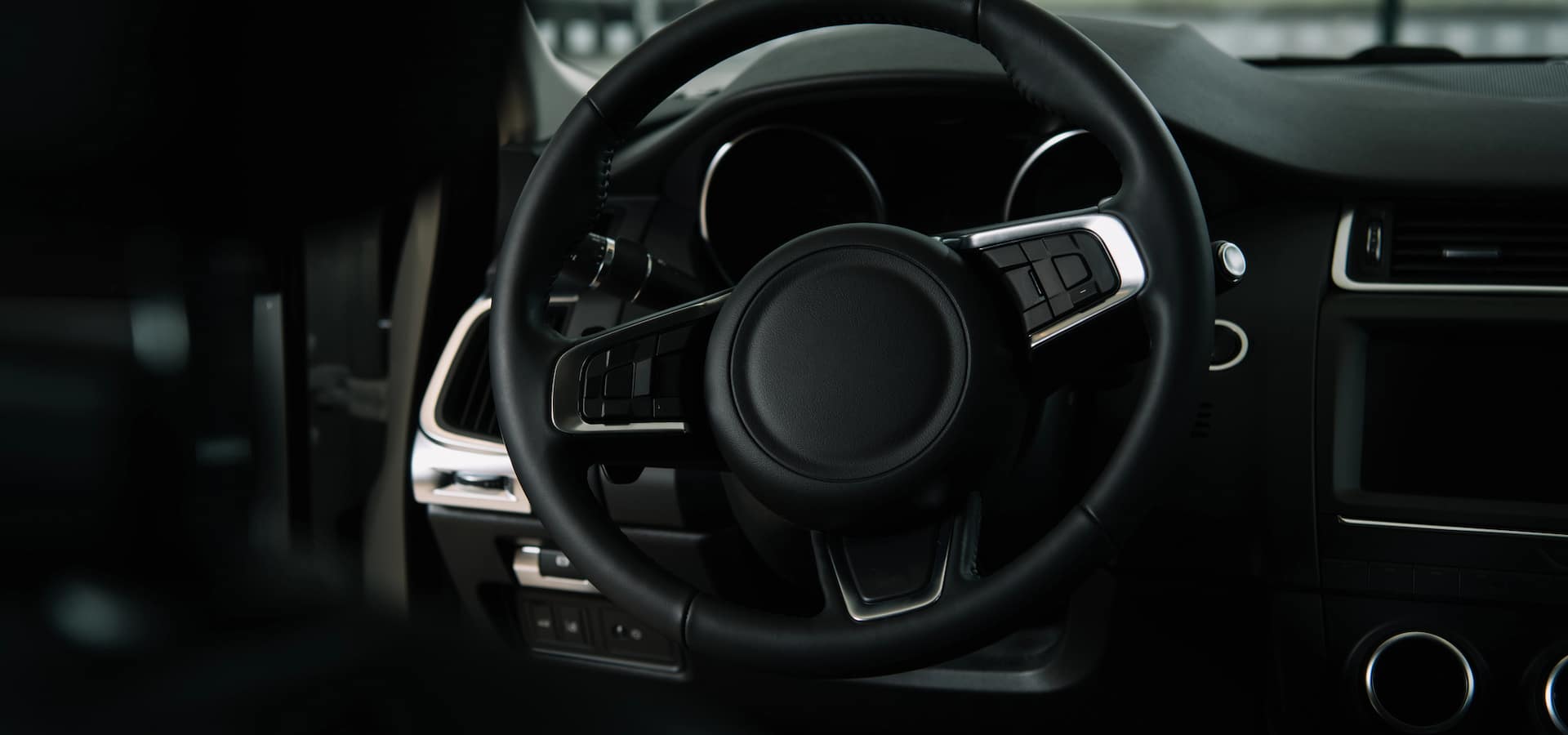
Hyundai Steering Repair at Elevation Auto Repair
A customer rolled into our Denver shop last winter with a 2016 Sonata that wandered across every lane change and chimed an EPS warning on cold mornings. That is a classic electric power steering complaint, and it is exactly the kind of work that rewards knowing Hyundai's systems rather than guessing.
Most modern Hyundai models use a column-mounted or rack-mounted Motor Driven Power Steering (MDPS) unit instead of an old hydraulic pump. That changes the repair completely – there is no fluid to bleed, but there is a torque sensor, a control module, and calibration data that has to be handled correctly. On several platforms the MDPS motor coupler, the flexible steering shaft coupling, and the intermediate joint are the usual failure points, and a clunk here gets misdiagnosed as a rack or tie rod all the time.
Getting it right on a Hyundai means matching OEM torque specs on the rack mounting bolts and pinch bolts, and running the steering angle sensor (SAS) reset with proper scan tooling after any component that affects centering. We do this instead of clearing a code and hoping.
- Honest diagnostics that separate MDPS faults from worn tie rods or couplers
- OEM-aligned torque specs and steering angle sensor calibration
- Clear explanation of what failed and what does not need replacing
- A precision alignment to protect handling and tire life after the repair
Symptoms – How to Know You Need This Service
Steering problems tend to announce themselves gradually, then all at once. Here is what drivers usually notice before bringing a Hyundai in:
- EPS or steering warning light on the dash, sometimes with a loss of assist – this often points to an MDPS module or torque sensor fault.
- Heavy or notchy steering that comes and goes, especially on cold starts or during long drives as the motor heats up.
- Clunking or knocking over bumps or when turning at low speed, commonly a worn intermediate shaft coupler or tie rod end.
- Wandering or pulling that forces constant small corrections to stay in your lane.
- Off-center steering wheel after driving straight, a sign the SAS calibration or alignment needs attention.
- Whining or grinding while turning, or a groan from the steering assembly.
- Vibration through the wheel at highway speed that may tie into worn steering components or balance.
Schedule soon if you notice noise, a warning light that clears, or slight wander. Stop driving and call us if the steering suddenly goes heavy, locks, or you lose assist entirely at speed – that is a safety issue, not a wait-and-see item. We will get you back on the road quickly and safely.
Common Steering Repair Issues on Hyundai Vehicles
Hyundai steering complaints tend to cluster around a handful of platform-specific wear paths. Here's what we see most often on Denver-area cars.
- MDPS motor and torque sensor faults (2011-2017 Sonata YF/LF, Elantra MD/AD): Hyundai's column-mounted Motor Driven Power Steering can develop intermittent assist loss, a heavy or notchy wheel, and a steering warning light. The torque sensor and coupling inside the column are frequent culprits.
- Steering coupler / intermediate shaft clunk (Santa Fe, Tucson): A knock or rattle over bumps and during low-speed turns often traces to a worn lower coupler or U-joint in the intermediate shaft.
- Inner and outer tie rod wear (Elantra, Accent, high-mileage sedans): Play in the tie rods produces wander, uneven tire wear, and vague on-center feel – common as bushings and ball sockets age.
- Rack-and-pinion play and seepage (2007-2012 Santa Fe CM, older Sonata): Inner rack bushings loosen and, on hydraulic-assist models, the rack can seep fluid from the seals.
- Power steering fluid leaks on hydraulic models (Tucson, older Santa Fe): High-pressure line and pump seal weeps show up as whine at full lock and low fluid.
- Clock spring / steering angle sensor faults: A dead horn, airbag light, or unstable stability-control behavior often points back to the clock spring or a miscalibrated steering angle sensor after suspension work.
Which Hyundai Models We See for Steering Repair
We service steering systems across most of Hyundai's lineup, with the MDPS-equipped generations making up the bulk of what comes through the bay. Find your car below:
- Sonata (YF, LF, DN8) – 2011 to present; column-mounted MDPS coupler and torque sensor complaints are common on the LF generation.
- Elantra (MD, AD, CN7) – 2011 to present; intermediate shaft noise and EPS faults show up here often.
- Tucson (LM, TL, NX4) – 2010 to present; rack-mounted assist and tie rod wear on higher-mileage TL models.
- Santa Fe (CM, DM, TM) – 2007 to present; loaded front ends make outer tie rods and rack bushings frequent wear items.
- Kona, Palisade, Veloster (including Veloster N) – newer platforms where SAS calibration after any steering work is essential.
- Genesis Coupe (BK) – hydraulic-assisted variant; different diagnostic path from the MDPS cars.
Sport and N variants often use firmer steering tuning and specific mounting hardware, so we confirm the correct calibration for those builds. Very early hydraulic-steering Hyundais and some imported grey-market models fall outside what we routinely stock parts for – tell us your VIN and we will confirm coverage before you drive over.
A Denver Sonata owner rolls in describing a clunk every time they turn out of a parking lot, plus a steering wheel that no longer centers itself. That combination usually points to worn steering hardware working against an electric power steering system that has quietly started throwing faults. We track down the real cause instead of guessing, then fix what actually needs fixing.
Causes & Risks – What Happens if Ignored
Colorado driving is hard on steering components. Rough winter roads, potholes after the freeze-thaw cycle, altitude-related temperature swings, and years of salt and grit accelerate wear on couplers, tie rods, and rack seals. Add age and mileage, and small amounts of play grow into real problems.
Waiting on a symptom rarely saves money. A minor tie rod issue is a modest repair; the alignment and tire damage that follows is not.
- Ignoring a clunking intermediate shaft lets the coupler wear until the joint develops enough slop to affect steering precision and require full shaft replacement.
- Driving on worn tie rods chews the inside or outside tire edges within a few thousand miles and pulls the alignment out of spec.
- A slow power steering fluid leak that goes unaddressed starves the pump, leading to pump failure and a much heavier repair.
- An intermittent MDPS fault can progress to full assist loss – a sudden, dangerous change in steering effort at speed.
- A neglected steering angle or clock spring issue can disable stability control and airbag functions you rely on in an emergency.
The dividing line is simple: what starts as a squeak or a light usually ends as a safety issue plus a bigger parts bill.
Safety Impact – Why Steering Repair Matters
Steering doesn't fail in isolation. On modern Hyundais, the steering angle sensor feeds the ESC (stability control), ABS, and traction control. When steering hardware or sensors go bad, those systems can misread what the car is doing.
- Stop driving now: sudden loss of power assist, a wheel that binds or won't return to center, grinding from the column, or a steering warning light paired with erratic ESC/ABS behavior.
- Schedule soon: mild clunk over bumps, slow fluid seepage, slight on-center wander, or an occasional flicker of the steering light.
There's a liability angle too. If a known steering fault is documented and left unaddressed before a collision, that becomes a problem with your insurer. A quick, honest inspection protects both your safety and your standing if something goes wrong.
How Hyundai Steering Repair Actually Works
Most Hyundais built in the last decade use MDPS – electric power steering with an assist motor on the column or rack rather than a hydraulic pump. A torque sensor reads how hard you're turning, and the control module commands the motor to add the right amount of help. That's why steering work on these cars is as much electronic as mechanical.
Because of that design, replacing parts is only half the job – the system usually needs software and calibration steps to work correctly.
- Steering angle sensor calibration after any alignment, rack, or clock spring work, so ESC and ABS read the wheel correctly.
- MDPS component matching using factory-aligned diagnostic tooling to clear faults and confirm torque sensor operation.
- OEM torque and sequence specs on tie rods, coupler bolts, and rack mounts – over- or under-torquing invites clunks and premature wear.
- Correct fluid and bleed procedure on remaining hydraulic-assist models to prevent pump whine and air-lock.
We use modern scan tools and OEM-aligned procedures so the repair leaves the car handling the way Hyundai intended – and we explain exactly what we found and why. One trusted Denver shop for the mechanical fix and the calibration that makes it stick.
A Sonata owner rolls in describing a clunk over Denver's frost-heaved pavement and a steering wheel that no longer centers after a turn. That combination points straight to worn steering and suspension joints – and it's exactly the kind of thing we chase down every week on Hyundai platforms.
How We Diagnose Steering Repair Issues on Hyundai
Guessing wastes your money, so we work through a repeatable sequence that separates a loose tie rod from a failing MDPS (Motor-Driven Power Steering) unit.
- Interview and history: We ask about noises, wander, warning lights, and whether the problem shows up cold or after highway driving.
- Scan with Hyundai-capable tooling: Using a GDS-style scan platform, we pull codes from the MDPS and ABS/ESC modules – think C-codes like torque sensor faults or steering angle sensor mismatches common on Elantra (MD/AD) and Sonata (YF/LF) column-mount MDPS systems.
- Steering angle sensor check: We verify calibration data, since a stored fault here can mimic a mechanical problem.
- Road test: We drive it to feel for on-center vagueness, return-to-center lag, notchiness, or intermittent loss of assist that points to a heat-sensitive MDPS motor.
- Lift and visual inspection: We check inner and outer tie rod ends for play, boot tears, rack mount bushings, and the intermediate shaft U-joint for the classic Hyundai cold-start clunk.
- Measurement: We inspect alignment specs and dry-park test the linkage to isolate exactly which joint is worn.
Those findings become a plain-language repair plan and quote – you see what failed, what's still good, and what it costs before we touch a wrench.
Steering Repair on Hyundai: Repair vs. Replacement
Not every steering complaint needs a big-ticket part, and we'll tell you when it doesn't.
- Genuine repair: A steering angle sensor recalibration after alignment, tightening or replacing a single worn outer tie rod, or a fresh rack mount bushing often restores solid feel without touching the rack.
- Partial replacement: On many Elantra and Tucson platforms, a leaking or noisy intermediate shaft or a single failed tie rod can be swapped while the rack and column stay in place.
- Full replacement: When a column-mount MDPS motor throws intermittent assist faults, or when the rack shows internal wear, cascading play, and torn boots together, replacing the assembly is the safe call. Steering is safety-critical, so we don't nurse a failing rack.
We lay out each path with its trade-offs and let you decide – no steering you toward the priciest option for its own sake.
How to Make Your Hyundai Steering Repair Last Longer
Good habits protect the parts we just installed and the ones around them.
- Drive smart: Avoid holding the wheel at full lock, ease over Denver's potholes and curbs, and don't crank the wheel while parked – dry steering loads the MDPS motor and joints hard.
- Mind the climate: In cold snaps, let the car roll gently before demanding sharp turns so bushings and grease reach working temperature.
- Listen and look: Note new clunks, whines, or return-to-center lag early, and glance under the car for cracked tie rod boots or fluid seepage.
- Watch the dash: A steering wheel or EPS warning light means bring it in – don't ignore it.
Use OEM-grade parts and, where a hydraulic system applies, the correct Hyundai power steering fluid rather than a universal blend. Keep up with Hyundai's service intervals and let us apply any MDPS or steering-related software updates during service.
Checking boots and topping approved fluids is fine for a confident owner – but alignment, MDPS calibration, and any rack or linkage work should stay with the shop. Stop by and we'll keep your Hyundai tracking straight for the long haul.
What to Expect When You Bring Your Hyundai In
A customer recently rolled in with a 2015 Sonata (LF platform) that had a clunk in the steering column every time they turned into their driveway. The fix started the same way every steering job does here – with a real conversation and a methodical inspection.
- Drop-off or scheduled appointment – Tell us exactly what you feel: wandering, a groan when parking, a dead spot on-center, or a warning lamp. Those details point us toward the right components fast.
- Initial inspection – We lift the vehicle, check tie rods, rack mounts, the intermediate shaft, and pull codes from the MDPS (Motor-Driven Power Steering) module with factory-level scan tools.
- Written estimate – You get a clear breakdown of what's failing, what parts we recommend, and what can wait. No surprise add-ons.
- Communication during the work – We text or call with findings before we proceed, so you approve the work knowingly.
- Pickup walkthrough – We show you the replaced parts and explain what changed in how the car drives.
Loaner and shuttle options help you keep your day moving, and after-hours pickup is available when your schedule runs long. Clear out personal items from the cabin before drop-off. Every steering repair ends with a road test and a scan-tool re-check to confirm calibration – and if anything still feels off, bring it back and we'll re-verify.
Why Choose Elevation Auto Repair for Hyundai Steering Repair
Steering issues on Hyundais aren't one-size-fits-all, and we treat them accordingly. Many complaints on Elantra (MD/AD) and Sonata (YF/LF) models trace back to the electric power steering system rather than a worn hydraulic pump.
- MDPS knowledge – We're familiar with column-mounted motor-driven power steering faults, connector corrosion, and the software updates and TSBs Hyundai has issued for steering feel and intermittent assist loss.
- Platform-specific quirks – Rack-and-pinion play, worn intermediate shaft U-joints, and failing tie rod ends show up predictably across Tucson, Santa Fe, and Genesis chassis, and we know where to look first.
- Proper calibration – After a rack or sensor replacement, we perform the steering angle sensor relearn so lane-keep and stability systems read correctly.
We own the job start to finish – diagnosis, repair, and post-repair verification all happen under one roof. That means the technician who found the problem confirms the fix on a road test, so you leave with steering that tracks straight and responds the way it should.
Our Hyundai Services
- Air Conditioning AC Repair
- Battery Repair Replacement
- Brake Repair & Brake Fluid Change
- Check Engine Light Diagnostics
- Clutch Repair & Replacement
- Coolant Leak Repair
- Cooling System Repair
- Drive Shaft Repair
- Engine Repair
- Exhaust & Catalytic Converter Repair
- Head Gasket Repair & Replacement
- Oil Change
- Oil Leak Repair
- Scheduled Service Maintenance
- Suspension Repair
- Cambelt Timing Belt Replacement
- Transmission Repair
- Tune Up
- Wheel Alignment