
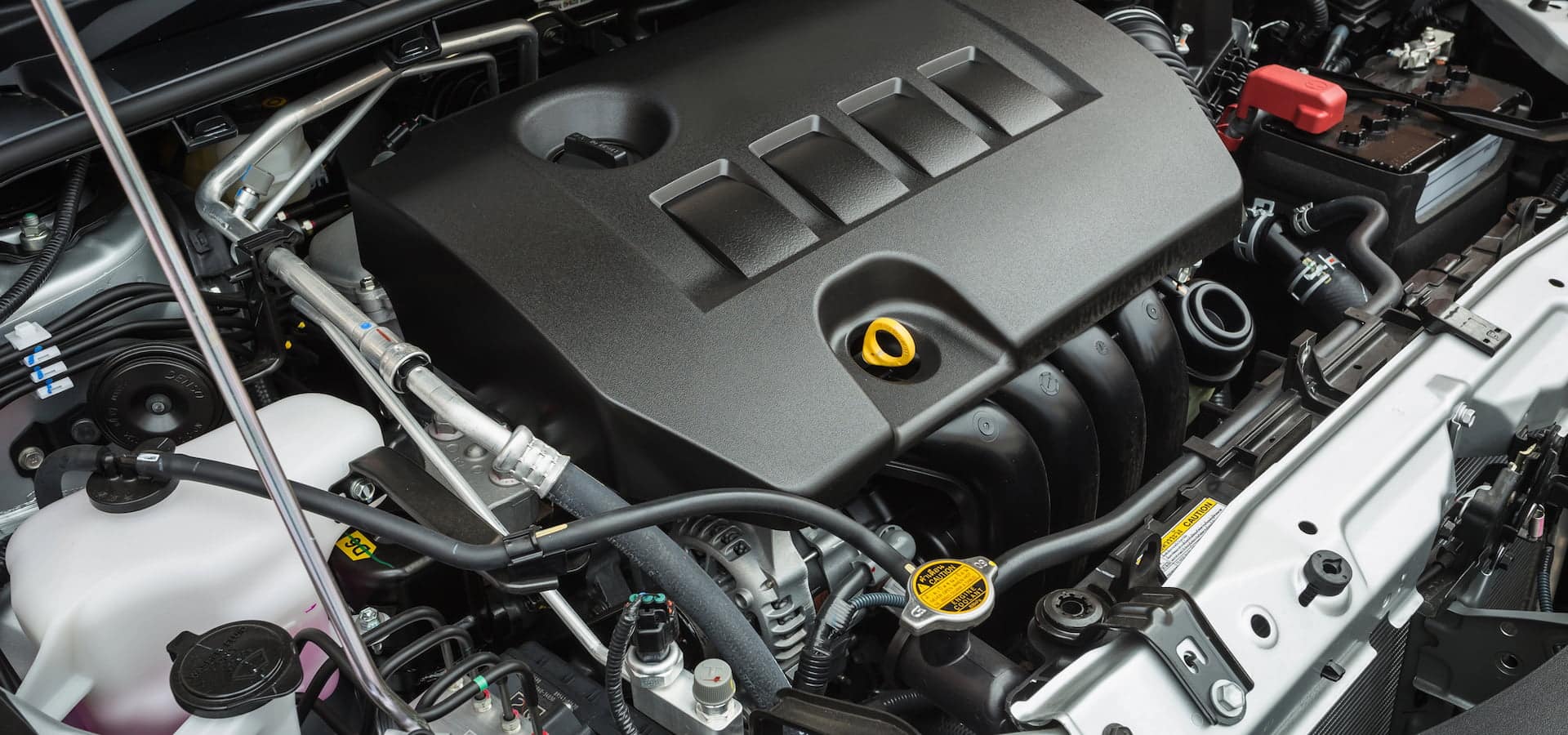
Hyundai Tune Up at Elevation Auto Repair
When your Hyundai starts feeling sluggish off the line or the fuel economy quietly slips, a proper tune up brings it back to life. Modern Hyundais are far from the simple points-and-plugs cars of decades past, and getting the job right takes more than swapping parts.
The Gamma, Nu, and Theta II engine families each have their own spark plug reach, gap, and torque specs, and many use iridium plugs on tight service intervals that get overlooked at quick-lube shops. Direct-injection Theta II and Lambda V6 platforms are prone to carbon accumulation on intake valves, so a real tune up on these engines looks at more than ignition components. We also read live fuel trims and misfire counters through the proper scan interface rather than guessing, since a rough-running GDI Hyundai often needs software adaptation resets after the work is done.
Doing this correctly on a Hyundai means matching OEM plug specifications, respecting coil-on-plug torque, and verifying the ECU is happy afterward. Here is what you can expect:
- OEM-spec iridium plugs installed to factory gap and torque
- Ignition coil and fuel trim inspection with live data
- Air and cabin filter check plus throttle body evaluation
- A clear report on anything found, with no filler repairs pushed on you
Symptoms – How to Know You Need This Service
Your Hyundai usually tells you when ignition and fuel components are past their prime. You may notice:
- A rough idle or a light shudder at stoplights, especially on Theta II and Gamma engines
- Hesitation or stumble when you accelerate onto I-25 or a mountain grade
- A flashing check engine light – stop driving and have it towed, since active misfires can damage the catalytic converter
- A steady check engine light with codes like P0300 through P0304 – schedule soon
- Fuel economy dropping noticeably over a few tanks
- Harder cold starts or extended cranking on chilly Denver mornings
- A faint fuel smell from unburned mixture during a misfire
- Reduced power or a rev limit if the car drops into limp mode
A steady light and mild roughness mean you can book an appointment at your convenience. A blinking light, strong bucking, or loss of power means pull over safely and call us before driving further.
Common Tune Up Issues on Hyundai Vehicles
If your Hyundai feels sluggish off the line, idles rough, or the check engine light just came on, a tune up is usually where the fix starts. Hyundai's Theta, Gamma, Lambda, and Nu engine families each have their own quirks that show up as the ignition and fuel components age.
- Carbon buildup on direct-injected Gamma 1.6T and Theta 2.0T engines – GDI motors (2011+ Sonata, Elantra, Tucson) don't wash the intake valves with fuel, so deposits build and cause rough idle, misfires, and hesitation that a plug swap alone won't cure.
- Worn iridium spark plugs on the Nu 2.0L and Gamma 1.6L – Hyundai spec long-life plugs, but Denver's altitude and heat cycling wear the electrode gap early, triggering P0300-series misfire codes.
- Ignition coil failure on 2011-2016 Sonata/Elantra (Theta II, Nu) – individual coil-on-plug units break down under heat, producing a single-cylinder misfire and a stumble under load.
- Dirty or failing MAF and throttle body – common across the Gamma and Nu platforms, causing surging idle and poor throttle response.
- Clogged fuel injectors on high-mileage GDI engines – reduced spray pattern leads to lean codes and hard cold starts.
- Old air and cabin filters – restrictive filters on Tucson and Santa Fe models choke airflow and drag down fuel economy.
Catching these early keeps your Hyundai running smooth and helps you avoid chasing a phantom misfire across the whole engine.
Which Hyundai Models We See for Tune Up
We tune up nearly the full modern Hyundai lineup. These are the platforms and engines that come through most often:
- Elantra (MD, AD, CN7) – 1.8L and 2.0L Nu, plus 1.6L Gamma turbo on Sport/N-Line variants
- Sonata (YF, LF, DN8) – 2.4L Theta II GDI and 2.0T; turbo models need extra attention to coil condition
- Tucson (LM, TL, NX4) – 2.0L and 2.4L Theta II, plus 1.6L Smartstream turbo on newer years
- Santa Fe (DM, TM) – 2.4L Theta II and 3.3L Lambda V6, which has rear-bank plugs that take longer to reach
- Kona (OS) – 2.0L Nu and 1.6L Gamma turbo
- Veloster and Veloster N – 1.6L turbo and the 2.0T from the N; performance variants get spec-specific plugs
- Accent (RB, HC) – 1.6L Gamma, a straightforward and reliable tune up
Turbo and N-line variants often run tighter plug gaps and benefit from earlier service intervals, so we adjust accordingly. Hybrid and electrified drivetrains have different maintenance needs, so if you drive a Sonata or Tucson Hybrid, call ahead and we'll confirm the right service. Whatever you're driving, we keep it running strong for the long haul.
Causes & Risks – What Happens if Ignored
Most tune up problems trace back to normal wear accelerated by how and where you drive. Denver's altitude leans out combustion, short cold-weather trips foul plugs faster, and stop-and-go traffic loads the ignition system harder than highway cruising.
Waiting turns a quick service into a chain reaction. A single tired coil or fouled plug puts extra fuel through the system, and that fuel ends up somewhere it shouldn't.
- Unburned fuel washes the cylinder walls – ignoring a misfire for weeks on a Theta II or Nu engine can damage rings and raise oil consumption.
- Catalytic converter overheating – a persistent P0301-P0304 misfire dumps raw fuel into the cat, and a clogged converter is a far bigger repair than a set of plugs.
- Fuel dilution and carbon acceleration on GDI engines makes the intake valve deposits worse, eventually requiring a walnut-blast cleaning.
- Stalling and no-start conditions as coils and injectors degrade past the point of limp-home operation.
- Failed emissions testing – a common surprise for Colorado owners when a stored misfire code blocks registration.
The safety line gets crossed when the engine stumbles at highway merge speed or stalls in traffic. We'd rather refresh the ignition and fuel side now than replace a converter and pistons later.
Safety Impact – Why Tune Up Matters
A neglected tune up does more than hurt mileage. On modern Hyundais, the engine control module leans on clean combustion data to manage systems that keep you in control.
Persistent misfires and rough running can put the ECM into a reduced-power or limp mode, which affects how the drivetrain responds when you need it most. That matters for traction control coordination, stable acceleration during a highway merge, and predictable throttle behavior in snow.
- Stop driving now: flashing check engine light (active misfire damaging the catalytic converter), sudden stalling, or a strong fuel smell.
- Schedule soon: steady check engine light, rough idle, hesitation under acceleration, or dropping fuel economy.
There's also a practical liability angle. A known misfire or stored fault code that goes unaddressed before an incident can complicate an insurance claim, since the vehicle wasn't in safe operating condition. Keeping your Hyundai's ignition and fuel systems current protects both your safety and your paperwork.
How Hyundai Tune Up Actually Works
A Hyundai tune up today is far more than plugs and a distributor cap. On the Gamma, Nu, and Theta engines, ignition is fully coil-on-plug and managed by the ECM, so the work blends mechanical service with electronic verification.
We pull live data and stored codes with factory-level diagnostics, replace the wear items to Hyundai spec, then confirm the fix instead of guessing. On GDI engines we also address the intake side, since fuel never touches the valves.
- OEM iridium plugs gapped and torqued to Hyundai spec – over-torquing aluminum heads on the Nu engine risks stripped threads, so sequence and spec matter.
- Coil-on-plug testing to isolate a weak coil rather than replacing all of them blindly.
- Fuel system and injector service tailored to direct-injection GDI versus port-injected engines.
- Throttle body and MAF cleaning with idle relearn so the ECM adapts to the refreshed airflow.
- Post-service scan and road test to confirm codes clear and fuel trims settle back into range.
That combination of OEM parts, correct torque sequence, and software relearn is what separates a lasting tune up
How We Diagnose Tune Up Issues on Hyundai
If your Hyundai is hesitating on acceleration, idling rough, or throwing a flashing check engine light, you're likely dealing with worn ignition components or a fueling issue. We start by confirming exactly what's happening before touching a single part.
- Full scan with Hyundai-capable diagnostics – We pull live data and freeze-frame codes using OEM-level tools that read Hyundai-specific parameters, not just generic P0300-series misfire codes. On Theta II 2.4L and Nu 1.8L/2.0L engines, this shows per-cylinder misfire counts and fuel trim drift.
- Ignition system inspection – We check coil-on-plug units and spark plugs for the correct heat range and gap. Gamma 1.6L GDI engines are known for fouled plugs from carbon and rich trims.
- Fuel trim and MAF review – Long-term fuel trims above or below spec point to intake leaks, dirty MAF sensors, or clogged injectors common on GDI platforms.
- Visual and physical checks – We inspect vacuum lines, the PCV valve, air filter condition, and connector integrity by hand.
- Road test – We confirm the symptom under load, watching data at throttle transitions where misfires typically show up.
Once we know the root cause, you get a clear repair plan and quote in plain language – no guesswork, no padded line items.
Tune Up on Hyundai: Repair vs. Replacement
Not every tune up needs a full parts list. We match the work to what your Hyundai actually needs.
- Genuine repair – Cleaning a dirty MAF sensor, replacing a clogged air filter, resetting adaptive fuel trims, or re-gapping and reinstalling serviceable plugs. On many Nu and Gamma engines, a single fouled plug or one weak coil is the whole problem.
- Partial replacement – Swapping the worn ignition coil that's misfiring while leaving healthy coils in place, or replacing all four spark plugs while keeping good coils. GDI engines often need injector cleaning rather than full injector replacement.
- Full replacement – When plugs, coils, and wires show cascading wear, or when carbon buildup on Theta and Gamma GDI intake valves calls for a walnut-blast service alongside new ignition components. Safety-critical or age-related failures justify doing the full set once.
We walk you through each option and what it means for reliability, then let you decide. You won't be pushed toward the most expensive route when a targeted fix will hold up.
How to Make Your Hyundai Tune Up Last Longer
A good tune up should stay good. How you drive and maintain your Hyundai makes the difference between components that last their full interval and ones that fail early.
Driving Habits That Help
- Let the engine warm briefly before hard acceleration, especially in Denver's cold mornings.
- Avoid constant short trips that never fully warm the engine – this accelerates carbon buildup on GDI intake valves.
- Ease off aggressive throttle when possible to reduce plug and coil stress.
Maintenance You Can Do Yourself
- Check and replace the engine air filter when it looks dirty.
- Listen for new rough idle, hesitation, or misfire feel and act early.
- Watch the check engine light – a flashing light means stop driving and get it scanned.
Brand-Specific Care
- Use OEM or OEM-equivalent spark plugs in the correct heat range – wrong plugs foul quickly on Gamma GDI engines.
- Keep engine and transmission software current, since Hyundai releases updates that refine fueling and shift logic.
- Follow Hyundai's published service intervals rather than stretching them.
Air filters and visual checks are safe to handle yourself. Leave ignition timing, injector service, and anything involving the fuel system to our technicians – those systems reward precision and OEM procedure.
What to Expect When You Bring Your Hyundai In
Maybe your Sonata idles rough at a stoplight, your Elantra hesitates on acceleration, or the check engine light finally nagged you into action. A proper tune up on a modern Hyundai is as much about scan data as it is about spark plugs, and here's how the visit goes.
- Drop-off or appointment – Schedule ahead or use our key drop for early arrivals. Grab any personal items from the cabin; we'll note what stays.
- Initial inspection – We pull codes with factory-level scan tools, read fuel trims and misfire counters, and check ignition coils, plugs, and the throttle body for carbon buildup common on GDI engines like the Nu and Gamma families.
- Written estimate – You get a clear, itemized quote before anything happens. No surprise add-ons.
- Communication during the work – We text or call with findings and get your approval before moving forward.
- Pickup walkthrough – We explain what we replaced, what we found, and what to watch going forward.
Loaner and shuttle options help you keep your day moving, and after-hours pickup is available when your schedule runs late. Every tune up ends with a road test and a post-repair scan-tool recheck to confirm trims and misfire counts have settled. If anything feels off afterward, bring it back and we'll re-verify.
Why Choose Elevation Auto Repair for Hyundai Tune Up
Tuning a Hyundai well means knowing where these engines actually struggle. GDI motors like the Theta II, Nu, and Gamma are prone to carbon deposits on intake valves and coil-related misfires that generic plug swaps won't fix.
- TSB and software awareness – We check for applicable service bulletins and ECM/PCM calibration updates that affect idle quality, knock response, and fuel trim on many 2011-2020 platforms.
- Correct parts and specs – Iridium plugs gapped to Hyundai spec, torqued properly to protect aluminum heads, plus coil and injector inspection rather than a one-size approach.
- End-to-end ownership – The same shop diagnoses, repairs, and verifies the work with a road test and scan-tool recheck.
You get a dealership-level tune up without the dealership runaround – honest diagnostics, no unnecessary parts, and repairs built for long-term reliability so your Hyundai runs clean well past this visit.
Our Hyundai Services
- Air Conditioning AC Repair
- Battery Repair Replacement
- Brake Repair & Brake Fluid Change
- Check Engine Light Diagnostics
- Clutch Repair & Replacement
- Coolant Leak Repair
- Cooling System Repair
- Drive Shaft Repair
- Engine Repair
- Exhaust & Catalytic Converter Repair
- Head Gasket Repair & Replacement
- Oil Change
- Oil Leak Repair
- Scheduled Service Maintenance
- Steering Repair
- Suspension Repair
- Cambelt Timing Belt Replacement
- Transmission Repair
- Wheel Alignment