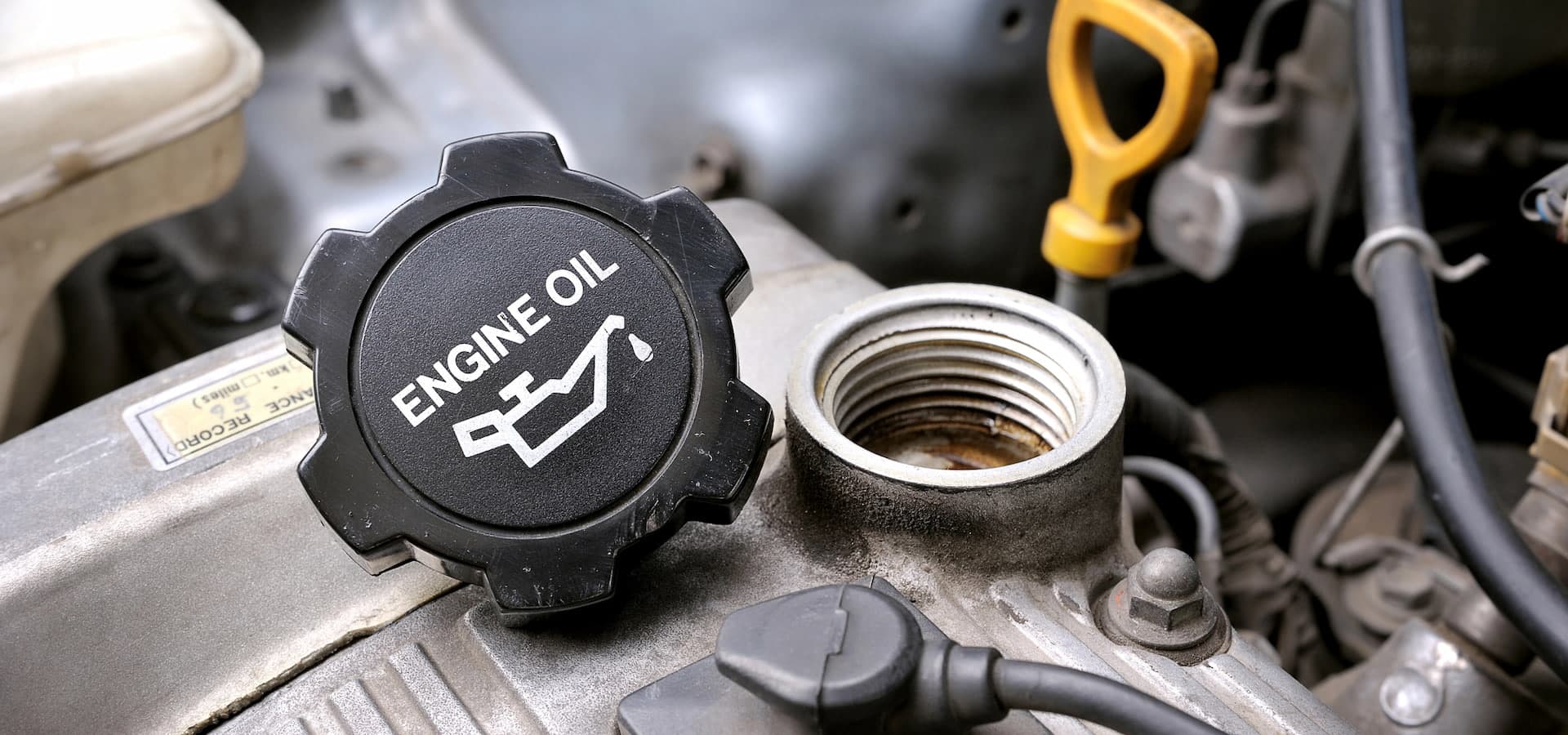
Dodge Oil Change at Elevation Auto Repair
An oil change sounds simple until it lands on a Dodge with a HEMI, a Pentastar V6, or the turbocharged 2.0L in the newer Hornet. Each engine family wants a specific viscosity, a specific filter, and a reset procedure that a quick-lube counter often skips.
The 5.7L and 6.4L HEMI engines run the MDS (Multi-Displacement System) and are sensitive to oil viscosity – running the wrong grade can trigger lifter tick and cam/lifter wear that Dodge owners know all too well. The 3.6L Pentastar (found across Charger, Challenger, Durango, and Grand Caravan) has its own quirks, including oil cooler housing seepage on early builds. We pull the correct fill spec, torque the drain plug and cartridge cap to factory values, and clear the oil life indicator through the proper menu instead of guessing.
Here is what you can expect when you bring your Dodge in:
- The exact OEM-spec synthetic oil and filter matched to your engine, not a one-size-fits-all fill
- A drain plug and filter housing torqued to spec to prevent leaks and stripped threads
- Oil life monitor reset and a quick under-car inspection for seepage or worn components
- Straightforward pricing and clear notes on anything we spot – no surprise add-ons
Symptoms – How to Know You Need This Service
Oil breaks down and drops below level between services, and your Dodge will usually tell you before things get expensive. Watch for these signs:
- The oil life percentage or "Oil Change Required" message shows on the driver information display
- A ticking or tapping at cold start on HEMI engines, often a sign of low or degraded oil around the lifters and MDS solenoids
- A burnt or acrid smell, sometimes with faint smoke, pointing to oil cooking on hot components
- Oil that looks gritty, black, or is well below the "safe" mark on the dipstick
- Rougher idle or noticeably weaker throttle response on the Pentastar V6
- Small drips or a film on your driveway, common with oil cooler and filter housing seepage
Schedule soon if you see the oil life message or dirty oil. Stop driving and call us right away if the red oil pressure light comes on or the ticking becomes loud and constant – running low on pressure can destroy bearings and camshafts fast.
Common Oil Change Issues on Dodge Vehicles
When your Dodge is due for an oil change, the details matter more than most quick-lube shops let on. Different engines carry different quirks, and getting them right the first time keeps the motor healthy.
- 5.7L and 6.4L HEMI (Ram 1500, Charger, Challenger, Durango): These engines take a large oil capacity and are sensitive to the correct viscosity. Running the wrong weight or stretching intervals contributes to the well-documented lifter and camshaft wear on MDS-equipped HEMIs, especially 2009-2019 models.
- 3.6L Pentastar V6 (2011-present Charger, Journey, Durango, Grand Caravan): Early Pentastars had cylinder head and oil-fouling issues, and clean, on-time oil changes with the correct spec help keep the variable valve timing solenoids and oil control valves working properly.
- 2.0L and 2.4L Tigershark (Dart, Dodge-branded compacts): Known for oil consumption tied to piston ring and PCV design. Skipping changes accelerates sludge and worsens the burn-off.
- EcoDiesel 3.0L V6 (Ram 1500): Requires diesel-specific low-ash oil and a dedicated filter. Using the wrong oil starves the emissions system and turbo of proper protection.
- Older 4.7L V8: Prone to sludge buildup when intervals slip, choking oil passages to the timing chain tensioners.
We match the exact factory viscosity and capacity for your VIN, so the engine gets what Dodge engineered it to run on.
Which Dodge Models We See for Oil Change
We service the full modern Dodge lineup and most of the older RWD platforms Denver drivers still rely on. Find your car below:
- Charger & Challenger (LX/LD/LA, 2006–2023) – 3.6L Pentastar V6, 5.7L/6.4L HEMI, and the supercharged 6.2L Hellcat, which uses its own fill capacity and spec
- Durango (WD, 2011–present) – Pentastar and HEMI variants, including the SRT/Hellcat with larger oil capacity
- Ram-based classics and older trucks – 5.7L HEMI and 5.9L applications we still see regularly
- Journey (2009–2020) – 2.4L Tigershark four-cylinder and 3.6L Pentastar V6
- Grand Caravan (RT, 2008–2020) – 3.6L Pentastar, a high-mileage workhorse in this area
- Hornet (2023–present) – turbocharged 2.0L and the PHEV R/T, which need careful attention to spec and service intervals
- Dart (PF, 2013–2016) – 1.4L turbo and 2.0L/2.4L Tigershark engines
The high-output SRT, Hellcat, and turbo applications call for specific oil grades and larger capacities, so we treat those differently from a base V6. If you drive an older discontinued model like the Nitro or Magnum, reach out – we can usually source the right filter and confirm the spec before you come in.
Causes & Risks – What Happens if Ignored
Colorado's altitude, temperature swings, and dusty summer roads all push oil to break down faster than the sticker suggests. Add stop-and-go Denver commuting or towing with a Ram, and oil life shortens further.
The most common culprits behind oil-related failures on Dodge platforms:
- Extended intervals that let oil shear down and lose viscosity, especially on HEMI and Pentastar engines.
- Wrong viscosity or non-spec oil defeating MDS solenoids and VVT actuators.
- Dusty, high-altitude driving accelerating contamination.
- Heavy towing and idling generating extra heat that cooks the oil.
Here is what tends to escalate when it gets ignored:
- Ignoring low or degraded oil on a HEMI for a few thousand miles often leads to collapsed lifters and a wiped camshaft lobe – a repair many times the cost of routine service.
- Sludge on Pentastar and 4.7L engines clogs oil passages, starving timing chain tensioners and VVT components.
- Oil-consumption engines like the Tigershark can run dangerously low between checks, risking bearing damage.
- EcoDiesel running the wrong oil damages the turbo and emissions hardware, turning a simple service into a major bill.
Catching it early keeps the fix small and the truck on the road.
Safety Impact – Why Oil Change Matters
Neglected oil does more than shorten engine life – it can leave you stranded or create a sudden failure at highway speed. When an engine loses oil pressure or overheats, the effects reach well beyond the motor.
- A seized or stalling engine kills power-assisted steering and braking, making the vehicle far harder to control.
- Loss of engine power on the highway can trip stability and traction control behavior and leave you unable to accelerate out of danger.
- Overheating from oil-starved bearings can crack components and cause a roadside breakdown in traffic.
Stop driving now if you see:
- The oil pressure warning light or a red engine-oil symbol.
- Ticking, knocking, or metallic rattling from the engine.
- Blue smoke, burning oil smell, or the engine temperature climbing.
Schedule soon if you notice: the oil-change reminder message, a slightly darkened dipstick, or a small drop in oil level between services. Documented, on-time maintenance also protects you – a known lubrication failure left unaddressed can complicate warranty and liability questions after an incident.
How Dodge Oil Change Actually Works
A Dodge oil change is more than draining and refilling. Modern Dodge engines rely on the oil to drive several electronic and mechanical systems, so the service has to respect the factory specifications tied to your specific engine.
On MDS-equipped HEMIs, oil pressure activates the lifter solenoids that deactivate cylinders for fuel economy. On Pentastar V6s, oil feeds the variable valve timing phasers and oil control valves. Get the viscosity or level wrong and those systems misbehave, throwing codes and hurting performance.
- VIN-matched oil spec: We confirm the exact viscosity and capacity Dodge calls for – wrong weight disrupts MDS and VVT operation.
- Oil life reset: Most newer Dodge models use an algorithm-based oil life monitor that must be reset through the correct dash or scan-tool procedure, not just cleared.
- Filter and drain specs: Cartridge-style filters on Pentastar and EcoDiesel engines have specific torque values and O-rings that need proper seating.
- EcoDiesel requirements: Diesel-rated low-ash oil and the correct filter protect the
How We Diagnose Oil Change Issues on Dodge
When your Dodge shows an oil pressure warning, ticking lifters, or an early oil-life reminder, we start by confirming what the vehicle is actually telling us before we drain a drop. Here's how the process runs on a Charger, Challenger, Durango, or Ram.
- Pull codes with a factory-capable scan tool that reads Dodge-specific PIDs – oil pressure sensor data, oil temperature, and cam/crank timing on the 3.6L Pentastar and 5.7L HEMI.
- Check the oil-life algorithm and reset status, since Pentastar V6 and HEMI V8 models use a calculated interval, not a fixed mileage.
- Perform a visual inspection for leaks at the oil filter housing – a known weak point on 2011+ 3.6L Pentastar engines where the plastic housing warps and seeps.
- Inspect the drain plug threads, gasket condition, and evidence of overfilling or wrong-viscosity oil.
- Measure oil pressure at the sender when readings look suspect, especially on higher-mileage HEMI engines with worn lifters or MDS solenoid concerns.
- Road test to listen for cold-start rattle, lifter tick, or timing chain noise that points to deeper wear.
Once we've combined scan data with hands-on checks, we translate the findings into a plain-language repair plan and an itemized quote – no guesswork, no surprise add-ons.
Oil Change on Dodge: Repair vs. Replacement
Most Dodge oil service is straightforward, but the right call depends on what the inspection turns up.
- Genuine repair: A routine drain-and-fill with a new OEM filter, plus a reseal of a weeping drain plug or a fresh crush washer – the engine and components are still fully serviceable.
- Partial replacement: Swapping the failure-prone plastic oil filter housing and cooler assembly on the 3.6L Pentastar when it seeps, while leaving the rest of the engine untouched.
- Full replacement or major work: When neglected intervals lead to sludge, collapsed lifters, or timing chain wear on a HEMI, addressing the cascading damage becomes the priority over another quick oil change.
We show you the worn parts, explain what's still healthy, and lay out your options side by side. The goal is matching the fix to the actual condition of your Dodge – not steering you toward the biggest ticket.
How to Make Your Dodge Oil Change Last Longer
Good habits stretch the life of your oil and the engine it protects. A few things you can do between visits:
- Let the engine warm up briefly before hard acceleration, especially in Denver's cold mornings, so oil reaches full flow.
- Avoid frequent short trips that never bring the oil to temperature and encourage moisture buildup.
- Ease off heavy towing or extended high-RPM runs on a Ram or Durango when the oil is near the end of its interval.
- Check the dipstick monthly and watch for the oil-change reminder and oil-pressure light.
- Listen for new ticking or rattle at cold start – catch lifter or chain issues early.
Brand-specific care matters here. Use the correct viscosity – typically 0W-20 for the 3.6L Pentastar and 5W-20 for many HEMI applications – and stick with an OEM MOPAR or equivalent filter. Following Dodge's calculated oil-life interval rather than guessing keeps protection consistent, and keeping powertrain software current helps the monitoring stay accurate.
Topping off oil and reading the dipstick are safe DIY tasks. Leave oil pressure diagnosis, filter housing replacement, and anything involving the timing or MDS system to the shop, where we can verify the fix with proper tooling and torque specs.
What to Expect When You Bring Your Dodge In
A dark, gritty dipstick reading or an oil life monitor flashing at 5% is your Dodge telling you it's time. Here's how we handle it from the moment you pull in.
- Drop-off or appointment: Schedule ahead or drop the keys in our after-hours box. Grab a shuttle ride or ask about a loaner so you're not stuck waiting.
- Initial inspection: We pull the dipstick, check for milky residue or fuel dilution common on Pentastar 3.6L V6 and Hemi 5.7L engines, and scan the oil life reset counter.
- Written estimate: You get the correct spec up front – 0W-20 for many late-model Pentastars, 5W-20 or 0W-40 on Hemi and Hellcat applications – plus filter and any leaks we spot.
- During the work: We text or call before adding anything beyond the agreed service. No surprise add-ons.
- Pickup walkthrough: We show you the old filter, torque specs used on the drain plug and cartridge housing, and answer questions.
Leave personal items in the vehicle if you like – we work around them. Before you leave, we perform a short road test and re-check for leaks and proper oil life reset. If anything feels off afterward, bring it back and we'll recheck it right away.
Why Choose Elevation Auto Repair for Dodge Oil Change
An oil change on a Dodge is simple until the details bite. We know the platform quirks that trip up quick-lube chains.
- Correct spec every time: We match viscosity and API rating to your engine – Pentastar 3.6L, Hemi 5.7L/6.4L, or supercharged 6.2L Hellcat – rather than pouring one-size-fits-all bulk oil.
- Oil life reset done right: We reset the algorithm-based monitor through the correct menu, and flag any pending TSBs or software updates affecting oil consumption on the 3.6L V6.
- Leak-prone areas checked: We inspect the cartridge filter housing, valve cover gaskets, and rear main seal areas known to seep on higher-mileage Dodge platforms.
We own the work end to end – inspection, service, and post-service verification – so you're dealing with the same shop that scanned your codes and put the oil in. That's the difference between a dealership alternative that communicates clearly and a shop that just spins a wrench.
Honest diagnostics, transparent pricing, and no unnecessary repairs keep your Dodge running longer and keep you coming back.
Our Dodge Services
- Air Conditioning AC Repair
- Battery Repair Replacement
- Brake Repair & Brake Fluid Change
- Check Engine Light Diagnostics
- Clutch Repair & Replacement
- Coolant Leak Repair
- Cooling System Repair
- Drive Shaft Repair
- Engine Repair
- Exhaust & Catalytic Converter Repair
- Head Gasket Repair & Replacement
- Oil Leak Repair
- Scheduled Service Maintenance
- Steering Repair
- Suspension Repair
- Cambelt Timing Belt Replacement
- Transmission Repair
- Tune Up
- Wheel Alignment