
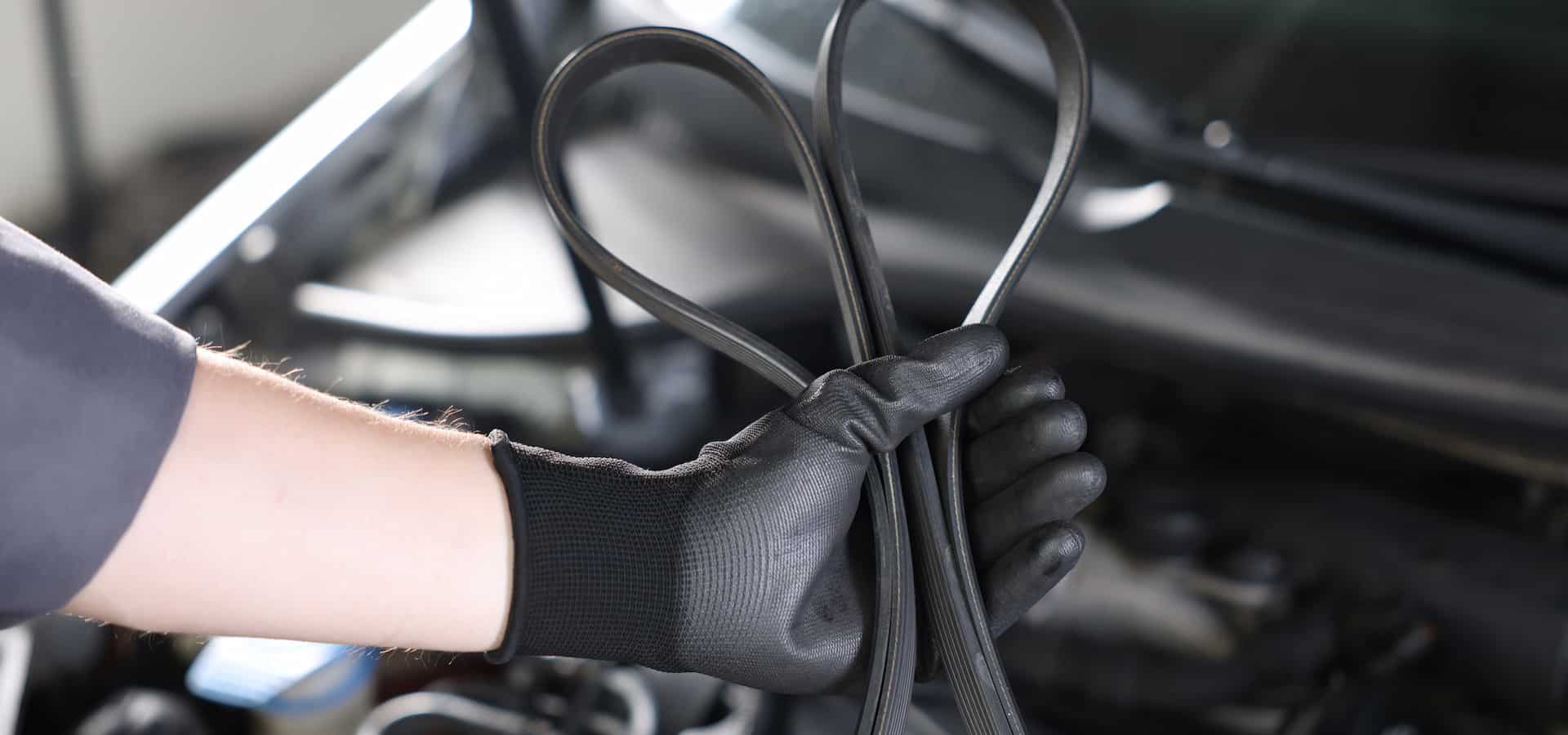
Dodge Cambelt Timing Belt Replacement at Elevation Auto Repair
Dodge's engine lineup has shifted between chains and belts across generations, which means timing service on these cars rewards a shop that knows exactly what's under the hood before touching a bolt. Older SOHC and DOHC V6 platforms and select four-cylinders run rubber timing belts on an interference layout, where a snapped belt lets valves meet pistons and turns a maintenance job into a rebuild.
Doing it right on a Dodge means more than swapping the belt. Water pumps on many of these engines are belt-driven and hidden behind the timing cover, so replacing the pump, tensioner, and idlers together is standard practice to avoid tearing the front of the engine apart twice. We follow OEM torque sequences for the crank bolt and cam sprockets, set tensioner deflection to spec, and verify cam-to-crank timing marks before the covers go back on.
Here's what you can expect when you bring your Dodge to us:
- Belt, tensioner, idlers, and water pump replaced as a complete kit
- Precise cam and crank timing verification against factory marks
- Fresh coolant and a pressure test after the pump is replaced
- Honest inspection of seals and mounts while the front cover is open
Symptoms – How to Know You Need This Service
Timing belts fail on mileage and age more than obvious warning signs, but a worn belt or failing water pump often gives you clues first. You may notice:
- A high-pitched squeal or chirping from the front of the engine, often loudest on cold start
- A rhythmic ticking or slapping that changes with engine speed
- Rough idle, hesitation, or a rough-running condition if the belt has jumped a tooth
- Coolant seeping from the timing cover area, pointing to a leaking belt-driven water pump
- Visible cracking, glazing, or missing teeth if you can peek at the belt
- A check engine light with camshaft or crankshaft correlation codes
- The engine cranking but refusing to start after a sharp snapping sound
Schedule soon if you hear squealing or spot a small coolant leak. Stop driving immediately if the engine dies suddenly, won't restart, or you hear a loud snap – continuing to crank an interference engine with a broken belt causes valve and piston damage. When you're unsure, we'll inspect it before the problem grows.
Common Cambelt Timing Belt Replacement Issues on Dodge Vehicles
Most modern Dodge engines run timing chains, but several belt-driven and interference-critical platforms still show up in our Denver bays. Knowing which Dodge you're driving changes the whole approach, and that's where brand-specific familiarity pays off.
- 2.5L/3.0L V6 (Mitsubishi 6G7-based) in older Dodge Stratus, Avenger, and Caravan – These are true rubber timing belts on an interference design. Belts that pass their service window commonly strip teeth or shear at the crank sprocket, and a snapped belt means bent valves.
- 2.7L LH-platform V6 (Intrepid, Stratus, Sebring) – A belt-driven cam setup with a notorious sludge-prone oiling system. Neglected oil changes accelerate tensioner and water pump wear that shortens belt life dramatically.
- Water pump wear on belt-driven Dodge V6s – On many of these platforms the water pump is driven by the timing belt. A seeping or wobbling pump takes the belt with it, so the two get serviced together as a matter of course.
- Tensioner and idler pulley failure – Hydraulic and spring tensioners lose tension with age and Colorado heat cycling, letting the belt skip teeth and throw off cam timing.
- Diesel Cummins-related timing components – The 5.9L and 6.7L use gear-driven timing rather than a belt, but customers often confuse belt service with the serpentine/accessory drive. We sort out which is actually due.
- Cracking and glazing from age, not miles – Belts in low-mileage Denver vehicles still dry-rot from altitude, UV, and temperature swings, failing well before a mileage-only estimate would predict.
Which Dodge Models We See for Cambelt Timing Belt Replacement
Belt-driven timing is most common on older Dodge cars and imports sold under the Dodge badge. Bring in your VIN and we'll confirm whether your engine runs a belt or a chain before quoting anything.
- Dodge Stratus / Avenger (2.5L / 2.7L V6): Interference belt setups where water pump replacement alongside the belt is strongly recommended
- Dodge Intrepid (2.7L V6): Timing belt service plus attention to the well-known cooling and sludge issues on these engines
- Dodge Caravan / Grand Caravan (3.0L Mitsubishi-sourced V6): Classic SOHC belt-driven design common on 1990s and early 2000s vans
- Dodge Colt / Stealth and Mitsubishi-based 4-cylinders: Rebadged platforms with interference belt engines
- Dodge Ram diesel and Hemi V8 owners: These use timing gears or chains, not belts – we'll steer you toward the correct service
Later Dodge models built on the 3.6L Pentastar V6, 5.7L / 6.4L Hemi, and most modern four-cylinders use timing chains rather than belts. If you have one of those and suspect a timing issue, we handle chain, guide, and tensioner work too – just tell us what you're driving and we'll point you to the right repair.
Causes & Risks – What Happens if Ignored
Timing belt trouble on a Dodge usually traces back to age, heat cycling, and deferred maintenance rather than a single dramatic event. Denver's dry air and elevation are hard on rubber, so belts here often degrade faster than the odometer suggests.
Waiting turns a planned replacement into a tow and a teardown. On interference engines like the 2.5L and 2.7L V6s, a belt that lets go while running drives pistons into open valves in an instant.
- A worn tensioner that's ignored for months lets the belt skip teeth, throwing off cam-to-crank timing and triggering rough running or a no-start.
- A weeping timing-belt-driven water pump left alone typically fails outright, dumping coolant and stranding the vehicle.
- Glazed or cracked belts that survive one more summer often shear during a hot restart, when tension and heat peak.
- A snapped belt on an interference V6 bends intake and exhaust valves, turning a routine belt-and-pump job into cylinder-head work.
- Contaminated oil on the 2.7L accelerates tensioner failure, compounding the risk if service is postponed.
The simple version: replace on schedule and it stays a maintenance item. Push past it and you're often paying for valves, guides, and machine work on top of the original belt.
Safety Impact – Why Cambelt Timing Belt Replacement Matters
A belt failure isn't just an engine problem – it's a sudden loss of power that puts you at risk in traffic. When a Dodge timing belt breaks, the engine stops immediately, and that cascades into other systems.
- Power steering assist drops the moment the engine dies, making the wheel heavy right when you need to steer to the shoulder.
- Power brake boost fades after the first pedal application once vacuum is gone, lengthening stopping distance.
- Stability control, ABS, and traction systems depend on a running engine and stable voltage; a stall can knock them offline.
- A stall in a merge, on I-70, or in an intersection creates a real collision hazard for you and everyone behind you.
Stop driving now if you hear a slapping or rattling from the front of the engine, notice ticking that changes with RPM, or the engine cranks but won't start after a rough-running spell. Schedule soon if you're near or past the belt's service interval, see coolant seepage near the timing cover, or the belt looks cracked on inspection. Addressing a known, age-related component before it fails also keeps you clear of the liability questions that follow a preventable breakdown.
How Dodge Cambelt Timing Belt Replacement Actually Works
The timing belt keeps the crankshaft and camshafts spinning in exact sync so valves open and close at the right moment relative to the pistons. On belt-driven Dodge V6s, that same belt often loops around the water pump, which is why the pump gets replaced at the same time – accessing it later would mean repeating most of the labor.
Dodge's implementation has quirks that separate correct work from a rushed swap. Getting the timing marks aligned and the components torqued to spec is what protects the engine after reassembly.
- Interference clearances on the 2.5L and 2.7L V6s leave zero margin – timing marks must line up exactly at TDC before the belt goes on.
- Tensioner setup follows a specific procedure; hydraulic tensioners need proper compression and pin removal in sequence, not eyeballing.
- Water pump and thermostat get evaluated together, since they share the same teardown and coolant path.
- Torque and fastener sequence on cam sprockets and crank bolts matter; over- or under-torque leads to slippage or breakage.
- <strong
Dodge timing systems run the gamut – from interference-design belts on older 2.5L and 3.0L V6 engines to the timing chains and phasers on modern Pentastar 3.6L and HEMI platforms. The 3.0L SOHC V6 shared across older Caravan, Dakota, and Ram applications is a true belt-driven interference engine, meaning a snapped belt bends valves. Knowing which Dodge platform sits in front of you changes the whole approach, and that specificity is why brand-aware service matters here.
How We Diagnose Cambelt Timing Belt Replacement Issues on Dodge
We start by confirming whether your Dodge actually uses a belt or a chain, then work through a structured inspection before recommending anything.
- Verify the platform and engine code – we confirm whether it's a belt-driven 3.0L V6, a chain-driven 3.6L Pentastar, or a HEMI so the correct procedure and interval apply.
- Scan with a Chrysler-capable tool – using wiTECH or an equivalent bidirectional scanner, we pull cam/crank correlation codes like P0016 through P0019 that flag timing drift, plus phaser and VVT faults on chain engines.
- Inspect the belt or chain physically – we check for glazing, cracked backing, missing teeth, oil contamination, and tensioner condition on belt cars; chain stretch and guide wear on Pentastar V6s.
- Check driven components – water pump play, idler and tensioner bearings, and cam/crank seals that often leak alongside the timing job.
- Road test and measure – we listen for rattle on cold start, watch for rough idle, and verify cam timing values match spec under load.
From there we build a clear, itemized repair plan and quote so you see exactly what needs attention and what can wait.
Cambelt Timing Belt Replacement on Dodge: Repair vs. Replacement
Not every timing concern means tearing the whole front of the engine apart. We match the fix to what the parts actually tell us.
- Genuine repair – on a chain-driven 3.6L Pentastar with a rattling cold start, sometimes an updated tensioner or oil control valve resolves the noise without a full chain job. Cleaning oil off a contaminated belt path and correcting the leak source can be the real fix.
- Partial replacement – replacing a failing tensioner or idler pulley while the belt still has life left, or swapping a single leaking cam seal, when the rest of the assembly measures within spec.
- Full replacement – on the interference 3.0L V6, once the belt hits its interval or shows any tooth wear, we replace the belt, tensioner, and water pump together. Cascading chain and guide wear on a high-mileage Pentastar also justifies the complete kit.
We walk you through each option with the parts in front of you, so the decision is yours – not a push toward the priciest line item.
How to Make Your Dodge Cambelt Timing Belt Replacement Last Longer
Good habits protect the fresh belt or chain and the parts turning alongside it.
- Let it warm up gently – a brief warm-up before hard acceleration protects tensioner bearings and lets oil reach chain guides, especially in cold Denver winters.
- Avoid lugging under load – towing or hauling in too high a gear stresses the timing drive; downshift and keep RPM reasonable.
- Listen and watch – a new cold-start rattle, rough idle, or a check engine light on a chain engine deserves prompt attention before phasers wear.
- Keep oil clean and correct – Pentastar and HEMI VVT systems depend on the right viscosity Mopar-spec oil and on-time changes; sludge is the enemy of chain longevity.
- Stay current on software – Dodge has issued PCM updates addressing cam timing and idle behavior; keeping calibrations current helps.
Safe DIY includes checking oil level, watching for leaks under the front cover, and noting new noises. Leave belt tension, chain service, and any timing-cover work to the shop – these are interference-engine, safety-critical jobs where a small error means bent valves. We're happy to inspect and keep your Dodge running reliably for the long haul.
What to Expect When You Bring Your Dodge In
Timing belt work on a Dodge demands attention to the specific engine under the hood – whether it's the interference-design 2.7L V6 in early LH-platform Intrepids or a 3.0L V6 diesel setup. Here's how a visit moves from start to finish:
- Appointment and drop-off – Schedule ahead or drop the vehicle off. We collect symptoms, mileage, and any history you have on the belt, tensioner, or water pump.
- Initial inspection – We verify VIN and engine code, inspect the belt for cracking, glazing, and tooth wear, and check the idlers, tensioner, and seals for oil weeping that would contaminate a fresh belt.
- Written estimate – You get an itemized breakdown covering the belt kit, tensioner, and whether the water pump should be bundled in since it's driven off the same belt on many Dodge V6s.
- Communication during the work – We call before adding anything. No surprise line items appear on your final bill.
- Pickup walkthrough – We show you the replaced parts and explain what was done.
Shuttle and loaner options are available – ask when you book. Remove valuables before drop-off, and after-hours pickup can be arranged. Every job finishes with a road test and a scan-tool re-check for stored codes. If anything feels off after you leave, bring it back and we'll re-inspect.
Why Choose Elevation Auto Repair for Dodge Cambelt Timing Belt Replacement
Getting the timing right on a Dodge interference engine leaves no room for guesswork. A tooth off on the 2.7L or 3.5L V6 means bent valves, so we set cam and crank timing to factory marks and confirm before anything goes back together.
- Engine-specific knowledge – We track Dodge TSBs and software updates that affect timing components, tensioner revisions, and known sludge-related seal failures on early 2.7L engines.
- Bundled wear items – We recommend replacing the water pump, tensioner, and idlers together since they share the same service interval and labor access.
- End-to-end ownership – The same shop diagnoses, performs the repair, and verifies it with a scan-tool check and road test.
As your Denver dealership alternative, we handle everything from the belt job to the cooling and drivetrain systems around it – one shop, honest diagnostics, and clear communication from estimate to pickup.
Our Dodge Services
- Air Conditioning AC Repair
- Battery Repair Replacement
- Brake Repair & Brake Fluid Change
- Check Engine Light Diagnostics
- Clutch Repair & Replacement
- Coolant Leak Repair
- Cooling System Repair
- Drive Shaft Repair
- Engine Repair
- Exhaust & Catalytic Converter Repair
- Head Gasket Repair & Replacement
- Oil Change
- Oil Leak Repair
- Scheduled Service Maintenance
- Steering Repair
- Suspension Repair
- Transmission Repair
- Tune Up
- Wheel Alignment