
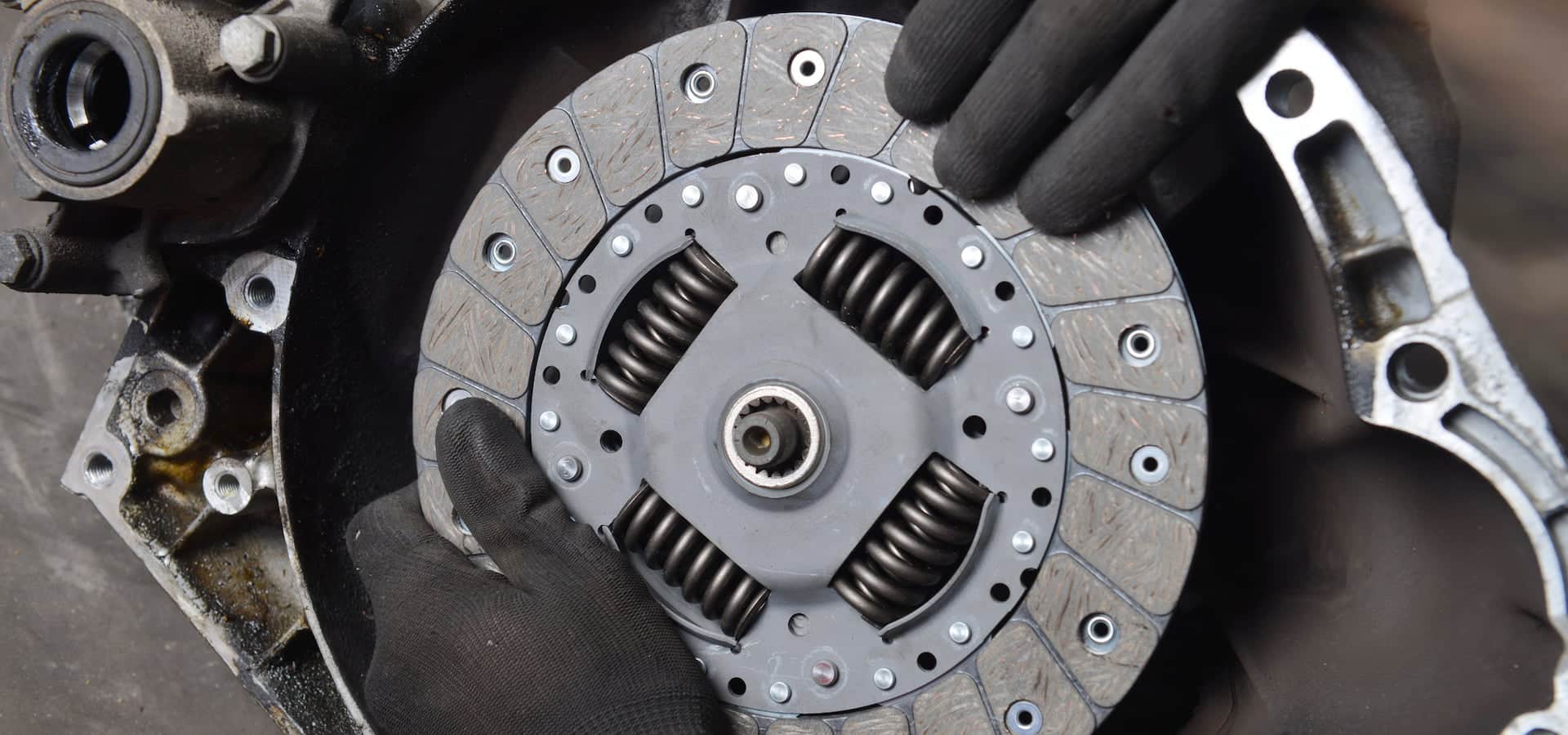
Hyundai Clutch Repair & Replacement at Elevation Auto Repair
A botched clutch job on a Hyundai often costs more than the original repair – warped flywheels, damaged input shaft splines, and misaligned release systems all trace back to shortcuts. Getting it right the first time protects the transmission and your wallet.
Clutch repair and replacement covers the friction disc, pressure plate, release (throwout) bearing, and often the flywheel and hydraulic components. On Hyundai manuals, this is rarely a straight swap. Many later models use a self-adjusting or hydraulic concentric slave cylinder (CSC) integrated into the bellhousing, and skipping that component during a clutch job is one of the most common comebacks we see.
Hyundai-specific factors change how we approach the work:
- Dual-mass flywheels on turbo Gamma and Theta engines must be measured for free play and runout – not reused blindly.
- Concentric slave cylinders and clutch line bleeding follow OEM sequences to avoid a soft or dragging pedal.
- Torque specs on pressure plate bolts and transaxle mounts are platform-specific and set with a calibrated wrench.
What you can expect from us:
- An honest inspection that confirms the clutch is the real problem before any parts come off.
- OEM or OEM-equivalent components matched to your engine and trim.
- Flywheel measurement and resurfacing or replacement as needed.
- Clear communication at every step, with no surprise add-ons.
Symptoms – How to Know You Need This Service
Clutch wear builds gradually, then fails quickly. Catching it early keeps you from being stranded and often saves the flywheel. You may notice:
- Slipping under load – engine RPM climbs but speed doesn't follow, especially uphill or during freeway merges on Denver's grades.
- A burning smell – an acrid, hot-friction odor after stop-and-go driving points to a slipping disc.
- Soft, sinking, or notchy pedal – often a failing concentric slave cylinder or master cylinder losing hydraulic pressure.
- Grinding or chatter when engaging gears, hinting at a worn disc or damaged flywheel.
- A rattle at idle that quiets when you press the pedal, a classic release bearing giveaway.
- Difficulty shifting into first or reverse when the clutch won't fully disengage.
- High or vague engagement point near the top of pedal travel.
Schedule soon if you notice slipping, odor, or shifting difficulty. Stop driving immediately if the pedal goes to the floor and stays there or if you lose the ability to select gears – continuing risks stranding you and damaging the transmission. A quick check now beats a tow later.
Common Clutch Repair & Replacement Issues on Hyundai Vehicles
A botched clutch job on a Hyundai gets expensive fast – a slipping disc left too long can score the flywheel, and a rushed hydraulic bleed leaves you stranded in Denver traffic. Here's what we actually see roll through the bay on manual-equipped Hyundais.
- Slave cylinder failure on 2007-2012 Elantra (HD) and Accent – the concentric slave cylinder integrated with the release bearing tends to weep fluid internally, giving a soft pedal that sinks to the floor with no visible leak.
- Clutch master cylinder seal wear on 2011-2016 Elantra (MD) and Veloster (FS) – aging internal seals cause inconsistent engagement and a pedal that won't return cleanly, often mistaken for disc wear.
- Premature disc glazing on turbocharged Veloster Turbo and Genesis Coupe (BK) 2.0T – higher torque loads and enthusiastic driving cook the friction material, especially on the 6-speed manual.
- Dual-mass flywheel wear on diesel and turbo platforms – rattling at idle and a shudder on takeoff point to a worn DMF, not just the disc.
- Release bearing noise on high-mileage Tucson and Sonata manuals – a chirp that changes with the pedal is the throwout bearing announcing itself.
- Pilot bearing seizure on older rear-drive Genesis Coupe – causes gear grind into first and reverse even with the clutch fully depressed.
Which Hyundai Models We See for Clutch Repair & Replacement
Manual-transmission Hyundais come through our bays regularly. Here's where this work typically applies:
- Elantra (2011–present, MD/AD/CN7) – Nu and Gamma 2.0/1.6 engines with common cable and hydraulic clutch setups.
- Elantra N and Veloster N (2019–present) – performance-oriented Theta II 2.0T variants with heavier-duty clutches and dual-mass flywheels that need careful measurement.
- Veloster / Veloster Turbo (2012–2022, FS/JS) – Gamma 1.6T applications where CSC replacement is strongly recommended during a clutch job.
- Accent (2006–2022, MC/RB/HC) – lightweight Alpha and Kappa engines, straightforward clutch work.
- Tiburon (2003–2008, GK) – 2.7L Delta V6 and 2.0L Beta manuals still on the road here.
- Genesis Coupe (2010–2016, BK) – 2.0T Theta and 3.8L Lambda six-speed manuals; these use robust clutches and dual-mass flywheels worth inspecting closely.
- Kona (2018–present, OS) – base 2.0 manual applications.
A few honest notes: most Hyundais sold in the last decade are automatics, dual-clutch (DCT), or CVT – those need different service, which we also handle. If your car has a wet or dry DCT rather than a true manual, tell us so we can route the diagnosis correctly. For manual clutch work across these platforms, we're glad to take a look and confirm exactly what your Hyundai needs.
Causes & Risks – What Happens if Ignored
Most Hyundai clutch problems trace back to normal friction wear accelerated by Denver's stop-and-go grades, aggressive launches, and the hydraulic system aging out on the earlier Elantra and Accent platforms. Heat is the enemy – riding the clutch on I-70 climbs glazes the disc quickly.
Waiting turns a straightforward disc-and-pressure-plate job into a much larger repair. A slipping clutch doesn't heal itself, and the damage spreads to parts that were perfectly fine a month earlier.
- Ignoring a slipping disc for a few weeks typically overheats and warps the flywheel, adding a resurface or replacement to the bill.
- A weeping concentric slave cylinder left unaddressed can starve hydraulic pressure until the clutch won't disengage at all – often at the worst possible moment.
- A rattling dual-mass flywheel ignored long enough can shed damper springs, damaging the input shaft seal and bellhousing.
- A dry, noisy release bearing that seizes can gouge the pressure plate fingers and transmission input shaft.
- Metal debris from a disintegrating disc contaminates the bellhousing and pilot bearing, turning a clean job into a teardown.
Safety Impact – Why Clutch Repair & Replacement Matters
A failing clutch isn't just an inconvenience – it directly affects your control of the vehicle. When a Hyundai clutch won't disengage cleanly, you can't downshift for engine braking on a grade, and a clutch that grabs unpredictably makes hill starts and merges hazardous.
On manual Hyundais, the clutch interlock switch also ties into the starting system, and a failing hydraulic circuit can leave you unable to shift into a safe gear in an emergency.
- Stop driving now: pedal goes to the floor and stays there, you can't select any gear, or you smell burning friction material with a sudden loss of drive.
- Schedule soon: mild slip under acceleration, occasional grind into first, a chirp from the bellhousing, or a pedal that feels notchy but still works.
Neglecting a known hydraulic or flywheel issue that later contributes to a stalled-in-traffic incident can also complicate liability. Addressing it early keeps you – and the drivers around you – out of that situation.
How Hyundai Clutch Repair & Replacement Actually Works
Your Hyundai's manual clutch uses a hydraulic circuit: pressing the pedal moves the master cylinder, which pushes fluid to the slave cylinder, releasing the pressure plate so the disc stops driving the input shaft. Many Hyundai platforms use a concentric slave cylinder that lives inside the bellhousing and doubles as the release bearing, which means transmission removal is required to service it – a design choice that rewards doing the whole job once, correctly.
We follow OEM procedures so the repair holds up rather than coming back in a few thousand miles.
- Concentric slave cylinders mean we replace the slave, bearing, and disc together while the transmission is out – piecemeal work here is false economy.
- Dual-mass flywheels get inspected for freeplay and runout against Hyundai spec rather than blindly reused.
- Torque and sequence specs for the pressure plate and bellhousing bolts are followed to protect the flywheel and input shaft alignment.
- Hydraulic bleeding is done to Hyundai's procedure so the pedal returns full engagement with no trapped air.
- Pilot and release bearings are checked and replaced as needed while access is open.
The result is a clutch that engages the way the factory intended, backed by honest diagnostics that skip the parts you don't need.
Get a clutch job wrong on a Hyundai and the bill compounds fast – a botched hydraulic bleed, an overlooked concentric slave cylinder, or the wrong flywheel spec turns a straightforward repair into a comeback that eats a full weekend. Hyundai's manual-transmission platforms, from the Elantra and Veloster N to older Accent and Tiburon models, each have quirks that reward technicians who follow OEM procedure instead of guessing. Here is how we approach the work.
How We Diagnose Clutch Repair & Replacement Issues on Hyundai
A clutch complaint on a Hyundai can mean a worn friction disc, a failing hydraulic circuit, or something as simple as an adjustment. We confirm the root cause before pulling the transmission.
- Interview the owner on symptoms – slipping under load, a high or soft pedal, shudder on takeoff, or grinding into gear.
- Run a scan with Hyundai-capable diagnostics (GDS-style tooling) to check for related codes, log clutch-switch inputs, and rule out start-inhibit or gear-position sensor faults on newer platforms.
- Road test to reproduce the concern – RPM flare in higher gears points to a slipping disc, while a pedal that won't return often signals a failing master or concentric slave cylinder.
- Inspect the hydraulic circuit for leaks at the master cylinder, lines, and the internal slave on Veloster, Elantra GT, and similar transaxle designs.
- Measure pedal free play and check the reservoir fluid condition for the dark, contaminated look that hints at internal seal wear.
- Visually inspect for oil contamination from a leaking rear main or input shaft seal that would ruin a fresh disc.
From there we translate findings into a clear plan and a written quote, so you know exactly which parts are worn and why before any work begins.
Clutch Repair & Replacement on Hyundai: Repair vs. Replacement
Not every clutch complaint means dropping the transaxle. We match the fix to the actual wear.
- Genuine repair: A soft pedal caused by a failed clutch master or slave cylinder, air in the hydraulics, or a simple linkage adjustment on cable-era Accent/Tiburon models – the friction disc may still have plenty of life.
- Partial replacement: When only the hydraulic hardware has failed but the disc, pressure plate, and flywheel measure within spec, we replace the failed component and bleed the system rather than sell a full kit.
- Full replacement: Slipping under load, glazed or oil-soaked friction material, a heat-scored flywheel, or worn release bearing usually means a complete clutch kit. On dual-mass flywheel applications, excessive rattle or rock justifies replacing the flywheel with the disc and pressure plate together.
Because the transaxle labor is the same whether you replace one part or the whole assembly, replacing worn components together often saves an owner from a second teardown. We lay out both paths, explain the trade-offs, and let you decide – never defaulting to the priciest option.
How to Make Your Hyundai Clutch Repair & Replacement Last Longer
A fresh clutch on a Hyundai can go the long haul with a few habits that keep heat and contamination in check.
- Keep your foot off the pedal at stops – riding the clutch or holding the car on a hill with the clutch wears the disc quickly.
- Avoid slipping the clutch to launch on inclines; use the handbrake to hold and release cleanly.
- Downshift smoothly and match revs rather than dumping the pedal, which spares the disc and the dual-mass flywheel.
- Watch your loads – towing or heavy cargo, common with Denver's mountain driving, adds strain on takeoff.
Owner-friendly maintenance you can handle safely:
- Check the clutch fluid reservoir level and color periodically – a dropping level points to a leak worth inspecting.
- Listen for new noises when depressing the pedal, which can flag release-bearing wear early.
- Keep up with Hyundai's service intervals and any software updates that affect drivability.
Use OEM-grade hydraulic fluid and clutch components where they matter – aftermarket kits vary widely in disc material and spring rates. Fluid checks and listening are fine at home; hydraulic bleeding, flywheel measurement, and clutch replacement belong in the shop, where the transaxle can be supported and torqued to spec safely.
What to Expect When You Bring Your Hyundai In
A botched clutch job on a Hyundai shows up fast – shuddering on takeoff, a pedal that grabs at the top of its travel, or a burnt smell after a hill climb. Hyundai's cable-free hydraulic clutch systems and the dual-mass flywheels on many Elantra, Veloster, and Tucson manuals leave little room for guesswork, so our process is built around getting it right the first time.
- Drop-off or appointment: Schedule ahead or leave the car with us. Clear personal items from the cabin and trunk; we log anything left behind.
- Initial inspection: We check clutch engagement, master and slave cylinder condition, and inspect for hydraulic leaks or a worn release bearing.
- Written estimate: You get a clear breakdown before any wrenches turn – flywheel resurfacing versus replacement, pilot bearing, and any related seals.
- During the work: We call or text with findings, especially if the flywheel or rear main seal needs attention while the transmission is out.
- Pickup walkthrough: We show you the old components and explain what we found.
Shuttle service and loaner arrangements help you stay mobile, and after-hours pickup is available when your schedule runs late. Before your Hyundai leaves, we road test for smooth engagement and run a scan-tool check for stored codes. If anything feels off afterward, bring it back and we'll re-verify.
Why Choose Elevation Auto Repair for Hyundai Clutch Repair & Replacement
Clutch work is where shortcuts hide. We own the job from diagnosis through post-repair verification so there's no finger-pointing later.
- Hyundai-specific knowledge: We track TSBs and software updates that affect clutch feel, including hydraulic bleed procedures and dual-mass flywheel tolerances on Elantra, Veloster N, and Accent manuals.
- Platform awareness: Familiarity with common release bearing noise, slave cylinder failures on Gamma and Nu engine cars, and flywheel wear patterns lets us catch related issues before they cost you a second visit.
- OEM-aligned procedures: We follow factory torque specs on pressure plate bolts and use the correct hydraulic fluid and bleed sequence rather than a one-size-fits-all approach.
As your Denver dealership alternative, we handle the whole repair under one roof – diagnosis, the clutch and flywheel replacement, seal work, and the final road test and scan-tool re-check. Honest diagnostics mean we won't recommend a flywheel you don't need, and clear communication keeps you in the loop at every step.
Our Hyundai Services
- Air Conditioning AC Repair
- Battery Repair Replacement
- Brake Repair & Brake Fluid Change
- Check Engine Light Diagnostics
- Coolant Leak Repair
- Cooling System Repair
- Drive Shaft Repair
- Engine Repair
- Exhaust & Catalytic Converter Repair
- Head Gasket Repair & Replacement
- Oil Change
- Oil Leak Repair
- Scheduled Service Maintenance
- Steering Repair
- Suspension Repair
- Cambelt Timing Belt Replacement
- Transmission Repair
- Tune Up
- Wheel Alignment