
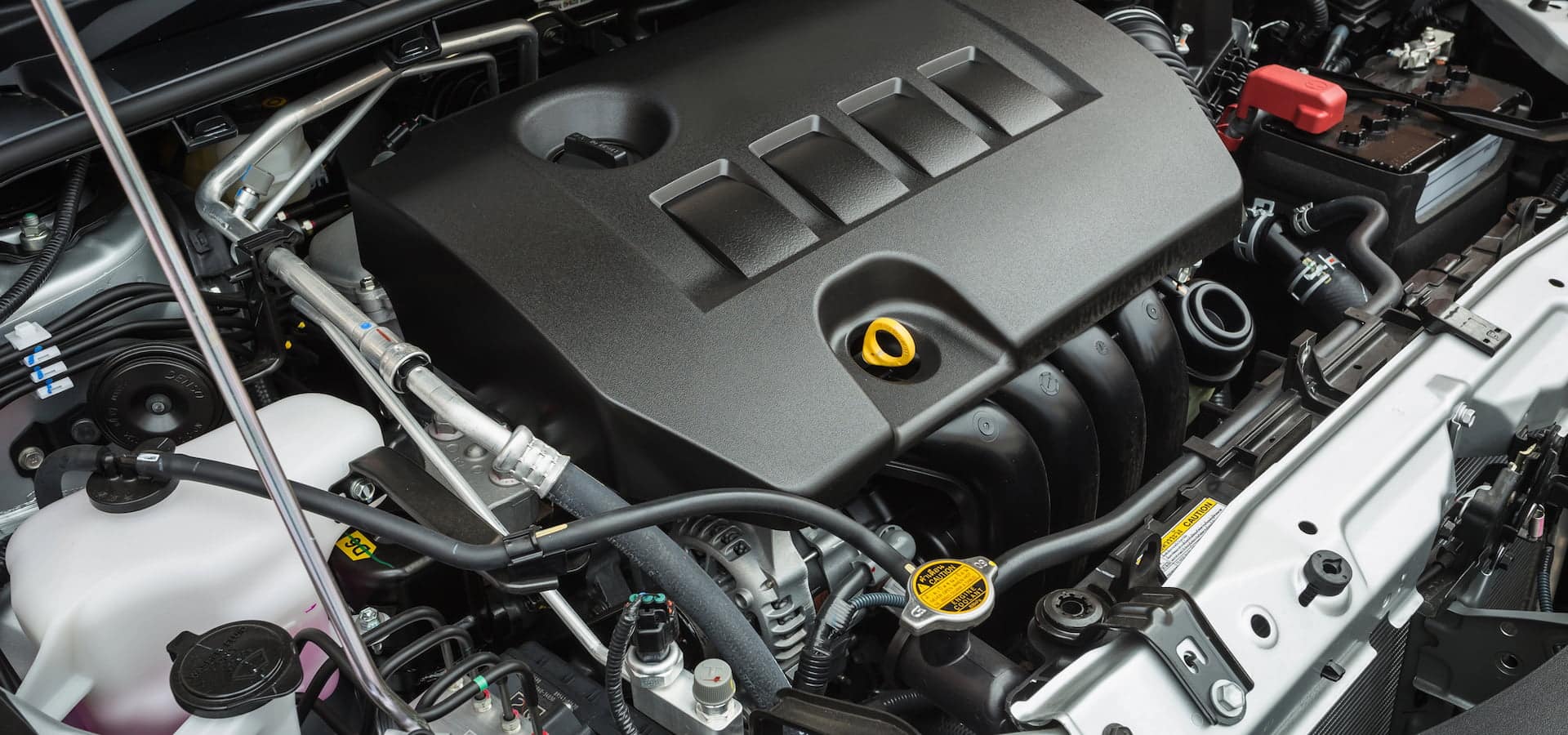
Honda Tune Up at Elevation Auto Repair
A customer rolled into our Denver shop last spring in a K24-powered Accord that stumbled at every stoplight. The previous shop had "tuned it up" with the wrong spark plugs and never checked the valve lash. That's the difference a Honda specialist makes.
A proper tune up on a Honda is more than plugs and a filter. Many Honda engines use iridium NGK plugs with specific heat ranges and precise gap specs, and getting the torque right on aluminum heads matters – overtightening strips threads fast. On the 1.5T earth-dreams engines, we also watch for the fuel-dilution behavior addressed by Honda software updates, and we verify whether your car needs an ECM reflash alongside the mechanical work.
Valve adjustments are non-negotiable on many Honda four-cylinders. The J-series V6 and K-series inline-fours have documented factory intervals and lash specs that generic shops routinely skip. We follow OEM procedures and reset service reminders correctly through the Maintenance Minder system.
Here's what you can expect:
- OEM-spec NGK/Denso iridium plugs gapped and torqued to Honda values
- Valve lash inspection and adjustment where the interval calls for it
- Available software/ECM update checks tied to your VIN
- Honest diagnostics with no unnecessary add-on repairs
Symptoms – How to Know You Need This Service
Your Honda usually tells you it's overdue before a warning light does. Pay attention to how it behaves on your daily Denver commute.
- You may notice rough idle or a shudder at stoplights, often a sign of worn plugs or misfire
- Hesitation or stumble on acceleration, especially climbing I-70 grades
- A ticking or tapping from the top of the engine – frequently valve lash out of spec on K-series and J-series motors
- Harder cold starts and reduced fuel economy creeping up over weeks
- A flashing check engine light – stop driving and schedule immediately, since an active misfire can damage the catalytic converter
- A steady (non-flashing) check engine light with codes like P0300–P0304 – schedule soon
- Fuel smell or oil-level rise on 1.5T engines, tied to fuel dilution
A single stored misfire code warrants a prompt visit. A flashing light means pull over and call us – continued driving risks expensive downstream damage.
Common Tune Up Issues on Honda Vehicles
Honda's engineering is famously durable, but every platform develops its own tune up patterns as miles add up. Here's what we see roll through the shop most often:
- Iridium plug wear on 2008-2012 Accord/CR-V (K24 engines): Honda spec'd long-life iridium plugs, and owners often push them well past their service window, causing misfires and rough cold starts.
- Carbon buildup on 2016+ Civic 1.5T (L15B7 turbo engines): Direct injection means no fuel washing the intake valves, so deposits build and cause hesitation and stumbling under load.
- VTC actuator rattle on 2007-2014 R-series and K-series engines: A brief cold-start rattle points to a worn variable timing control actuator, often exposed during a tune up inspection.
- Ignition coil failure on higher-mileage V6 J-series (Accord, Pilot, Odyssey): Individual coil-on-plug units break down, throwing cylinder-specific misfire codes like P0301-P0306.
- Clogged PCV and dirty throttle body on 9th-gen Civic (2012-2015): Gummed passages cause unstable idle and a lit VSA light until cleaned and reset.
- Aged fuel and air filters across CVT-equipped models: Restricted airflow shows up as sluggish throttle response and reduced fuel economy.
Each of these is tied to how Honda builds its engines, not generic wear – which is why a real tune up starts with knowing the platform.
Which Honda Models We See for Tune Up
We service the full modern Honda lineup and most older platforms Denver drivers still rely on. Find your car below:
- Accord – 2003–2017 K24 four-cylinders and J-series V6s, plus 2018+ 1.5T and 2.0T CR-V-shared engines
- Civic – 2006–2015 R18/K20, 2016+ FC/FK 1.5T and 2.0T, including Si and Type R (FK8/FL5) variants that need careful plug and boost-system attention
- CR-V – 2007–2014 K24, 2015+ 2.4L direct-injection, and 2017+ 1.5T with fuel-dilution software history
- Pilot / Odyssey / Ridgeline – J35 V6 with cylinder deactivation (VCM); valve adjustment and plug access differ front to rear bank
- Fit – L15 engines, 2007–2020
- Element, older Accord/Civic – earlier D-series and F-series motors still welcome
Performance variants like the Si and Type R get extra care around ignition and boost components. We're comfortable with manual and CVT-equipped cars alike. If you have a hybrid Accord or Insight with an unusual service need, call first – some tune-up steps differ on those Atkinson-cycle powertrains, and we'll tell you honestly what applies to your VIN.
A customer brought in a 2013 Accord recently complaining about a rough idle and a check engine light that flickered on cold mornings. He assumed he needed a new engine. What he actually needed was a proper tune up – fresh iridium plugs, a cleaned throttle body, and a software check. That story plays out weekly, and it's exactly why we treat Honda tune ups as more than a plug swap.
Causes & Risks – What Happens if Ignored
Denver's altitude, temperature swings, and dusty summer air accelerate several of these problems. Thin high-altitude air stresses ignition components, and stop-and-go city driving speeds up carbon and PCV fouling on turbo Civics.
Waiting turns a routine service into a repair bill. A single worn plug misfiring on a 1.5T sends unburned fuel into the catalytic converter, and that's a far more expensive part than a set of plugs.
- Ignoring a cold-start misfire for months often burns through the catalytic converter, turning a plug job into converter replacement.
- Neglected VTC actuator rattle can progress to timing chain guide wear and larger top-end damage.
- Deferred throttle body and PCV cleaning on turbo engines leads to persistent hesitation and eventually carbon-related valve issues.
- Old coils left in service overheat neighboring coils, so one failure cascades into several.
- A restricted air filter forces the CVT and engine to work harder, dragging down fuel economy and long-term reliability.
The safety side matters too – a misfiring engine that surges or stalls at a Denver intersection puts you at real risk. We'd rather catch it early and keep you moving.
Safety Impact – Why Tune Up Matters
A neglected tune up reaches well beyond the engine bay. When misfires and idle instability set in, several safety systems react in ways that surprise drivers.
- Stalling and surging can rob you of power brake assist and steering feel at low speed.
- Rough running triggers VSA/traction control faults on many Hondas, disabling stability aids exactly when you need them.
- Hesitation during merging or highway on-ramps leaves you unable to accelerate out of danger.
Know when to act:
- Stop driving now: flashing check engine light, strong fuel smell, or repeated stalling – these signal active misfire and converter damage.
- Schedule soon: steady check engine light, mild rough idle, or slipping fuel economy.
There's also a liability angle. If a known, ignored fault contributes to a collision, that documented neglect can complicate an insurance claim. Keeping tune up service current protects both your safety and your paperwork.
How Honda Tune Up Actually Works
A modern Honda tune up is coordinated across the ignition, fuel, and engine management systems rather than a simple parts swap. The ECU constantly reads crankshaft position, knock sensors, and air-fuel data, so fresh plugs and clean airflow directly affect how the computer tunes timing and fueling.
Honda's implementation has quirks that change how the job is done properly:
- i-VTEC and VTC timing systems depend on correct ignition and clean oil passages – worn plugs skew the ECU's timing strategy.
- Direct-injection 1.5T and 2.0T engines need intake-side attention that port-injected engines don't.
- Torque and gap specs are model-specific – overtightening iridium plugs into aluminum heads risks thread damage, so a torque wrench and Honda's sequence matter.
- OEM-level scan tools let us clear adaptations and confirm the ECU relearns idle and fuel trims after service.
Following the right specs and doing a proper relearn is what separates a lasting repair from a quick fix. Our technicians handle everything from routine plugs to complex drivability diagnostics under one roof, so your Honda leaves running the
A customer brought in a ninth-gen Civic complaining it stumbled at cold start and felt sluggish merging onto I-25. He'd already thrown parts at it – new plugs, a fresh air filter – but the rough idle stayed. That's the kind of problem a real tune up diagnosis solves: not guessing, but reading what the Honda is actually telling you.
How We Diagnose Tune Up Issues on Honda
A proper Honda tune up starts with data, not assumptions. Here's how we work through it:
- Full scan with a Honda-capable scan tool – we pull freeze-frame data, misfire counts by cylinder, fuel trims (short and long term), and any pending codes the dash light won't show yet. Honda's ECU logs specific misfire history that points straight to a weak coil or fouled plug.
- Review software and TSBs – many drivability complaints on 2006-2011 Civics and 2008-2012 Accords trace to ECU calibration updates or known service bulletins rather than hardware. We check for applicable reflashes.
- Visual inspection – we look at plug condition, coil boots for arcing, the PCV valve, vacuum lines, and the throttle body for carbon on direct-injected Earth Dreams engines.
- Measurement – fuel pressure, coil resistance, and idle air control behavior get verified against Honda spec.
- Road test – we confirm the complaint under load, watching live fuel trims and VTEC engagement to catch what a static test misses.
Once we know the root cause, you get a clear written plan and quote – no surprise add-ons, just the work that fixes the problem.
Tune Up on Honda: Repair vs. Replacement
Not every tune up means replacing everything. We match the fix to what the parts actually need.
- Genuine repair – cleaning a carboned throttle body, replacing a single failed ignition coil, adjusting valve lash on older K-series and D-series engines, or a PCV valve swap. The rest of the system stays.
- Partial replacement – worn iridium plugs at their interval get replaced as a set, but healthy coils stay put. On a high-mileage Accord, we might replace one leaking coil boot without touching the pack.
- Full replacement – when wear cascades: fouled plugs that damaged coils, or an ignition system where repair cost creeps toward the price of doing it all correctly once. Safety and reliability win here.
We walk you through each option with the reasoning behind it, so you decide based on your Honda's condition and how long you plan to keep it – not on padding a ticket.
How to Make Your Honda Tune Up Last Longer
A tune up holds up longer when driving habits and upkeep support it.
- Let it warm briefly in Denver's cold mornings before hard acceleration – cold-start enrichment fouls plugs faster when you floor it immediately.
- Avoid short trips only when possible; repeated short runs never fully burn off moisture and fuel deposits.
- Watch for changes – rough idle, hesitation, or a returning check engine light means catch it early.
Owner-friendly maintenance you can handle:
- Check the air filter and swap it at Honda's interval.
- Monitor dash lights and note any new sounds at idle.
- Keep up with oil changes using the correct grade – clean oil protects the PCV and combustion side.
Brand-specific care that matters: use NGK or Denso iridium plugs to Honda spec, stick to genuine Honda coils where reliability counts, keep the ECU software current, and follow the Maintenance Minder intervals rather than guessing. Plug and filter changes are fine to DIY on many Honda engines. Leave coil diagnosis, valve adjustment, and anything touching fuel delivery to the shop – guessing there costs more than it saves.
What to Expect When You Bring Your Honda In
A customer rolled in last spring with a 2010 Accord that stumbled at cold start and threw a rough idle after the timing belt job at another shop. A proper tune up caught a mistimed cam and worn iridium plugs the previous shop never touched. Here's how the visit works:
- Drop-off or appointment – Schedule ahead or leave the keys in our secure box for early drop. Grab valuables from the console; we'll note anything left behind.
- Initial inspection – We pull codes with factory-level scan tools, check plug condition, inspect the coil packs, PCV, and fuel trims before recommending anything.
- Written estimate – You get a line-item breakdown with photos. Nothing gets replaced without your approval.
- The work – We keep you updated by text or call, and flag anything we find mid-service, like a leaking VTC actuator on R-series engines.
- Pickup walkthrough – We show you the old parts, explain what changed, and answer questions.
Need a ride? Shuttle service and loaner options are available, plus after-hours pickup so your schedule stays intact. Before your Honda leaves, we run a road test and re-scan to confirm clean fuel trims and no returning codes. If anything feels off afterward, bring it back and we'll recheck it – no runaround.
Why Choose Elevation Auto Repair for Honda Tune Up
A Honda tune up is more than swapping plugs. On K-series and R-series engines, gap and torque specs on iridium plugs matter, and mismatched coils cause the misfires people chase for months.
- Brand-specific knowledge – We track Honda TSBs and reflash notices, including known idle and VTC rattle updates on 2008–2012 Accord and CR-V engines, plus carbon and injector concerns on Earth Dreams direct-injection motors.
- Right parts, right specs – OEM-grade plugs, denso/NGK matched to your engine, and correct valve-lash checks on engines that call for manual adjustment rather than hydraulic lifters.
- End-to-end ownership – Diagnosis, repair, and post-repair verification happen under one roof, so nothing gets handed off or missed.
You get honest diagnostics without padded repairs, and a Denver dealership alternative that treats your Honda's long-term reliability as the goal – not just today's ticket.
Our Honda Services
- Air Conditioning AC Repair
- Battery Repair Replacement
- Brake Repair & Brake Fluid Change
- Check Engine Light Diagnostics
- Clutch Repair & Replacement
- Coolant Leak Repair
- Cooling System Repair
- Drive Shaft Repair
- Engine Repair
- Exhaust & Catalytic Converter Repair
- Head Gasket Repair & Replacement
- Oil Change
- Oil Leak Repair
- Scheduled Service Maintenance
- Steering Repair
- Suspension Repair
- Cambelt Timing Belt Replacement
- Transmission Repair
- Wheel Alignment