
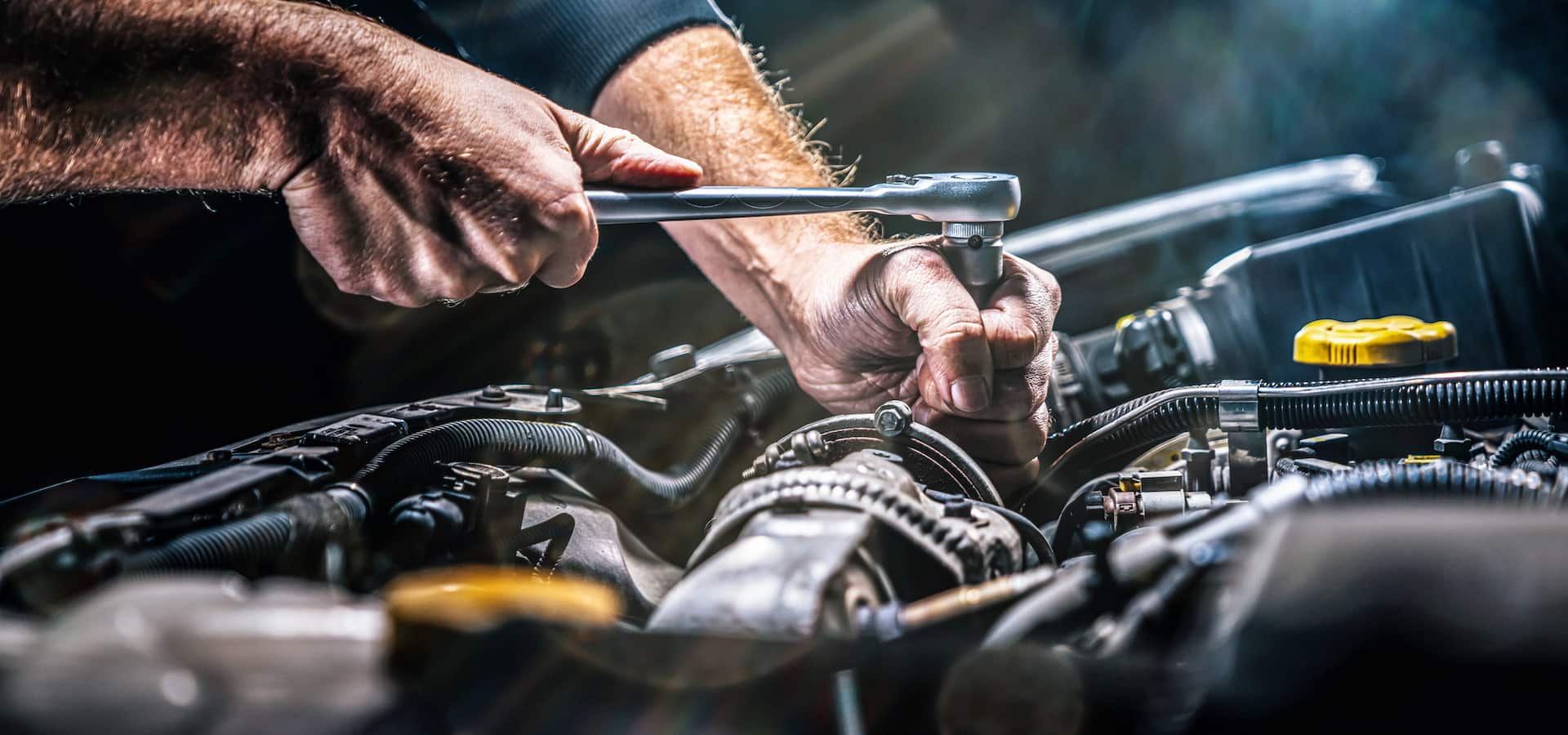
Honda Head Gasket Repair & Replacement at Elevation Auto Repair
Honda engines are built to run past 200,000 miles, but head gaskets still fail – and when they do, the way the repair is done determines whether you get another decade or another headache. A head gasket seals combustion, coolant, and oil passages between the cylinder head and block, so precision matters more here than almost any other job.
Honda platforms bring their own quirks that a general shop often overlooks. The J-series V6 (found in Accords, Pilots, and Odysseys) needs both banks addressed and the timing belt serviced during teardown, while the K24 and R-series four-cylinders demand correct head bolt sequencing and stretch-bolt replacement rather than reuse. We follow OEM torque specs, torque-to-yield fastener guidance, and Honda's coolant type (Type 2 blue) to avoid electrolysis and future leaks. Every head is checked for flatness and, when needed, machined before reassembly.
Here at our Denver shop, altitude affects cooling system margins, so we test thoroughly before returning your Honda to the road.
- Honest diagnosis that confirms a head gasket failure before any teardown begins
- OEM or OEM-equivalent gaskets, stretch bolts, and correct Honda coolant
- Machined and pressure-tested cylinder head when warranted
- Transparent pricing and clear updates at every stage of the repair
Symptoms – How to Know You Need This Service
Head gasket trouble rarely appears all at once. You may notice small warning signs weeks before a bigger failure, and catching them early saves the engine.
- White, sweet-smelling exhaust smoke that lingers after warm-up – a sign coolant is entering the cylinders
- Coolant disappearing with no visible leak under the car
- Milky, tan residue on the oil cap or dipstick, indicating coolant and oil mixing
- Overheating on hills or in traffic, or a temperature gauge that climbs unexpectedly
- Bubbling in the coolant reservoir or radiator from combustion gases pushing into the cooling system
- Rough idle, misfires, or a persistent check engine light with misfire codes
- Loss of power and white steam from the tailpipe under load
Stop driving immediately if the engine is overheating, you see steam from under the hood, or oil looks milky – continued driving can warp the head or crack the block. Symptoms like slowly dropping coolant or occasional rough idle mean you should schedule a visit soon before the damage spreads.
Common Head Gasket Repair & Replacement Issues on Honda Vehicles
Head gasket trouble on Hondas tends to follow predictable patterns tied to specific engine families. Here's what we see roll through the shop most often:
- J-series V6 (Accord, Odyssey, Pilot, Ridgeline) – The 3.0L, 3.5L, and 3.7L V6s develop head gasket seepage as the rear bank heats up, often showing external coolant weeping near the block-to-head seam before any overheating appears.
- K24/K20 four-cylinders (2003+ Accord, CR-V, Civic Si, Element) – Generally robust, but chronic overheating from a failed radiator or thermostat warps the aluminum head and compromises the multi-layer steel (MLS) gasket.
- Early D-series and B-series engines – Higher-mileage Civics and Integras commonly see combustion gases pushed into the cooling system, producing bubbling in the coolant reservoir and overheating.
- H22/F-series (Prelude, older Accord) – Aluminum head and iron block combinations react differently to heat, and repeated hot-cold cycling stresses the gasket over time.
- Any Honda run low on coolant – Honda's tight cooling tolerances mean a single serious overheat can crack a head or blow the gasket, regardless of engine family.
- Cracked or clogged radiators – The plastic end tanks on many 2000s-era Hondas fail and starve the engine of coolant, taking the head gasket with them.
Which Honda Models We See for Head Gasket Repair & Replacement
We work on the full range of modern Honda and Acura platforms. Use the list below to find your engine and generation.
- Accord – K24 four-cylinder and J-series V6 models, roughly 2003–2017; V6 jobs include timing belt service
- Civic – D-series, K20, and later 1.5T (L15) turbo engines across 2001–present
- CR-V – K24 (2002–2014) and 1.5T (2015–present); the turbo engines get extra scrutiny for oil dilution
- Pilot / Ridgeline / Odyssey – J35 V6 platforms, 2005–present, where both cylinder heads and VCM components are inspected
- Acura TL / TSX / MDX / RDX – J-series V6 and K-series four-cylinder variants
- Element and Fit – K24 and L15 engines respectively
Turbocharged L15 platforms and the earlier 1990s D16/B-series engines have their own service nuances, and we handle both. If you drive a very early or heavily modified Honda, call first so we can confirm parts availability before scheduling. We'll always tell you honestly whether the repair makes sense for your car's condition and value.
Honda engines are known for going the distance, but the head gasket is one area where age, heat cycling, and specific engine designs catch up with even the most reliable platforms. Denver's altitude and temperature swings put extra stress on cooling systems, and a small coolant leak here climbs to a big problem fast. We diagnose the real cause first, then give you a straight answer on what your Honda needs.
Causes & Risks – What Happens if Ignored
Most Honda head gasket failures trace back to a cooling system issue that went unaddressed – a leaking radiator, a stuck thermostat, a failing water pump, or coolant that was never flushed. Denver's dry heat and elevation only accelerate the cooling load. Once the aluminum head overheats even once, the gasket's ability to seal combustion pressure and coolant passages breaks down.
Waiting turns a manageable repair into an engine-out job. A little white exhaust smoke this month can mean a hydrolocked or warped engine next month.
- Ignoring coolant loss for weeks leads to repeated overheating, which warps the cylinder head beyond a simple resurface.
- Combustion gases entering the cooling system push coolant out, causing a runaway overheat cycle that can crack the block.
- Coolant seeping into oil turns your lubrication into a milky sludge, destroying bearings and the oil pump.
- Continued driving with a failed gasket risks hydrolock, where coolant fills a cylinder and bends connecting rods.
- A repair that starts as a gasket and head resurface can grow into a full rebuild or engine replacement if left too long.
Safety Impact – Why Head Gasket Repair & Replacement Matters
A failing head gasket is not just an engine problem – it affects how safely you can operate the vehicle. Sudden overheating can trigger limp mode or a stall in traffic, and coolant on the exhaust creates steam that blocks your view.
- Stop driving now: temperature gauge in the red, steam from under the hood, sweet-smelling smoke, or a sudden loss of power.
- Schedule soon: slow coolant loss with no visible leak, faint white exhaust at startup, or bubbling in the overflow tank.
An engine that overheats and stalls unexpectedly can leave you stranded in a live lane, and a slick of coolant under the tires reduces traction. On newer Hondas, an engine that drops into failsafe mode also limits throttle response, which matters when merging or climbing I-70. Addressing the gasket early keeps the car predictable and keeps you out of an avoidable roadside situation.
How Honda Head Gasket Repair & Replacement Actually Works
The head gasket sits between the cylinder head and engine block, sealing combustion pressure while keeping coolant and oil in their separate passages. On Hondas, the aluminum head and precise cooling design mean the repair has to follow Honda's exact procedures – there's little room for shortcuts.
We remove the head, inspect and resurface it if it's within spec, replace the OEM multi-layer steel gasket, and reassemble to Honda's torque sequence and fluid specifications.
- MLS gasket design – Honda's multi-layer steel gaskets require a flat, clean sealing surface, so we check the head for warp with a straightedge and feeler gauge.
- Torque-to-angle head bolts – Many Honda engines use torque-plus-angle sequences, and the bolts are often single-use, so we replace them per OEM guidance.
- Timing belt or chain – Interference-engine Hondas require exact timing alignment on reassembly; getting it wrong bends valves.
- Proper coolant fill – Honda cooling systems trap air easily, so we bleed the system correctly to prevent a repeat overheat.
- VTEC and sensor checks – We verify oil control and temperature sensors are functioning before returning the car.
Every step gets clear communication and honest pricing, so you know exactly what your Honda needs and what it doesn't. Bring it to Elevation
Honda engines have a reputation for reliability, but head gasket problems still show up across the lineup – especially on the J-series V6 found in Accord, Pilot, Odyssey, and Ridgeline models, where owners sometimes notice coolant loss without an obvious external leak. Older K24 and F-series four-cylinders can develop gasket seepage as they age, and the earlier VTEC platforms are known for cooling system quirks that stress the gasket over time. Getting the diagnosis right on a Honda takes more than swapping parts and hoping – it takes a shop that knows where these engines actually fail.
How We Diagnose Head Gasket Repair & Replacement Issues on Honda
A blown head gasket can mimic other cooling and combustion problems, so we confirm the failure before recommending any teardown.
- Scan and data review: We connect a scan tool compatible with Honda's HDS protocol to pull stored and pending codes, live coolant temp, misfire counts, and fuel trims that hint at coolant intrusion.
- Cooling system pressure test: We pressurize the system to watch for pressure drop and locate external seepage around the head-to-block mating surface.
- Combustion leak (block) test: A chemical test on the coolant detects exhaust gases in the cooling system – a reliable indicator of a breached gasket.
- Cylinder compression and leak-down: These measurements reveal cylinder-to-cylinder loss and whether coolant or oil passages are compromised.
- Visual and road test: We inspect for white exhaust smoke, milky oil on the dipstick and cap, overheating under load, and coolant in the overflow after a controlled drive.
Once we know the extent of the damage, we translate the findings into a plain-language repair plan and an upfront quote – no surprises, and no work approved without your say-so.
Head Gasket Repair & Replacement on Honda: Repair vs. Replacement
Not every Honda that leaks coolant needs a full engine teardown, and we're clear about which path fits your situation.
- True minor repair: Early seepage tied to a failing radiator cap, degraded coolant, or a loose fitting may resolve with cooling system service rather than gasket replacement.
- Partial replacement: If the head gasket is breached but the head and block check out flat within Honda's warp tolerance, we replace the gasket, hardware, and related seals while reusing the sound components.
- Full replacement or machining: When a J-series or K-series head shows warping, cracking, or the block has scoring, machining or a rebuilt head becomes the responsible call – particularly if overheating went unchecked and caused cascading damage.
When repair costs climb toward the value of a rebuilt long block, we lay out both numbers so you can decide. We walk you through the trade-offs and never default to the most expensive option to pad the ticket.
How to Make Your Honda Head Gasket Repair & Replacement Last Longer
A properly done gasket job holds up for years when the cooling system is treated well afterward.
- Driving habits: Let the engine warm before hard acceleration, avoid towing near capacity in Denver's summer heat, and address any temperature climb immediately rather than pushing on.
- Owner-friendly checks: Watch the coolant level in the overflow, inspect the oil cap for milky residue, listen for a whirring water pump, and act on any dashboard temperature or check-engine warning right away.
- Brand-specific care: Use Honda Type 2 coolant – not a universal blend – because mixing chemistries accelerates corrosion in aluminum heads. Stick to OEM gaskets and torque-to-yield bolts, and keep the powertrain software current so temperature and fan control operate as designed.
Topping off coolant, checking fluid condition, and monitoring gauges are all safe DIY tasks. Anything involving pressure testing, torque sequences, or head removal should stay with the shop – get those wrong on a Honda aluminum head and you invite a repeat failure. Sticking to Honda's service intervals for coolant changes is the single best move for protecting the repair long-term.
Honda engines earn their reputation for longevity, but head gasket work on them rewards technicians who know the platform. The J-series V6 in the Pilot, Odyssey, and Ridgeline runs hot when the cooling system falls behind, and the K-series four-cylinder in the Accord and CR-V can develop coolant intrusion after overheating events. Aluminum heads on iron or aluminum blocks demand exact torque sequences and clean, straight mating surfaces – shortcuts here lead to repeat failures. That platform knowledge shapes how we approach every Honda that comes through the door.
What to Expect When You Bring Your Honda In
We keep the process clear from the first phone call to the moment you drive away. Here is how a head gasket visit moves through our shop:
- Drop-off or appointment – Schedule ahead or leave the vehicle with us. Shuttle and loaner options are available so you stay mobile while we work.
- Initial inspection – We confirm the diagnosis with a block test for combustion gases in the coolant, cooling-system pressure checks, and a scan-tool review for stored codes and misfire data.
- Written estimate – You receive an itemized breakdown covering gasket set, head resurfacing if needed, coolant, and any related components before we touch a bolt.
- Communication during the work – We call or text with updates, and we contact you before adding anything not on the original estimate. No surprises.
- Pickup walkthrough – We explain what we found, show worn parts, and cover what to watch for going forward.
Clear out personal items before drop-off, and ask about after-hours pickup if your schedule runs tight. Every Honda gets a road test and a post-repair scan-tool re-check to confirm no lingering codes or temperature issues. If something feels off after you leave, call us and we will get it back on the lift promptly.
Why Choose Elevation Auto Repair for Honda Head Gasket Repair & Replacement
Head gasket failure often signals an underlying cause, and we trace it rather than just replacing the part. On J-series V6 Hondas we inspect for warped heads from overheating; on K-series fours we check for coolant loss that damaged the gasket in the first place.
- Honda-specific procedures – We follow factory torque sequences and angle-torque specs, resurface heads to spec, and reference applicable Honda TSBs and cooling-system updates.
- Root-cause diagnosis – We identify what caused the failure, whether a failed radiator fan, a clogged radiator, or a leaking water pump, so the repair holds.
- End-to-end ownership – The same shop that diagnoses your Honda performs the repair and verifies it, with a scan-tool re-check and road test before pickup.
As your Denver dealership alternative, we pair this depth with transparent pricing and honest recommendations. If your Honda does not need a related repair, we will tell you – and we handle everything from the head gasket to the cooling and drivetrain systems that surround it, all under one roof.
Our Honda Services
- Air Conditioning AC Repair
- Battery Repair Replacement
- Brake Repair & Brake Fluid Change
- Check Engine Light Diagnostics
- Clutch Repair & Replacement
- Coolant Leak Repair
- Cooling System Repair
- Drive Shaft Repair
- Engine Repair
- Exhaust & Catalytic Converter Repair
- Oil Change
- Oil Leak Repair
- Scheduled Service Maintenance
- Steering Repair
- Suspension Repair
- Cambelt Timing Belt Replacement
- Transmission Repair
- Tune Up
- Wheel Alignment