
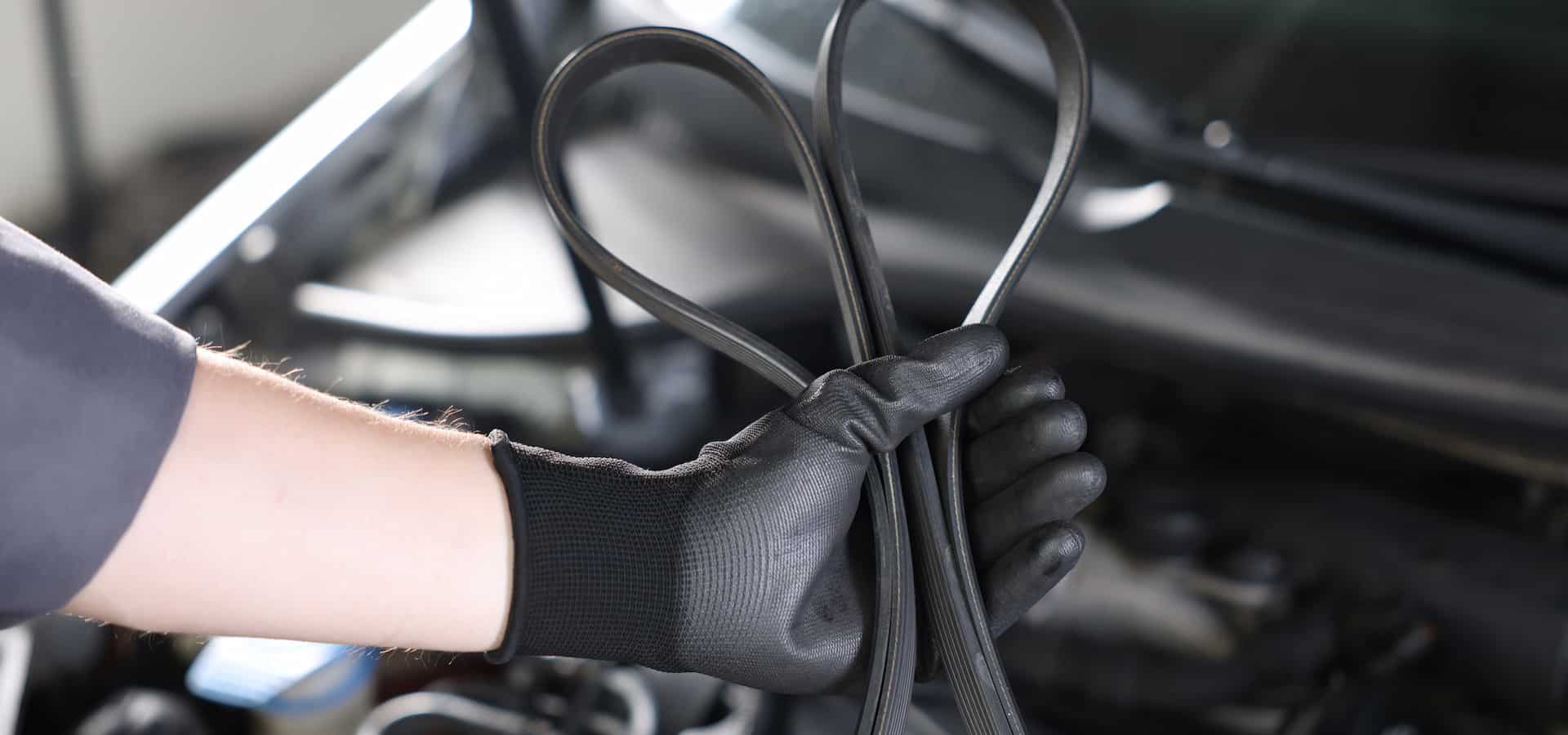
Honda Cambelt Timing Belt Replacement at Elevation Auto Repair
Here's the gotcha most Denver shops miss on older Honda V6s: the timing belt and the water pump are married. On the J-series engines (J30, J32, J35) found in Accords, Odysseys, and Pilots, replacing the belt without swapping the water pump, tensioner, and idler pulleys almost guarantees you're back under the hood before the belt's rated life is up. A leaking pump behind a fresh belt means paying twice for the same labor.
Cambelt timing belt replacement synchronizes the crankshaft and camshafts so valves and pistons never collide. On Honda's interference engines – which covers most belt-driven models – a snapped belt bends valves and often scars the head. Doing it right means matching OEM belt specs, honoring the correct crank pulley bolt torque (these are notoriously tight and single-use on some platforms), and re-setting cam timing marks exactly.
We treat it as a full drivetrain refresh, not a parts swap. Here's what you can expect:
- Complete kit service – belt, tensioner, idlers, and water pump replaced together
- OEM or OE-equivalent parts matched to your exact engine code
- Fresh coolant fill and pressure check to catch weeping seals
- Accessory (serpentine) belt inspection and crank seal check while access is open
Symptoms – How to Know You Need This Service
Timing belts rarely warn you before they let go, which is why mileage and age matter more than symptoms. Still, you may notice signs the belt or its related components are failing:
- High-pitched squeal or chirp from the front of the engine – often a worn tensioner or idler bearing
- Ticking or slapping noise at idle that speeds up with RPM – a loose or stretched belt
- Coolant seeping or dripping near the timing cover – the water pump behind the belt is leaking
- Rough idle or misfire codes that come and go as belt teeth wear and timing drifts
- Hard starting or a rough crank if the belt has skipped a tooth
- Check Engine light with cam/crank correlation codes stored
- Visible cracking, glazing, or oil contamination on the belt if you've peeked behind the cover
If your Honda suddenly won't start, spins over freely with no fire, or the engine dies while driving – stop and have it towed. That's a snapped belt on an interference engine, and cranking it further only adds valve damage. Squeals and minor coolant weeping mean schedule soon, before the failure finds you on I-25.
Common Cambelt Timing Belt Replacement Issues on Honda Vehicles
Here's what generic shops miss on Honda timing belts: not every modern Honda even has one. The interference-engine V6s still ride on a rubber belt, and treating them like a maintenance-free chain platform is how expensive mistakes happen. These are the patterns we see most on Honda cambelt work.
- J-series V6 belt aging (2003-2017 Accord, Odyssey, Pilot, Ridgeline) – The J30/J35 SOHC V6 is an interference design. The belt lives behind covers on the front bank and hides its wear until it strips teeth or snaps, which bends valves instantly.
- Water pump failure driven off the same belt – On J-series engines the timing belt turns the water pump. A worn pump bearing sheds load onto the belt, so replacing the belt without the pump on these platforms is a repeat visit waiting to happen.
- Hydraulic tensioner and idler pulley wear – The auto-tensioner loses damping oil over time. A soft tensioner lets the belt slap, accelerating tooth wear and throwing off cam-to-crank timing.
- D-series and older 4-cylinder belts (Civic, CR-V pre-2002) – Earlier Honda four-cylinders ran belts that dry-rot with age even at low mileage, especially in Denver's dry climate.
- Front crank and cam seal seepage – Oil-soaked belts degrade fast. Seals often start weeping right when the belt is due, so they get replaced together.
- VTC actuator and cam seal interplay – On engines pairing belt drive with variable cam timing, contamination and worn seals disturb timing accuracy.
Which Honda Models We See for Cambelt Timing Belt Replacement
Belt-driven Hondas are mostly V6 and older four-cylinder platforms. Newer four-cylinders switched to timing chains, so identifying your engine matters. Common ones we service:
- Accord V6 (J30/J32/J35) – 1998–2017 sixes; belt-and-pump service is routine on these
- Odyssey (J35) – 1999–2017 minivans, including VCM-equipped variants
- Pilot & Ridgeline (J35) – 2003–2015, where AWD models add underbody access considerations
- Acura MDX / TL / TSX V6 (J-series) – shared architecture, same interval logic
- Older Accord & Prelude four-cylinders (F22/F23, H22/H23) – 1990s belt-driven fours
- Civic Del Sol & older Civic (D-series) – early belt-equipped four-cylinders
A few honest limits: most 2006-and-newer four-cylinder Hondas (K-series, R-series, and the L15 turbo in modern Civics and CR-Vs) use timing chains, not belts – those don't get this service unless the chain and guides are failing. If you're unsure whether your Honda runs a belt or a chain, tell us the year and engine and we'll confirm before you commit to anything. No unnecessary repairs, ever.
Causes & Risks – What Happens if Ignored
Honda timing belts fail from a mix of age, heat cycling, and Colorado's dry high-altitude air, which hardens rubber compounds faster than humid climates. Mileage matters, but calendar age is the real killer on J-series V6s that sit or commute short distances.
Because these are interference engines, a snapped belt doesn't leave you stranded quietly – the pistons meet open valves. Ignoring a whining tensioner or a chirp at cold start for a few months routinely turns a straightforward belt-and-pump job into a cylinder head rebuild.
- A glazed or cracked belt left in service eventually strips teeth, jumping timing and bending intake and exhaust valves.
- A failing water pump ignored past its warning whine overheats the engine and can warp an aluminum head.
- A weak hydraulic tensioner allows belt flutter that chews the idler pulleys, adding parts to the repair.
- Oil-contaminated belts from leaking cam or crank seals delaminate and let go without warning.
- Waiting past the age interval on a low-mileage Odyssey or Pilot risks total belt failure at highway speed – a safety issue, not just a cost one.
The gap between a planned belt service and a bent-valve teardown is enormous. Catching it on schedule keeps you in the affordable column.
Safety Impact – Why Cambelt Timing Belt Replacement Matters
A timing belt failure on a Honda V6 doesn't ease off – the engine stops turning immediately. That sudden loss of power affects far more than the drivetrain.
- Power steering – Engine stall kills hydraulic or electric assist, making the wheel heavy right when you need control.
- Power brake boost – Vacuum assist drops after the engine dies, so the pedal goes firm after one or two applications.
- Stability control, ABS, and traction – These systems rely on a running engine and steady electrical supply; a stall disables their active support.
- Restart safety – On an interference engine, cranking after a belt break causes more valve damage, so a roadside restart attempt makes things worse.
Stop driving now if you hear a loud slapping or grinding from the timing cover, see coolant leaking near the front of the engine, or the engine suddenly loses power. Schedule soon if you notice a light chirp at cold start, a belt past its age interval, or seepage around the front seals. A documented, on-schedule belt service also protects you – a known, ignored maintenance item can complicate liability after a breakdown-related incident.
How Honda Cambelt Timing Belt Replacement Actually Works
The timing belt keeps the crankshaft and camshafts turning in exact sync so valves open and close around moving pistons. On Honda's J-series V6, that same belt also drives the water pump, which is why the two are always serviced together. Precise alignment of the timing marks is everything – a single tooth off throws the cam timing and triggers rough running or a check engine light.
Honda's implementation has quirks a generic belt job overlooks:
- The auto-tensioner must be compressed and pinned correctly, then released in sequence, or belt tension ends up wrong from the start.
- Crank and cam timing marks have to line up to Honda's factory positions before the belt goes on – there's no guessing.
- Bolt torque specs on the crank pulley and tensioner are model-specific and must be followed to prevent walk-out or belt whine.
- Water pump, tensioner, idler pulleys, and front seals are replaced as a set on V6 platforms to match belt life.
- On engines with variable cam timing, correct assembly keeps the VTC system reading accurate timing.
We use OEM-grade belts and pumps and follow Honda's timing and torque sequence rather than a one-size-fits-all approach. As your Denver dealership alternative, that means the job gets done right the first time and
How We Diagnose Cambelt Timing Belt Replacement Issues on Honda
Here's the gotcha most shops miss: not every Honda uses a timing belt. Many modern Hondas – the K-series and R-series four-cylinders – run maintenance-free timing chains, while belt-driven service still applies to the older D16, B-series, and the J-series V6 (Accord, Odyssey, Pilot, Ridgeline). Knowing which one you have changes everything about the plan.
- We confirm the engine family and model year, then verify whether your Honda is belt or chain driven and check the mileage against the factory replacement interval.
- We pull codes with a Honda-capable scan tool (HDS-level diagnostics), watching for cam/crank correlation faults like P0340 or P0011 that hint at belt stretch or timing drift.
- We inspect the belt visually for glazing, cracking, missing teeth, and oil contamination from a leaking crank or cam seal.
- We check the tensioner and idler pulleys for play, and on J-series V6 engines we inspect the hydraulic tensioner for weeping.
- We examine the water pump, since it's belt-driven on many of these engines and shares the same service window.
- A short road test and cold-start listen confirms whether ticking or a rattle points to timing components.
From there you get a written plan and quote that spells out exactly what needs attention and why – no padding, no surprises.
Cambelt Timing Belt Replacement on Honda: Repair vs. Replacement
Timing belts are wear items, so "repair" here usually means addressing what's around the belt rather than the belt itself.
- True repair: Re-torquing or reseating a tensioner, or fixing a minor oil seal weep on a belt that's still within its service life and shows no cracking.
- Partial replacement: Swapping a single failing idler or a leaking cam seal while the belt has meaningful life left – reasonable on lower-mileage Hondas.
- Full replacement: The right call once the belt is at interval, contaminated with oil, or showing wear. On interference J-series V6 engines especially, a snapped belt bends valves, so we replace the belt, tensioner, idlers, and water pump together.
Because these engines are interference designs, we lean toward the complete timing kit when parts share the same wear window – it avoids paying labor twice to open the front cover. We'll lay out both paths, explain the risk of skipping the water pump, and let you decide with full information instead of pushing the priciest option.
How to Make Your Honda Cambelt Timing Belt Replacement Last Longer
A fresh timing belt lasts longest when the engine around it stays clean and cool.
- Let the engine warm briefly before hard acceleration, especially in Denver's cold mornings, so oil pressure stabilizes around the tensioner.
- Fix oil and coolant leaks promptly – a dripping cam or crank seal shortens belt life fast by softening the rubber.
- Avoid chronic overheating; a healthy cooling system protects the belt on V6 Hondas where the water pump lives behind the cover.
Owner-friendly habits that help:
- Listen for new ticking, whining, or squealing near the front of the engine and mention it early.
- Watch for check-engine lights and keep an eye on oil level between changes.
- Use OEM or OE-equivalent belts, tensioners, and Honda-spec coolant – the aftermath of a cheap belt on an interference engine isn't worth the savings.
- Keep up with Honda's published timing belt interval by mileage and time, whichever comes first.
Visual checks and fluid monitoring are safe to do yourself. Anything involving removing the timing cover, setting cam/crank alignment, or torquing the tensioner belongs in the shop – get that timing wrong and you risk valve damage. We'll handle the precision work and keep you safely on the road.
Here's the detail that trips up general shops on older Hondas: not every Honda uses a belt. The J-series V6 in Accords, Odysseys, Pilots, and Ridgelines (1998–early 2000s) runs a rubber timing belt behind a plastic cover, while later 4-cylinder K-series and Earth Dreams engines switched to a maintenance-free chain. Replacing a belt that isn't there – or missing one that's overdue – is a costly mistake on these interference engines, where a snapped belt bends valves and cracks pistons.
What to Expect When You Bring Your Honda In
We keep the process straightforward from the moment you schedule to the day you drive off. Here's how a typical cambelt job moves through our shop:
- Drop-off or appointment – Tell us your model, year, and mileage so we confirm whether your Honda uses a belt or chain before you arrive. Shuttle and loaner options can be arranged when booking.
- Initial inspection – We pull the upper cover to check the belt, tensioner, idlers, and water pump for cracking, glazing, and coolant seepage – the classic seepage that soaks a J-series belt from a failing pump.
- Written estimate – You get a clear line-item breakdown covering the belt kit, water pump, seals, and coolant before any wrench turns.
- During the work – We text or call with updates, and flag anything we find (leaking crank seal, worn accessory belt) rather than surprising you at pickup.
- Pickup walkthrough – We show you the old parts, explain what was replaced, and note the new service interval.
Leave personal items in the cabin – we don't need the trunk or glovebox. After-hours pickup can be set up on request. Every job ends with a road test and a scan-tool re-check for stored codes, and if anything feels off afterward, bring it back and we'll re-verify our work.
Why Choose Elevation Auto Repair for Honda Cambelt Timing Belt Replacement
We treat a Honda timing belt as a complete job, not just a belt swap. On J-series V6 engines especially, the water pump is buried behind the belt, so we replace the pump, tensioner, and idler pulleys together – doing anything less means going back in when the pump fails and destroys a fresh belt.
- We reference current Honda service data and TSBs, including tensioner and pump-related bulletins on older Odyssey and Accord V6 platforms.
- We set cam and crank timing to factory marks and torque the crank bolt to Honda spec – over-torque or a mis-aligned tooth causes rough running and rattle.
- We use Honda-grade coolant (Type 2) to avoid the mixing issues that corrode passages and eat water pumps.
- We own the whole process – diagnosis, repair, and post-repair scan verification – under one roof.
You get honest diagnostics, no unnecessary parts, and repairs built for long-term reliability – a real dealership alternative here in Denver.
Our Honda Services
- Air Conditioning AC Repair
- Battery Repair Replacement
- Brake Repair & Brake Fluid Change
- Check Engine Light Diagnostics
- Clutch Repair & Replacement
- Coolant Leak Repair
- Cooling System Repair
- Drive Shaft Repair
- Engine Repair
- Exhaust & Catalytic Converter Repair
- Head Gasket Repair & Replacement
- Oil Change
- Oil Leak Repair
- Scheduled Service Maintenance
- Steering Repair
- Suspension Repair
- Transmission Repair
- Tune Up
- Wheel Alignment