
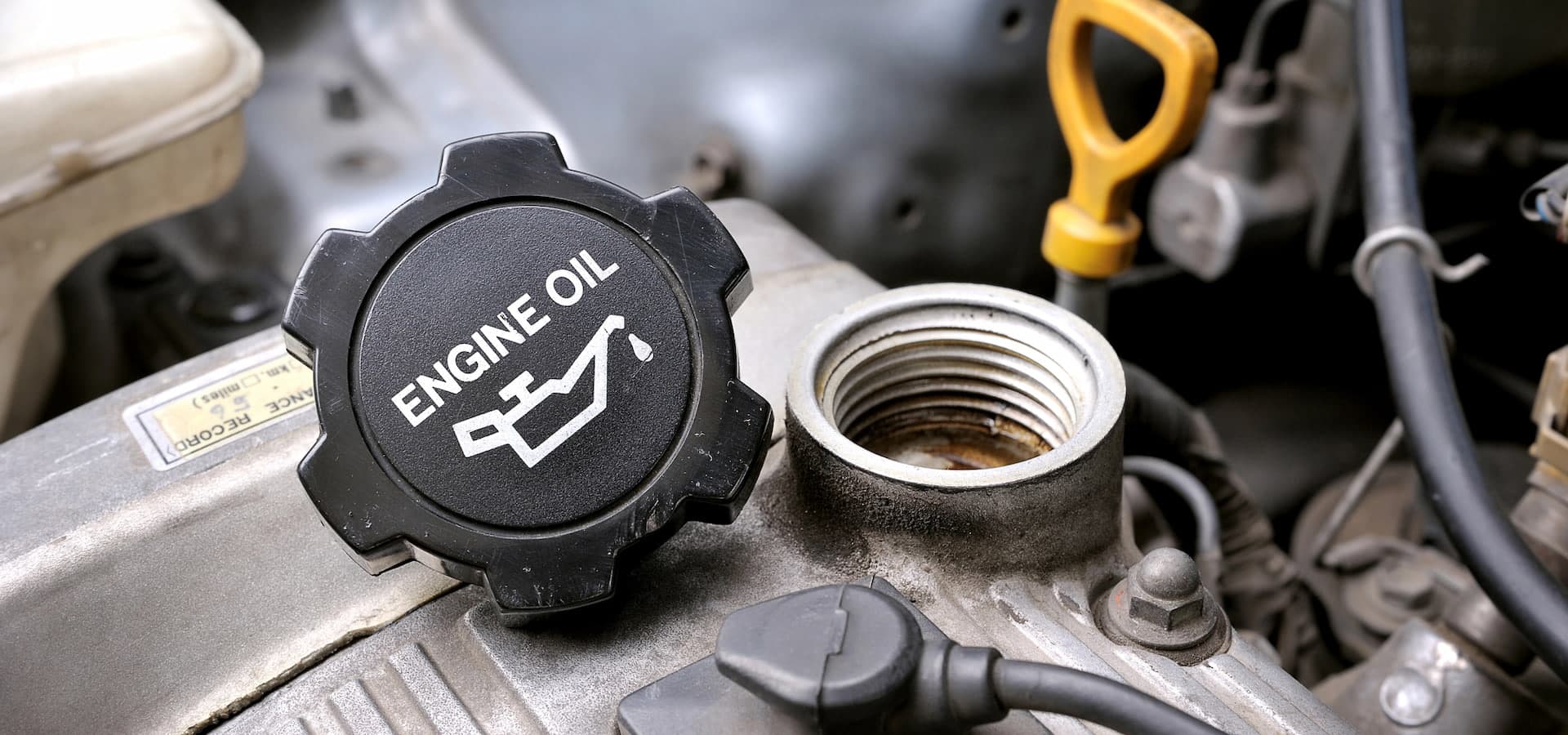
Honda Oil Change at Elevation Auto Repair
Your Honda's Maintenance Minder just flashed a wrench icon, and you're wondering whether the quick-lube down the street really knows what your engine needs. Honda oil changes look simple, but small details separate a proper service from a rushed one.
An oil change replaces the engine oil and filter, resets the oil life monitor, and gives your engine the protection it needs between intervals. On a Honda, doing it right means matching the exact specification the factory calls for.
A few things make Honda service different from a generic shop:
- Many modern Hondas – including Earth Dreams direct-injection engines like the 1.5L L15B turbo in Civic and CR-V – require specific low-viscosity oils such as 0W-20, and the wrong grade affects VTC operation and fuel economy.
- The Maintenance Minder relies on driving data, not just mileage, so it needs a correct reset through the dash menu or scan tool after each service.
Here's what you can expect from us:
- OEM-spec or approved synthetic oil matched to your exact engine
- A genuine or premium filter with proper drain plug crush washer replacement
- Correct torque on the drain plug and filter housing to avoid leaks and stripped threads
- A full Maintenance Minder reset plus a quick multi-point inspection
Symptoms – How to Know You Need This Service
Hondas are good at telling you when service is due, but the dash light isn't the only clue. Watch for these signs from the driver's seat:
- Maintenance Minder wrench icon with an "A" or "B" code – schedule soon; the "A" code means oil and filter service is due.
- Dark, gritty oil on the dipstick that no longer looks amber – schedule soon.
- Ticking or tapping from the top end at cold start, common when oil is old or low on VTEC and Earth Dreams engines – schedule soon.
- Burnt oil smell inside the cabin or under the hood after driving – have it checked promptly.
- Oil level low on the dipstick between services, sometimes seen on 1.5L turbo engines where fuel dilution raises the level – get it inspected.
- Sluggish response or dropping fuel economy as thickened oil increases friction – schedule soon.
- Oil pressure light glowing red on the dash – stop driving immediately and have the vehicle towed; running low or lost oil pressure can destroy an engine.
If you ever see the red oil can symbol, pull over safely and shut the engine off. Everything else on this list means book an appointment before the problem grows.
Common Oil Change Issues on Honda Vehicles
You pop the hood after noticing a faint burning smell, and the dipstick reads low again – even though the last change wasn't that long ago. Honda owners run into a handful of predictable oil-related patterns tied to specific engines and generations.
- VTC actuator rattle on cold start (2008-2014 K24Z / R18 engines): Accords, CR-Vs, and Civics with worn variable timing control actuators throw a brief startup grind that clean, fresh oil at the correct viscosity helps quiet. Overdue oil accelerates the wear.
- Oil consumption on 2008-2013 Accord/CR-V 2.4L (K24Z): Sticky piston rings and VCM cylinder deactivation can burn oil between intervals. These engines run best on strict adherence to the Maintenance Minder and correct 0W-20 spec.
- 1.5L turbo (L15B) oil dilution (2016-2020 Civic, CR-V, Accord): Fuel washes past the rings into the crankcase in cold climates – exactly the Denver winter scenario. Diluted oil loses film strength and needs Honda's updated service intervals and software calibration.
- Rear main and VTEC solenoid seals seeping (higher-mileage J-series V6): Odysseys, Pilots, and Accord V6s develop weeping gaskets that show up as low oil and spotting on the driveway.
- Stripped drain bolt threads on aluminum oil pans: Over-tightened crush washers and reused bolts from quick-lube shops damage the pan threads, causing slow leaks.
- Wrong filter or viscosity from generic service: Honda's tight tolerances and 0W-20 requirement mean off-spec oil triggers noise and consumption.
Which Honda Models We See for Oil Change
We service the full Honda lineup, from daily commuters to performance variants. Find your car below:
- Civic (FC, FK, FL – 2016 to present) – 1.5L L15B turbo and 2.0L K20C naturally aspirated engines, both calling for 0W-20.
- Civic Si and Type R (FK8, FL5) – the K20C1 turbo four in the Type R uses specific full-synthetic and benefits from careful, timely intervals under hard driving.
- Accord (2013 to present) – K24 2.4L, 1.5L and 2.0L turbo variants, plus hybrid models with their own service needs.
- CR-V (2017 to present, RW/RS) – 1.5L turbo engines prone to fuel dilution in cold, short-trip driving common in Denver winters.
- Pilot, Odyssey, and Ridgeline – J-series 3.5L V6 engines with VCM; we watch for oil consumption on these.
- Fit, HR-V, and older Civic/Accord (2006–2015) – K-series and R-series engines, many still running strong.
- Insight and Accord Hybrid – two-motor hybrid systems that still need engine oil service on schedule.
Hybrid and turbo models get extra attention because their oil life behaves differently than older port-injected engines. If you drive an older or imported variant not listed here, reach out and we'll confirm the right spec before you come in.
Causes & Risks – What Happens if Ignored
Most Honda oil trouble traces back to stretched intervals, Denver's temperature swings, and short-trip driving that never fully burns off fuel and moisture. The L15B turbo engines are especially sensitive to cold-weather oil dilution, and VCM-equipped V6s punish neglected oil quickly.
A low or degraded oil condition rarely stays small. Skip a couple of changes and the failure path widens fast.
- Diluted or sludged oil starves the VTC actuator and VTEC solenoid screens, turning a cheap service into timing-component repairs.
- Ignoring the "B" Maintenance Minder codes on a 1.5T for months lets fuel-thinned oil scuff cylinder walls, driving oil consumption higher.
- Running low on a J-series V6 overheats bearings and can spin a rod – a full engine job instead of a gasket.
- Slow drain-bolt leaks left unaddressed drip oil onto exhaust components, creating smoke and a real fire risk.
- Sludge buildup clogs the oil pickup screen, dropping pressure and lighting the oil warning lamp under load.
Once the oil light glows red, driving becomes unsafe within minutes. We'd rather catch the pattern at a routine visit and keep the repair small.
Safety Impact – Why Oil Change Matters
Oil does more than lubricate. On modern Hondas it feeds the VTC and VTEC systems, cools the turbo bearing, and keeps the engine responsive when you need power to merge or climb an I-70 grade.
Neglected oil can cause sudden power loss, engine shutdown in traffic, or a smoke event that reduces visibility. Overheated components can leave you stranded on a mountain shoulder.
- Stop driving now: red oil pressure light, knocking or metallic tapping, visible smoke, or a burning-oil smell in the cabin.
- Schedule soon: Maintenance Minder at 15% or below, faint cold-start rattle, slow drips on the driveway, or oil that smells like fuel.
There's also a liability angle. A known oil-dilution or consumption pattern that's documented but never addressed can complicate an insurance claim after an engine-related breakdown. Staying current on service keeps your records clean and your Honda dependable. We flag these items honestly and only recommend what your vehicle actually needs.
How Honda Oil Change Actually Works
Honda ditched fixed mileage intervals years ago in favor of the Maintenance Minder, a system that calculates oil life from engine temperature, RPM, load, and trip patterns rather than a simple odometer count. After the service, the oil-life percentage has to be reset correctly, and on many models the correct sub-code ("A," "B," and numbered items) must be cleared through the display or an OEM scan tool.
That software step is where generic shops slip up. Reset it wrong and the system nags early or ignores real wear.
- Viscosity matters: most late-model Hondas require 0W-20 full synthetic; the 1.5T and some V6s have specific fill capacities we verify against factory specs.
- Torque and hardware: aluminum oil pans call for a fresh crush washer and a precise drain-bolt torque to protect the threads.
- Filter fit: Honda's OEM-style filters with the correct bypass valve keep oil pressure stable at cold Denver startups.
- Minder reset: the oil-life and maintenance sub-codes get cleared properly so the system tracks the next interval accurately.
Getting these details right is what keeps a Honda quiet, efficient, and out of the repair bay. B
Your Honda's dashboard flashes the Maintenance Minder, or maybe you spotted a faint puddle in the driveway after backing out. Small signals like these are how a routine oil change becomes a smart diagnostic moment. At Elevation Auto Repair in Denver, we treat every oil service as a chance to catch the little things before they turn into expensive ones.
How We Diagnose Oil Change Issues on Honda
Honda's Maintenance Minder system calculates oil life based on driving conditions rather than fixed mileage, so we start there and build outward.
- Scan the Maintenance Minder data – Using an HDS-compatible scan tool, we pull the oil life percentage and the A/B service codes that tell us exactly what Honda's algorithm is calling for.
- Check for related codes – We look for VTC actuator rattle codes and oil pressure or VTEC solenoid faults common on K-series and Earth Dreams engines.
- Inspect oil condition – We evaluate color, viscosity feel, and metallic content, plus check for fuel dilution seen on some 1.5T turbo engines (2016+ Civic, CR-V, Accord).
- Visual and physical checks – Filter housing, drain plug crush washer, valve cover gaskets, and the VTC/oil filter seal all get a close look for weeping or seepage.
- Road test – We listen for cold-start VTC chain rattle and confirm oil pressure behavior once the engine reaches operating temperature.
Once we know what your engine is telling us, we lay out a straightforward repair plan and quote – no guessing, no filler line items.
Oil Change on Honda: Repair vs. Replacement
Most oil-related concerns on a Honda are simple service items, but some point to parts that have earned replacement.
- Genuine repair – A standard oil and filter change with a fresh OEM crush washer, plus a torque-to-spec drain plug, handles the vast majority of visits. Cleaning a minor seep and resealing often solves the problem.
- Partial replacement – A leaking valve cover gasket or a worn VTC actuator on higher-mileage R-series and K-series engines can be swapped individually while the rest of the assembly stays put.
- Full replacement – Fuel dilution or sludge from neglected intervals on 1.5T engines can cause cascading wear. When oil control rings or bearings show damage, chasing individual parts costs more than addressing the whole assembly.
We walk you through what we found, show you the difference between "needs attention now" and "keep an eye on it," and let you make the call. The most expensive path is rarely the right one.
How to Make Your Honda Oil Change Last Longer
Good habits stretch the value of every service and protect the engine between visits.
- Let it warm gently – In Denver's cold mornings, drive off softly rather than idling long or revving cold. This protects the VTC chain and oil galleries.
- Watch turbo engines closely – If you own a 1.5T Civic or CR-V and drive short trips, take an occasional longer highway run to burn off fuel that collects in the oil.
- Trust the Maintenance Minder – Follow Honda's condition-based interval instead of guessing, and reset it correctly after each service.
- Use OEM-grade fluid and filters – Honda's 0W-20 spec and a proper Honda filter matter for VTEC and VTC operation. Off-spec oil can trigger noise and wear.
- Keep software current – Some models received PCM updates addressing fuel dilution and idle behavior; staying current helps.
Checking your dipstick, listening for cold-start rattle, and monitoring dashboard lights are all safe to do yourself. Leave drain plug torque, gasket work, and any oil pressure concern to us – getting those wrong risks real engine damage. Bring it by Elevation Auto Repair and we'll keep your Honda running clean.
What to Expect When You Bring Your Honda In
You notice the maintenance minder counting down, or maybe that "B1" code just popped up on the dash of your Accord. You want the oil handled right, not upsold. Here is how a visit flows with us.
- Drop-off or appointment: Schedule ahead or use our key drop. Tell us if your Honda uses the Maintenance Minder system so we log the correct code and reset it properly after service.
- Initial inspection: We confirm the OEM spec – most modern Hondas call for 0W-20 full synthetic, and Earth Dreams direct-injection engines like the 1.5L turbo (Civic, CR-V, Accord) get special attention for fuel dilution in the oil.
- Written estimate: You get a clear line item for oil, filter, and drain plug washer before we start. No surprise add-ons.
- Communication: If we spot a seeping VTC actuator, a weeping oil pan gasket, or overdue filter housing, we call you with photos and let you decide.
- Pickup walkthrough: We show you the old filter, note oil level and fill quality, and reset the minder.
Leave personal items in the vehicle if you like – we work around them. Ask about shuttle or after-hours key return when you book. Before your Honda goes back to you, we road test, verify no leaks, and confirm the oil life reset held. If anything feels off afterward, bring it back and we recheck it directly.
Why Choose Elevation Auto Repair for Honda Oil Change
An oil change sounds simple until it is done wrong. Overfilling a 1.5L turbo, skipping the crush washer, or ignoring a known service bulletin turns routine work into a headache.
- Honda-specific knowledge: We track TSBs and software updates for oil dilution on 2016+ 1.5L turbo engines, including PCM calibration changes that adjust warm-up behavior.
- Correct fluids and hardware: Proper 0W-20 full synthetic, a genuine or OEM-equivalent filter, and a fresh drain plug washer torqued to Honda spec every time.
- Platform quirks handled: From VTC rattle on cold start to filter housing access on transverse V6 Pilots and Odysseys, we know where these engines hide problems.
We own the work start to finish – inspection, service, and post-service verification with a scan tool to confirm the maintenance minder resets and no new codes appear. As your Denver dealership alternative, you get honest diagnostics and one shop for everything from this oil change to bigger repairs down the road.
Our Honda Services
- Air Conditioning AC Repair
- Battery Repair Replacement
- Brake Repair & Brake Fluid Change
- Check Engine Light Diagnostics
- Clutch Repair & Replacement
- Coolant Leak Repair
- Cooling System Repair
- Drive Shaft Repair
- Engine Repair
- Exhaust & Catalytic Converter Repair
- Head Gasket Repair & Replacement
- Oil Leak Repair
- Scheduled Service Maintenance
- Steering Repair
- Suspension Repair
- Cambelt Timing Belt Replacement
- Transmission Repair
- Tune Up
- Wheel Alignment