
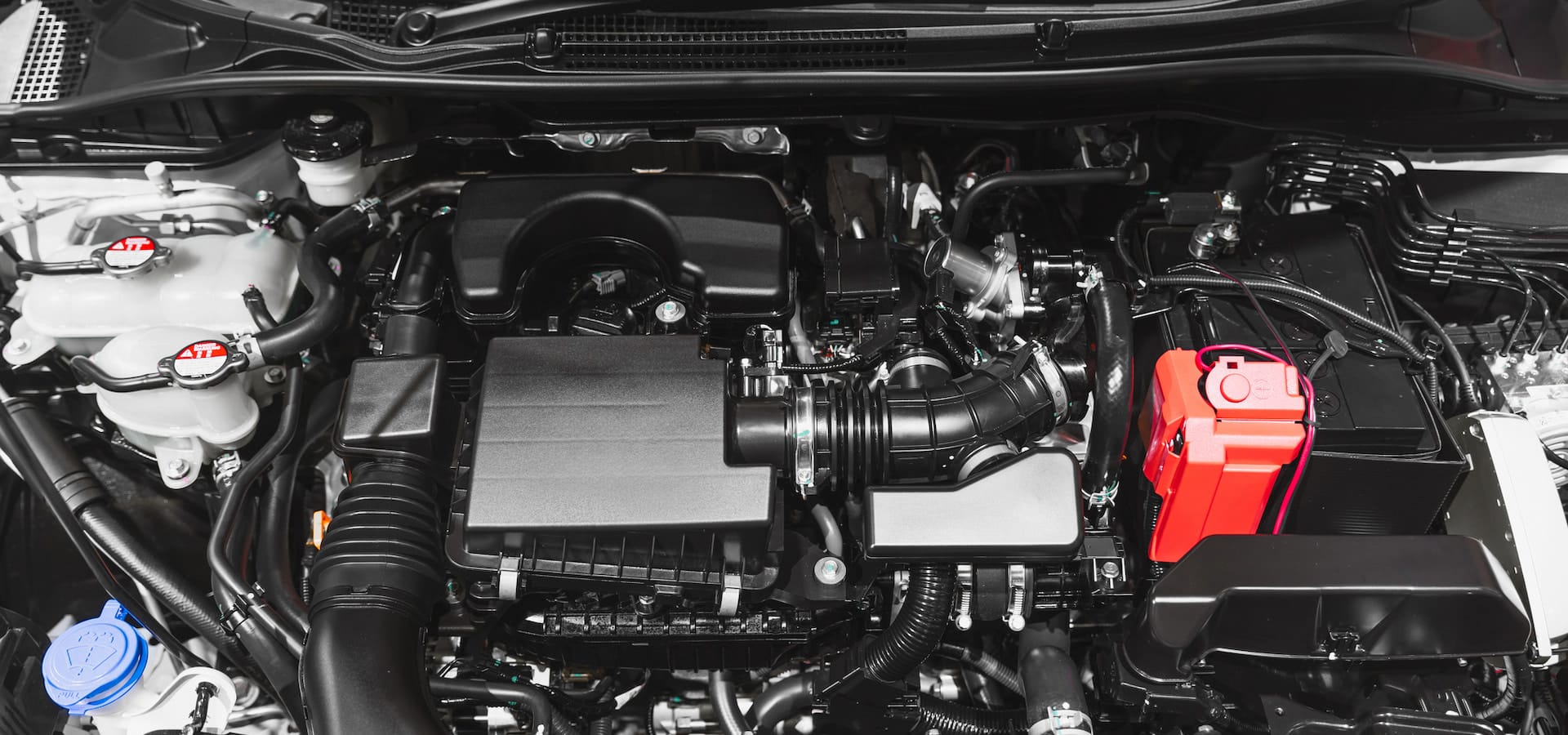
Honda Engine Repair at Elevation Auto Repair
You bought a Honda because it should last, so when the engine starts acting up it feels personal. Honda engines reward proper care and punish shortcuts, which is why the person turning the wrench matters as much as the parts going in.
Engine repair covers everything from valve adjustments and timing components to head gaskets and full rebuilds. Doing it right on a Honda is different from generic work because these platforms have specific quirks: J-series V6 engines with VCM can develop rear-bank oil consumption and spark plug fouling, and 1.5L turbo engines (L15B in the Civic, CR-V, and Accord) have seen fuel dilution issues addressed through Honda software updates and TSBs. Correct repair means honoring Honda's torque sequences on aluminum blocks, following the OEM valve lash specs on the R-series and K-series engines, and confirming any related PCM or TCM calibration is current after the work.
Here's what you can expect when you bring your Honda to us:
- A straight diagnosis backed by scan data – no guesswork, no padded repair lists
- OEM or OEM-equivalent gaskets, timing parts, and fluids to factory spec
- Verification of applicable Honda TSBs and software updates before returning your car
- Clear explanations of what needs attention now versus what can wait
Symptoms – How to Know You Need This Service
Honda engines usually warn you before they fail outright. Paying attention to the early signs keeps a small repair from turning into a major one.
- You may notice a persistent oil burning smell or blue-tinged exhaust – often VCM-related consumption on J-series V6 models
- A rough idle, misfire, or flashing check engine light – stop driving and have it towed, since active misfires damage catalytic converters quickly
- Ticking or tapping from the top of the engine, especially cold, pointing to valve lash or VTC actuator wear
- Coolant loss with no visible leak, sweet smell, or white exhaust smoke – a possible head gasket concern, schedule soon
- Milky residue on the oil cap or gas smell in the oil, common with 1.5L turbo fuel dilution
- Knocking or deep metallic noise under load – stop driving immediately to avoid rod or bearing failure
- Loss of power, hard starts, or timing-related codes that suggest chain stretch on higher-mileage engines
If your temperature gauge climbs or you see steam, pull over and shut it down. Overheating is the fastest way to warp a Honda's aluminum head.
Common Engine Repair Issues on Honda Vehicles
Your Honda hits a milestone somewhere north of 100,000 miles, and a new noise, oil spot, or check engine light shows up on the drive home from work. Honda engines are famously durable, but each generation has its own signature wear paths that our technicians see again and again.
- VTC actuator rattle on 2006-2015 R-series and K-series engines – A cold-start "grinding" or rattle on the 2.4L (Accord, CR-V, Civic Si) traces to the variable timing control actuator on the intake cam. Honda issued updated actuator hardware and an ECM software revision to address it.
- Excessive oil consumption on 2008-2013 four-cylinder VCM engines – Cylinder deactivation (Variable Cylinder Management) on the J-series V6 (Accord, Pilot, Odyssey) and some four-cylinders leads to worn piston rings and fouled plugs, showing up as blue smoke and low oil between changes.
- Timing chain tensioner wear on early Earth Dreams 1.5L turbo (2016+ Civic, CR-V) – Fuel dilution in the oil is a known quirk of the L15B7 in cold climates like Denver, thinning the oil film and accelerating wear. Honda released ECM and climate-control software updates.
- Head gasket and coolant intrusion on J-series V6 – Age and heat cycling cause seepage between cylinder banks, especially on higher-mileage Pilots and Odysseys.
- Motor mount failure across Accord and Odyssey lines – The hydraulic front mount degrades, producing a clunk on acceleration and heavy idle vibration.
- Water pump and timing belt wear on older J-series (pre-2013) – The belt-driven design bundles the water pump into the interval, and a skipped service risks valve contact.
Which Honda Models We See for Engine Repair
We work on the Honda platforms Denver drivers actually own, from daily commuters to higher-performance variants. Find your car below:
- Civic (2016–present, 10th/11th gen) – L15B 1.5L turbo; fuel dilution and turbo-related repairs
- Civic Si / Type R (FK8, FL5) – K20C turbo engines needing performance-aware service
- Accord (2013–present) – K24 2.4L, J35 V6, and 1.5L/2.0L turbo variants
- CR-V (2015–present) – 2.4L K-series and 1.5L turbo, including VCM and oil consumption concerns
- Pilot / Odyssey / Ridgeline – J35 V6 with VCM; rear-bank spark plug and oil consumption work
- Fit (GK, 2015–2020) – L15 engines, timing and valvetrain service
- Older K24/K20 and R18 Civics and Accords – timing chain, valve adjustment, and head gasket repair
Manual and CVT-equipped cars both come through our bay, and we adjust our approach for turbocharged and Type R engines where tolerances and boost make precision matter more. If you have a rare import or a heavily modified build outside typical street setups, call first so we can confirm we're the right fit before you make the trip.
Causes & Risks – What Happens if Ignored
Most Honda engine problems come down to a mix of design quirks, Denver's altitude and temperature swings, deferred oil changes, and simple accumulated mileage. The 1.5L turbo's fuel dilution, for example, gets worse in cold weather when short trips never fully warm the oil.
Small symptoms rarely stay small. A VTC rattle you ignore for months, or oil consumption you keep topping off, sets up the more expensive failures below.
- Ignoring VCM-related oil consumption typically leads to fouled spark plugs, misfires, and eventually scored cylinder walls.
- Letting the 1.5L turbo run diluted oil accelerates bearing and timing chain wear, turning a software update and oil service into internal engine repair.
- Deferring a J-series timing belt past its interval risks belt failure and bent valves on this interference engine.
- A weeping head gasket left alone allows coolant into the oil, which destroys bearings and can warp the head.
- A collapsing motor mount transfers stress to axles, exhaust hangers, and adjacent mounts.
The pattern is consistent: a manageable repair caught early stays affordable, while a neglected one pulls in surrounding parts and, eventually, the driveability and safety of the whole car.
Safety Impact – Why Engine Repair Matters
A struggling engine does more than run rough. On modern Hondas, the engine feeds power and vacuum signals that support systems you rely on to stop and steer.
- Braking – Rough running or a stall reduces vacuum assist, making the brake pedal hard and long.
- Electric power steering – A dropping charge or unstable idle can trigger reduced steering assist warnings.
- Stability and traction control – Persistent misfires can force VSA and ABS into limp-mode behavior, cutting the safety net during a slick Denver commute.
- Overheating – A failing head gasket or water pump can boil coolant and leave you stranded in traffic.
Stop driving now if you notice: temperature gauge climbing into the red, sudden loss of power on the highway, heavy smoke, or a flashing check engine light (active misfire that damages the catalytic converter).
Schedule soon if you notice: a steady check engine light, cold-start rattle, gradual oil loss, or new idle vibration. Addressing a known Honda defect before an incident also keeps you on solid footing with insurance and liability.
How Honda Engine Repair Actually Works
Honda builds a lot of intelligence into the engine control side, so repair is rarely just bolting on parts. The ECM manages VTC timing, VCM cylinder deactivation, and turbo fueling, and it often needs OEM software and relearn steps after a repair to run correctly.
When we address a VTC actuator or an oil-consumption issue, the mechanical fix is only part of the job – the electronic calibration has to match. That is where dealership-level tooling separates a lasting repair from a repeat visit.
- ECM software updates – Many Honda engine complaints (VTC rattle, 1.5L fuel dilution) have factory software revisions that must be flashed with Honda-compatible equipment.
- Idle and throttle relearn – After intake, sensor, or timing work, the engine needs a relearn procedure so idle and fueling stabilize.
- Torque and sequence specs – Head bolts, cam caps, and timing components follow Honda's exact torque-to-sequence procedures to avoid leaks and cam bind.
- OEM fluids and intervals – Honda specifies particular oil grades and coolant types that
How We Diagnose Engine Repair Issues on Honda
You start the car, hear a new rattle at cold start, and the check engine light glows on the dash of your Accord or CR-V. That single symptom can point to a dozen different causes, so we work through a repeatable process instead of guessing.
- Full scan with Honda-capable diagnostics – We pull stored and pending codes plus freeze-frame data using scan tools that read Honda-specific PIDs, letting us see fuel trims, VTC actuator commands, misfire counters, and cam/crank correlation data that a generic reader misses.
- Symptom mapping – Codes like P0300–P0304 misfires, P0341 VTC sensor faults, or the P0128 thermostat code get matched against what the owner actually reports.
- Visual inspection – We check for oil weeping at the valve cover and rear main, worn engine mounts (a known cause of vibration on Odyssey and Pilot), and coolant traces near the water pump.
- Measurement and testing – Compression and leak-down tests reveal ring or valve seal wear, and we verify oil pressure and VTC solenoid operation on K-series and Earth Dreams engines.
- Road test – We confirm the complaint under load, checking for VCM-related surge, timing chain rattle on cold start, or the low-oil concerns tied to some 1.5T CR-V and Civic engines.
From there we build a clear repair plan with a written quote, so you see exactly what needs attention and what can wait.
Engine Repair on Honda: Repair vs. Replacement
Not every engine problem means a new engine. The right call depends on what has actually worn and how far the damage has spread.
- Genuine repair – A single serviceable component: replacing a VTC actuator or timing chain tensioner, resealing a leaking valve cover gasket, swapping a failed VCM-related solenoid, or cleaning carbon from a direct-injection intake tract.
- Partial replacement – Replace the worn part while keeping the sound assembly. Examples include a new water pump and timing chain kit, replacing failed piston rings or head gasket on an otherwise healthy block, or addressing oil dilution issues on the 1.5T with updated parts and software.
- Full replacement – When wear has cascaded: a spun bearing, scored cylinder walls, or overheating that warped the head and block. If repair cost climbs toward the price of a good long block or reman engine, replacement is the smarter long-term choice.
We lay out each option with its trade-offs and let you choose. There's no push toward the most expensive path – just an honest picture of what keeps your Honda reliable.
How to Make Your Honda Engine Repair Last Longer
Good repairs last longer when driving and maintenance habits back them up. A few consistent practices protect the work we do.
Driving Habits That Help
- Let the engine reach operating temperature before hard acceleration, especially in Denver's cold winters where oil is thick at startup.
- Avoid lugging the engine under heavy load – useful on turbocharged 1.5T and 2.0T engines that see extra heat.
- Watch short-trip patterns that promote fuel dilution and carbon buildup on direct-injection models.
Owner Maintenance
- Check the dipstick monthly and watch for a rising oil level, a telltale sign of dilution on some 1.5T engines.
- Listen for new cold-start rattle or ticking and act early rather than waiting.
- Address any dashboard light promptly instead of clearing it and driving on.
Brand-Specific Care
- Use Honda-spec oil and OEM filters – VTC and VCM systems are sensitive to oil condition and viscosity.
- Keep the engine and powertrain software current, since Honda has issued updates addressing idle, VCM, and 1.5T oil-dilution behavior.
- Follow Honda's service intervals for timing components and coolant.
Fluid checks and listening for changes are safe to do yourself. Leave timing, internal engine work, and cooling-system repairs to the shop, where the right torque specs and procedures protect your investment.
What to Expect When You Bring Your Honda In
Maybe your K24 is rattling on cold starts, or the check engine light popped up with a P0300 misfire after highway driving. Whatever brought you in, here's how the visit goes:
- Drop-off or appointment check-in – Tell us the symptoms, when they happen, and any recent work. Grab your personal items from the cabin; we'll note anything left behind.
- Initial inspection – We connect factory-level diagnostic tooling to pull codes, freeze-frame data, and live sensor values, then perform a visual and mechanical check for oil leaks, VTC actuator noise, or coolant intrusion.
- Written estimate – You get a clear breakdown of what we found, what it needs, and what can wait. Nothing gets touched without your approval.
- Repair with updates – We check for open Honda TSBs and software updates tied to your VIN, then keep you posted as the work moves along. Loaner and shuttle options are available so you're not stranded.
- Pickup walkthrough – We show you the replaced parts, explain what we did, and cover any maintenance to watch. After-hours pickup can be arranged if your schedule is tight.
Before your Honda leaves, we road test it and re-scan with the scan tool to confirm codes stay cleared and readiness monitors set. If something feels off afterward, bring it back – we stand behind the diagnosis and the repair.
Why Choose Elevation Auto Repair for Honda Engine Repair
Honda engines have their own quirks, and we fix them based on what actually fails – not guesswork. We've seen VTC actuator rattle on R-series and K-series engines, oil consumption on Earth Dreams 2.4L direct-injection motors, and carbon buildup on turbocharged 1.5L engines like those in the Civic and CR-V.
- TSB and software awareness – We cross-reference your VIN against Honda service bulletins and reflash campaigns, so a software update isn't overlooked in favor of an unnecessary teardown.
- Platform-specific fixes – Timing chain tensioner service, VTEC solenoid and screen replacement, head gasket work on J-series V6s – done to Honda torque sequences and fluid specs.
- End-to-end ownership – The same shop diagnoses, repairs, and verifies the work. No handoffs, no finger-pointing.
As your Denver dealership alternative, we give you honest diagnostics and skip repairs your Honda doesn't need. From an oil change to a full engine rebuild, one experienced team handles it and keeps you safely on the road.
Our Honda Services
- Air Conditioning AC Repair
- Battery Repair Replacement
- Brake Repair & Brake Fluid Change
- Check Engine Light Diagnostics
- Clutch Repair & Replacement
- Coolant Leak Repair
- Cooling System Repair
- Drive Shaft Repair
- Exhaust & Catalytic Converter Repair
- Head Gasket Repair & Replacement
- Oil Change
- Oil Leak Repair
- Scheduled Service Maintenance
- Steering Repair
- Suspension Repair
- Cambelt Timing Belt Replacement
- Transmission Repair
- Tune Up
- Wheel Alignment