
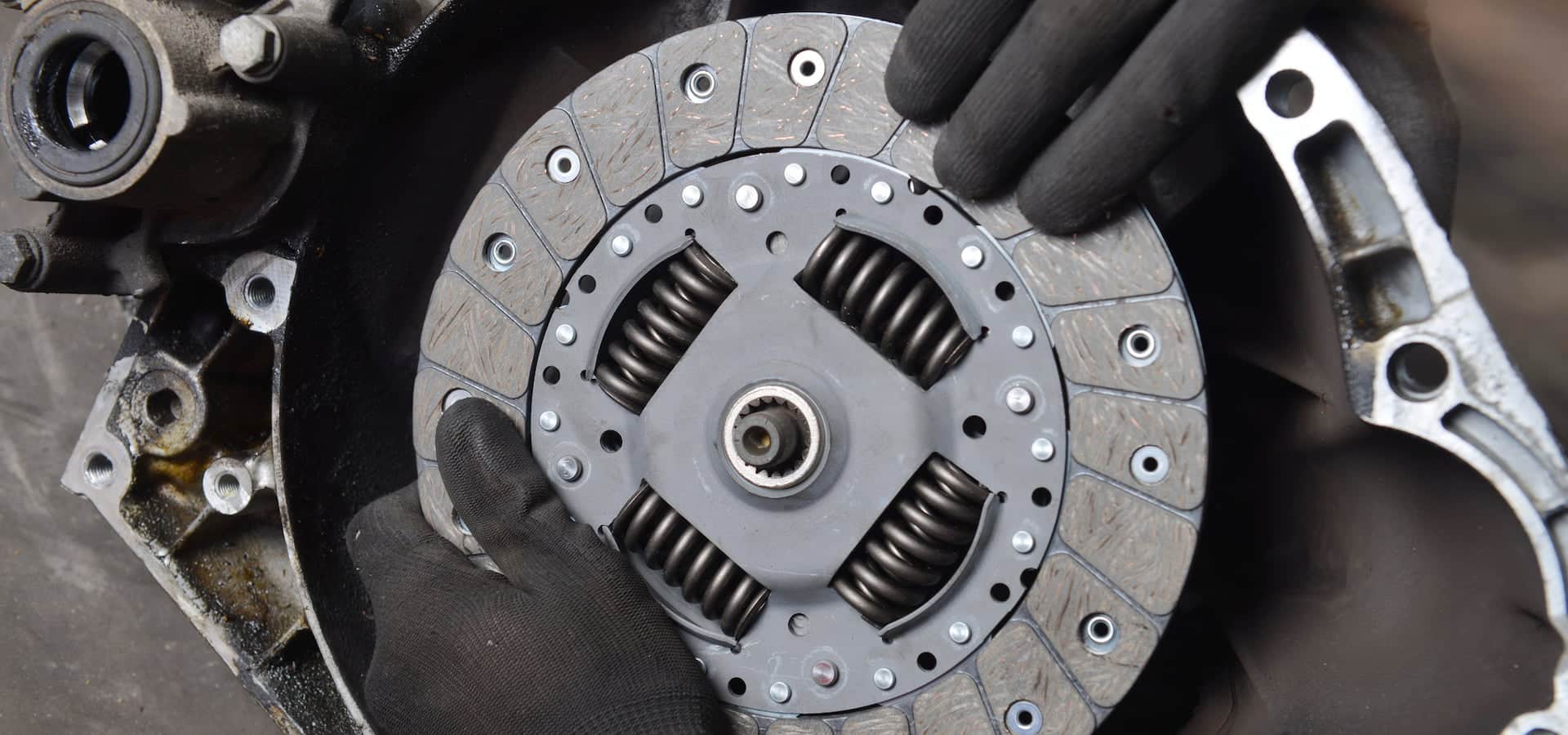
Mazda Clutch Repair & Replacement at Elevation Auto Repair
Your Mazda's clutch has always felt light and precise – until now. When engagement gets vague or the pedal starts fighting back, you want a shop that treats the whole hydraulic and drivetrain system, not just the friction disc.
Clutch work on a Mazda involves more than swapping parts. On the MZR and SkyActiv-G manual platforms, the concentric slave cylinder and pilot bearing tolerances matter, and rotary RX-8 models add pull-type pressure plate quirks that catch generic shops off guard. We match the correct dual-mass or single-mass flywheel setup, bleed the hydraulic line properly, and torque the pressure plate bolts to Mazda's staged spec so the disc seats flat.
Denver's stop-and-go traffic and hill starts wear clutches faster than flat-country driving, so we inspect the flywheel surface and rear main area every time we're in there. Here's what you can expect from us:
- Full inspection of the clutch disc, pressure plate, flywheel, and release bearing
- OEM-matched or upgraded components chosen for your driving style
- Proper hydraulic system bleed and pedal free-play adjustment
- Honest reporting – we only replace what's actually worn
Symptoms – How to Know You Need This Service
Clutch problems build gradually, then hit fast. Catching them early keeps the repair contained to the clutch instead of spreading to the flywheel or transmission input shaft.
- You may notice engine RPM climbing without matching acceleration, especially uphill or in higher gears – classic clutch slip
- A high, grabby engagement point near the top of the pedal travel
- A burning smell after heavy traffic or a spirited drive
- Shuddering or chatter when releasing the pedal from a stop
- A soft, sinking, or inconsistent pedal, often pointing to a failing slave or master cylinder
- Grinding or resistance shifting into gear even with the pedal fully down
- Rattling or growling that quiets when you press the pedal – a worn release bearing
Schedule soon if you feel slip, chatter, or a raised bite point. Stop driving immediately if the pedal goes to the floor and won't return, or if you can't get the car into gear – continuing risks stranding you and damaging synchros. Bring it in and we'll pinpoint the cause fast.
Common Clutch Repair & Replacement Issues on Mazda Vehicles
If your Mazda's pedal feels soft, the shifter grinds, or the engine revs climb while your speed stays flat, the clutch is telling you it's ready for attention. Mazda's manual gearboxes are durable, but certain platforms show predictable wear paths.
- Miata/MX-5 NC and ND (2006-present): Slave cylinder and concentric release bearing wear are common. The NC's hydraulic throwout bearing lives inside the bellhousing, so a leak often means dropping the transmission even when the friction disc still has life.
- Mazdaspeed3 and Mazdaspeed6 (2006-2013, 2.3L DISI turbo): The factory clutch struggles with added torque. Owners see chatter, slip under boost, and early pressure plate fatigue – especially on tuned cars.
- Mazda3 and Mazda6 SkyActiv (2012-present): Dual-mass flywheel wear shows up as a rattle at idle and pedal shudder on takeoff. Replacing the disc without addressing the flywheel usually brings the vibration right back.
- Higher-mileage clutch hydraulics: Master and slave cylinder seals degrade, producing a pedal that sinks to the floor or won't fully disengage the gears.
- Pilot bearing and input shaft noise: A growl that changes with clutch pedal position points to a worn pilot bearing, common on older Protegé and B-series platforms.
Which Mazda Models We See for Clutch Repair & Replacement
Mazda kept manual transmissions alive across nearly every line, so we see a wide mix. Find your platform below:
- MX-5 Miata – NA, NB, NC, and ND generations (1990–present); the ND (2016+) uses a lighter single-mass setup that engages differently after service
- Mazda3 – BK, BL, BM/BN, and BP chassis with the MZR 2.0/2.3 and SkyActiv-G 2.0/2.5 engines
- Mazda6 – GG, GH, and GJ platforms; manual-equipped MZR and SkyActiv variants
- CX-3, CX-30, and select Mazda2 manuals where equipped
- Mazdaspeed3 and Mazdaspeed6 – the turbocharged 2.3 DISI cars stress the clutch hard; we recommend upgraded discs for these
- RX-8 – the 13B Renesis rotary uses a pull-type clutch and lightweight flywheel that need rotary-specific handling
Turbocharged Mazdaspeed and rotary RX-8 clutches wear on their own timeline and often benefit from performance-rated components. Very old RX-7 rotary and rare imported variants fall outside what we routinely stock parts for, so call ahead and we'll confirm before you make the trip.
Causes & Risks – What Happens if Ignored
Clutch wear is driven by how and where the car is driven. Denver's stop-and-go traffic, mountain grades, and altitude changes all load the clutch harder than flat-city commuting. Aggressive launches, riding the pedal in traffic, and towing accelerate the process.
A slipping clutch rarely fixes itself. Left alone, a small friction problem cascades into damage that reaches the flywheel, hydraulics, and gearbox.
- Slip becomes glazing: A slipping disc overheats and glazes the flywheel surface, turning a disc-only job into a flywheel resurface or replacement.
- Hydraulic leaks strand you: Ignoring a sinking pedal on a Miata or Mazda3 eventually leaves you unable to shift into gear at all.
- Dual-mass flywheel failure: A rattling flywheel that goes unaddressed can shed springs and damage the starter ring gear and bellhousing.
- Pilot bearing seizure: A neglected bearing can gall the input shaft, adding transmission repair to the bill.
- Safety risk: A clutch that won't fully disengage makes clean gear changes and hill starts unpredictable in traffic.
Catching a slip early keeps the job to friction components. Waiting pulls the flywheel and gearbox into the conversation.
Safety Impact – Why Clutch Repair & Replacement Matters
A failing clutch does more than annoy – it changes how the whole drivetrain behaves under load, which matters on Denver's grades and merges.
- Loss of engine braking: A slipping clutch reduces controlled deceleration on downhill mountain runs, putting more demand on the brakes.
- Stalling in traffic: A clutch that grabs or won't disengage cleanly can stall the car mid-intersection.
- Rollback on hills: Poor disengagement makes hill starts risky, especially with traffic behind you.
Stop driving now if:
- The pedal goes to the floor and stays there
- You can't get the car into or out of gear
- You smell burning and the engine revs without acceleration
Schedule soon if: you notice mild shudder on takeoff, a light rattle at idle, or a high engagement point. A known clutch or hydraulic fault that's left unaddressed before an incident can also complicate an insurance claim, so documenting the repair matters.
How Mazda Clutch Repair & Replacement Actually Works
Most Mazda manuals use a hydraulically actuated single dry-plate clutch. Pressing the pedal moves fluid from the master cylinder to the slave cylinder, which pushes the release bearing against the pressure plate fingers to separate the disc from the flywheel. SkyActiv-MT gearboxes and the MX-5's compact hydraulics leave little margin for error during reassembly.
What sets Mazda work apart is how tightly the components are packaged and how specific the setup is:
- Concentric slave cylinders: On NC Miata and several SkyActiv cars, the release bearing and slave are one internal unit – replacing it correctly means proper alignment inside the bellhousing.
- Dual-mass flywheels: These require inspection for spring play and runout; reusing a worn one undoes the whole repair.
- Torque and sequence specs: Pressure plate bolts and flywheel bolts follow Mazda's staged torque pattern; many flywheel bolts are single-use and need replacement.
- Bleeding the hydraulics: The clutch line must be bled to spec so the pedal engages predictably.
We use OEM-grade components and Mazda's published procedures, inspect the flywheel and hydraulics as part of every job, and explain exactly what your car needs before we start. That's how we keep your Mazda shifting cleanly and get you back on the road
How We Diagnose Clutch Repair & Replacement Issues on Mazda
You've noticed the pedal feels different, the engine revs climb but the car hangs back, or there's a shudder pulling away from a stop. On Mazda models with the manual gearbox – think MX-5 Miata (NC/ND), Mazda3 and Mazda6 with the SkyActiv-MT, and older MZR-equipped cars – those symptoms point straight at the clutch system. Here's how we sort it out.
- We connect a scan tool running Mazda MDARS (formerly IDS) to pull stored and pending codes, check for clutch-position and neutral-switch inputs, and confirm nothing else is masking the concern.
- We road test the vehicle – slow-speed engagement, hard third-gear pulls to check for slip, and clutch-pedal feel through the release point.
- We inspect the hydraulic side: master and slave cylinder for leaks, the concentric slave (CSC) common on SkyActiv boxes, and clutch fluid condition.
- We measure pedal free-play and engagement height, then look for burning smell, glazing, or contamination clues.
- On MX-5 and higher-mileage cars we check the flywheel surface and dual-mass behavior where equipped.
Once we know whether the problem is hydraulic, friction-related, or a worn release bearing, we build a clear repair plan and an itemized quote. No surprises, no padded line items – just what your Mazda actually needs.
Clutch Repair & Replacement on Mazda: Repair vs. Replacement
Not every clutch complaint means dropping the transmission. We keep it honest about what's genuinely fixable versus what needs to come apart.
- True repair: A soft or sinking pedal from a failed clutch master or slave cylinder, or air in the line, is often a hydraulic fix – bleed the system, replace the leaking cylinder, and the original disc lives on.
- Partial replacement: A worn release bearing causing noise at pedal engagement, or a bad pilot bearing on older MZR-equipped Mazda3/Mazda6 cars, can sometimes be addressed while reusing a healthy disc and pressure plate.
- Full replacement: When the disc is worn to the rivets, the pressure plate is glazed, and the flywheel shows heat scoring, replacing them as a matched set is the right call. Once the transmission is out, replacing the CSC and bearing together avoids a second labor charge later.
Because the gearbox has to come out on a SkyActiv or MZR clutch job either way, we lay out the cost of doing it once versus revisiting it. You decide with full information – we won't push the biggest ticket when a smaller fix holds up.
How to Make Your Mazda Clutch Repair & Replacement Last Longer
A fresh clutch should last well past 100,000 miles with the right habits. Denver's hills and stop-and-go traffic put extra load on the friction surface, so how you drive matters here.
Driving habits that protect the clutch
- Keep your foot off the pedal between shifts – riding it wears the release bearing and glazes the disc.
- Use the handbrake on Front Range inclines instead of slipping the clutch to hold position.
- Downshift smoothly and avoid launching under heavy load with a cold drivetrain.
Maintenance you can do yourself
- Check clutch fluid level and color at the reservoir – dark fluid signals moisture or a failing seal.
- Listen for new noise at pedal engagement or a shudder when pulling away.
- Note any change in pedal height and mention it early.
Brand-specific care
- Use OEM Mazda clutch fluid and genuine or OE-quality friction components – MX-5 and SkyActiv systems are sensitive to hydraulic spec.
- Keep up with Mazda's service intervals and any software updates that affect drivability.
Fluid checks and listening are safe DIY. Anything involving the hydraulic system, flywheel, or transmission removal should come to us – it's safety-critical and precision-torqued work.
What to Expect When You Bring Your Mazda In
You've noticed the pedal feels different – maybe a high engagement point, a shudder pulling out of a stop, or that burning smell after a hill climb. On a MX-5 Miata (NC/ND), Mazda3 or Mazda6 with the six-speed manual, or a CX-5 with a swapped clutch, those symptoms usually trace back to a worn friction disc, a tired pressure plate, or a leaking slave cylinder. Here's how a visit works.
- Drop-off or appointment – Schedule ahead or leave the car with us. Clear out personal items; we log valuables you leave behind.
- Initial inspection – We confirm the complaint on a road test, check hydraulic engagement, and inspect for the SkyActiv self-adjusting clutch quirks that mimic other faults.
- Written estimate – You get a line-item breakdown covering disc, pressure plate, release bearing, pilot bearing, and any slave/master cylinder work before we proceed.
- Communication during the work – We text or call with findings, including anything we spot at the flywheel once the transmission is dropped.
- Pickup walkthrough – We show you the old parts and explain what we replaced.
Loaner and shuttle options are available, and after-hours pickup can be arranged. Before your Mazda leaves, we road test it, re-check for CEL codes with a scan tool, and verify clutch bite point. If anything feels off afterward, bring it back and we'll re-inspect – no runaround.
Why Choose Elevation Auto Repair for Mazda Clutch Repair & Replacement
Mazda clutches have their own personalities. The MX-5 ND and 2.5 SkyActiv manuals use specific dual-mass or single-mass flywheel setups depending on year, and getting the release-bearing and hydraulic bleed right matters – a sloppy bleed leaves you with a spongy pedal and premature bearing chatter.
- Platform-aware diagnosis – We check for known Mazda TSBs and software-related shift complaints before condemning hardware, so you're not paying for parts that won't fix the symptom.
- OEM-correct procedure – Flywheel resurfacing or replacement decisions, pilot and release bearing replacement, and torque-to-spec bolt sequences follow Mazda service data, not guesswork.
- End-to-end ownership – The same shop that diagnoses your clutch performs the repair and the post-repair verification, so nothing gets lost in a handoff.
We're a Denver dealership alternative that handles the whole job under one roof – from the hydraulic bleed to the scan-tool re-check – and we'll tell you straight when a repair isn't needed. That's how we keep your Mazda shifting cleanly for the long haul.
Our Mazda Services
- Air Conditioning AC Repair
- Battery Repair Replacement
- Brake Repair & Brake Fluid Change
- Check Engine Light Diagnostics
- Coolant Leak Repair
- Cooling System Repair
- Drive Shaft Repair
- Engine Repair
- Exhaust & Catalytic Converter Repair
- Head Gasket Repair & Replacement
- Oil Change
- Oil Leak Repair
- Scheduled Service Maintenance
- Steering Repair
- Suspension Repair
- Cambelt Timing Belt Replacement
- Transmission Repair
- Tune Up
- Wheel Alignment