
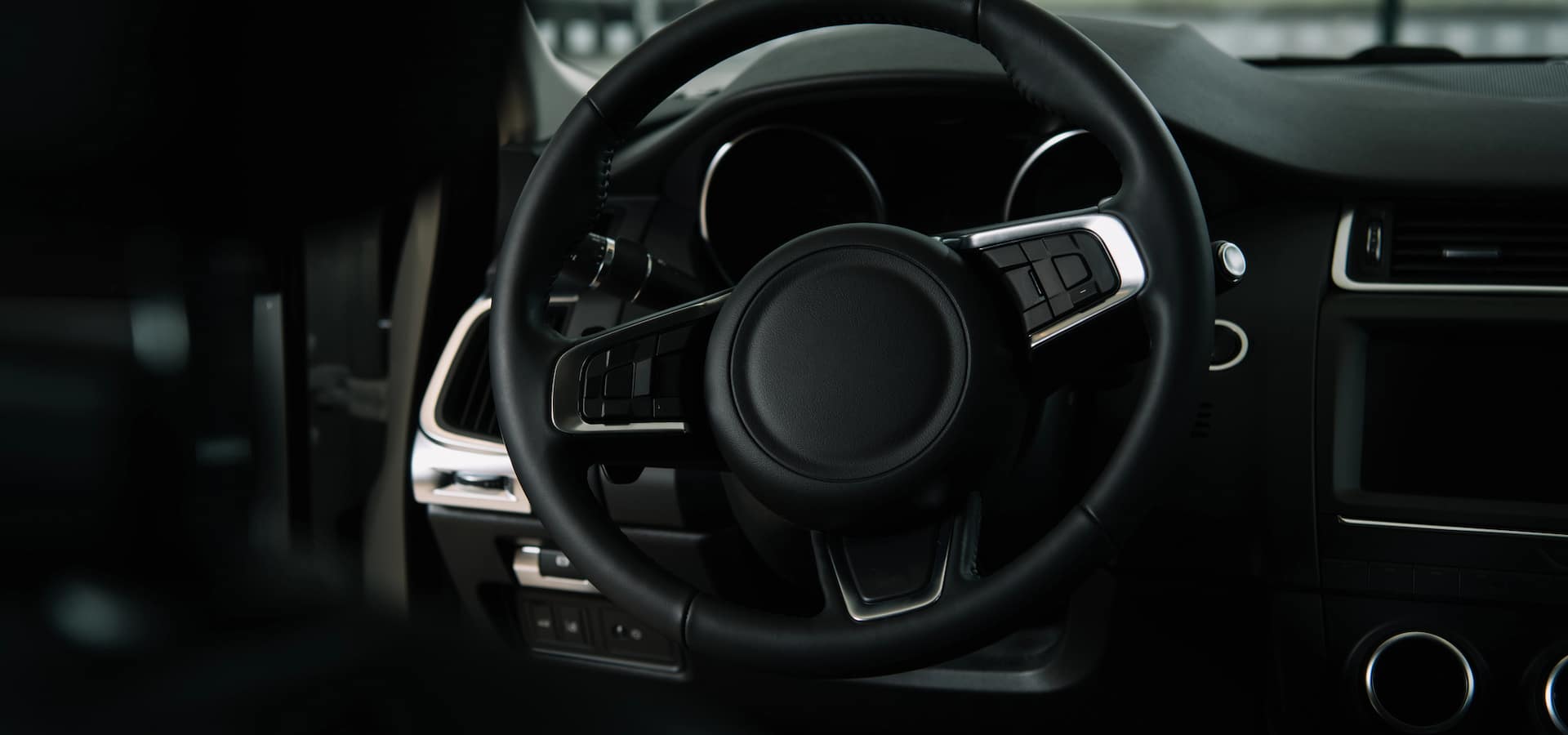
Mazda Steering Repair at Elevation Auto Repair
Most shops treat a Mazda steering complaint like any other car – swap a part and send you on your way. But Mazda's electric power steering (EPS) systems, especially on the SkyActiv Mazda3, Mazda6, and CX-5 platforms, often need a proper calibration and torque-sensor relearn after any work involving the column or rack. Skip that step and you get a wandering wheel, an off-center steering wheel, or a steering warning light that comes right back.
Mazda's shift to fully electric assist means the days of simply topping off power steering fluid are gone on many later models. The electronic control module, torque sensor, and steering angle sensor all talk to the ABS and stability control systems. Getting this right takes factory-level diagnostics, not a generic code reader.
A few Mazda-specific factors we account for:
- EPS torque-sensor faults that trigger sudden loss of assist on early SkyActiv models
- Steering angle sensor recalibration required after alignment or rack service
- Software updates and TSBs addressing EPS lag and warning-light complaints
- Older RX-8 and Miata hydraulic racks needing correct fluid spec and bleed procedure
What you can expect from us:
- An honest diagnosis that pinpoints the actual failed component
- Proper EPS calibration and steering angle relearn after every repair
- Clear communication before any parts go on your car
- A precision alignment to protect handling and tire life
Symptoms – How to Know You Need This Service
Steering problems on a Mazda rarely appear all at once. You'll usually feel small changes before the system throws a warning. Here's what drivers commonly report:
- A steering wheel that suddenly gets heavy or loses assist – often an EPS torque-sensor issue on SkyActiv models. Stop driving and have it towed.
- A steering or power steering warning light on the dash
- Clunking or knocking over bumps, pointing to worn tie rods or inner rack bushings
- A wheel that sits off-center after an alignment or hitting a pothole
- Whining or groaning while turning on older hydraulic-assist Miata and RX-8 models
- Vibration or shimmy through the wheel at highway speed
- Play or looseness where the wheel moves before the tires respond
- Steering that pulls or wanders and won't track straight
If assist disappears entirely or the wheel binds, treat it as urgent and don't drive the car. Warning lights, clunks, and mild pulling are safe to schedule soon, but don't wait – small failures in tie rods or sensors tend to get worse fast.
Common Steering Repair Issues on Mazda Vehicles
Mazda's shift toward electric power steering (EPS) across the SkyActiv lineup created a set of failure patterns that a generic shop often misreads as a simple pump or fluid problem. Most modern Mazdas don't even have hydraulic steering fluid to check.
- EPS torque sensor and steering rack faults (2014+ Mazda3, Mazda6, CX-5) – The column-mounted or rack-mounted EPS motor can throw an EPAS warning light with intermittent hard steering. This is specific to Mazda's SkyActiv EPS calibration, and it often stores a code that only surfaces with Mazda's factory scan tool.
- Front outer tie rod and inner tie rod wear (2010-2013 Mazda3 BL, older Mazda6) – Denver's freeze-thaw cycles and pothole-heavy spring roads accelerate play in these joints, producing a wandering feel and uneven tire wear.
- Lower control arm bushing failure feeding into steering (CX-5 KE/KF, CX-9) – Worn rear control arm bushings let the arm shift under braking, which shows up as a clunk and steering pull that gets blamed on the rack.
- Steering column intermediate shaft clunk (Mazda3, CX-30) – A knock felt through the wheel at low-speed turns often traces to the intermediate shaft coupler.
- MX-5 Miata (NC/ND) steering feel changes – The ND's EPS can develop notchy or uneven assist that responds to a calibration or software update rather than a rack replacement.
- Power steering pump whine on older hydraulic Mazdas (Protegé, first-gen Mazda6) – Aging pumps and low fluid create groaning at full lock.
Which Mazda Models We See for Steering Repair
We handle steering work across the modern Mazda lineup and most of the enthusiast classics. Find your car below:
- Mazda3 (BK, BL, BM, BP) – 2004 to present; later SkyActiv models use EPS that needs relearn after service
- Mazda6 (GG, GH, GJ) – common tie rod, rack, and EPS calibration work
- CX-5 (KE, KF) – 2013 to present; frequent EPS torque-sensor and angle-sensor complaints
- CX-30, CX-9 (TB, TC) – electric assist calibration and suspension-related steering issues
- MX-5 Miata (NA, NB, NC, ND) – hydraulic racks on NA/NB/NC, electric assist on ND; correct fluid and bleed matter
- RX-8 (SE3P) – 2004 to 2011; hydraulic power steering pump and rack service
- CX-3, Mazda2 – compact EPS systems and worn steering components
The biggest difference is hydraulic versus electric assist. Older Miata and RX-8 models get traditional pump, fluid, and rack service, while SkyActiv-era cars require electronic calibration that a generic shop usually skips. We're happy to look at rare imports and older pre-2000 Mazdas, though parts availability on those can vary – ask us first and we'll be straight with you about what's realistic.
Causes & Risks – What Happens if Ignored
Colorado roads are hard on steering components. Rough pavement, road salt in the mountains, and dramatic temperature swings wear tie rods, bushings, and EPS connectors faster than in milder climates. Age and mileage do the rest, especially on high-mileage SkyActiv commuters.
The trouble with steering problems is how quietly they escalate. A little play or an occasional warning light rarely stays small.
- Ignoring a loose tie rod end for months lets the joint separate further, chewing through a front tire and eventually risking loss of steering control.
- Driving on an intermittent EPS warning light can progress to full assist dropout, leaving heavy manual steering at parking-lot speeds where you least expect it.
- A worn control arm bushing left alone spreads load to the ball joint and rack mounts, turning one part into several.
- Neglected intermediate shaft play worsens until the coupler damages the column, a far bigger repair.
- Low fluid on older hydraulic pumps runs the pump dry and destroys it.
What starts as a quick alignment and one tie rod can become a rack, a set of tires, and suspension parts. Catching it early keeps both the repair and the risk small.
Safety Impact – Why Steering Repair Matters
Steering doesn't fail in isolation on a modern Mazda. The EPS system shares data with stability control, and worn suspension geometry affects how the ABS and traction control read wheel behavior. A neglected steering fault can quietly compromise how the whole chassis responds in an emergency.
Specific failure modes that put you and others at risk:
- Stop driving now: sudden loss of power assist, a steering wheel that binds or catches, visible tie rod separation, or a grinding felt through the wheel.
- Stop driving now: EPAS warning light paired with heavy or unpredictable steering effort.
- Schedule soon: mild wandering, a slow clunk over bumps, uneven tire wear, or a light groan at full lock.
There's a liability angle too. If a known steering fault goes unaddressed and contributes to a collision, that can complicate an insurance claim. Fixing a documented problem promptly protects you on the road and on paper. Our honest diagnostics tell you which category your Mazda falls into – no upselling parts you don't need.
How Mazda Steering Repair Actually Works
Most Mazdas built in the SkyActiv era use electric power steering, where a motor and torque sensor add assist based on how hard you turn and how fast you're going. There's no hydraulic pump or fluid to service on these – the "steering fluid" a generic shop wants to top off doesn't exist on your CX-5 or Mazda3. That changes how the work has to be done.
Because the assist is electronically controlled, replacing or disturbing steering parts often requires factory software steps that a parts-store scanner can't perform.
- Torque sensor and steering angle calibration after rack or column work, done with Mazda-compatible factory tooling.
- EPS software updates that resolve notchy or uneven assist on models like the ND Miata and later Mazda3 without hardware replacement.
- Alignment tied to steering geometry – Mazda's specs must be reset precisely so the EPS reads a centered wheel correctly.
- OEM torque sequences on tie rods, intermediate shafts, and control arm hardware to keep the geometry and NVH right.
We handle the diagnosis, the mechanical repair, and the calibration under one roof – a true dealership alternative for Denver Mazda owners who want it done correctly the first time.
How We Diagnose Steering Repair Issues on Mazda
Mazda's electric power steering (EPS) setups – particularly the column-mounted racks on the SkyActiv Mazda3, Mazda6, and CX-5 – often throw drivers off because there's no fluid to check and no whine to hear. A vague on-center feel or a sudden loss of assist usually points to the torque sensor, the EPS control module, or a low-voltage supply issue rather than anything mechanical.
- Pull codes with Mazda's factory-level scan interface (M-MDS/IDS-style access) to read EPS-specific DTCs, torque sensor data, and calibration status that generic OBD readers skip entirely.
- Check for open Mazda TSBs and software updates – early SkyActiv EPS modules have flash revisions that resolve intermittent assist dropouts and warning light behavior.
- Inspect the charging system and grounds, since low battery voltage will disable or derate EPS assist and mimic a failed component.
- Perform a hands-on visual: tie rod ends, inner rack boots, steering column coupling, and the intermediate shaft for the notchy clunk common on higher-mileage Mazdas.
- Road test to reproduce wandering, clicking on turns, or return-to-center lag, then take on-lift measurements of play and tie rod movement.
Once we combine scan data with the physical findings, we build a clear repair plan and quote so you know exactly which part is failing and why – no guesswork bundled into the estimate.
Steering Repair on Mazda: Repair vs. Replacement
Not every steering complaint means a new rack. We sort it by what's actually worn.
- Genuine repair: A software recalibration, an EPS reflash, tightening or re-torquing a steering column coupling, or replacing a single worn outer tie rod end – common fixes on Mazda3 and CX-5 platforms that restore proper feel without touching the rack.
- Partial replacement: Swapping worn inner and outer tie rods while keeping a healthy rack, or replacing a notchy intermediate shaft on a Mazda6 while the EPS motor and sensor test fine.
- Full replacement: When the torque sensor and EPS motor are integrated and failing, when internal rack play is beyond spec, or when a leaking/damaged unit makes piecemeal repair uneconomical and safety questionable.
Because SkyActiv EPS often integrates the motor, sensor, and rack as one assembly, we're honest when replacement is the sound call – and equally honest when a reflash or a single joint solves it. We lay out both paths, explain the trade-offs, and let you make the decision rather than defaulting to the biggest invoice.
How to Make Your Mazda Steering Repair Last Longer
A little attention keeps steering components from wearing out early, especially on Colorado roads.
- Driving habits: Avoid holding the wheel at full lock, ease over potholes and curbs, and don't turn the wheel hard while parked – all of which stress tie rods and the EPS motor.
- Cold-weather care: Let the system come up to temperature before aggressive maneuvers in Denver winters, and keep the battery healthy since low voltage strains the EPS module.
- Owner checks: Listen for new clunks over bumps, watch for the EPS warning light, and glance under the front end for torn rack boots that let grit into the joints.
- Brand-specific care: Stick to Mazda-spec parts for tie rods and bushings, keep EPS software current with the latest flashes, and follow Mazda's alignment and inspection intervals.
Safe DIY stops at visual checks, listening for changes, and keeping your battery and tires in good shape. Anything involving tie rod replacement, EPS calibration, or torque-critical steering fasteners should be left to us – these are safety-critical and require proper torque specs and a follow-up alignment to do right.
What to Expect When You Bring Your Mazda In
Mazda electric power steering (EPS) rarely fails the way older hydraulic systems did. On SkyActiv platforms like the 2014+ Mazda3 (BM/BN), CX-5 (KE/KF), and Mazda6 (GJ/GL), a wandering wheel or a lit EPS warning often traces back to a torque sensor fault, a corroded steering angle sensor connector, or software that needs recalibration – not a whole rack. We sort that out before touching parts.
- Drop-off or appointment – Tell us the exact symptom: notchy on-center feel, clunk over bumps, or an EPS light after a battery replacement.
- Initial inspection – We check the intermediate shaft, tie rod ends, EPS motor mount, and pull codes with Mazda-capable scan tools.
- Written estimate – A clear breakdown of what's failing and what can wait. No padded line items.
- Updates during the work – We call or text before adding anything, and we explain why in plain terms.
- Pickup walkthrough – We show you the old parts and what changed on the road test.
Shuttle and loaner options are available – just ask when scheduling, and after-hours pickup can be arranged. Grab valuables from the cabin before drop-off. Every steering repair ends with a road test plus a scan-tool re-check to confirm calibration, and if anything feels off afterward, bring it back and we'll re-verify it.
Why Choose Elevation Auto Repair for Mazda Steering Repair
Steering work on a modern Mazda lives and dies by the details. After a battery disconnect, an alignment, or a rack replacement, the steering angle sensor and torque sensor need proper zero-point calibration – skip it and you get a crooked wheel or a stubborn EPS light. We handle that in-house.
- Mazda-specific knowledge – We track TSBs and software updates covering EPS recalibration, steering column clunk on CX-5/CX-9, and on-center feel complaints on the Mazda3.
- Right tooling – Factory-level scan capability for steering angle and torque sensor calibration, plus proper torque and alignment specs.
- End-to-end ownership – The same shop diagnoses, repairs, and verifies the fix, so nothing gets lost in a handoff.
As your Denver dealership alternative, we give you honest diagnostics without unnecessary parts, precision alignments that protect handling and tire life, and clear communication from the first call to the final road test.
Our Mazda Services
- Air Conditioning AC Repair
- Battery Repair Replacement
- Brake Repair & Brake Fluid Change
- Check Engine Light Diagnostics
- Clutch Repair & Replacement
- Coolant Leak Repair
- Cooling System Repair
- Drive Shaft Repair
- Engine Repair
- Exhaust & Catalytic Converter Repair
- Head Gasket Repair & Replacement
- Oil Change
- Oil Leak Repair
- Scheduled Service Maintenance
- Suspension Repair
- Cambelt Timing Belt Replacement
- Transmission Repair
- Tune Up
- Wheel Alignment