
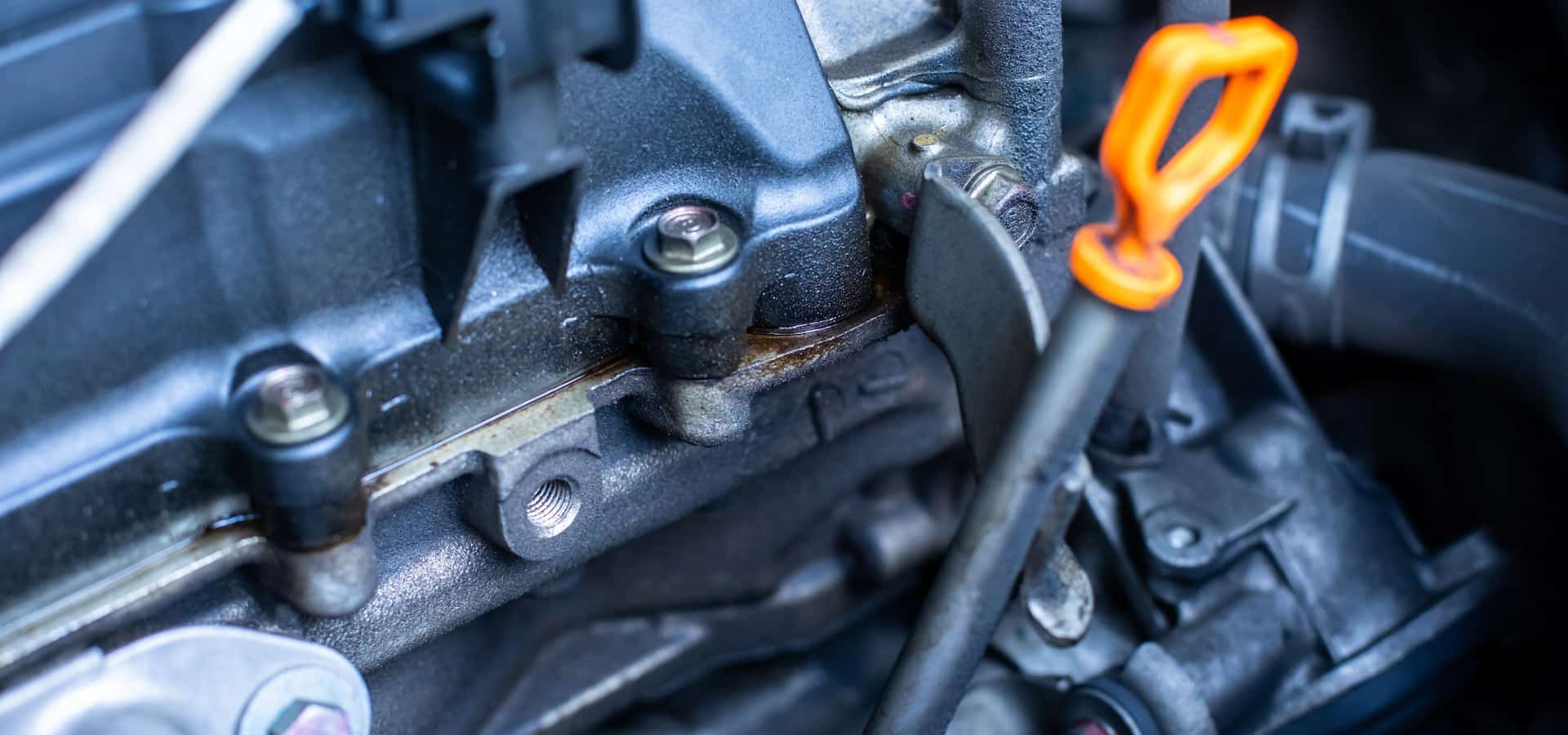
Mazda Oil Leak Repair at Elevation Auto Repair
A misdiagnosed oil leak on a Mazda can turn a simple seal job into a repeat repair – or worse, a warranty dispute over what caused the seepage in the first place. Getting it right the first time protects both your engine and your car's resale value.
Oil leak repair means tracing the exact source of oil migration, then replacing the failed gasket, seal, or housing to factory spec. On Mazda's SkyActiv-G and SkyActiv-D engines, this is rarely as simple as it looks. Front cover leaks, valve cover gaskets, and oil pan RTV joints all behave differently than they do on older port-injection engines, and the aluminum block-to-cover mating surfaces demand precise sealant application and staged torque sequences.
Two Mazda-specific factors change how we approach the job:
- RTV sealant procedure – SkyActiv timing covers and oil pans use anaerobic sealant rather than pre-cut gaskets, so bead width and cure time must match OEM guidance or the leak returns.
- Rear main and turbo feed lines – on turbocharged 2.5T and diesel platforms, oil supply and return lines are common seep points that generic shops overlook.
What you can expect from us:
- A dye or UV trace to confirm the true leak source before any parts come off
- OEM or OEM-equivalent seals and correct sealant, applied to Mazda torque specs
- A clear explanation of what we found and what we did not touch
- Repairs done once, so oil stays where it belongs
Symptoms – How to Know You Need This Service
Oil leaks tend to announce themselves gradually. Catching them early keeps a minor seal job from becoming a bearing or overheating problem.
- Oil spots under the car – dark brown or amber puddles near the front-center of your parking spot point to a pan, cover, or filter housing leak.
- Burning oil smell – you may notice a hot, acrid odor after driving, often from oil dripping onto the exhaust manifold or turbo.
- Visible smoke from the engine bay – wisps of smoke at idle usually mean oil is contacting hot components. Schedule soon.
- Low oil level between changes – topping off more often than usual suggests active loss.
- Oil warning light or low pressure alert – if this comes on, stop driving immediately and have the car towed. Running low on pressure can destroy an engine quickly.
- Oily residue on the block or crossmember – a wet, grimy film building up under the valve cover or timing area.
- Ticking or lifter noise – on SkyActiv engines, dropping oil level can cause valvetrain noise that fades once oil is restored.
A slow seep can usually wait for a scheduled appointment. Active dripping, smoke, or any oil-pressure warning means bring it in right away.
Common Oil Leak Repair Issues on Mazda Vehicles
Getting an oil leak wrong on a Mazda usually means a repeat repair, a stained driveway, and a hit to resale value when a buyer spots seepage under the valve cover. The Skyactiv platform has its own leak signatures, and knowing them saves you from paying twice.
- Valve cover gasket seepage on Skyactiv-G 2.0L and 2.5L (2012+ Mazda3, CX-5, Mazda6) – the molded gasket and its integrated grommets harden with heat cycling, weeping oil down the back of the head where it can drip onto the exhaust.
- Front crankshaft seal and timing cover leaks – common on higher-mileage Skyactiv engines where the front cover sealant and crank seal give up, often mistaken for a valve cover leak until the source is traced upward.
- Rear main seal seepage – shows up as drips at the bell housing junction, more prevalent on older MZR-engined Mazda3 and Mazda6 platforms.
- Oil pan gasket and RTV-sealed pans – Mazda uses a formed-in-place sealant on many Skyactiv pans, so a botched reseal leaks almost immediately if the surface prep and torque sequence are off.
- Oil filter housing and cooler seals on CX-9 and turbo 2.5T (2016+) – the turbocharged Skyactiv-G platform adds oil feed and return lines that develop weeps at their fittings.
- VVT actuator and camshaft position sensor O-rings – small O-rings on Skyactiv variable valve timing hardware seep oil that mimics a larger gasket failure.
Which Mazda Models We See for Oil Leak Repair
We handle oil leak diagnosis and repair across the modern Mazda lineup, with the majority being SkyActiv-equipped vehicles from the last decade. Find your car below:
- Mazda3 (BM/BN and current BP, 2014–present) – valve cover and front cover seep on the 2.0L and 2.5L SkyActiv-G is the most common request.
- Mazda6 (GJ/GL, 2014–2021) – oil pan RTV joints and the 2.5T turbo oil lines on the Signature and Grand Touring turbo variants.
- CX-5 (KE and KF, 2013–present) – high-mileage valve cover gaskets and cam position sensor seals; the 2.5T needs extra attention at the turbo feed line.
- CX-9 (TC, 2016–present) – 2.5T turbocharged four; rear main and oil cooler areas are worth inspecting.
- CX-30 and CX-50 (2020–present) – newer SkyActiv-G platforms, typically covered under factory warranty, so we coordinate accordingly.
- MX-5 Miata (ND, 2016–present) – oil pan and front crank seal seep on the 1.5L and 2.0L.
- Older MZR-engine Mazda3/Mazda6 (2004–2013) – valve cover and cam seal leaks on the 2.0L and 2.3L.
Turbocharged 2.5T models take longer than naturally aspirated cars because of the extra oil-supply plumbing. For very early rotary RX-8 apex-seal-related oil consumption, that is a separate specialty conversation – we'll tell you honestly if it's outside what we take on.
Causes & Risks – What Happens if Ignored
Denver's temperature swings and dry, high-altitude air accelerate gasket hardening, and Mazda's molded rubber and RTV seals are sensitive to that heat-and-cool cycling. Add road grime, short trips that never fully warm the oil, and age past 80,000 miles, and small weeps turn into steady drips.
A valve cover leak that drips onto a hot exhaust manifold creates smoke and a burning smell long before it empties the crankcase – but ignore it and the problem compounds.
- Oil dripping onto the exhaust can smoke and, in the worst case, create a fire risk.
- A slow rear main or front seal leak that goes unwatched for months can drop oil level enough to starve bearings and camshaft lobes.
- Oil contaminating the serpentine belt causes slippage, squeal, and eventual belt failure – which takes out charging and cooling.
- Seepage onto the crankshaft position sensor or VVT connectors triggers intermittent misfires and check-engine faults.
- What starts as an inexpensive gasket becomes a stripped or warped sealing surface if the leak eats away at gaskets around it.
Waiting also risks your factory powertrain warranty and clean resale record. Documented, correct repair keeps both intact.
Safety Impact – Why Oil Leak Repair Matters
An oil leak on a Mazda is rarely just a mess – it touches systems that keep you in control. Oil on the belt drive can disable power steering assist and cooling, while low oil pressure from a neglected leak puts the whole engine at risk.
- Stop driving now: heavy smoke from under the hood, a burning-oil smell paired with a low-oil-pressure warning, or a suddenly slick belt with steering that stiffens.
- Schedule soon: a small spot on the driveway, faint oil smell after highway drives, or slight seepage found during an oil change.
Oil-fouled sensors can throw the stability control and ABS into limp behavior, and a belt lost to oil contamination kills the water pump and alternator at once – leaving you stranded in traffic. If a known, unaddressed leak contributes to a breakdown or fire, insurers may push back on coverage. A clear inspection record and prompt repair protect you on both the safety and liability fronts.
How Mazda Oil Leak Repair Actually Works
Mazda's Skyactiv engines seal several joints with formed-in-place RTV rather than pre-cut gaskets, and the variable valve timing hardware adds O-rings and oil passages that a generic reseal can miss. Correct repair starts with tracing the true source using UV dye and Mazda's service data, not just replacing the first wet gasket someone sees.
- Clean and dye-test to confirm the actual leak point before pulling parts.
- Remove intake, coil, or cover hardware following Mazda's disassembly order to protect fragile connectors.
- Prep sealing surfaces completely – RTV joints fail fast if old sealant or oil film remains.
- Set the correct bead and torque each fastener to Mazda spec in the proper sequence.
- Reset any related VVT or sensor faults and verify no residual weep after a heat cycle.
- Skyactiv RTV pans and covers need factory sealant type and cure time, not a universal substitute.
- Torque sequence matters – uneven clamping on the molded valve cover distorts the seal.
- VVT and oil-control components require correct O-rings and clean assembly to avoid new leaks.
As your Denver dealership alternative, Elevation Auto Repair handles this with OEM-grade procedures and honest diagnostics – one trusted shop for everything from the oil change to the full reseal, focused on long-term reliability.
An oil leak on a Mazda rarely stays a small problem. Left alone, seeping oil coats belts, cooks against exhaust components, and can void the powertrain warranty on newer SkyActiv models if service records don't show proper repair. Getting the source right the first time protects both your engine and your resale value – something dealership flat-rate techs often rush past.
How We Diagnose Oil Leak Repair Issues on Mazda
Finding the true origin of a leak matters more than replacing the first wet gasket you see. Mazda engines route oil past several common failure points, and a top-down leak can look like a bottom-end problem.
- Scan first: We connect Mazda Modular Diagnostic System (M-MDS) or equivalent OEM-level software to pull oil pressure sensor data, cam/crank correlation, and any pending codes that hint at PCV or seal-related issues on SkyActiv-G and SkyActiv-D engines.
- Cold visual inspection: We check the usual Mazda suspects – valve cover gasket, front and rear crank seals, oil pan RTV sealing surface, and the oil filter housing seal on 2.0L and 2.5L SkyActiv fours.
- UV dye and clean-and-return: When the source is unclear, we degrease, add fluorescent dye, and road test so the leak reveals itself under real load and temperature.
- PCV and pressure checks: Excess crankcase pressure from a failing PCV system pushes oil past seals. We measure it rather than guess.
- Road test and re-measure: We confirm the leak point at operating temp and inspect for oil migration onto belts, subframe, and exhaust.
From there you get a plain-language repair plan and a written quote – the exact source, the parts involved, and why each step is needed. No mystery line items.
Oil Leak Repair on Mazda: Repair vs. Replacement
Not every Mazda oil leak calls for a teardown. The right answer depends on which component is failing and how far the wear has spread.
- Genuine repair: A weeping valve cover gasket, a loose oil filter housing seal, or a drain plug/oil pan bolt reseal often just needs cleaning, a fresh OEM gasket, and correct torque. The surrounding assembly stays in service.
- Partial replacement: When the front crank seal fails but the timing chain cover is sound, we replace the seal and reseal the cover – common on higher-mileage SkyActiv fours – without touching parts that still measure within spec.
- Full replacement: Cascading wear changes the math. A rear main seal leak paired with a worn PCV system, or oil pan corrosion with damaged threads, may make replacing the full component more sensible than repeated partial fixes.
We lay out both paths with the trade-offs – cost, longevity, and warranty impact – then let you choose. We'd rather earn a returning customer than push the biggest invoice.
How to Make Your Mazda Oil Leak Repair Last Longer
A quality reseal holds up for years when the engine isn't fighting against heat cycles and pressure spikes. A few habits protect the work.
- Warm up gently: Let oil circulate before hard acceleration, especially in Denver's cold mornings – thermal shock is hard on fresh gaskets and seals.
- Watch your fluids: Peek under the car for spots, check the dipstick monthly, and don't ignore the oil pressure or check engine light.
- Listen and smell: A hot-oil odor or new ticking can signal a PCV or seal issue returning early.
Brand-specific care that pays off:
- Use the correct SkyActiv 0W-20 spec oil and OEM filters – wrong viscosity raises crankcase pressure and stresses seals.
- Follow Mazda's service intervals and keep software current, since PCM updates can affect oil control behavior.
- Replace the PCV system on schedule to keep crankcase pressure in check.
Safe DIY includes visual checks, dipstick monitoring, and topping off with the right oil. Leave seal replacement, oil pan work, and anything requiring lifts or torque-critical resealing to the shop – those are where shortcuts create leaks all over again.
A misdiagnosed oil leak on a Mazda gets expensive fast – chasing the wrong seal, replacing gaskets that were never the source, or overlooking a factory update that would have solved the problem. On Skyactiv-G engines like the 2.0L and 2.5L in the CX-5, Mazda3, and Mazda6, valve cover gaskets and the front timing cover are frequent culprits, while older 2.3L and 2.5L MZR fours (2003-2013 Mazda3, Mazda6, CX-7) tend to weep from the crankshaft rear main and oil pan rail. Guess wrong and you pay twice. We pinpoint the source before touching a fastener.
What to Expect When You Bring Your Mazda In
The visit follows a clear path so you always know where things stand.
- Drop-off or appointment – schedule ahead or leave the vehicle at your convenience. Loaner and shuttle options are available, and after-hours key drop keeps things flexible.
- Initial inspection – we degrease and dye-trace the suspected area to separate a leaking valve cover gasket from a seeping front cover or rear main seal on your Skyactiv or MZR engine.
- Written estimate – you get a plain-language breakdown of the actual source, the parts involved, and the labor before any work begins.
- During the repair – we call or text with updates, and if we find a related issue like a PCV valve failing and pressurizing the crankcase, we explain it and wait for your approval.
- Pickup walkthrough – we show you the old gaskets or seals and confirm what was corrected.
Bring personal items out of the cabin, or let us know and we'll set them aside safely. Every oil leak repair finishes with a road test and a scan-tool re-check to confirm no oil-related codes and normal crankcase behavior. If anything feels off after you leave, bring it back and we'll re-verify our work.
Why Choose Elevation Auto Repair for Mazda Oil Leak Repair
We treat Mazda oil leaks as a diagnosis problem first, not a parts-cannon exercise. That approach protects your warranty standing and resale value by keeping the repair documented and correct the first time.
- Platform-specific knowledge – familiarity with Skyactiv front timing cover sealing, MZR rear main seal patterns, and the oil-consumption service updates and TSBs that affect several model years.
- Correct sealing procedure – we follow Mazda torque sequences and use the specified RTV and gasket materials rather than generic substitutes that leak again.
- End-to-end ownership – the same shop handles dye-trace diagnosis, the repair, and post-repair verification, so nothing gets lost between departments.
As your Denver dealership alternative, we handle everything from the oil leak itself to the related PCV, cooling, and drivetrain work a Mazda may need. Honest diagnostics mean we tell you what's actually leaking – and what isn't – so you spend on the repair that keeps your car reliable for the long haul.
Our Mazda Services
- Air Conditioning AC Repair
- Battery Repair Replacement
- Brake Repair & Brake Fluid Change
- Check Engine Light Diagnostics
- Clutch Repair & Replacement
- Coolant Leak Repair
- Cooling System Repair
- Drive Shaft Repair
- Engine Repair
- Exhaust & Catalytic Converter Repair
- Head Gasket Repair & Replacement
- Oil Change
- Scheduled Service Maintenance
- Steering Repair
- Suspension Repair
- Cambelt Timing Belt Replacement
- Transmission Repair
- Tune Up
- Wheel Alignment