
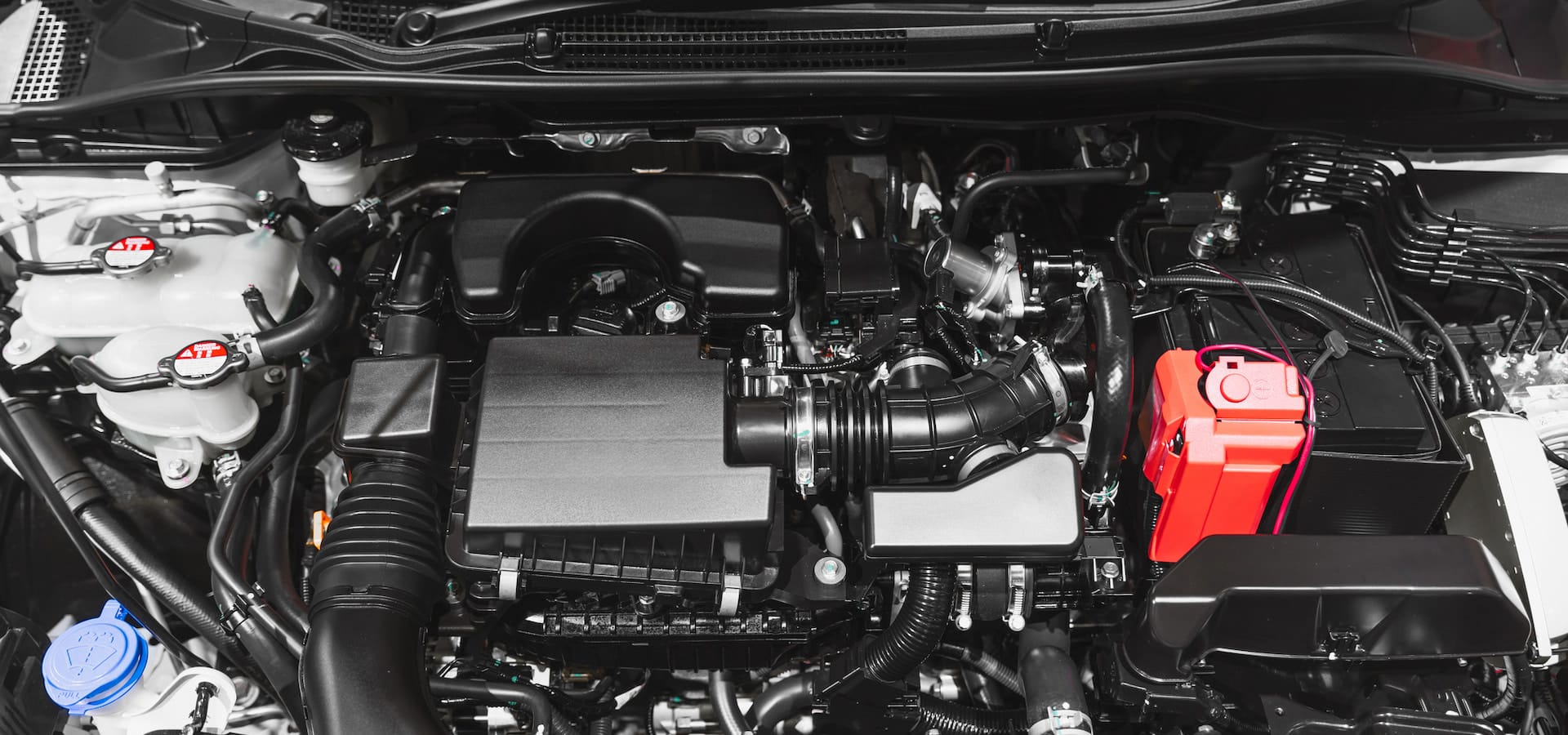
Mazda Engine Repair at Elevation Auto Repair
Mazda's SkyActiv-G engines run some of the highest compression ratios in any mass-produced gasoline motor – up to 13:1 – which puts real demands on fuel quality, carbon management, and precise service work. That design philosophy is exactly why a Mazda engine rewards a shop that knows the platform rather than one guessing its way through.
Engine repair on a Mazda covers everything from timing chain and variable valve timing work to head gasket service, oil consumption diagnosis, and internal repairs. The details matter here. SkyActiv engines use specific torque-to-yield fasteners and stretch-bolt procedures, and many driveability faults trace back to needed PCM calibration updates rather than hard parts.
Our technicians pull codes with proper scan tools, verify fuel trims and valve timing data, and follow Mazda's documented service specs instead of shortcut methods. We also check for open software campaigns before we start replacing components.
What you can expect when you bring your Mazda in:
- Honest diagnostics that separate a real engine fault from a sensor or software issue
- OEM-correct torque specs, sealants, and fluid types for your specific engine
- Clear explanation of what needs repair now versus what can wait
- Repairs focused on long-term reliability, not quick patches
Symptoms – How to Know You Need This Service
Mazda engines usually give warning before a major failure. Catching these signs early keeps a repair from turning into a rebuild.
- Check engine light with misfire or timing codes – often P0300-series or variable valve timing faults on SkyActiv engines; schedule soon.
- Rattle on cold start – a brief chain or VVT actuator rattle that lingers points to timing component wear; have it inspected soon.
- Burning oil smell or low oil between changes – oil consumption shows up on some higher-mileage 2.0L and 2.5L engines; monitor and schedule.
- Rough idle or hesitation under load – can signal carbon buildup on direct-injection intake valves or a failing coil.
- White exhaust smoke or coolant loss – possible head gasket or coolant intrusion; stop driving and have it towed in.
- Knocking or heavy metallic noise from the engine – internal bearing or rod concern; stop driving immediately.
- Overheating or temperature spikes – running an overheating Mazda risks warping the head; pull over and shut it down.
- Loss of power with reduced-engine warning – the PCM protecting itself from a detected fault; schedule promptly.
When in doubt between "drive it in" and "tow it in," the safe call is to stop – knocking, overheating, and coolant loss are the three that warrant an immediate halt.
Common Engine Repair Issues on Mazda Vehicles
Mazda engines are durable, but each generation carries its own signature wear paths. Here's what we see roll through the shop most often:
- Oil dilution on 2018-2021 CX-5 and Mazda6 SkyActiv-G 2.5T turbo and non-turbo – fuel washing past the rings in cold-weather short trips raises oil level and thins viscosity, a pattern Mazda addressed through PCM updates. Denver's cold mornings accelerate this.
- Carbon buildup on early SkyActiv direct-injection engines – with no port injection to wash the valves, intake deposits form on high-compression 2012-2018 units, causing rough idle and misfires over time.
- Variable Valve Timing (VVT) actuator rattle on SkyActiv-G 2.0L/2.5L – a cold-start rattle from the timing chain tensioner or VVT phaser, often traced to degraded oil or extended change intervals.
- Turbocharger and wastegate issues on 2.5T CX-5, CX-9, Mazda6 – coking in oil feed lines and wastegate actuator wear show up as boost inconsistency and cabin noise.
- Coolant loss and thermostat housing seepage – the SkyActiv cooling circuit is sensitive to small leaks, which show as slow overheating creep.
- Legacy 2.3L DISI turbo (Mazdaspeed3/6) HPFP and cam lobe wear – high-pressure fuel pump internal follower wear remains a known failure on these enthusiast platforms.
Which Mazda Models We See for Engine Repair
We handle engine work across the modern Mazda lineup and many earlier models. Find your car below.
- Mazda3 (BM/BN, 2014-2018; BP, 2019-present) – SkyActiv-G 2.0L and 2.5L; carbon buildup and VVT concerns are the usual visitors.
- Mazda6 (GJ/GL, 2014-2021) – 2.5L SkyActiv-G and the turbocharged 2.5T; turbo variants need extra attention to oil quality and feed lines.
- CX-5 (KE, 2013-2016; KF, 2017-present) – high-volume 2.0L and 2.5L SkyActiv engines, including 2.5T on Signature trims.
- CX-30, CX-9 (TC/TB), and CX-50 – naturally aspirated and turbo 2.5L engines with platform-specific service steps.
- MX-5 Miata (NC, 2006-2015; ND, 2016-present) – MZR and SkyActiv fours; timing and oil-consumption work are the common jobs.
- Older MZR-powered Mazda3/Mazda6/CX-7 (2007-2013) – including the 2.3L DISI turbo on CX-7, known for timing chain and turbo-related wear.
Turbocharged SkyActiv and DISI engines carry different diagnostic and repair steps than the naturally aspirated versions, so we treat them separately. We focus on gasoline SkyActiv and MZR platforms; rotary RX-8 engine rebuilds fall outside our regular scope, and we'll point you toward a rotary specialist if that's your car.
Mazda's SkyActiv philosophy pushed compression ratios into territory most naturally aspirated engines avoid – the SkyActiv-G 2.0L and 2.5L run 13:1 or higher, which changes how carbon, oil control, and fuel dilution behave over a vehicle's life. That engineering choice rewards attentive maintenance and punishes neglect faster than a lower-compression design would. At Elevation Auto Repair, we work on these platforms with an eye toward how Mazda actually built them.
Causes & Risks – What Happens if Ignored
Most Mazda engine problems trace back to a mix of high-compression design, direct injection, and the Front Range's cold starts and altitude. Short winter commutes never let the engine fully burn off fuel dilution, and thin mountain air makes turbocharged 2.5T units work harder.
Small symptoms rarely stay small. A cold-start VVT rattle you tolerate for a season chews on the timing chain guides until the phaser or chain itself needs replacement.
- Ignoring oil dilution for months thins the oil film and accelerates bearing and cam wear – a filter change becomes a bottom-end concern.
- Untreated carbon buildup progresses from rough idle to persistent misfires, then to fouled coils and catalytic converter damage.
- A weeping thermostat housing left unaddressed can spike coolant temps and warp the aluminum head on these tight-tolerance SkyActiv blocks.
- Turbo oil-feed coking that starts as a whine ends as bearing failure, sending debris downstream.
- Delayed HPFP service on Mazdaspeed platforms risks metal contamination through the fuel system.
The pattern is consistent: a modest repair caught early stays affordable, while a deferred one pulls in surrounding parts and labor. We'd rather catch it at the rattle than at the rebuild.
Safety Impact – Why Engine Repair Matters
Engine trouble doesn't stay under the hood. On modern Mazdas, the engine feeds power and vacuum signals that support systems drivers rely on to stay in control.
- Stability control and traction control lean on consistent engine torque management – misfires and stumbles can disrupt intervention timing.
- Power-assisted braking depends on stable engine vacuum; a rough-running or stalling engine degrades pedal assist.
- Electronic power steering can lose assist if the engine drops out at speed.
- Overheating risks sudden power loss and, with a warped head, a stall in traffic.
Know the difference between wait and stop:
- Stop driving now: temperature gauge in the red, steam from the hood, flashing check engine light, sudden loss of power or stalling.
- Schedule soon: steady check engine light, cold-start rattle, minor coolant smell, slight boost hesitation.
There's also a liability angle – if a manufacturer has issued a TSB or software update for a known concern and it's never applied, an unaddressed defect can complicate matters after an incident. Documenting and correcting these keeps you covered.
How Mazda Engine Repair Actually Works
Mazda's SkyActiv engines pair very high compression with precise direct injection and variable valve timing, so the PCM controls fuel timing, spark, and cam phasing with tight tolerances. That means many repairs aren't finished until the software side is addressed – a mechanically perfect fix can still throw codes without the right calibration.
What sets Mazda work apart from generic engine service:
- PCM reflashes and updates – oil dilution and cold-start behavior were partly resolved through Mazda software revisions, applied with Mazda-compatible diagnostic tooling rather than a generic scanner.
- VVT and timing procedures follow Mazda's specific torque and sequence specs to preserve phaser timing and chain tension.
- Direct-injection carbon service often calls for walnut
Mazda's SkyActiv-G engines run some of the highest compression ratios in the naturally aspirated world – 13:1 or higher on the 2.0L and 2.5L four-cylinders. That design chases efficiency, but it also makes carbon buildup, fuel dilution, and timing accuracy matter more than on lower-compression platforms. Getting engine repair right on a Mazda means knowing where these engines actually wear.
How We Diagnose Engine Repair Issues on Mazda
A good repair starts with an accurate read of what's failing – not a parts-swapping guess. Here's how we work through a Mazda engine complaint:
- Pull codes and live data with a Mazda-capable scan tool that reads Mazda-specific PIDs – fuel trims, misfire counters, cam/crank correlation, and knock retard that generic readers miss.
- Review freeze-frame data to see the exact conditions when a fault set – load, RPM, and coolant temperature all narrow the search.
- Perform a cold-start listen and warm road test, watching for the SkyActiv rattle at startup that can point to timing chain or VVT actuator wear on higher-mileage 2.0L and 2.5L engines.
- Visually inspect for oil weeping at the valve cover, timing cover, and rear main – common leak points as these engines age.
- Run compression and leak-down tests when a misfire or power complaint suggests valve, ring, or head gasket trouble.
- Check for known TSBs and software updates that address driveability flags before condemning hardware.
Once the cause is confirmed, we translate the findings into a plain-language repair plan with a written quote so you know what's needed, what can wait, and why – no surprise add-ons.
Engine Repair on Mazda: Repair vs. Replacement
Not every engine problem needs an engine. We match the fix to the actual condition of the assembly.
- Genuine repair: Carbon cleaning on direct-injection SkyActiv intake valves, replacing a leaking valve cover gasket, cleaning or swapping a stuck VVT actuator, or reseating ignition and injector components. The core engine stays.
- Partial replacement: A stretched timing chain, worn guides, or a failed water pump on the 2.5L gets the affected parts replaced while a sound bottom end stays in service. Same logic applies to a single leaking head gasket on an otherwise healthy block.
- Full replacement: When low compression across multiple cylinders, spun bearings, or coolant-in-oil damage shows cascading wear – or when repair cost climbs toward the price of a good long block – a replacement is the honest call.
We lay out each path with its trade-offs and let you decide. The goal is the repair that keeps your Mazda reliable, not the one with the biggest invoice.
How to Make Your Mazda Engine Repair Last Longer
Once a repair is done, how you drive and maintain the car decides how long it holds.
Driving habits that protect the work
- Give the engine a short warm-up before hard acceleration, especially in cold Denver mornings – oil needs to reach the top end.
- Avoid lugging the engine at low RPM under load, which stresses the high-compression SkyActiv design.
- Ease off constant short trips when possible – they promote fuel dilution in the oil.
Owner maintenance you can handle
- Check oil level and color regularly; SkyActiv engines are sensitive to low or diluted oil.
- Listen for new startup rattle or ticking and note when it happens.
- Watch for check-engine or oil-pressure lights and act early rather than waiting.
Brand-specific care
- Use OEM-spec 0W-20 and stick to Mazda's service intervals – the right oil matters on these tolerances.
- Keep powertrain software current, since updates can refine fuel and timing behavior.
- Choose quality filters and genuine parts for timing and cooling components.
Fluid checks and listening are safe to do yourself. Leave timing chain work, internal repairs, and anything involving the fuel or cooling system under pressure to the shop – those carry real risk done wrong.
What to Expect When You Bring Your Mazda In
Mazda's SkyActiv-G engines run high 13:1 and 14:1 compression ratios, which makes accurate diagnosis on the front end matter more than most platforms. Here's how a visit flows:
- Drop-off or scheduled appointment – Tell us the symptoms you're noticing: a rough idle on a 2.5L SkyActiv, a rattle on cold start, oil consumption, or a check engine light. Shuttle and loaner options are available so you're not stranded.
- Initial inspection – We pull codes and live data, check fuel trims, and inspect for known Mazda quirks like carbon buildup on direct-injection intake valves or the low-pressure fuel pump concerns seen on some 2014-2018 SkyActiv models.
- Written estimate – You get a clear breakdown of parts and labor before any work starts. No surprise add-ons.
- Communication during the work – We check in as we confirm the diagnosis and if anything new surfaces once we're deeper into the job.
- Pickup walkthrough – We show you what was replaced and explain what we found.
Bring personal items out of the cabin before drop-off, and ask about after-hours pickup if your schedule is tight. Every engine repair ends with a road test and a scan-tool re-check to confirm fuel trims, misfire counts, and readiness monitors are back where they belong. If something feels off afterward, bring it back – we'll re-verify.
Why Choose Elevation Auto Repair for Mazda Engine Repair
Mazda engine work rewards technicians who know the platform. We keep up with Mazda TSBs and reflash campaigns – from PCM software updates addressing rough running and long crank complaints to the variable valve timing actuator and oil-control valve issues that show up on SkyActiv fours.
- Platform-specific diagnosis – We understand SkyActiv direct-injection carbon buildup, timing chain and VVT concerns, and the cooling paths that lead to overheating on 2.0L and 2.5L engines.
- End-to-end ownership – The same shop diagnoses, repairs, and verifies the fix. Nothing gets handed off or guessed at.
- Correct specs and procedures – Proper torque sequences, Mazda-approved fluids, and OEM-level reassembly instead of shortcuts.
As your Denver dealership alternative, we handle everything from a coolant leak to a full engine job under one roof – with honest diagnostics and clear communication the whole way through.
Our Mazda Services
- Air Conditioning AC Repair
- Battery Repair Replacement
- Brake Repair & Brake Fluid Change
- Check Engine Light Diagnostics
- Clutch Repair & Replacement
- Coolant Leak Repair
- Cooling System Repair
- Drive Shaft Repair
- Exhaust & Catalytic Converter Repair
- Head Gasket Repair & Replacement
- Oil Change
- Oil Leak Repair
- Scheduled Service Maintenance
- Steering Repair
- Suspension Repair
- Cambelt Timing Belt Replacement
- Transmission Repair
- Tune Up
- Wheel Alignment