GMC Clutch Repair & Replacement at Elevation Auto Repair
Get a GMC clutch job wrong and the mistake shows up fast – slave cylinder failures, driveline vibration, and a flywheel that eats a fresh disc in a few thousand miles. On a truck platform, the stakes are higher because the clutch has to survive towing loads and Denver grades.
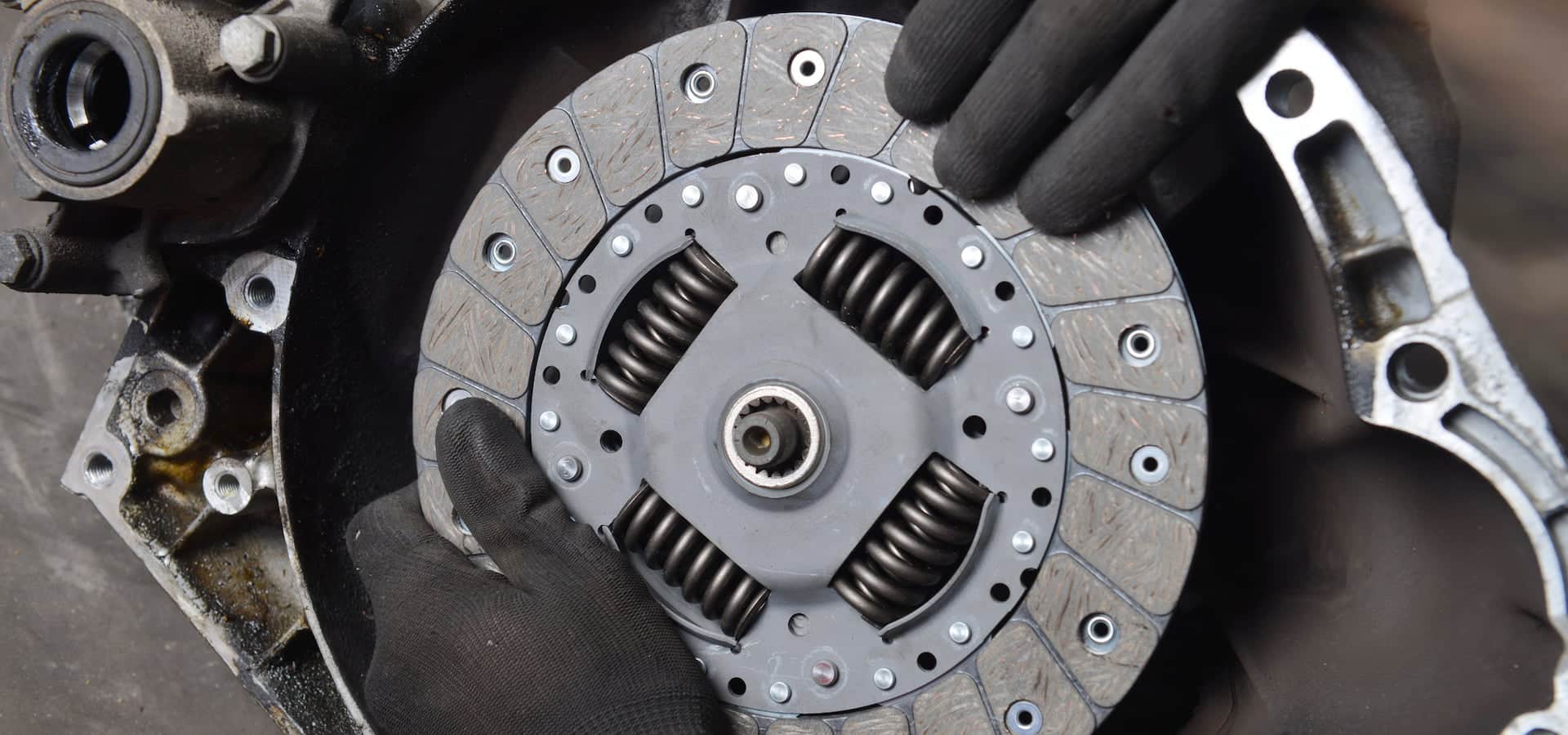
Clutch repair and replacement covers the friction disc, pressure plate, release bearing, pilot bearing, and often the flywheel and hydraulic release components. GMC-specific details matter here.
- Manual-equipped GMC trucks like the older Sonoma/Canyon with the 4L or 5-cylinder use a concentric slave cylinder (CSC) that's inside the bellhousing – replacing the clutch without swapping the CSC is a shortcut that leads to a repeat teardown.
- Dual-mass flywheels on diesel and heavier-duty applications must be measured for runout and free play against factory spec, not just eyeballed.
- Input shaft splines get cleaned and lightly lubricated per OEM guidance, and bolts torqued to platform-specific values in sequence.
Doing this correctly protects your factory or extended coverage and keeps resale value intact. What you can expect from us:
- Honest diagnosis that separates a worn clutch from a hydraulic or fork issue
- OEM-grade friction components and flywheel measurement before reuse or resurfacing
- Proper hydraulic bleed and pedal feel verification
- Clear communication before any additional work is approved
Symptoms – How to Know You Need This Service
Clutch wear rarely happens overnight. From the driver's seat, you may notice several warning signs building over time.
- Slipping under load – engine RPM climbs but speed lags, especially towing or climbing a grade. Schedule soon.
- High or vague engagement point – the clutch grabs near the top of pedal travel, a classic sign of a worn disc.
- Chatter or shudder when releasing from a stop, often pointing to a contaminated or glazed disc or a failing dual-mass flywheel.
- Burning smell after stop-and-go driving – overheated friction material. Ease off and get it inspected.
- Soft, sinking, or dropping-to-the-floor pedal – usually a hydraulic issue with the master or concentric slave cylinder. Stop driving and have it towed – you can lose the ability to shift safely.
- Grinding when shifting even with the pedal fully down, meaning the clutch isn't fully disengaging.
- Rattling or growling that changes with the pedal, often a release or pilot bearing.
If the pedal feels normal but the truck slips, keep driving light and book an appointment. If the pedal fails, don't risk it – get it in right away.
Common Clutch Repair & Replacement Issues on GMC Vehicles
Getting clutch work wrong on a GMC gets expensive fast. Pull the wrong hydraulic component, skip a bleed step, or mismatch a flywheel spec and you're back inside the transmission tunnel within months. Here's what we see roll into the shop most often.
- Slave cylinder failure on 2007-2013 GMC Sierra 1500 (GMT900) manuals – the internal concentric slave cylinder lives inside the bellhousing, so a leak means dropping the transmission even though the clutch disc still has life left.
- Hydraulic master cylinder softness on older Canyon/Colorado pickups – a spongy pedal and hard-to-find bite point usually trace back to a failing master or air in the line, not the disc itself.
- Worn pilot bearing on higher-mileage Sierra and Savana platforms – produces a squeal or grind that shows up only with the clutch pedal pressed, often ignored until the input shaft is scored.
- Dual-mass flywheel wear on diesel-equipped GMC applications – heavy torque loads wear the flywheel's internal springs, causing rattle at idle and clutch chatter on takeoff.
- Clutch disc glazing and hot spots from towing – GMC trucks used for hauling see slipping and burning smells long before mileage would suggest, thanks to heat cycling.
- Release fork and throwout bearing chatter on legacy Syclone/Typhoon and older full-size manuals – dry or worn bearings that make the pedal harsh and noisy.
Each of these carries a platform-specific fix path, and knowing which component actually failed saves you from paying to open the same job twice.
Which GMC Models We See for Clutch Repair & Replacement
Manual transmissions are less common in the GMC lineup than they once were, so most clutch work we see is on older trucks and select midsize applications. Bring us your GMC and we'll confirm the exact setup before quoting.
- GMC Sonoma (1994–2004) – 2.2L four and 4.3L V6 with the manual gearbox; common disc wear and hydraulic release issues.
- GMC Canyon, first generation (2004–2012) – 2.8L/2.9L/3.7L Atlas engines with the 5-speed manual, including the concentric slave cylinder setup that we always replace with the clutch.
- GMC Sierra 1500/2500 (1999–2007, GMT800) – manual-equipped work trucks, though these are increasingly rare.
- Older full-size and S-15 platforms – earlier NV-series manual boxes where flywheel condition drives the repair scope.
- Diesel-equipped variants – dual-mass flywheel measurement and heavier-duty clutch components are the key difference here.
Nearly all modern GMC trucks and SUVs ship with automatics, so if your Sierra, Canyon, or Yukon is a newer automatic, you likely need transmission service rather than a clutch – and we handle that too. Not sure which you have? We'll identify it up front and point you toward the right repair.
Causes & Risks – What Happens if Ignored
Most GMC clutch failures come from a mix of heavy-duty use, Colorado's stop-and-go grades, and the hydraulic design choices GMC made on trucks meant to tow. Heat is the enemy – riding the clutch on I-70 climbs or launching a loaded trailer accelerates disc and flywheel wear.
The trouble is that small symptoms rarely stay small. Ignoring a slipping clutch for a few weeks of towing can cook the flywheel surface, turning a disc-and-pressure-plate job into a flywheel replacement too.
- Ignoring early slip usually leads to a glazed disc and a scored flywheel that must be resurfaced or replaced.
- Delaying a leaking concentric slave cylinder often contaminates the new clutch disc with fluid, ruining friction material.
- Running a worn pilot bearing scores the input shaft – a far pricier transmission part than the bearing itself.
- A dragging clutch that won't fully disengage grinds synchronizers and damages the gearset.
- Chatter from a failing dual-mass flywheel eventually breaks internal springs and can shed debris into the bellhousing.
Beyond cost, a clutch that suddenly won't engage on a grade or in traffic leaves you stranded or rolling. We'd rather catch it at the slip stage and get you back on the road with one clean repair.
Safety Impact – Why Clutch Repair & Replacement Matters
A failing clutch on a GMC isn't just an inconvenience – it changes how your truck responds when you need control most. A clutch that won't fully disengage makes clean shifting difficult, and a slipping clutch robs you of power exactly when merging or climbing.
On loaded trucks, an unexpected loss of drive on a grade can put you in a dangerous position with traffic behind you. Hydraulic failure that drops the pedal to the floor means you may not be able to select a gear at all.
- Stop driving now: pedal goes to the floor and won't return, burning smell with total power loss, or inability to shift out of gear.
- Schedule soon: mild slip under load, occasional chatter on takeoff, or a bite point that keeps creeping.
Manual GMC trucks rely on clutch engagement for controlled starts on hills and for engine braking on long descents – losing that puts more strain on your service brakes. Addressing wear early keeps your drivetrain predictable and your stopping systems working the way they should.
How GMC Clutch Repair & Replacement Actually Works
Your GMC's manual clutch connects engine to transmission through a friction disc squeezed between the flywheel and pressure plate. Press the pedal and hydraulic pressure moves the release bearing, freeing the disc so you can shift. Most modern GMC applications use a hydraulic concentric slave cylinder mounted inside the bellhousing rather than an external fork-and-cylinder setup – which is why the transmission has to come out to service what looks like a simple hydraulic part.
That design drives how the job must be done, and cutting corners shows up quickly as a repeat failure.
- Flywheel surface must be inspected and resurfaced or replaced to spec – a glazed surface will glaze a new disc.
- Dual-mass flywheels on diesel and heavy-duty models can't be resurfaced and get evaluated for spring play.
- Hydraulic system requires proper bleeding to remove all air, or the pedal stays soft and engagement suffers.
- Pressure plate and pilot bearing bolts follow GMC torque and sequence specs to avoid warping.
- Pilot bearing and release bearing get replaced together, since access requires the same teardown.
We use OEM-grade parts and follow GMC procedures to protect your warranty and resale value – one trusted shop, honest diagnostics, and a repair built to last.
A botched clutch job on a GMC costs more than the part. Get the hydraulic bleed wrong on a Sierra 1500 or misdiagnose a slave cylinder as a worn disc, and you're back under the vehicle within weeks – plus you risk documentation gaps that hurt resale value and any remaining powertrain warranty. Getting it right the first time protects both your truck and your wallet.
How We Diagnose Clutch Repair & Replacement Issues on GMC
Clutch complaints on GMC trucks and vans – slipping, chatter, a soft or sinking pedal – can trace back to several different parts. We separate the actual cause from the symptom before quoting anything.
- Interview and history review – When did the slip or hard shift start? Towing an equipped Sierra 2500HD? We log the driving context.
- Scan with a GM-capable tool – Using GDS2 / MDI-level scanning on later GMC platforms, we pull codes tied to the clutch position sensor, PTO interlocks, and any related driveline data on manual-equipped models and hydraulic-actuated systems.
- Hydraulic system inspection – We check the master and concentric slave cylinder (common wear point on GM manual trucks), fluid condition, and look for internal bleed-down that mimics a worn disc.
- Visual and physical checks – Inspect the bellhousing area for fluid, measure pedal free-play, and check linkage and firewall mounting for flex.
- Road test – Load the drivetrain on grades and simulate towing to confirm slip under torque versus release problems.
Once we isolate the failed component, you get a plain-language explanation and a written plan and quote – no guesswork, no padded line items.
Clutch Repair & Replacement on GMC: Repair vs. Replacement
Not every GMC clutch complaint needs a full assembly. We match the fix to the actual failure.
- True repair – A sinking pedal from a failed concentric slave cylinder or a leaking master cylinder is often a hydraulic fix. Bleeding, seal service, or replacing a single cylinder can restore normal engagement with the disc and pressure plate untouched.
- Partial replacement – If the friction disc is worn but the flywheel surface and pressure plate are within spec, we replace the disc and release bearing while reusing serviceable parts. On some GM manuals, a resurfaced flywheel paired with a new disc is a sound middle-ground.
- Full replacement – Contaminated discs from a rear main seal leak, heat-scored flywheels, or a failed pressure plate call for a complete clutch kit. When the transmission is already out and wear is cascading, replacing everything at once protects you from a repeat teardown.
We lay out each option with its trade-offs so you decide – we never default to the most expensive route.
How to Make Your GMC Clutch Repair & Replacement Last Longer
A fresh clutch in a Sierra or Canyon can go a long time with the right habits. Small changes save the friction material and hydraulics.
- Driving habits – Don't ride the pedal or slip the clutch to hold on Denver grades; use the brake instead. Let the drivetrain warm before hard launches in cold weather, and respect payload and towing limits.
- Owner checks – Listen for new chatter or a change in engagement height, watch for a spongy pedal, and keep an eye on the clutch fluid reservoir level and clarity.
- Brand-specific care – Use the correct GM-spec hydraulic fluid, install OEM or OEM-equivalent clutch components, keep powertrain software current, and follow GMC's published service intervals for driveline inspection.
Topping off fluid and monitoring pedal feel are fine for owners to do. Bleeding the hydraulic system, replacing a concentric slave, or pulling the transmission are jobs for our technicians – this is a safety-critical system, and improper work risks sudden engagement failure. Bring changes to us early and we'll catch small issues before they become another teardown.
A botched clutch job on a GMC costs more than the parts – it can chew up a flywheel, warp a hydraulic slave cylinder, or trip drivetrain codes that a dealer warranty adjuster will point to when denying a claim. On manual Sierra and Canyon trucks, the wrong pilot bearing or a missed pressure-plate torque spec means a repeat pull of the transmission. We do it once, correctly, and document it to protect your factory coverage and resale value.
What to Expect When You Bring Your GMC In
From the moment you schedule, the process is built around clear communication and no surprises.
- Appointment and drop-off – Grab your personal items from the cab; we secure the vehicle and log its condition. Shuttle service and loaner options are available so you stay mobile.
- Initial inspection – We verify the complaint: clutch slip under load, chatter on takeoff, a spongy pedal from a failing concentric slave cylinder, or hard shifts pointing at the hydraulic circuit rather than the disc itself.
- Written estimate – You get an itemized breakdown before any wrench turns, including whether the flywheel needs resurfacing or replacement.
- Updates during the work – We call or text if we find worn related parts – rear main seal seepage, a leaking slave, or a pilot bearing on its way out.
- Pickup walkthrough – We show you the old components, explain what was replaced, and cover break-in guidance for the new clutch. After-hours pickup is available when your schedule is tight.
Before your GMC leaves, we road test it under real load and run a scan-tool re-check to confirm no drivetrain codes are lingering. If the pedal or engagement point feels off afterward, bring it back – we'll recheck it and make it right.
Why Choose Elevation Auto Repair for GMC Clutch Repair & Replacement
Clutch work on GMC platforms rewards experience. We know the quirks of the manual Canyon and Sierra drivelines, from correct pilot bearing seating to the hydraulic bleed sequence that trips up shops unfamiliar with the concentric slave setup.
- GMC-specific know-how – We check applicable TSBs and any control-module software updates tied to clutch and driveline behavior before returning the vehicle.
- Correct parts and specs – Pressure-plate bolts torqued to factory values, flywheel checked for runout, and OEM-grade friction components matched to your truck's duty.
- End-to-end ownership – The same shop diagnoses, replaces, and verifies the repair with a road test and scan-tool confirmation. No handoffs, no finger-pointing.
As your Denver dealership alternative, we handle the full job under one roof – from the clutch and flywheel to the related seals and hydraulics – so your GMC leaves reliable and your warranty stays intact.
Our GMC Services
- Air Conditioning AC Repair
- Battery Repair Replacement
- Brake Repair & Brake Fluid Change
- Check Engine Light Diagnostics
- Coolant Leak Repair
- Cooling System Repair
- Drive Shaft Repair
- Engine Repair
- Exhaust & Catalytic Converter Repair
- Head Gasket Repair & Replacement
- Oil Change
- Oil Leak Repair
- Scheduled Service Maintenance
- Steering Repair
- Suspension Repair
- Cambelt Timing Belt Replacement
- Transmission Repair
- Tune Up
- Wheel Alignment