
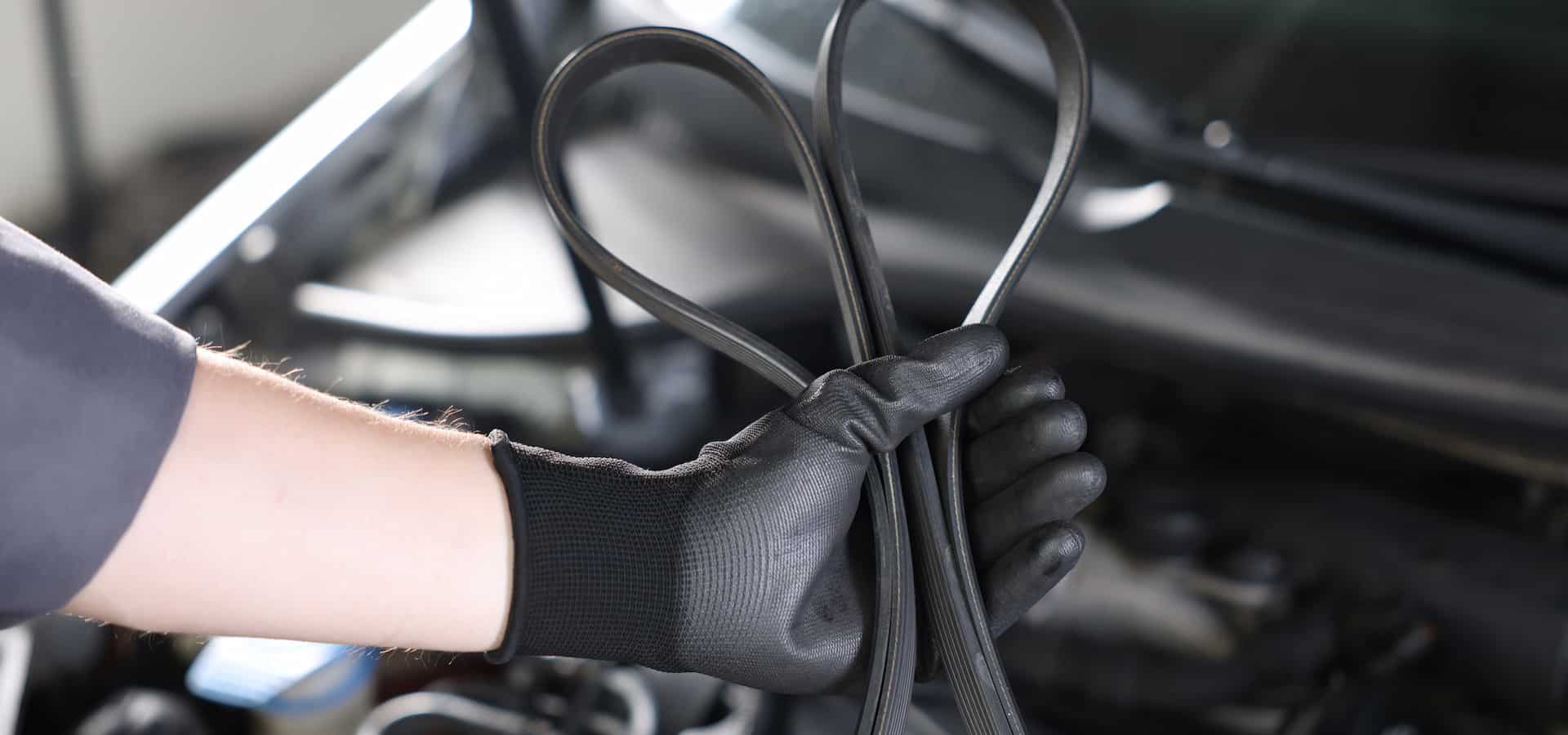
GMC Cambelt Timing Belt Replacement at Elevation Auto Repair
A customer once rolled in with a mid-2000s GMC that had skipped a couple of teeth on the timing belt after ignoring a squeal for months. The engine still ran, but rough, and the fix was far bigger than a belt swap would have been. That story plays out more often than it should, and it's exactly why this job belongs with a shop that knows GMC platforms.
Most modern GMC trucks and SUVs run timing chains, but a portion of the lineup – particularly the diesel Canyon and certain overseas-sourced or four-cylinder applications – rely on a rubber cambelt that has a real service interval. Getting it right means honoring the correct belt-plus-tensioner-plus-idler kit, water pump inspection, and precise crank-to-cam alignment before torquing everything to GMC spec.
Where a generic shop guesses, we reference GM service procedures, check for applicable TSBs and reprogramming needs after cam sensor work, and set timing marks with the correct locking tools instead of eyeballing them.
- Full timing belt kit with tensioner, idlers, and water pump inspection
- OEM-spec alignment and torque, verified before reassembly
- Honest recommendation – belt versus chain – based on your exact engine
- Clear communication and no unnecessary add-ons
Symptoms – How to Know You Need This Service
Timing belts rarely fail without warning, but the signs are easy to dismiss until it's too late. On an interference engine, a snapped belt can bend valves, so early attention protects you from a much larger repair.
- You may notice a high-pitched squeal or ticking from the front of the engine that changes with RPM
- A rough idle or misfire feeling, often paired with a check engine light for camshaft/crankshaft correlation
- Hard starting or extended cranking before the engine catches
- Visible cracking, glazing, or missing teeth if you peek behind the timing cover
- Oil or coolant seepage near the timing cover, hinting at a failing seal or water pump
- A rubbery burning smell after longer drives
- The belt is simply past its mileage interval, even with no symptoms
Squeals and mileage-due belts mean schedule soon. A sudden rattle, loss of power, or an engine that dies and won't restart means stop driving immediately and have it towed – continued cranking can turn a belt job into a cylinder head repair.
Common Cambelt Timing Belt Replacement Issues on GMC Vehicles
GMC's lineup leans heavily on timing chains rather than rubber belts, which changes what we look for. Here's where wear and failure patterns tend to show up:
- Timing chain stretch on 2007-2013 Atlas inline-6 engines (LL8/LLR) – the Envoy and Canyon's 4.2L 6-cylinder is known for chain and guide wear that throws cam/crank correlation codes (P0016, P0017) as mileage climbs.
- Chain guide and tensioner wear on 3.6L V6 (LFX/LGX) Acadia and Terrain – early 3.6 platforms are recognized for plastic guide degradation and a distinctive cold-start rattle before the tensioner charges.
- 5.3L and 6.2L V8 (Gen IV/Gen V) chain issues linked to AFM/DFM – Active Fuel Management oil consumption on Sierra and Yukon accelerates chain wear when oil levels drop between changes.
- Balance shaft and secondary chain concerns on 2.5L/2.0T Ecotec Canyon – these engines rely on tight oil control, and neglected changes let sludge starve the tensioner.
- Water pump timing-cover leaks on 3.6L platforms – the internal pump routing means a coolant leak can contaminate chain components, a quirk of GMC's compact cover design.
- Cam phaser wear masquerading as chain noise – GMC VVT systems on the LFX/LGX often produce phaser rattle that mimics a stretched chain, and correct diagnosis matters.
Which GMC Models We See for Cambelt Timing Belt Replacement
Belt-driven timing is the exception in the GMC lineup rather than the rule, so identifying your exact engine matters. Here's where this work commonly applies and where it doesn't.
- GMC Canyon 2.8L Duramax diesel (2016–2022) – belt-driven applications with specific tensioner and alignment requirements
- Early four-cylinder Canyon/Sonoma platforms – some smaller-displacement engines used cambelts rather than chains
- Older GMC light-truck and compact applications where a rubber belt drives the cams instead of a chain
Most gasoline GMC V6 and V8 engines – Sierra, Yukon, Acadia, Terrain, and Savana with the common Vortec and EcoTec3 families – use timing chains, not belts. For those, we handle chain, guide, and tensioner service instead, and we'll tell you plainly which system your truck has.
- Diesel variants differ noticeably from gas engines in tooling and interval
- Automatic versus manual doesn't change the belt job, but ancillary access can vary
- If your GMC turns out to have a chain, we redirect you to the correct service rather than sell a belt you don't need
Not sure what's under your cover? Bring it in and we'll confirm before quoting anything.
A GMC owner brought in a 2004 Envoy last spring with a rough idle and a nagging worry that the engine "just didn't sound right." What he assumed was a spark plug issue turned out to be a stretched timing component that had already started chewing into its guides. Catching it early saved his engine – and that's exactly the kind of outcome we aim for on every GMC that rolls through our Denver bays.
Causes & Risks – What Happens if Ignored
Most GMC timing failures trace back to oil neglect, extended change intervals, and Colorado's temperature swings that thicken cold oil and stress tensioners at startup. Age and mileage do the rest, especially on AFM-equipped V8s that burn oil quietly.
Once correlation drifts, the problem rarely stays small. A worn guide that gets ignored for a few thousand miles can hand off pieces of plastic into the oil pan, which then starve the very tensioner keeping the chain tight.
- A faint cold-start rattle left unaddressed typically progresses to a constant metallic clatter and rough running.
- Continued driving on a stretched chain risks a skipped tooth, which on these interference-style engines can bend valves and damage pistons.
- Plastic guide debris circulating in the oil accelerates cam phaser and oil pump wear, turning one repair into several.
- A leaking 3.6L timing-cover water pump left too long contaminates oil with coolant, compounding bearing and chain damage.
- What starts as a straightforward chain and guide job can escalate into a valve job or full engine rebuild.
Our honest diagnostics catch the difference between "schedule soon" and "we need to stop here" before a modest repair becomes an expensive one.
Safety Impact – Why Cambelt Timing Belt Replacement Matters
Timing failure on a GMC isn't just an engine problem – it affects how the whole vehicle behaves on the road. A sudden misfire or stall can disable power assist and put you in a dangerous spot in traffic.
- Loss of power steering and brake assist – if the engine stalls from a skipped chain, steering and brake effort spike immediately.
- Stability and traction control dropout – many electronic aids depend on a running engine and clean sensor data; a stumbling engine can trigger warning cascades.
- Sudden stalling at highway speed on a truck or SUV creates real risk for you and drivers behind you.
Stop driving now if you notice:
- Loud, constant metallic clatter that changes with RPM
- Engine misfire combined with a check engine light flashing
- Sudden loss of power or intermittent stalling
Schedule soon if you notice: a brief cold-start rattle, an intermittent P0016/P0017 code, or a slow coolant loss with no visible external leak. Addressing a known wear pattern before an incident also keeps you on solid footing should a claim ever come up.
How GMC Cambelt Timing Belt Replacement Actually Works
On most modern GMC engines, a timing chain links the crankshaft to the camshafts so valves open and close in exact sync with the pistons. Tensioners and plastic-faced guides keep that chain quiet and precise, while variable valve timing phasers rotate the cams on demand for efficiency and power.
GMC's implementation adds steps a generic shop may skip. The 3.6L routes its water pump inside the timing cover, and the VVT phasers require correct oil pressure and calibration to behave. Getting it right depends on OEM procedure and factory-level scan tooling.
- Precise torque-to-yield sequences on cover and cam bolts – overtightening or wrong order causes leaks and misalignment.
- Cam/crank relearn and VVT calibration using GDS2-style factory diagnostics after reassembly.
- Timing mark and locking-tool alignment</
A customer brought in a 2005 GMC Canyon with the 2.8L four-cylinder after hearing a light ticking that turned into a rough idle on cold mornings. That engine family uses a timing belt rather than a chain, and by the time the belt starts telegraphing its age, the smart move is to plan the job before it strands you. Below is how we approach cambelt timing belt work on GMC trucks and SUVs at Elevation Auto Repair in Denver.
How We Diagnose Cambelt Timing Belt Replacement Issues on GMC
Most GMC engines from the mid-2000s forward run timing chains, but the 2.8L and 3.5L inline engines in early Canyon models use a belt-driven camshaft that needs periodic attention. We confirm which setup your truck has before touching anything.
- Pull VIN and engine RPO codes to verify belt versus chain configuration and the correct GMC service interval.
- Connect a GM-capable scan tool (Tech2 / GDS2 / MDI-based) to read camshaft/crankshaft correlation codes such as P0016 and P0017, misfire counters, and any stored lean or timing faults.
- Check for open TSBs and software calibration updates tied to your model year that affect cam timing behavior or idle quality.
- Perform a visual inspection of the belt for glazing, cracking, missing teeth, and oil contamination from a weeping cam or crank seal.
- Inspect the tensioner, idler pulleys, and water pump for play, bearing noise, or coolant seepage.
- Run a road test and cold-start check to confirm the symptom under real load.
Once we know the belt condition, related seals, and pump health, we build a clear repair plan and quote so you see exactly what needs attention and what can wait.
Cambelt Timing Belt Replacement on GMC: Repair vs. Replacement
Not every timing complaint means the full assembly comes out. The condition of surrounding parts drives the decision.
- Minor service: If the belt is within its interval and the noise traces to a loose accessory belt or a serpentine tensioner, we address that single item rather than opening the timing cover.
- Partial replacement: A belt showing early wear with a healthy pump and pulleys can sometimes be replaced alongside just the tensioner, keeping serviceable hardware in place.
- Full replacement: On the 2.8L and 3.5L engines, once the cover is off it makes sense to do the belt, tensioner, idlers, and water pump together – the labor overlaps heavily, and a failed pump behind a fresh belt means repeating the entire job.
Because these are interference-style engines, a snapped belt can bend valves, so we lean toward replacing wear items as a set when the mileage justifies it. We lay out both paths, the risk of each, and let you make the call rather than pushing the biggest ticket.
How to Make Your GMC Cambelt Timing Belt Replacement Last Longer
A fresh belt lasts its full interval when the surrounding conditions stay healthy. A few habits protect that investment.
- Let the engine warm briefly on cold Denver mornings so oil pressure stabilizes before hard acceleration.
- Avoid lugging the engine under heavy load, which stresses the tensioner and belt teeth.
- Fix oil and coolant leaks quickly – seepage from a cam seal or water pump degrades belt rubber fast.
- Listen for new ticking, squealing, or chirping and note any check engine light for timing-related codes.
Brand-specific care matters here:
- Use OEM or OEM-equivalent belts, tensioners, and Dex-Cool coolant to protect the water pump behind the belt.
- Keep your GMC's calibration current, since updates can refine idle and timing behavior.
- Follow the mileage-based timing belt interval in your owner's manual instead of waiting for symptoms.
Owners can safely handle visual checks, fluid monitoring, and listening for changes. Leave the belt replacement, tensioner setting, and timing alignment to the shop – getting cam timing wrong on an interference engine is a costly mistake we would rather help you avoid.
A customer rolled into our Denver shop last spring in an older Acadia, worried about a faint ticking that got louder near the front of the engine. She'd read that a snapped belt could bend valves and turn a routine job into a full head repair. That kind of story is exactly why timing belt work matters – catching it before failure keeps a good engine a good engine.
What to Expect When You Bring Your GMC In
Most GMC gas engines in trucks and SUVs run timing chains, but certain diesel and imported variants use belts on interference-style engines where slack or wear can't be ignored. Here's how a visit flows:
- Drop-off or appointment – Schedule ahead or leave it with us. Loaner and shuttle options are available so you're not stranded, and after-hours key drop keeps things flexible around your work day.
- Initial inspection – We inspect the belt, tensioner, idler pulleys, and water pump for cracking, glazing, and bearing play, then check for oil or coolant contamination that shortens belt life.
- Written estimate – You get a clear breakdown before any work starts, including whether the water pump and tensioner should be replaced together since they're already exposed.
- Work in progress – We text or call with findings and photos. No surprise add-ons – nothing proceeds without your approval.
- Pickup walkthrough – We show you the old parts and explain what we found and why.
Take your garage remote and personal items before drop-off. After the job, we run a road test and a scan-tool re-check to confirm timing and clear any stored codes. If anything feels off afterward, bring it back and we'll recheck it directly.
Why Choose Elevation Auto Repair for GMC Cambelt Timing Belt Replacement
Timing work is unforgiving on interference engines, so alignment and torque specs have to be exact. We set cam and crank timing to GMC procedure, torque the tensioner in sequence, and verify marks before the first crank – not after.
- We cross-check GMC TSBs and available software updates so a belt job doesn't hide a related pulley or tensioner revision.
- We replace supporting components – water pump, idler and tensioner pulleys, seals – while the front cover is open, saving you a second teardown.
- We use factory-style diagnostic tooling to confirm no lingering camshaft correlation or crankshaft position codes after reassembly.
You get one shop that owns the whole job – diagnosis, the repair itself, and post-repair verification – with straight answers at every step. As your Denver dealership alternative, we handle everything from this belt service to the cooling, drivetrain, and check-engine work that often shows up alongside it, so your GMC leaves ready for the long haul.
Our GMC Services
- Air Conditioning AC Repair
- Battery Repair Replacement
- Brake Repair & Brake Fluid Change
- Check Engine Light Diagnostics
- Clutch Repair & Replacement
- Coolant Leak Repair
- Cooling System Repair
- Drive Shaft Repair
- Engine Repair
- Exhaust & Catalytic Converter Repair
- Head Gasket Repair & Replacement
- Oil Change
- Oil Leak Repair
- Scheduled Service Maintenance
- Steering Repair
- Suspension Repair
- Transmission Repair
- Tune Up
- Wheel Alignment