GMC Check Engine Light Diagnostics at Elevation Auto Repair
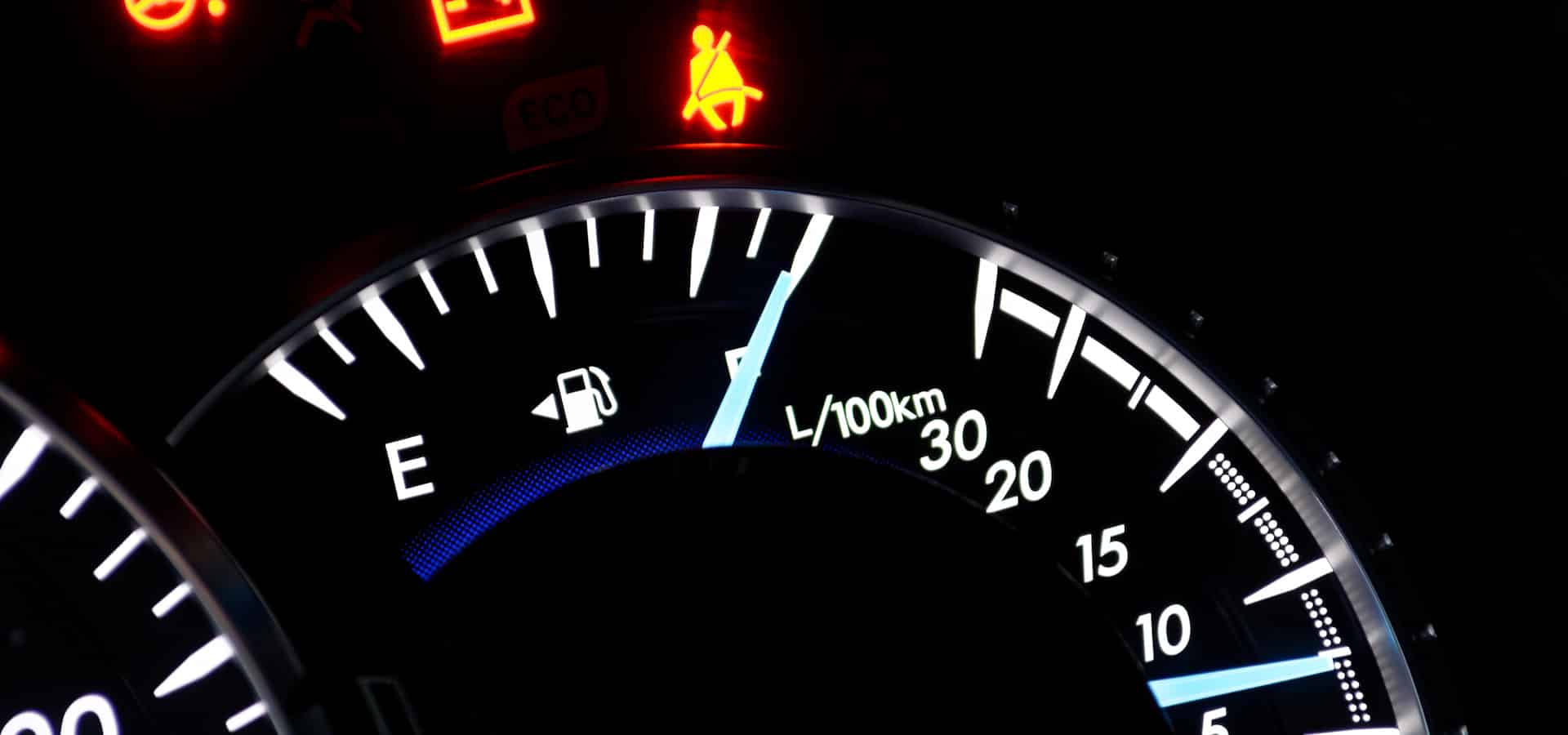
That amber glow on your GMC's cluster is the truck's way of flagging something the powertrain control module has already logged. We read those codes properly, then verify the actual fault instead of throwing parts at it.
A stored code like P0300 or P0171 is a starting point, not a diagnosis. On GMC platforms, the difference between a good repair and a repeat visit comes down to interpreting freeze-frame data, live sensor values, and how the module talks across the GMLAN bus.
Two GMC-specific factors shape this work:
- Active Fuel Management and Dynamic Fuel Management on 5.3L and 6.2L V8s throw misfire and lifter codes that mimic other faults – proper diagnosis separates a collapsed lifter from a bad injector.
- Correct scan-tool access matters. We use bidirectional tooling that reads GM-specific PIDs and runs actuator tests, rather than a generic reader that only pulls surface codes.
What you can expect when you bring your GMC in:
- A full code scan across every module, not just the engine controller
- Live data and freeze-frame review to confirm the root cause
- A clear explanation of what's wrong and what it will take to fix it
- Honest recommendations with no unnecessary repairs added on
Symptoms – How to Know You Need This Service
The light itself is the obvious clue, but your GMC usually gives you other signals worth acting on. You may notice:
- A flashing check engine light – this signals an active misfire dumping raw fuel into the catalytic converter. Stop driving and have it towed.
- Rough idle, stumbling, or a shake at stoplights, often tied to AFM/DFM lifter issues on the 5.3L and 6.2L V8s.
- Reduced power or a "Reduced Engine Power" message on the driver information center, common with throttle body or accelerator pedal sensor faults.
- A sulfur or rotten-egg smell, pointing toward a failing catalytic converter or rich-running condition.
- Hard starts, hesitation on acceleration, or noticeably worse fuel economy.
- A gas smell or a light that appears right after fueling – frequently a loose or failed EVAP purge valve or fuel cap seal.
- Rattling on cold start that fades, often related to timing chain or VVT solenoid concerns on higher-mileage EcoTec engines.
A steady light with normal driving means schedule soon. A flashing light, overheating, or a truck that won't hold power means stop and call us.
Common Check Engine Light Diagnostics Issues on GMC Vehicles
A glowing check engine light on a GMC rarely means one thing. Our first move is pulling live data and freeze-frame codes, then matching the pattern to what these platforms actually do. Here are the failure paths we see most on GMC trucks and SUVs.
- AFM/DFM lifter collapse on 5.3L and 6.2L V8s – GMC's Active Fuel Management and Dynamic Fuel Management systems on 2014+ Sierra and Yukon (L83/L84/L87 engines) are prone to collapsed lifters, throwing misfire codes (P0300-series) and cylinder-deactivation faults.
- Carbon buildup and misfires on 3.6L LFX/LGX V6 – Direct-injection Acadia and Canyon engines accumulate intake valve carbon, causing rough idle, P0171 lean codes, and cold-start misfires.
- Evaporative emissions (EVAP) leaks – P0442/P0455 codes from failing purge valves and loose or cracked fuel caps are widespread across Terrain and Sierra platforms.
- 2.0T LTG and 2.7L L3B turbo faults – Newer turbocharged four-cylinders in Canyon and Sierra 1500 log boost-control and wastegate codes as the turbo actuator ages.
- Camshaft position sensor and VVT solenoid faults – GMC's variable valve timing hardware triggers P0008/P0017 correlation codes, often mistaken for timing chain stretch on higher-mileage 5.3L engines.
- O2 and wide-band sensor degradation – Denver's altitude and temperature swings accelerate sensor drift, producing P0133 slow-response codes that skew fuel trims.
Which GMC Models We See for Check Engine Light Diagnostics
We diagnose the full modern GMC lineup and most late-model trucks and SUVs on Denver roads. Bring us your:
- Sierra 1500 (GMT900, K2XX, and T1XX platforms) with 4.8L, 5.3L, and 6.2L V8s – AFM/DFM lifter and misfire codes are the most frequent visitors.
- Sierra 2500/3500 HD with the 6.6L Duramax diesel – DPF regeneration faults, NOx sensor codes, and DEF system warnings.
- Yukon and Yukon XL / Denali – same V8 family as the Sierra, plus air suspension and module communication faults.
- Acadia (Lambda and C1XX platforms) – timing chain, VVT solenoid, and evaporative emission codes on the 3.6L V6.
- Terrain – 2.0L and 1.5L turbo EcoTec fours with boost, purge valve, and misfire concerns.
- Canyon (GMT31XX) – 3.6L V6 and 2.8L Duramax diesel variants.
Denali trims share drivetrains with their base counterparts, so the diagnostic approach carries over, though we account for added electronics like adaptive suspension. Duramax HD and Canyon diesel work involves emissions-system diagnostics that differ from the gas trucks. On very old GMT400-era and pre-OBD-II trucks, diagnostic coverage is more limited – call first and we'll tell you honestly what we can do.
Causes & Risks – What Happens if Ignored
Most GMC check engine lights trace back to age, heat cycling, direct-injection design, and Colorado's high-altitude driving. Short trips and stop-and-go traffic make carbon and EVAP problems worse. The trouble starts when a small code gets ignored and cascades into hardware damage.
A single misfire code left alone will dump raw fuel into the catalytic converter. On AFM-equipped V8s, a collapsed lifter that keeps running can score the camshaft lobe and destroy the engine internally.
- Ignored misfires – overheat and clog the catalytic converter, turning a spark plug or coil job into a converter replacement.
- Delayed lifter repair on 5.3L/6.2L – progresses from one collapsed lifter to camshaft and valvetrain damage, often requiring engine teardown.
- Unaddressed lean codes – lead to pre-ignition and piston damage on direct-injected V6 and turbo engines.
- EVAP leaks – rarely dangerous but will fail emissions testing and let fuel vapor escape.
- Sensor drift – wrong fuel trims wash cylinder walls with fuel, thinning oil film and accelerating wear.
The pattern is consistent: a cheap sensor or coil today prevents a converter or engine bill later. We diagnose the root cause first so you fix the actual fault, not the symptom.
Safety Impact – Why Check Engine Light Diagnostics Matters
A check engine light shares wiring and modules with systems you rely on to stop and steer. When the ECM logs faults, it can throttle down power, disable cruise, or affect how stability and traction control respond.
- Stop driving now – flashing check engine light (active misfire damaging the converter), sudden power loss, or a light paired with overheating or oil-pressure warnings.
- Schedule soon – steady light with normal drivability, minor EVAP or sensor codes, no performance change.
Powertrain faults can trigger reduced-engine-power mode that limits acceleration in traffic – a real hazard when merging. Codes tied to the brake booster, wheel-speed sensors, or throttle position can also cross into ABS and StabiliTrak stability control on GMC platforms, degrading traction control exactly when road conditions demand it.
There's a liability angle too. If a known, code-flagged defect goes unaddressed and contributes to a collision, that documented history can complicate insurance claims. Getting an honest diagnosis on record protects you.
How GMC Check Engine Light Diagnostics Actually Works
The engine control module watches dozens of sensors many times per second, comparing readings against expected values. When something falls outside range, it stores a diagnostic trouble code and lights the dash. A generic code reader only shows the number – it doesn't tell you which of several causes is real.
GMC vehicles run GM's Global A and newer electrical architectures, where modules share data over CAN and communicate through proprietary calibrations. Reading it right takes more than a parts-store scanner.
- Factory-level scan tools – access GMC-specific bidirectional controls, letting us command purge valves, VVT solenoids, and fuel injectors to confirm a fault instead of guessing.
- Live data and freeze-frame analysis – we capture the exact conditions when the code set, then verify fuel trims and misfire counts per cylinder.
- Module programming and calibration – many GMC repairs require reflashing the ECM or relearning crankshaft/camshaft position after component replacement, a step generic shops skip.
- OEM torque and sequence specs – lifter, cam, and intake work on these engines demands documented torque sequences to avo
How We Diagnose Check Engine Light Diagnostics Issues on GMC
A glowing check engine light on your Sierra, Acadia, Terrain, or Yukon rarely tells the whole story on its own. We pull the code, then prove out what's actually causing it before any parts get touched.
- Full code scan: We connect a factory-capable scan tool that reads GDS2/Tech2-equivalent data from the ECM, TCM, and body modules – not just the generic P-codes a parts-store reader shows.
- Freeze-frame and live data: We review conditions when the code set – engine load, fuel trims, coolant temp – to separate a real fault from a one-time trigger.
- Visual inspection: We check for the usual GMC culprits – cracked PCV housings on 3.6L V6 (LFX/LLT), failing evap purge valves, chafed wiring, and loose fuel caps triggering evap codes.
- Component testing: Smoke tests for evap leaks, ignition and misfire analysis on 5.3L V8 AFM/DFM engines, and fuel-trim checks to spot vacuum or MAF issues.
- Road test and measurement: We confirm the symptom under real load and re-scan to verify the fault reproduces.
From there you get a plain-language explanation of the root cause and a clear repair plan and quote – no guessing, no throwing parts at a code.
Check Engine Light Diagnostics on GMC: Repair vs. Replacement
Not every code means a big-ticket job. The right call depends on what's actually failing and how far the wear has spread.
- Straight repair: A loose gas cap, a sticking evap purge or vent solenoid, a fouled connector, or a single vacuum leak often needs cleaning, adjustment, or one small part.
- Partial replacement: A single failed coil or injector on a 5.3L or 6.2L V8, one bad O2 sensor, or a leaking valve cover gasket can be handled without replacing the whole assembly.
- Full replacement: Cascading wear – like AFM lifter failure on 5.3L engines that also damages the camshaft, or a catalytic converter destroyed by long-term misfires – makes replacing the complete system the smarter long-term fix.
Safety-critical items and cases where repair cost creeps toward replacement cost get flagged honestly. We lay out both paths, explain the trade-offs, and let you decide – never steering you toward the priciest option by default.
How to Make Your GMC Check Engine Light Diagnostics Last Longer
Many recurring codes trace back to habits and skipped maintenance. A few consistent moves keep sensors, emissions parts, and engine components healthy.
Driving Habits That Help
- Let the engine reach operating temperature before hard acceleration, especially in cold Denver mornings.
- Avoid consistently short trips that never fully warm the exhaust and load the evap system.
- Tighten the fuel cap fully and don't top off past the pump click to prevent evap codes.
Owner Maintenance
- Watch for changes in idle, rough starts, or hesitation and address them early.
- Check oil level and condition regularly – low or degraded oil accelerates AFM/DFM lifter problems.
- Replace air filters on schedule to protect the MAF sensor.
Brand-Specific Care
- Use OEM-spec dexos-approved oil and correct coolant – the wrong fluids shorten component life.
- Keep ECM/TCM software current, since GMC releases updates that resolve driveability and shift-related codes.
- Follow GMC's published service intervals for plugs, filters, and fluids.
Fluid checks and filter swaps are safe DIY. Leave emissions systems, ignition diagnostics, and anything tied to fuel or safety to us – guessing on those often turns a small fix into a large one.
What to Expect When You Bring Your GMC In
That amber check engine light on your Sierra, Acadia, Terrain, or Yukon rarely means the same thing twice. We pull the codes, then dig into the reason behind them – not just the surface symptom.
- Drop-off or scheduled appointment – Tell us what you noticed: rough idle, a flashing light, reduced power, or a fuel smell. Grab personal items from the console and glovebox; we'll handle the keys and paperwork.
- Initial inspection and code retrieval – We connect factory-level scan tools to read stored, pending, and history codes across every module, then check freeze-frame data and live sensor readings.
- Written estimate – You get a clear breakdown of the diagnosis and recommended repairs before any work starts. No surprises, no padded add-ons.
- Communication during the work – We call or text with findings and get your approval before moving forward. Loaner and shuttle options help you stay on schedule.
- Pickup walkthrough – We explain what failed, what we replaced, and what to watch for. After-hours pickup is available when your day runs long.
Before your GMC leaves, we clear the codes, road test under real driving conditions, and re-scan to confirm monitors run clean and the light stays off. If anything feels different afterward, bring it back and we'll re-check it right away.
Why Choose Elevation Auto Repair for GMC Check Engine Light Diagnostics
GMC light triggers often trace to platform-specific culprits, and we know where to look first. On 5.3L and 6.2L V8s (Gen IV and Gen V), we regularly see Active Fuel Management lifter failure, evap purge valve faults, and misfire codes tied to failing coils or carbon buildup on direct-injection engines.
- Brand-specific pattern knowledge – P0300-series misfires, P0442/P0455 evap leaks, and cam/crank correlation codes common to the L83/L84 and 3.6L LFX/LGX V6 platforms.
- Factory-aligned tooling – Bidirectional scan capability to command actuators, run cylinder balance tests, and check for pending GMC TSBs or module software updates.
- End-to-end ownership – The same shop diagnoses, repairs, and verifies the fix, so nothing gets lost in a handoff.
We're your Denver dealership alternative – honest diagnostics with no unnecessary repairs, backed by technicians who work on GMC systems every day. From evap leaks to lifter and timing concerns, we fix the root cause and confirm it with a post-repair re-scan and road test.
Our GMC Services
- Air Conditioning AC Repair
- Battery Repair Replacement
- Brake Repair & Brake Fluid Change
- Clutch Repair & Replacement
- Coolant Leak Repair
- Cooling System Repair
- Drive Shaft Repair
- Engine Repair
- Exhaust & Catalytic Converter Repair
- Head Gasket Repair & Replacement
- Oil Change
- Oil Leak Repair
- Scheduled Service Maintenance
- Steering Repair
- Suspension Repair
- Cambelt Timing Belt Replacement
- Transmission Repair
- Tune Up
- Wheel Alignment