
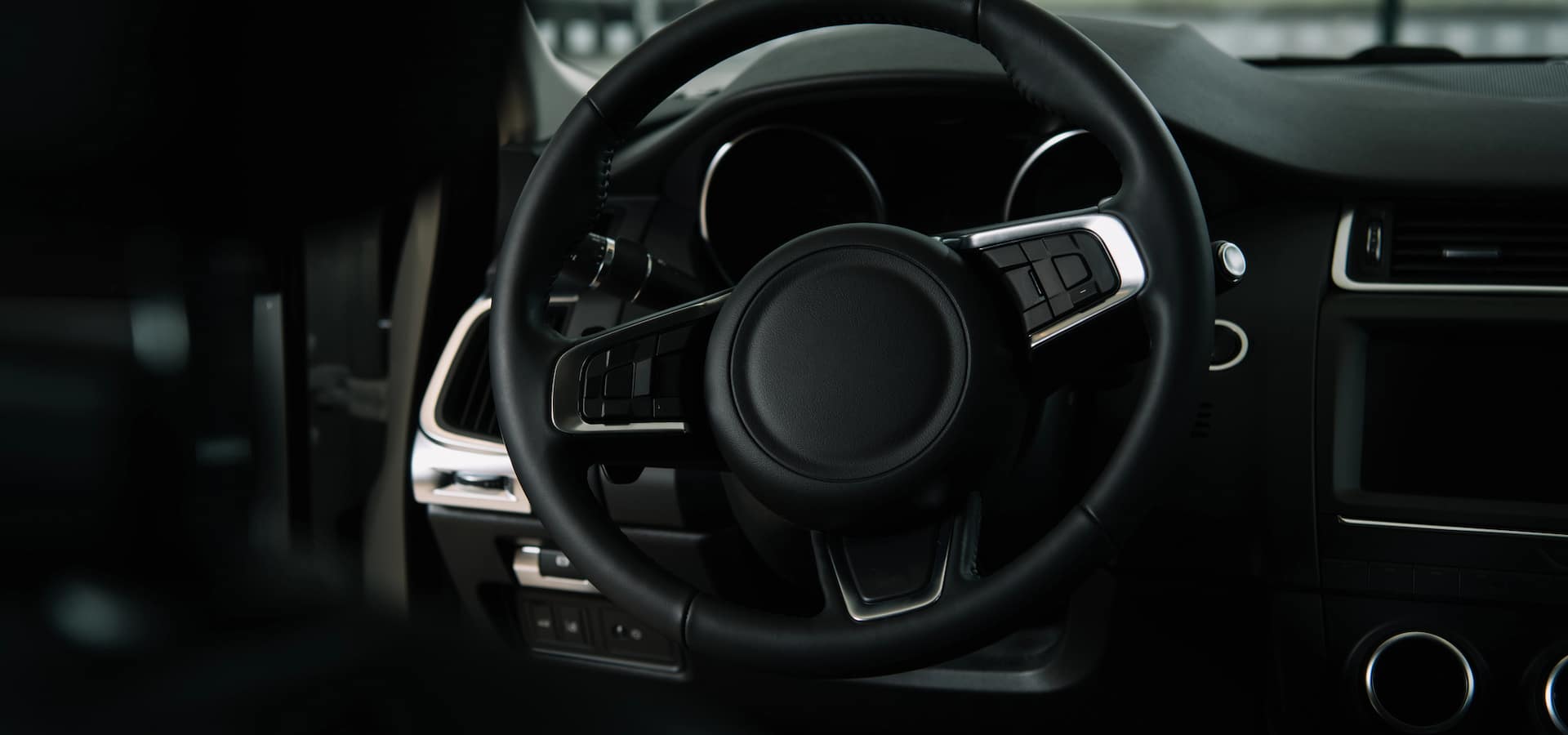
GMC Steering Repair at Elevation Auto Repair
A Sierra owner rolled in last winter convinced his front tires were about to fall off. Every time he crossed a Denver pothole, the wheel jerked and the truck wandered. The real culprit? A worn intermediate steering shaft – a known weak point on GMC full-size trucks.
Steering work on a GMC isn't the same as tightening a few bolts on a generic sedan. These trucks and SUVs carry heavy front ends, electric power steering (EPS) modules that require calibration, and platform-specific components that behave differently under real load. Getting it right means matching factory torque specs and running the correct scan-tool routine afterward.
Two factors set GMC steering work apart:
- Later Sierra and Acadia platforms use rack-mounted EPS that needs relearn and angle sensor calibration after service – we perform this with proper GM-aligned diagnostic equipment.
- Full-size K2XX and T1XX trucks share intermediate shaft and pitman/idler arm designs prone to clunking, requiring exact torque and alignment follow-up.
What you can expect from us:
- Honest diagnosis that pinpoints the failing component instead of replacing parts blindly
- OEM-aligned procedures with correct torque and fluid specifications
- Post-repair EPS calibration and a precision wheel alignment
- Clear communication before any work begins
Symptoms – How to Know You Need This Service
Steering trouble rarely appears all at once. You may notice small changes first, then a symptom that demands attention. Here's what GMC drivers commonly report:
- Clunking or knocking over bumps – often a worn intermediate shaft or loose tie-rod ends on Sierra and Yukon platforms.
- Wandering or drifting that forces constant steering correction on the highway.
- A steering wheel that sits off-center after an alignment or impact.
- Whining or groaning when turning – a sign of low fluid or a failing hydraulic pump on older models.
- Heavy or notchy steering, common when an EPS motor or torque sensor starts failing.
- A "Service Power Steering" or "Reduced Assist" warning on the driver information center.
- Vibration through the wheel at speed, which can point to steering or suspension wear.
- Fluid leaks near the rack or reservoir on hydraulic-assist trucks.
Stop driving and call us if steering suddenly becomes very heavy, you lose assist entirely, or the wheel feels disconnected. Schedule soon for clunks, mild wandering, slow leaks, or intermittent warning messages – these worsen but let you drive carefully in the meantime.
Common Steering Repair Issues on GMC Vehicles
GMC steering components take a beating from Colorado gravel roads, road salt, and heavy towing loads. Certain patterns show up again and again across the truck and SUV lineup.
- Intermediate steering shaft clunk (2007-2014 GMT900 Sierra/Yukon): A pronounced knock felt in the wheel during low-speed turns and over bumps. The upper intermediate shaft loses its lubrication and the splines wear, a well-documented quirk on these platforms.
- Electric power steering assist loss (2014+ K2XX Sierra 1500): Intermittent hard steering paired with a "Service Power Steering" message, often traced to the EPS motor, torque sensor, or a software fault requiring a module update.
- Rack and pinion inner tie rod wear (Acadia/Terrain): Loose on-center feel and uneven tire wear as the rack bushings and inner tie rods develop play on higher-mileage crossovers.
- Outer tie rod and pitman/idler arm wear (older HD Sierra 2500/3500): Recirculating-ball steering boxes and linkage components loosen up under towing and plow duty.
- Power steering pump whine and leaks (hydraulic-assist models): Groaning at low RPM and weeping seals, often worsened by contaminated or low fluid.
- Steering gear seal leaks (HD trucks): Fluid seepage at the input shaft seal common on high-mileage 2500/3500 units.
Which GMC Models We See for Steering Repair
We handle steering repair across the GMC lineup, from work trucks to family SUVs. Find your platform below:
- Sierra 1500 (GMT900, K2XX, T1XX) – 2007 to present. Intermediate shaft clunk and tie-rod wear are frequent; newer T1XX trucks use EPS requiring calibration.
- Sierra 2500/3500 HD – heavier front ends mean pitman arm, idler arm, and steering gear box service on hydraulic-assist variants.
- Yukon and Yukon XL (GMT900, K2XX, T1XX) – similar steering architecture to Sierra, including EPS relearn on later years.
- Acadia (Lambda and C1XX platforms) – 2007 to present. Rack-mounted EPS and steering angle sensor calibration common on the newer C1XX generation.
- Terrain (first and second generation) – electric power steering complaints and tie-rod service.
- Canyon (2004–2012 and 2015 to present) – midsize truck steering components and alignment work.
- Denali trim variants – mechanically similar, though larger wheel packages make post-repair alignment especially important.
We're honest about limits: very early or heavily modified steering conversions may fall outside our standard scope. Tell us your model year and platform when you book, and we'll confirm the right approach before you drive over.
A Denver contractor pulls into the shop with his 2015 Sierra 1500, hands off the keys, and describes a clunk that shows up every time he turns into his driveway. He's been living with it for months, hoping it was just a rock in the wheel well. It wasn't. That kind of story plays out constantly with GMC trucks and SUVs, and catching it early changes everything about the repair.
Causes & Risks – What Happens if Ignored
Most GMC steering problems trace back to a mix of age, mileage, load, and Front Range driving conditions. Road salt corrodes linkage and boots, potholes hammer tie rods, and towing accelerates wear on steering boxes and racks. GMC's own design choices – like the intermediate shaft splines on GMT900 trucks – create predictable wear paths that get louder over time.
Waiting rarely makes any of it cheaper. A torn tie rod boot lets grit into the joint, and what could have been a boot replacement becomes a full tie rod and alignment job.
- Ignoring intermediate shaft clunk for a season typically leads to worn splines and eventually play that affects steering precision.
- A minor power steering fluid leak left unattended can starve the pump, leading to pump failure and much harder steering.
- Worn inner tie rods left alone scrub tires bald in a few thousand miles, adding tire replacement to the bill.
- An intermittent EPS fault can progress to complete assist loss, which makes the truck dangerous to steer at low speeds.
- Loose pitman or idler arms on HD trucks wander at highway speed and destroy alignment settings.
Safety Impact – Why Steering Repair Matters
Steering doesn't work in isolation. On modern GMCs it ties into stability control, ABS, and traction control through the steering angle sensor. When steering components fail, those systems can lose the accurate input they depend on.
- Stop driving now: Sudden loss of power assist, a steering wheel that binds or locks, or excessive free play where the wheel turns before the truck responds.
- Schedule soon: Occasional clunks over bumps, mild groaning during turns, slow fluid leaks, or a slightly off-center wheel.
A failing steering angle sensor or worn linkage can confuse StabiliTrak, causing false traction-control activation at the wrong moment. On a wet I-25 on-ramp, that matters. There's also a liability angle – if a known steering defect goes unaddressed and contributes to a collision, it complicates both insurance claims and your own peace of mind. Getting it inspected and documented protects you either way.
How GMC Steering Repair Actually Works
Most newer GMC light-duty trucks and crossovers use electric power steering (EPS), where an electric motor and torque sensor replace the old hydraulic pump and rack. Heavy-duty Sierra 2500/3500 models still rely on hydraulic assist with a recirculating-ball steering box. That split matters, because the repair path is completely different depending on which system your GMC uses.
EPS work isn't just bolt-on. After replacing components or clearing a fault, the system often needs software updates and a steering angle sensor calibration so stability control reads center correctly.
- EPS calibration: Steering angle sensor relearn and torque sensor zeroing performed with factory-level scan tools, not a generic code reader.
- Software updates: Some "Service Power Steering" faults are resolved through GMC module reprogramming rather than parts.
- Torque and sequence specs: Intermediate shaft pinch bolts and tie rod fasteners follow OEM torque values to prevent play from returning.
- Post-repair alignment: Any tie rod or rack work requires a precision alignment to protect tire life and restore straight tracking.
We handle both the mechanical and the electronic side under one roof, using OEM-aligned procedures so your GMC steers the way it did off the lot. Bring us the clunk, the warning light, or the wandering wheel, and we'll get you back on the road with a clear explanation of what we found and what we fixed.
A Denver Sierra 1500 owner rolled in describing a loose, wandering feel on I-25 and a faint clunk over expansion joints. That combination – vague on-center steering plus noise – is a classic sign that something in the GMC steering system has worn past spec. We started where every honest repair starts: with a real diagnosis, not a guess.
How We Diagnose Steering Repair Issues on GMC
GMC trucks and SUVs share predictable wear patterns across the K2XX (2014-2018 Sierra, Yukon) and T1XX (2019+) platforms. We work through them in order rather than throwing parts at the symptom.
- Scan with GM-capable tooling: We pull codes from the power steering control module and body network. On electric power steering (EPS) trucks, this reveals torque sensor faults, EPS assist reduction codes, and calibration flags a generic reader misses.
- Road test: We drive the vehicle to reproduce the wander, clunk, or heavy/uneven assist and note speed and steering angle when it happens.
- Visual and hands-on inspection: We check the intermediate steering shaft (a known clunk source on GM trucks), inner and outer tie rod ends, the rack or gearbox, pitman and idler arms on older HD models, and rack mount bushings.
- Play and measurement: We measure steering freeplay, dry-park test the linkage, and check for leaks at the rack seals and pressure lines.
- Alignment angles: We verify toe, caster, and camber against GMC specs to catch a symptom masquerading as a steering fault.
From there we build a clear, prioritized repair plan and a written quote – you see exactly which parts drive the fix and why.
Steering Repair on GMC: Repair vs. Replacement
Not every steering complaint needs a big-ticket assembly. We match the fix to the actual wear.
- True repair: A clunking intermediate shaft on many Sierra and Silverado models is often resolved by lubricating or replacing that single shaft – no rack needed. Low fluid on hydraulic HD models can be a leak repair and refill.
- Partial replacement: Worn outer tie rod ends, an idler arm, or a rack mount bushing get replaced individually while the sound rack or gearbox stays. This is common and keeps cost down.
- Full replacement: When an EPS rack has an internal torque sensor fault, or a hydraulic rack leaks at the seals and the inner tie rods are also loose, cascading wear makes a complete rack or gearbox the safer, better-value call.
Steering is safety-critical, so we explain the trade-offs and let you decide – we never default to the most expensive option to pad a ticket.
How to Make Your GMC Steering Repair Last Longer
Good habits protect the parts we just replaced and stretch the interval before the next repair.
- Drive smart: Avoid slamming into potholes and curbs, which hammer tie rods and rack mounts. Don't hold the wheel at full lock, especially when towing or hauling heavy loads.
- Respect Denver conditions: Let the system warm briefly on cold mornings before hard maneuvering, and rinse road salt from front-end components in winter.
- Owner checks: Listen for new clunks or whining, watch for a returning EPS or steering warning light, and glance under the truck for fresh fluid on hydraulic models.
- Use the right parts and fluids: Insist on OEM-grade tie rods and the correct GM power steering fluid on hydraulic setups – wrong fluid degrades seals.
- Stay current: Keep EPS software and calibrations up to date and follow GMC's inspection intervals.
Visual checks and fluid monitoring are fine to do yourself. Leave alignment, EPS calibration, and any linkage replacement to the shop – these are safety systems that need proper torque specs and equipment. Bring it in and we'll keep your GMC tracking straight.
What to Expect When You Bring Your GMC In
A Sierra owner rolled in recently with a clunk over every railroad crossing and a steering wheel that no longer centered after turns. That kind of complaint is exactly why we built a repair process around clear steps and honest answers.
- Drop-off or appointment: Schedule ahead or leave it with us. Grab personal items from the console and door pockets – we lock what stays behind and note anything valuable.
- Initial inspection: We inspect the steering rack, tie rod ends, intermediate shaft, and power steering system, then pull codes with a factory-capable scan tool to catch electric power steering faults on newer platforms.
- Written estimate: You get a line-by-line breakdown of parts and labor before anything is touched – no surprise add-ons.
- Updates during the work: We call or text as findings develop, and we ask before expanding the job.
- Pickup walkthrough: We show you the replaced parts and explain what was done and why.
Need to keep moving? Ask about shuttle and loaner options, and after-hours key drop for pickup on your schedule.
Every steering repair ends with a road test and a scan-tool re-check to confirm the fix and clear any lingering codes. If something feels off after you drive away, bring it back – we stand behind the work and recheck it right away.
Why Choose Elevation Auto Repair for GMC Steering Repair
GMC trucks and SUVs share well-documented steering quirks, and we know where to look. Intermediate shaft clunk on the GMT800/GMT900 Sierra and Yukon, worn inner and outer tie rods on high-mileage half-tons, and electric power steering faults on the K2XX and T1XX Sierra and Acadia platforms all have distinct symptoms and fixes.
- TSB and software aware: Some steering complaints on newer GMCs are resolved with an EPS calibration or module update rather than parts – we check for applicable bulletins first.
- Factory-aligned procedures: Correct torque specs on rack and pinion mounting, tie rod jam nuts, and steering shaft bolts, plus a proper alignment after the repair.
- End-to-end ownership: The same shop diagnoses, repairs, and verifies the work with a road test and scan-tool re-check.
You get a dealership-level GMC repair without the dealership runaround – straight diagnostics, no unnecessary parts, and steering that tracks straight and feels tight when you leave.
Our GMC Services
- Air Conditioning AC Repair
- Battery Repair Replacement
- Brake Repair & Brake Fluid Change
- Check Engine Light Diagnostics
- Clutch Repair & Replacement
- Coolant Leak Repair
- Cooling System Repair
- Drive Shaft Repair
- Engine Repair
- Exhaust & Catalytic Converter Repair
- Head Gasket Repair & Replacement
- Oil Change
- Oil Leak Repair
- Scheduled Service Maintenance
- Suspension Repair
- Cambelt Timing Belt Replacement
- Transmission Repair
- Tune Up
- Wheel Alignment