GMC Tune Up at Elevation Auto Repair
GMC's modern V8s run GM's Active Fuel Management (AFM) and Dynamic Fuel Management (DFM) systems, which shut down cylinders to save fuel and put unusual stress on spark plugs, valve seals, and lifters. A tune up on one of these trucks isn't a matter of swapping plugs and calling it done.
Doing it right on a GMC means matching the correct iridium plugs to the engine's cylinder-deactivation cycle, gapping to GM spec, and torquing the coil-on-plug hardware precisely so the aluminum heads on the 5.3L and 6.2L L83/L86/L87 engines aren't damaged. On direct-injected EcoTec3 and Duramax platforms, software and fuel-trim data matter as much as the parts themselves.
We pull live data with factory-level diagnostics, check for stored misfire counters, and verify fuel trims before and after – so you're not paying for guesswork. That's the difference between a real tune up and a parts swap.
- OEM-spec iridium plugs gapped and torqued to GM values
- Ignition coil and boot inspection for the coil-on-plug setup
- Fuel-trim and misfire data pulled before and after service
- Honest recommendations – no add-ons your GMC doesn't need
Symptoms – How to Know You Need This Service
GMC engines usually warn you before a small ignition problem turns into a stranded truck. Here's what you may notice from the driver's seat:
- Rough idle or shaking at a stoplight, often worse when AFM/DFM cycles cylinders on and off
- Flashing check engine light – stop driving soon, since active misfires can wash down cylinders and damage the catalytic converter
- Hesitation or stumble under acceleration, especially climbing Denver's grades
- Noticeable drop in fuel economy without a change in driving habits
- Hard cold starts or extended cranking on Sierra and Yukon models
- A gasoline smell or raw-fuel odor pointing to incomplete combustion – schedule promptly
- Steady check engine light with stored P0300-series misfire codes
A steady light means schedule soon. A flashing light means bring it in right away before the damage spreads.
Common Tune Up Issues on GMC Vehicles
GMC platforms share powertrains with the wider GM lineup, so the wear patterns are predictable once you know the engine family. Here is what we see roll through the shop most often.
- AFM/DFM lifter and misfire complaints on 5.3L and 6.2L V8s (2014+ Sierra/Yukon, L83/L86/L87) – Active Fuel Management stresses cylinders 1, 4, 6, and 7, and worn plugs make rough running worse. A proper tune up rules out ignition before anyone talks lifters.
- Coil pack failure on the Vortec and EcoTec3 engines – individual coil-on-plug units break down under heat near the exhaust side, throwing single-cylinder misfire codes (P0301–P0308) that mimic bad plugs.
- Carbon and injector fouling on the 3.6L LFX/LGX V6 (Acadia, Canyon) – direct injection means intake valves never see detergent fuel, so idle quality suffers as plugs age.
- 2.0L and 2.7L Turbo (L3B) in newer Canyon/Sierra – turbocharged engines run hotter plug tips and need the correct heat range and gap; generic plugs shorten service life.
- Stretched or worn plugs left past their interval on high-mile trucks – iridium plugs are rated long, but Denver's elevation and towing loads accelerate electrode erosion.
- Dirty MAF sensors and clogged air/cabin filters – common on Terrain and Acadia driven on dusty Front Range roads, causing lean codes and hesitation.
Which GMC Models We See for Tune Up
We work on the full GMC lineup, gas and diesel. Find your platform below:
- Sierra 1500 (GMT900, K2XX, T1XX) – 4.8L, 5.3L, and 6.2L V8s, including EcoTec3 L83/L86 and the newer L87 with DFM
- Sierra HD 2500/3500 – 6.0L Vortec gas and 6.6L Duramax (LML, L5P) diesels, where glow-plug and fuel-system service replaces conventional plug work
- Yukon and Yukon XL (GMT900, K2XX, T1XX) – 5.3L and 6.2L, AFM/DFM-equipped
- Acadia (Lambda and C1XX) – 3.6L LFX/LGX V6 and 2.0L turbo four
- Terrain – 2.4L Ecotec, 1.5L/2.0L turbo, and the 1.6L diesel variant
- Canyon – 3.6L V6 and 2.5L four; 2.8L Duramax diesel handled differently
- Savana vans – 4.3L, 5.3L, and 6.0L V8s
Diesel Duramax platforms don't take a traditional spark tune up – those get glow-plug, injector, and fuel-filter attention instead, and we'll tell you exactly what your truck needs. If you're driving something older or a rare fleet variant, call us and we'll confirm coverage before you come in.
GMC's L-series engines and the LS/LT small-block V8 family use coil-on-plug ignition and long-life iridium spark plugs, which changes what a modern tune up actually involves. On a Sierra, Yukon, Acadia, or Terrain, there is no distributor cap or single wire set to swap – the work centers on coils, plugs, filters, and the electronic control side. Getting the details right is where the difference shows.
Causes & Risks – What Happens if Ignored
Colorado driving is hard on ignition and fuel components. High altitude leans the mixture, temperature swings cook coils, and dusty commutes load up filters faster than the maintenance schedule assumes. Add towing or heavy hauling with a Sierra or Yukon and wear accelerates.
A single fouled plug rarely stays a single problem. Misfires dump raw fuel into the exhaust and pile heat onto other components.
- Ignoring a lingering misfire for weeks typically overheats and damages the catalytic converter – a far more expensive part than a plug or coil.
- Worn plugs force coils to work harder, so one failed plug often takes a coil down with it.
- Unburned fuel washes cylinder walls and contaminates engine oil, shortening the life of AFM/DFM lifters on the 5.3L and 6.2L.
- Clogged filters starve the engine, triggering lean codes that can be misdiagnosed as sensor failures.
- Rough running masks other issues – a persistent check engine light hides new codes until the original one is cleared.
What starts as a routine tune up can turn into converter replacement, coil sets, and diagnostic time. Addressing plugs and coils on schedule keeps the repair small.
Safety Impact – Why Tune Up Matters
A neglected tune up does more than annoy you at idle. Misfires and lean conditions affect how the whole powertrain behaves, and modern GMCs tie engine performance into stability and traction systems.
- Stalling and hesitation – a misfiring engine can stumble during merges or hill climbs, a real hazard on I-70 grades.
- Reduced-power mode – the ECM may limit output to protect the engine, cutting throttle response when you need it.
- Traction and stability interaction – erratic power delivery can confuse StabiliTrak on slick roads.
Schedule soon if you notice slightly rough idle, mild hesitation, or a steady check engine light with no flashing. Stop driving and call us if the check engine light is flashing – that signals an active misfire actively damaging the catalytic converter and risking a stall. Letting a known misfire go unaddressed also complicates matters if it contributes to an incident, so it is worth handling promptly.
How GMC Tune Up Actually Works
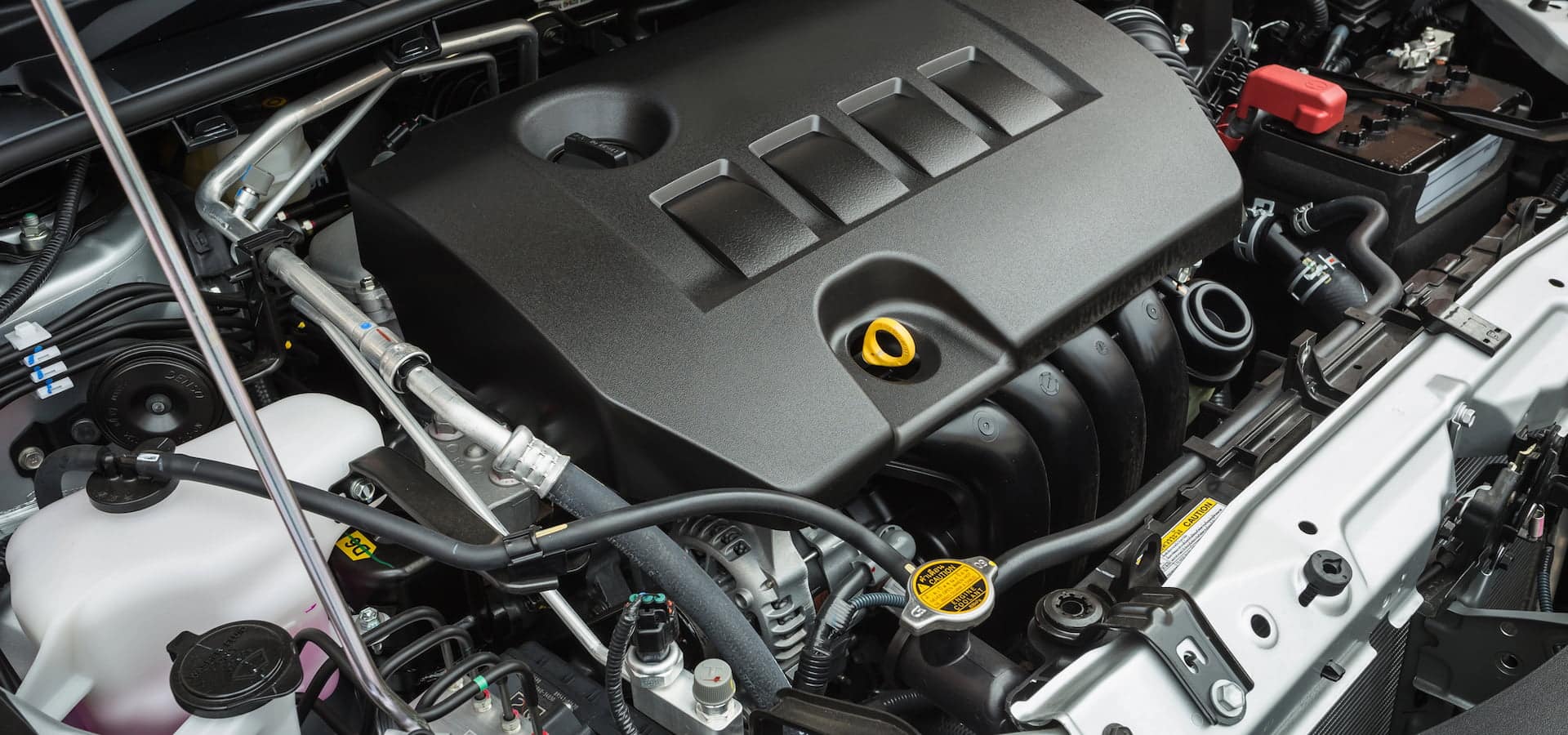
On a modern GMC, each cylinder has its own coil-on-plug unit sitting directly over an iridium spark plug – there are no plug wires or distributor. The ECM controls spark timing per cylinder and constantly reads misfire data from the crankshaft position sensor, so a proper tune up is as much about the electronics as the hardware.
That design means the work has to respect GM's specs and procedures, not generic shortcuts.
- Correct plug and gap – EcoTec3 and turbo engines specify exact heat ranges and pre-gapped plugs; the wrong part causes misfires from day one.
- Torque matters – aluminum heads on the V8s demand proper plug torque to avoid thread damage and heat-transfer problems.
- Coil and connector inspection – we check each coil boot and connector, common failure points on EcoTec3 engines.
- Scan-tool verification – we read misfire counters and fuel trims with capable diagnostics to confirm the fix before you leave.
Our technicians follow GMC-specific procedures so your Sierra, Yukon, Acadia, or Terrain leaves running clean – dealership-level care without the dealership runaround.
GMC's modern lineup runs GM's Global A and Global B electrical architectures, which means a proper tune up on a Sierra, Acadia, Terrain, or Yukon involves far more than plugs and a filter. The 5.3L and 6.2L EcoTec3 V8s use Active Fuel Management, and the 3.6L LGX V6 relies on direct injection – both of which change how ignition and fuel components wear.
How We Diagnose Tune Up Issues on GMC
A tune up starts with data, not guesswork. Here's how our technicians work through a GMC that's running rough, misfiring, or overdue for service.
- Pull codes and freeze-frame data with a GM-capable scan tool (GDS2/Tech2-level access) to read misfire counters, fuel trims, and cylinder-specific data on EcoTec3 and LGX engines.
- Review long-term and short-term fuel trims to separate an ignition problem from a fuel delivery or intake leak.
- Inspect spark plugs and coil-on-plug units – GM iridium plugs on the 5.3L and 6.2L have a defined service life, and worn gaps drive AFM misfires.
- Check the air intake, PCV system, and throttle body for carbon and oil fouling common on direct-injection V6s.
- Perform a road test to confirm the concern under load and watch live data for stumble, hesitation, or knock retard.
- Measure supporting items – battery condition, fuel pressure, and any pending software updates for the ECM.
From there we build a clear repair plan and quote so you know exactly what needs attention now and what can wait – no surprise add-ons.
Tune Up on GMC: Repair vs. Replacement
Not every tune up means replacing everything. We match the work to what your GMC actually needs.
- Genuine repair: Cleaning a carbon-fouled throttle body, reseating a coil connector, or replacing a single failed ignition coil when the rest of the set tests strong.
- Partial replacement: Swapping all spark plugs at their interval while keeping healthy coils, or replacing one leaking PCV component without touching the whole intake.
- Full replacement: When a full set of coils and plugs has aged together on a high-mileage Sierra, or when cascading misfires have caused related wear, doing the complete set restores reliability and avoids repeat visits.
On AFM-equipped V8s, we also flag when repeated misfires point to a deeper lifter concern rather than a simple tune up – catching that early saves money. We walk you through each option, explain the trade-offs, and let you decide rather than pushing the priciest path.
How to Make Your GMC Tune Up Last Longer
A tune up holds up best when your driving and upkeep habits support it. A few practical steps go a long way.
- Let a cold engine idle briefly before hard acceleration, especially in Denver winters, so oil reaches the top end.
- Avoid lugging the engine under heavy trailer loads – downshift and keep RPMs in the right range to reduce ignition stress.
- Use top-tier fuel and follow GMC's Oil Life System reminders; clean oil protects PCV and intake components on direct-injection engines.
- Listen for new rough idle, hesitation, or a returning check engine light and get it scanned early.
Owner-friendly DIY checks include eyeing the air filter, watching for warning lights, and monitoring fluid levels. Stick with OEM or OE-equivalent iridium plugs and coils – cheaper parts fail early on GM's ignition system. Keeping ECM software current also matters, since GM issues updates that refine fuel and spark tables.
Leave coil replacement, plug gapping, and anything involving fuel system pressure to the shop. We handle the technical work so your tune up delivers the long-term reliability you're paying for.
What to Expect When You Bring Your GMC In
GMC's L83/L86 5.3L and 6.2L EcoTec3 V8s run Active Fuel Management and Direct Injection, which changes how a proper tune up looks compared to older port-injection trucks. A Sierra or Yukon doesn't just need plugs swapped – it needs the right iridium plug gap, correct coil sequencing, and attention to AFM-related misfire patterns.
- Drop-off or appointment: Schedule ahead or bring it by. Clear personal items from the cabin and center console – we'll note anything left behind.
- Initial inspection: We scan for stored and pending codes, check fuel trims, and pull freeze-frame data before touching a single part.
- Written estimate: You get a clear line-item breakdown of plugs, coils if needed, filters, and any related work before we proceed.
- During the work: We call or text with updates. If we find a cracked coil boot or carbon-fouled intake valves on a DI engine, you hear about it before we act.
- Pickup walkthrough: We show you what was replaced and explain what we found.
Loaner and shuttle options help keep you moving, and after-hours pickup can be arranged. Before your GMC leaves, we road test it and re-scan with the scan tool to confirm clean fuel trims and no returning misfires. If anything feels off afterward, bring it back – we stand behind the verification.
Why Choose Elevation Auto Repair for GMC Tune Up
A GMC tune up done right depends on knowing the platform. We track GM TSBs and PCM calibration updates that affect Sierra, Canyon, Acadia, and Yukon drivability – including AFM/DFM lifter behavior and known misfire bulletins on EcoTec3 engines.
- Correct parts and specs: OEM-grade iridium plugs gapped to GM spec, coil-on-plug diagnosis, and the right torque values instead of guesswork.
- Direct-injection awareness: We check for carbon buildup on intake valves, a common performance-robber on GDI GMC engines that plug replacement alone won't fix.
- Software-savvy: We verify whether a rough idle or hesitation traces to a needed calibration rather than a hardware failure.
We own the job end to end – diagnosis, repair, and post-repair confirmation with a road test and scan-tool re-check. That means honest results and no parts thrown at a problem that a proper diagnostic would have caught. One shop, straight answers, and repairs built to keep your GMC running strong.
Our GMC Services
- Air Conditioning AC Repair
- Battery Repair Replacement
- Brake Repair & Brake Fluid Change
- Check Engine Light Diagnostics
- Clutch Repair & Replacement
- Coolant Leak Repair
- Cooling System Repair
- Drive Shaft Repair
- Engine Repair
- Exhaust & Catalytic Converter Repair
- Head Gasket Repair & Replacement
- Oil Change
- Oil Leak Repair
- Scheduled Service Maintenance
- Steering Repair
- Suspension Repair
- Cambelt Timing Belt Replacement
- Transmission Repair
- Wheel Alignment