
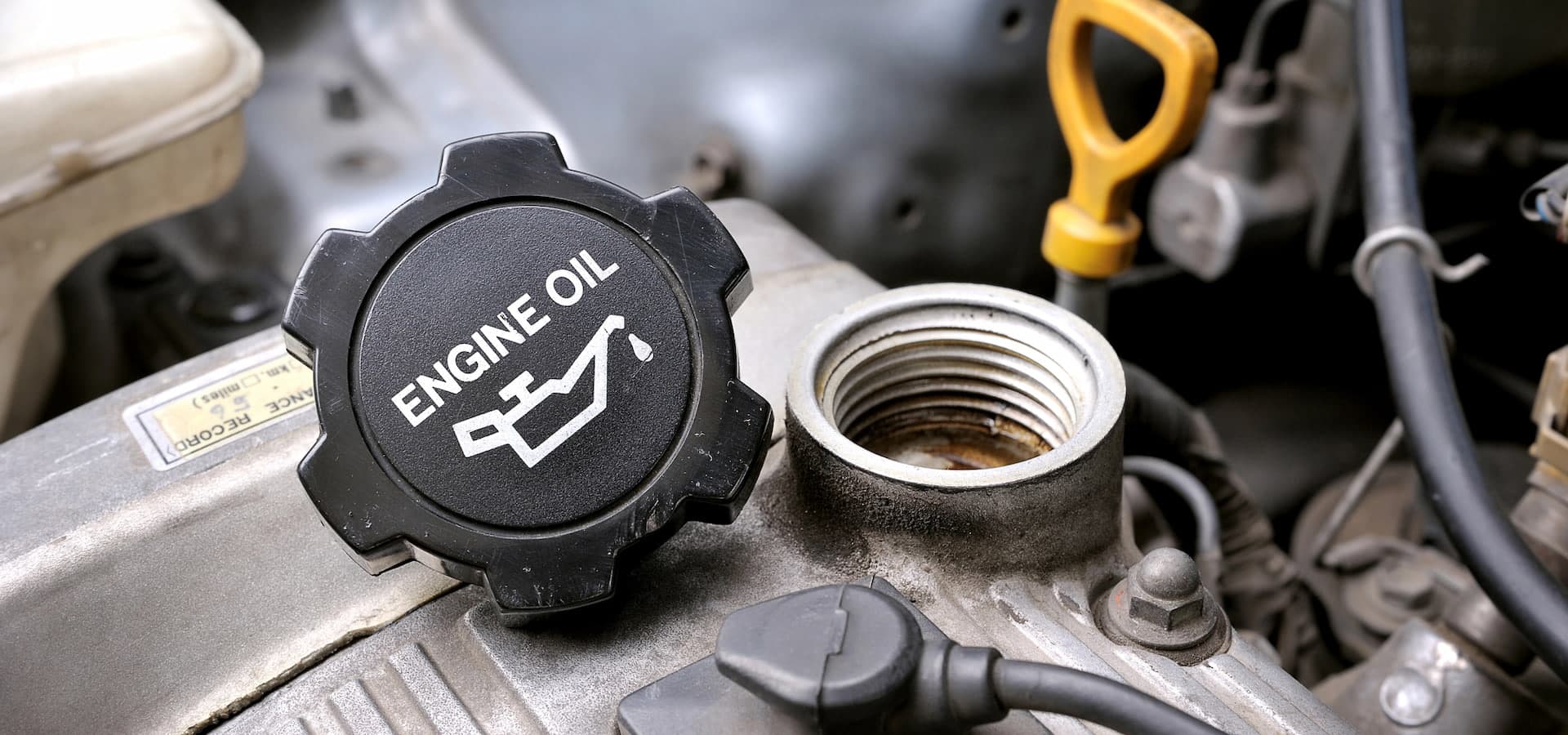
Acura Oil Change at Elevation Auto Repair
A Denver TL owner once rolled in convinced his engine was tired – the oil light flickered at idle and he'd chased the problem across two quick-lube chains. The real issue was a slightly overfilled crankcase and the wrong viscosity poured into a J-series V6 that wanted the correct spec. That's the difference an Acura-focused shop makes.
An oil change sounds simple, but Acura's engineering rewards precision. The maintenance minder system on RDX, TLX, and MDX platforms calculates oil life based on driving conditions, and it needs a proper reset with factory-level scan capability – not a guess. VTEC and the newer earth dreams direct-injection engines are sensitive to viscosity and oil quality, and older 3.2/3.5 J-series V6s are prone to VTC actuator rattle and timing-related noise when service intervals slip.
We match the correct specification – often 0W-20 full synthetic on modern Acuras – torque the drain plug and filter housing to spec, and inspect the crush washer every time. Here's what you can expect:
- Correct OEM-spec full synthetic oil and genuine or equivalent filter
- Proper maintenance minder reset so your service light reflects reality
- A multi-point inspection covering leaks, belts, and fluid levels
- Honest recommendations – no upsells you don't need
Symptoms – How to Know You Need This Service
Acura's maintenance minder does most of the reminding, but your car gives other clues that oil service is overdue. You may notice one or more of these:
- Maintenance minder at 15% or lower – schedule soon; the countdown is based on real engine use, not guesswork.
- A ticking or rattling on cold startup – common on J-series V6s with worn VTC actuators when oil is thin or degraded; have it checked soon.
- Dark, gritty oil on the dipstick – healthy synthetic should still flow and look translucent.
- A burnt smell from the engine bay after driving, often pointing to old oil or a small leak onto hot components.
- Rougher idle or slightly reduced fuel economy as oil breaks down and friction climbs.
- Oil pressure warning light – stop driving immediately and call us; running low or with no pressure risks catastrophic engine damage.
- Visible drips on your driveway – VTC solenoid gaskets and valve cover seals are frequent culprits on higher-mileage Acuras.
The pressure light is the one that means pull over now. Everything else means book an appointment before small problems grow into expensive ones.
Common Oil Change Issues on Acura Vehicles
Acura's engine lineup has a few well-documented quirks that make oil service more than routine. Here are the patterns we see most on Denver-area cars.
- VTC actuator rattle on K-series engines (2003-2012 TSX, TL, RDX): A cold-start grinding noise from the front of the engine tied to the variable timing control actuator. Old, thin, or overdue oil makes the symptom noticeably worse.
- VCM oil consumption on J-series V6 (2008-2013 MDX, TL, RL): Variable Cylinder Management deactivates cylinders under light load, and the resulting ring wear leads to burning oil. These engines can run low between intervals if not checked.
- Turbo oil coking on 2.0T (2019+ RDX and TLX Type S 3.0T): Direct-injected turbo engines are sensitive to oil quality. Extended intervals or the wrong viscosity accelerate deposit buildup on turbo bearings.
- Over-torqued or stripped drain plugs: Acura aluminum oil pans are easy to damage with an impact gun. We hand-torque to spec and replace the crush washer every time.
- Maintenance Minder misread: Acura's oil-life algorithm counts engine conditions, not miles. Owners who reset it without service, or wait for a "hard" alert, run oil far past its useful life.
- Wrong oil spec: Many Acuras call for 0W-20 with specific HTHS ratings. Substituting a heavier grade affects VTEC and VCM operation.
Which Acura Models We See for Oil Change
We service the full modern Acura lineup along with plenty of well-loved older models. Find your car below:
- TLX (2015–present) – 2.4L K24 four-cylinder and 3.5L J35 V6, plus the Type S turbo V6 which benefits from strict adherence to synthetic spec.
- TL / TSX (2004–2014) – J-series V6 and K-series four; watch for VTC actuator noise on higher-mileage examples.
- MDX (2001–present) – J35 V6 across generations; the newer models use the maintenance minder reset procedure.
- RDX (2007–present) – early K23 turbo four, later J35 V6, and current 2.0L turbo which is direct-injected and viscosity-sensitive.
- ILX (2013–2022) – K-series and R18 engines sharing much with the Honda Civic platform.
- RLX (2014–2020) – 3.5L V6 including the Sport Hybrid variant, which needs careful fluid handling.
- Integra (2023–present) and older RSX / Integra – from classic VTEC fours to the current turbo platform.
- RL / Legend / Vigor (1990s–2000s) – older platforms we still gladly service, though parts sourcing can take longer.
The turbocharged Type S and RDX 2.0T variants demand extra attention to oil quality and timely intervals. Whatever your Acura, bring it in and we'll match the right service to your engine.
A Denver owner brought in a 2016 MDX with a dashboard warning she'd been ignoring for a few weeks, convinced it was "just the reminder light." The oil was down more than a quart and dark as coffee, and the timing chain area was already showing the early signs of neglect. That story plays out often with Acura owners who assume the maintenance minder is optional. It isn't – and getting the oil change right on these engines takes more than a generic drain-and-fill.
Causes & Risks – What Happens if Ignored
Colorado's altitude, temperature swings, and stop-and-go traffic all push oil harder than the average commute. Short winter trips never fully burn off moisture, and summer mountain climbs load turbo and VCM systems. Combine that with a stretched interval and problems compound fast.
Waiting rarely saves money. A skipped oil change on a J-series V6 can turn a simple service into ring and cylinder repair, and a starved turbo bearing on a 2.0T is a far larger bill.
- Sludge buildup: Old oil gels in the pickup screen, cutting flow to VTC actuators and bearings.
- Timing component wear: Ignoring K-series actuator rattle can progress to chain tensioner and guide damage.
- Accelerated oil burning: VCM engines run low quietly, and low oil pressure damages bearings within a surprisingly short window.
- Turbo failure: Coked oil in 2.0T and 3.0T engines destroys the turbo cartridge, a repair many times the cost of routine service.
- Overheating and warping: Degraded oil loses its ability to shed heat, risking head and gasket damage.
Safety Impact – Why Oil Change Matters
Clean oil is a safety item, not just a maintenance line. Low oil pressure or a seized component can leave you stranded in traffic or on a mountain grade, and a sudden engine stall kills power steering assist and brake booster vacuum.
On modern Acuras, engine sensors feed the same network that supports stability control and ABS. A rough-running or overheating engine can throw the system into limp mode when you least expect it.
- Stop driving now: Oil pressure warning light, knocking or metallic noise, smoke from under the hood, or a temperature gauge climbing toward hot.
- Schedule soon: Maintenance Minder at or below 15%, cold-start rattle, faint oil smell, or a dipstick reading below the low mark.
There's also a liability angle. A documented low-oil condition that leads to a stall or fire can complicate an insurance claim. Keeping service records with an honest shop protects you both mechanically and on paper.
How Acura Oil Change Actually Works
Acura doesn't use a fixed mileage timer. The Maintenance Minder monitors engine temperature, RPM, load, and driving patterns to calculate remaining oil life, then displays a percentage with letter codes for what's due. That's smarter than a generic sticker – but it only works if the system is reset correctly after service and the right oil goes back in.
These engines depend on precise oil pressure for VTEC, VTC, and VCM operation, so viscosity and cleanliness directly shape how the engine runs. We follow OEM procedure end to end.
- Correct spec oil: Most modern Acuras specify 0W-20 meeting Honda's requirements, matched to the engine's variable-timing hardware.
- Genuine or OEM-equivalent filter: Proper bypass and anti-drainback valve behavior protects cold-start pressure.
- Torque to spec: Drain plug and filter tightened by hand to protect the aluminum pan, with a fresh crush washer.
- Maintenance Minder reset: Cleared through the dash menu so the algorithm tracks the next interval accurately.
- Level verification: Checked warm on a level surface, since VCM and turbo engines are sensitive to being over
A Denver Acura owner rolled into the shop convinced her TL just needed "the usual" oil service, but the maintenance minder had been reset by a quick-lube shop that skipped the correct viscosity. The engine was already ticking on cold starts. That's the kind of small oversight that turns a routine oil change into a preventable problem, and it's exactly why we treat every Acura oil service as a chance to catch what others miss.
How We Diagnose Oil Change Issues on Acura
An Acura oil change is more than draining and refilling – it's a window into engine health. VTEC and VTC systems on the K-series and J-series engines depend on clean oil at the right pressure, so we start by reading what the vehicle tells us.
- Connect an Acura-capable scan tool (compatible with the HDS platform) to pull oil life data, VTC actuator codes, and any pending misfire or VVT faults.
- Check the Maintenance Minder history to confirm the correct service code (A, B, and sub-items 1-6) and whether prior intervals were honored.
- Inspect the drained oil for metallic glitter, fuel dilution smell, or milky contamination that hints at deeper issues.
- Verify oil pressure and look for VTC rattle on cold start – a known trait on some 2004-2008 TL and TSX K24 engines.
- Perform a visual sweep of the oil pan, valve cover gasket, and VTC solenoid for seepage, plus a short road test to confirm smooth VTEC engagement.
Once we've combined the scan data with hands-on checks, we translate the findings into a plain-language plan and a clear quote – no surprises, no padded line items.
Oil Change on Acura: Repair vs. Replacement
Most Acura oil concerns are straightforward service, but the right call depends on what the diagnosis reveals.
- Genuine repair (service and adjust): A clean drain, new OEM filter, correct 0W-20 or 5W-20 fill, and a fresh crush washer. If a VTC solenoid screen is just dirty, cleaning and resealing may restore normal operation.
- Partial replacement: When a single component is worn – a leaking valve cover gasket on a J35 V6, a failing VTC actuator on early K24s, or a weeping oil pan gasket – we replace that part and keep the healthy assembly intact.
- Full replacement or major work: If we find sludge from long-neglected intervals, timing chain guide wear, or oil starvation damage, patching one piece won't hold. When repair cost climbs toward replacing the assembly, we say so honestly.
We lay out each option side by side with what it fixes and what it leaves, so you decide based on facts – not a push toward the priciest ticket.
How to Make Your Acura Oil Change Last Longer
Good habits keep Acura engines quiet and clean well past 150,000 miles. A few driving and maintenance choices make the difference.
- Let the engine warm briefly before hard acceleration, especially in cold Denver winters, so oil reaches VTEC components before load.
- Avoid stacking short trips that never fully warm the oil – this causes fuel dilution and moisture buildup.
- Follow the Maintenance Minder rather than a fixed mileage, and never reset it without an actual service.
- Use OEM or Acura-approved oil in the correct viscosity – the wrong grade contributes to VTC rattle and lifter noise.
Owners can safely handle a few checks themselves:
- Read the dipstick monthly for level and color.
- Listen for new cold-start ticking or valvetrain noise.
- Watch for oil spots on the driveway that point to gasket seepage.
Leave pressure testing, solenoid work, and any leak repair to the shop – those touch engine-critical systems. Keeping software and service records current lets us spot patterns early and keep your Acura running strong.
What to Expect When You Bring Your Acura In
A TL owner rolled in recently convinced her oil change was routine – until we spotted the early seepage from the VTC actuator area that Acura's J-series V6 is known for. That's the kind of catch a real inspection turns up. Here's how a visit flows:
- Drop-off or appointment – Schedule ahead or leave the car with us. Grab a shuttle ride or ask about loaner availability, and clear out personal items you'll need before we start.
- Initial inspection – We check your oil grade against Acura spec (many models call for 0W-20 with API SN/ILSAC ratings), verify the Maintenance Minder status, and scan for related codes.
- Written estimate – You get a clear, itemized quote before any work begins. No surprises added later.
- The service – We drain, replace the OEM-spec filter, torque the drain plug and cartridge cap to Acura values, and top off with the correct fluid volume.
- Communication – If we find anything – a weeping seal, a due-soon service item – we call and explain before touching it.
- Pickup walkthrough – We reset the Maintenance Minder, show you what we found, and answer questions.
Before you leave, we road test and re-scan with a factory-capable tool to confirm no codes returned. If anything feels off afterward, bring it back and we'll re-verify – no runaround.
Why Choose Elevation Auto Repair for Acura Oil Change
An oil change on an Acura isn't just a drain-and-fill when you know the platform. We track Acura TSBs and Maintenance Minder software behavior, so we set the correct interval instead of guessing off a sticker.
- Correct fluid every time – 0W-20 for most modern K-series and J-series engines, with attention to models like the RDX and TLX turbo that have their own specs.
- Platform awareness – We watch for VTC actuator rattle on cold starts, VTM-4 driveline needs on MDX and Pilot-derived platforms, and oil consumption patterns on higher-mileage J-series V6s.
- Proper torque and OEM filters – Cartridge caps and drain plugs done to Acura spec to prevent leaks and stripped threads.
- End-to-end ownership – The same shop that inspects also performs the work and verifies it with a scan tool and road test.
You get a Denver dealership alternative that handles everything from this oil change to the bigger repairs down the road – with straight answers and no unnecessary add-ons.
Our Acura Services
- Air Conditioning AC Repair
- Battery Repair Replacement
- Brake Repair & Brake Fluid Change
- Check Engine Light Diagnostics
- Clutch Repair & Replacement
- Coolant Leak Repair
- Cooling System Repair
- Drive Shaft Repair
- Engine Repair
- Exhaust & Catalytic Converter Repair
- Head Gasket Repair & Replacement
- Oil Leak Repair
- Scheduled Service Maintenance
- Steering Repair
- Suspension Repair
- Cambelt Timing Belt Replacement
- Transmission Repair
- Tune Up
- Wheel Alignment