Acura Coolant Leak Repair at Elevation Auto Repair
A small coolant leak on an Acura can snowball into a warped cylinder head or a scored J-series V6 if it gets ignored. Getting the repair right the first time protects the engine you already paid for – and that starts with treating an Acura like the engineered machine it is, not a generic import.
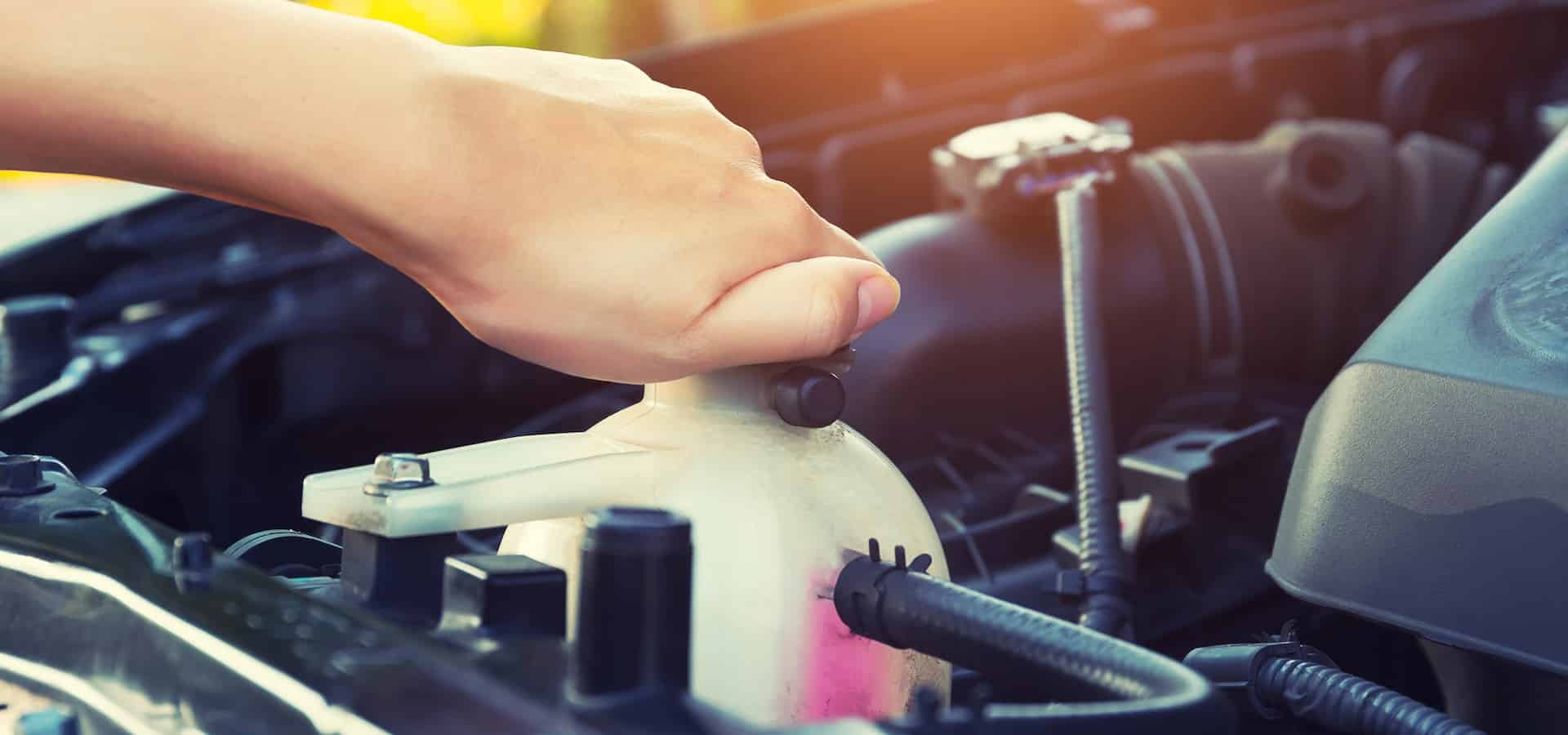
Coolant leak repair means finding the actual source of the loss, replacing the failed component, and refilling the system to spec. On Acura platforms that's harder than it sounds. The J-series 3.5L and 3.7L V6 engines are known for weeping thermostat housings and brittle plastic Y-pipe fittings, and the K-series four-cylinders can seep at the water pump gasket. Air pockets are the real enemy here – Acura cooling systems trap air easily, so a proper vacuum fill and the correct Honda Type 2 blue coolant matter as much as the part itself. We also honor factory torque specs on aluminum housings so nothing cracks on reassembly.
- Pressure and dye testing to pinpoint the leak instead of guessing
- OEM or OEM-equivalent gaskets, hoses, and Type 2 coolant
- Vacuum-assisted refill to eliminate trapped air and overheating
- A clear explanation of what failed and what we found – no add-on repairs you don't need
Symptoms – How to Know You Need This Service
Acura cooling problems usually announce themselves before they leave you stranded. Watch for these signs:
- A sweet, syrupy smell drifting through the cabin or from under the hood after driving
- Green, orange, or blue puddles under the front of the car after it sits overnight
- The temperature gauge climbing higher than normal, especially on Denver climbs and in traffic
- Your coolant reservoir dropping below the MIN line and needing frequent top-offs
- White steam or a faint hissing sound near the thermostat housing or radiator
- The heater blowing cold air when it should be warm – often a sign of air in the system or low coolant
- A check engine light or overheat warning on the dash
If you see steam, a rising gauge into the red, or a warning light, stop driving and let the engine cool – continued running risks head gasket and head damage. A faint smell or slow reservoir drop is safe to drive on briefly, but schedule service soon before the leak grows.
Common Coolant Leak Repair Issues on Acura Vehicles
Acura's J-series V6 and K-series four-cylinder platforms are well engineered, but coolant systems age in predictable ways. Getting the wrong part or skipping the right torque sequence turns a small leak into a warped head on aluminum engines that don't forgive overheating. Here's what we see most often on Denver Acuras.
- Thermostat housing weep on J35/J37 V6 (MDX, RL, TL, RLX): The plastic housings and gaskets on these V6 platforms harden and crack with heat cycling, leaving a slow drip near the front of the block that owners often mistake for a hose leak.
- Water pump seepage on K24 four-cylinders (TSX, RDX, ILX): The timing-side water pump seal weeps as the bearing wears, and because it lives behind the timing chain cover area on some layouts, early detection saves a bigger teardown.
- Radiator end-tank cracks: The crimped plastic-to-aluminum end tanks on TL and MDX radiators split along the seam, especially on higher-mileage cars that have run older, degraded coolant.
- Upper/lower radiator hose and quick-connect failures: The molded hoses and clip-style connectors on later Acura platforms get brittle and seep at the fittings.
- Heater core and bypass line leaks: A sweet smell and foggy windshield point to a heater core or the metal bypass lines that run along the rear of the V6 block.
- Failing overflow/expansion tank caps: A tired cap won't hold system pressure, mimicking a leak while raising boil-over risk.
We pin the exact source before recommending parts, so you replace what's actually failing.
Which Acura Models We See for Coolant Leak Repair
We handle coolant leaks across nearly the full modern Acura lineup. The most common visitors:
- Acura MDX (2007–2020, YD2/YD3) – J-series V6, frequent thermostat housing and Y-pipe seepage
- Acura TL / TSX (2004–2014) – water pump and radiator neck leaks on both J35 V6 and K24 four-cylinder cars
- Acura RDX (2007–present) – early K23 turbo models and later J35/2.0T versions with hose and housing leaks
- Acura TLX (2015–present, UB1/UB5) – 2.4L and 3.5L V6 water pump and gasket weeps
- Acura RL / RLX – aging radiators and thermostat housings on higher-mileage examples
- Acura ILX (2013–2022) – K-series four-cylinder water pump and hose fittings
SH-AWD variants add extra plumbing and coolant routing, so we plan for the longer fill and bleed those systems require. Turbocharged RDX and TLX Type S models carry additional coolant lines to the turbo that we inspect during the repair. We're most experienced with 2004-and-newer Acuras. Very early Legend and Integra models are less common on our lift, but reach out and we'll tell you honestly whether we're the right shop for your car.
Causes & Risks – What Happens if Ignored
Denver's altitude, dry air, and big temperature swings are hard on cooling systems. Add original coolant that's never been flushed, plastic components that stiffen over time, and stop-and-go traffic, and small seeps become steady leaks. Acura's aluminum engines are the reason waiting costs more.
Ignoring a J-series thermostat housing weep for a few months typically leads to a sudden coolant dump when the crack opens under pressure, and an overheat event on an aluminum block can warp a cylinder head or blow the head gasket.
- Low coolant to overheating: A minor leak drops the level until the engine runs hot, risking head warp and gasket failure.
- Warped head and gasket damage: Once aluminum overheats, you move from a hose or housing repair to machine work and gaskets.
- Oil and coolant intermixing: A failed head gasket contaminates oil, threatening bearings and the whole engine.
- Water pump bearing seizure: A seeping K24 pump left alone can seize and take the timing chain or belt with it.
- Corrosion spread: Old coolant loses its inhibitors and eats radiator seams, heater cores, and metal lines from the inside.
The safety line is simple – once temperatures climb and you keep driving, you risk a roadside stall and permanent engine damage. Catching the leak early keeps this a maintenance item, not a rebuild.
Safety Impact – Why Coolant Leak Repair Matters
An overheating Acura isn't just an engine problem. Sudden power loss in traffic, steam obscuring your view, and a stalled car in a lane all put you and others at risk. Coolant that reaches the exhaust or contacts hot surfaces can also create smoke that hides hazards ahead.
- Stop driving now: Temperature gauge in the red, steam from under the hood, sweet coolant smell in the cabin, or heater blowing cold with a low reservoir.
- Schedule soon: A small puddle after parking, slow reservoir drop over weeks, or occasional low-coolant warnings that clear after topping off.
A stall from a seized water pump can disable power steering assist and vacuum-boosted braking on some setups, making the car far harder to control at the worst moment. There's also the liability angle – a documented, known cooling issue left unaddressed before a breakdown or collision reflects poorly on the owner. We prioritize getting these fixed right so your Acura stays predictable and safe on the road.
How Acura Coolant Leak Repair Actually Works
Your Acura's cooling system moves coolant through the block and heads, out to the radiator, and back, with a thermostat regulating flow and an electric fan managing temperature. On many Acura platforms, the system is closely tied to engine management and the electric cooling fans respond to sensor data rather than a simple switch.
That's why proper repair goes beyond swapping a hose. Bleeding air out of a J-series V6 requires the correct fill-and-purge sequence, and the wrong coolant type can gel or corrode aluminum passages.
- OEM-spec Type 2 coolant: Acura's phosphate-based blue coolant is formulated for their aluminum components – substituting a generic mix invites corrosion.
- Correct bleed procedure: V6 layouts trap air pockets, so we follow the factory fill and burp steps to prevent false overheating after the repair.
- Torque and gasket specs: Thermostat housings and water pump bolts get sequenced torque values to seal plastic and aluminum without cracking or warping.
- Pressure and fan verification: We pressure-test the system and confirm the electric fans and temperature sensors respond correctly before returning the car.
Doing it to Acura's standard is what keeps the repair leak-free
Get a coolant leak wrong on an Acura and the damage rarely stops at a wet garage floor. These engines – from the J-Series V6 in the MDX and TL to the K-Series four-cylinders in the TSX and RDX – run tight cooling tolerances, and a slow coolant loss can warp aluminum heads or scorch head gaskets long before a temperature warning appears. We fix the leak properly the first time so the repair holds for years, not weeks.
How We Diagnose Coolant Leak Repair Issues on Acura
Coolant leaks on Acura platforms hide in predictable places, but confirming the source takes a disciplined approach rather than a guess.
- Scan the vehicle: We pull codes with an OEM-level tool that reads Acura's engine and climate modules, checking for coolant temperature sensor faults, thermostat efficiency codes, and heater-core-related HVAC data the generic readers miss.
- Cold visual inspection: We look for crusty residue at the thermostat housing, water pump weep hole, and radiator end tanks – common failure points on J-Series V6 models and higher-mileage MDX and Pilot-shared platforms.
- Cooling system pressure test: Pressurizing the system to spec reveals seeping upper radiator hoses, the plastic-tank radiators prone to cracking, and the notorious rear-bank coolant crossover leaks on transverse V6 layouts.
- Combustion gas check: When we suspect a head gasket, we test for exhaust gases in the coolant.
- Road test and measurement: We verify operating temperature, watch for overheating under load, and recheck levels after a heat cycle.
From there you get a written plan and a clear quote – the exact part, why it failed, and what the repair prevents.
Coolant Leak Repair on Acura: Repair vs. Replacement
Not every coolant leak means a big job. We match the fix to the actual failure.
- Genuine repair: A weeping hose clamp, a loose bleeder, or a single cracked hose is a straightforward replace-and-refill. Reseating a thermostat housing with a fresh O-ring often solves an early seep.
- Partial replacement: When the water pump bearing or seal fails on a J-Series V6, we replace the pump and any belt-driven parts in the wear path while leaving the sound components alone. A cracked plastic radiator tank means a new radiator, not a whole cooling overhaul.
- Full replacement: Cascading wear – a leak that has already cooked a head gasket, warped a head, or contaminated the system – calls for the larger repair. If patching a corroded metal crossover pipe costs nearly as much as replacing it, replacement wins on reliability.
We show you the failed part, explain the trade-offs, and let you decide – no steering you toward the priciest option.
How to Make Your Acura Coolant Leak Repair Last Longer
A clean repair lasts longest when the system is treated right afterward.
- Drive smart: Let the engine reach operating temperature before hard acceleration, especially in Denver's cold mornings, and avoid sustained high loads on long mountain climbs that spike coolant temperatures.
- Watch the basics: Check the overflow reservoir level monthly when cold, glance under the car for spots, and note any sweet smell or heater performance changes that signal an early leak.
- Use the right fluid: Acura's Type 2 blue coolant is formulated for these aluminum engines – mixing in generic green antifreeze accelerates corrosion and gasket wear. Stick with OEM coolant and genuine parts on sealing surfaces.
- Keep up with intervals: Follow Acura's coolant service schedule and let software updates from the dealer or a capable shop keep thermal management strategies current.
Topping off coolant and checking hoses are safe to do yourself. Pressure testing, bleeding the system to remove air pockets, and any work touching the head gasket or water pump belongs in the shop – trapped air or a rushed refill can overheat an Acura engine fast. Bring it to us and we will keep it running cool for the long haul.
A neglected coolant leak on an Acura rarely stays cheap. What starts as a weeping seal or a hairline crack in a plastic coolant housing can push a J-series V6 or K-series four toward overheating, warped heads, and a blown head gasket. Get the diagnosis wrong – or replace the wrong part – and you're back on a flatbed weeks later.
What to Expect When You Bring Your Acura In
Acura cooling systems hide their leaks well. TL and TSX owners often chase a low-coolant light that traces back to a seeping thermostat housing, while MDX and RDX drivers frequently find the culprit at the plastic water pump passages or the crossover pipe O-rings. Here's how a visit works:
- Drop-off or appointment – We confirm your symptoms: sweet smell, low reservoir, white residue, or temp needle creeping up.
- Initial inspection – Cold pressure test, UV dye check, and inspection of common leak points like the radiator seams, upper hose necks, and timing-cover-area weep holes on V6 platforms.
- Written estimate – A clear breakdown of the source, the parts, and the labor before anything gets touched.
- During the work – Straight updates by call or text, including any secondary findings such as a brittle radiator end tank or a failing bleeder screw.
- Pickup walkthrough – We show you the replaced parts and explain what caused the failure.
Loaner and shuttle options help you stay on schedule, and after-hours pickup is available when your day runs long. Leave personal items in the car if you'd like – we work around them. Before your Acura leaves, it gets a full road test and a scan-tool recheck for temperature behavior and stored codes. If anything feels off afterward, bring it back and we'll re-verify.
Why Choose Elevation Auto Repair for Acura Coolant Leak Repair
Coolant work on an Acura demands proper burping. Air trapped in a J-series V6 creates false overheating and hot spots, so we follow the factory bleed sequence using the correct fill point and Honda/Acura Type 2 blue coolant rather than a universal mix that can gel or corrode aluminum passages.
- Brand-specific knowledge – Familiarity with Acura TSBs, cooling-related software updates, and platform quirks like the thermostat housing seeps on TL/TSX and the coolant crossover leaks on MDX/RDX models.
- End-to-end ownership – The same shop diagnoses the source, performs the repair, and verifies it with a pressure test and road check – no handoffs.
- Correct materials and torque – OEM-grade seals, factory-spec coolant, and proper torque on aluminum housings so bolts don't strip or seep again.
The goal is a repair that holds up long-term, not a quick top-off. As your Denver dealership alternative, we handle everything from the cooling system to steering, suspension, and drivetrain under one roof – so the fix lasts and your Acura stays reliable.
Our Acura Services
- Air Conditioning AC Repair
- Battery Repair Replacement
- Brake Repair & Brake Fluid Change
- Check Engine Light Diagnostics
- Clutch Repair & Replacement
- Cooling System Repair
- Drive Shaft Repair
- Engine Repair
- Exhaust & Catalytic Converter Repair
- Head Gasket Repair & Replacement
- Oil Change
- Oil Leak Repair
- Scheduled Service Maintenance
- Steering Repair
- Suspension Repair
- Cambelt Timing Belt Replacement
- Transmission Repair
- Tune Up
- Wheel Alignment