
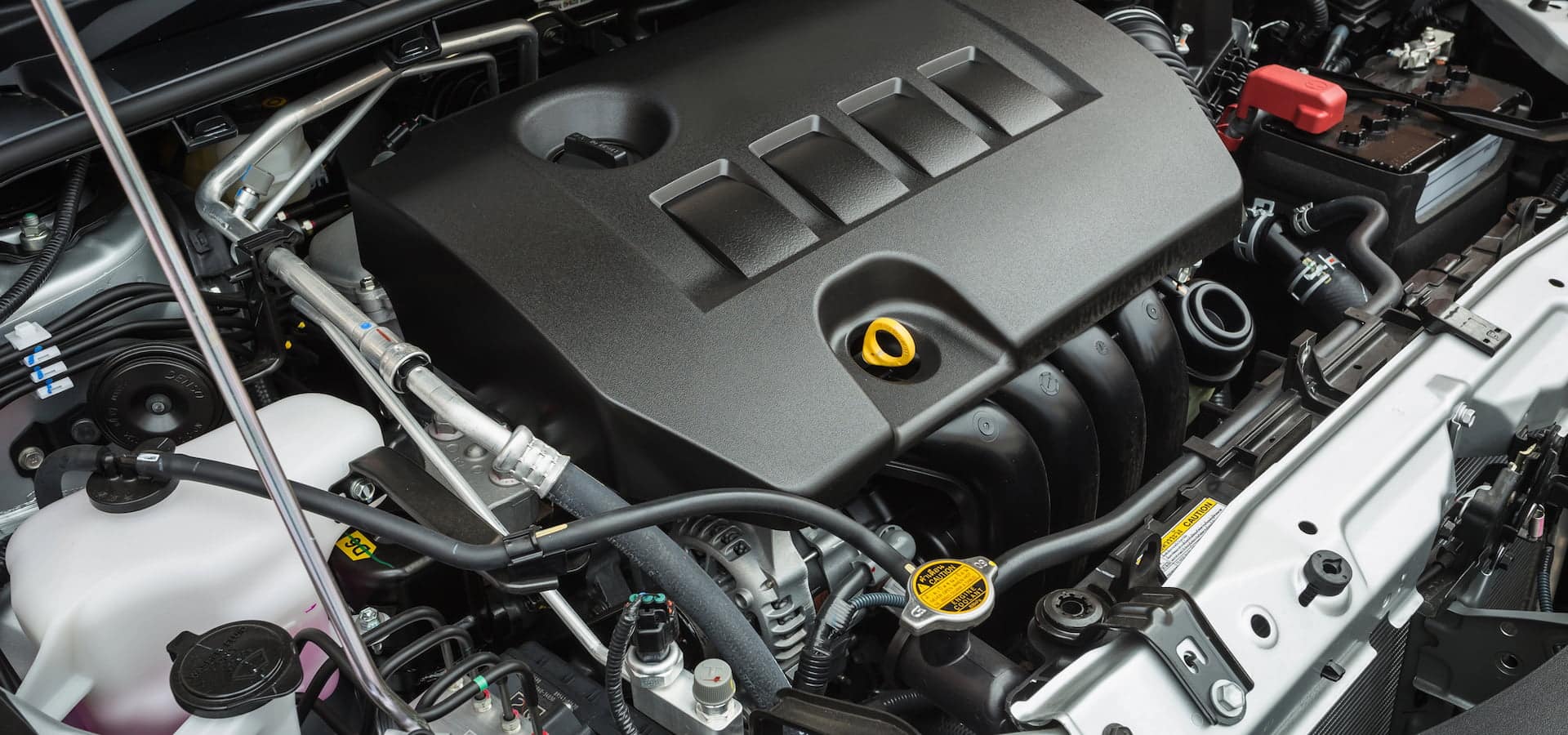
Acura Tune Up at Elevation Auto Repair
Acura builds engines that reward precise service and punish shortcuts. A modern Acura tune up isn't a set of spark plugs and a prayer – it's a coordinated refresh of ignition, fuel, and air management calibrated to Honda's exacting specs. Getting it right protects both your warranty coverage and the strong resale value Acura owners count on.
Several platform details separate a proper Acura tune up from generic work:
- The J-series V6 (TL, MDX, RL) uses Variable Cylinder Management – iridium plug gaps and heat ranges must match OEM spec or you'll trigger misfires and rough VCM transitions.
- Earlier K-series and J-series engines run VTEC and VTC solenoids that depend on clean oil and correct service intervals to avoid rattle at cold start.
- Direct-injected turbo engines in newer RDX and TLX Type S models benefit from induction cleaning to manage carbon on intake valves.
We use factory-grade diagnostic tooling and torque specifications rather than eyeballing it, so coil packs seat correctly and plugs go in at the right value.
Here's what you can expect:
- OEM or OEM-equivalent iridium plugs gapped and torqued to Acura spec
- Honest inspection of coils, ignition wires, and air/fuel filters
- Scan-tool verification that no stored misfire or VTEC codes remain
- A clear rundown of what was done and what can wait
Symptoms – How to Know You Need This Service
Acura engines tend to run smoothly until worn ignition parts push them over the edge. Watch for these signs:
- You may notice a rough or shaky idle, especially noticeable at stoplights in a TL or MDX.
- A flashing check engine light – this signals active misfire dumping raw fuel into the catalytic converter. Stop driving and schedule immediately to protect the cats.
- Hesitation or stumbling under acceleration, often felt during VCM transitions on the J-series V6.
- Noticeably worse fuel economy on your usual Denver commute.
- Hard starts or extended cranking on cold mornings.
- A steady (non-flashing) check engine light with a stored P0300-series misfire code – schedule soon rather than ignoring it.
- A faint gasoline smell or sluggish throttle response tied to a clogged air or fuel filter.
A single rough-running cylinder rarely fixes itself. Steady symptoms mean book a visit soon; anything with a blinking light means pull over and get it seen before catalytic damage adds to the bill.
Common Tune Up Issues on Acura Vehicles
Tune up needs on Acura vehicles cluster around a few predictable wear paths tied to specific engine families. Here is what we see most often:
- Carbon buildup on the K23A1 turbo RDX (2007-2012) and the newer turbocharged RDX/TLX – direct-injected and turbo engines don't wash the intake valves with fuel, so deposits choke airflow and cause rough idle and hesitation.
- NGK iridium plug wear on J-series V6s (TL, MDX, RL) – the rear bank is buried under the intake manifold, so worn plugs often get ignored until misfires and P030x codes appear.
- Coil-on-plug failures on K-series TSX/RSX (K24, K20) – individual coil packs break down with heat cycling, producing a single-cylinder misfire that mimics a plug problem.
- VTEC solenoid screen clogging – neglected oil changes let the VTEC oil pressure switch and spool valve screen sludge up, throwing VTEC and cam-timing codes.
- Dirty throttle body and IAC-related idle surge – common on higher-mileage TL and Accord-based Acura platforms after carbon accumulates on the throttle plate.
- Aging PCV and EGR passages on J-series V6s that skew fuel trims and set lean codes when overdue for service.
Which Acura Models We See for Tune Up
We service the full modern Acura lineup and most of the popular earlier platforms. Find your car below:
- TL (2004–2014) – J32/J35 V6, including the 6-speed manual TL Type-S and SH-AWD variants with VCM.
- TLX (2015–present) – 2.4L K24 four-cylinder and 3.5L V6, plus the turbocharged Type S requiring direct-injection-aware service.
- MDX (2001–present) – J-series V6 across generations; SH-AWD models and the newer Type S handled to spec.
- RDX (2007–present) – early K23 turbo, mid-generation naturally aspirated V6, and current 2.0L VTEC Turbo.
- Integra (2023–present) – 1.5L turbo and the 6-speed manual Type S sharing Civic Si running gear.
- ILX (2013–2022) – K-series four-cylinder platforms.
- RL and RLX – J-series and Sport Hybrid V6 flagships.
- TSX (2004–2014) – K24 four-cylinder and later V6.
Turbo and Type S models get induction-focused attention, while manual-transmission cars are checked for related driveline health at the same time. We're candid if a very early Legend or first-gen Integra needs parts that are harder to source – we'll tell you upfront rather than guess.
Acura sits in an interesting spot – Honda reliability underneath, but with tighter tolerances, VTEC valvetrains, and increasingly software-driven engine management that reward doing a tune up the right way. Whether you drive a K-series TSX, a J-series V6 TL/MDX, or a turbocharged RDX, the ignition, fuel, and induction systems have their own quirks that a dealership-alternative shop should know cold. At Elevation Auto Repair in Denver, we keep these platforms running strong while protecting your warranty coverage and long-term resale value.
Causes & Risks – What Happens if Ignored
Colorado's altitude, temperature swings, and stop-and-go Denver traffic accelerate a lot of these problems. Thinner air changes how the engine meters fuel, and cold starts are harder on spark plugs and coils. Extended oil intervals are the biggest culprit behind VTEC and timing-related faults.
Waiting rarely makes an Acura cheaper to fix. A tired plug or a weak coil starts as a subtle stumble and grows into something that touches expensive parts.
- Ignoring a single misfire for weeks dumps raw fuel into the exhaust and can damage the catalytic converters – a far larger repair than a set of plugs.
- Worn plugs force the coils to work harder, so a delayed plug job often turns into replacing coil packs too.
- Carbon buildup left unaddressed on turbo RDX/TLX engines reduces power and fuel economy, and eventually requires walnut-blast intake cleaning.
- Sludge from stretched oil intervals clogs VTEC solenoid screens, leading to cam-timing faults and accelerated valvetrain wear.
- Lean fuel trims from a neglected PCV or vacuum leak can trigger detonation on turbo models – a genuine engine-health risk.
Left long enough, a routine maintenance item becomes a driveability problem that pulls in sensors, converters, and labor-heavy teardown.
Safety Impact – Why Tune Up Matters
A poorly running Acura isn't just annoying – it affects the systems you rely on to drive safely. Misfires and rough running influence throttle response, and on modern Acuras the powertrain talks directly to stability and traction control.
- Stop driving now: a flashing check engine light (active misfire), sudden power loss on the highway, or a strong fuel smell – continued driving can destroy the catalytic converters and create stalling risk.
- Schedule soon: occasional rough idle, mild hesitation on acceleration, slightly reduced fuel economy, or a steady check engine light.
When an engine stumbles or hesitates during a merge or a left turn across traffic, that lost throttle response is a real hazard. Misfires can also disable traction and stability control temporarily, since the ECU cuts power to protect the drivetrain. Addressing tune up items on schedule also matters for warranty and liability – a known, ignored maintenance issue can complicate a claim after an incident. Our honest diagnostics confirm the actual fault before we replace anything.
How Acura Tune Up Actually Works
A modern Acura tune up is more than plugs and a filter. The engine control unit constantly adjusts spark timing and fuel trims based on knock sensors, wideband oxygen sensors, and cam-timing feedback from the VTC (Variable Timing Control) system. When you replace ignition components, the ECU relearns fuel trims and idle values – and on many models that relearn benefits from a proper scan-tool procedure rather than just disconnecting the battery.
What sets Acura work apart:
- Correct NGK iridium/platinum plugs gapped to spec – the wrong heat range or gap causes misfires the ECU can't fully compensate for.
- Torque-to-spec plug installation into aluminum heads – overtightening strips threads, undertightening lets combustion gases blow by.
- VTC and VTEC health checks – oil condition and solenoid screens directly affect cam timing and valve lift.
- Idle and fuel-trim relearn using OEM-level diagnostics so the throttle body and long-term fuel trims settle correctly.
-
Acura's engineering rewards precise maintenance. VTEC valvetrains, drive-by-wire throttle bodies, and the direct-injection powertrains on newer TLX and RDX models all respond differently to a tune up than a generic import. A proper service on your Acura protects factory warranty coverage and keeps resale value where it belongs – and that starts with understanding the platform in front of us.
How We Diagnose Tune Up Issues on Acura
A tune up on an Acura is a data-driven job, not a guess. We start with the scan and build outward from there.
- Full OEM-level scan: We pull codes and live data from every module, not just the powertrain. Acura's HDS-style diagnostics reveal misfire counts by cylinder, long-term fuel trims, and ignition dwell that a basic reader misses.
- Fuel trim and misfire analysis: Elevated trims on the K-series and J-series V6 often point to dirty injectors, a failing VTEC solenoid, or vacuum leaks rather than plugs alone.
- Visual inspection: We check ignition coils for boot cracking (common on higher-mileage TL and MDX), inspect the air filter, PCV path, and spark plug threads for oil intrusion.
- Measurement: Compression or relative cylinder testing when misfires persist, plus verifying plug gap against Acura spec.
- Road test: We confirm cold-start behavior, VTEC engagement, and idle quality under load before and after service.
Once we know what the car actually needs, you get a clear written plan and quote – no padded line items, just what restores the engine to spec.
Tune Up on Acura: Repair vs. Replacement
Not every rough-running Acura needs a full parts list. We scope the work to the real fault.
- Repair / service only: When components are still serviceable – cleaning a carbon-fouled throttle body, resetting idle relearn, replacing a single fouled plug, or clearing a VTEC solenoid screen – we service rather than replace.
- Partial replacement: Replace the failed part and keep the rest. A single cracked ignition coil on a J-series V6 gets swapped while good coils stay; iridium plugs get renewed at Acura's interval while wires or boots that test fine remain.
- Full replacement: When wear cascades – multiple degraded coils, plugs seized in aluminum heads, or a throttle body that fails calibration – doing the complete set once is smarter than repeat visits. Safety-critical or interval-driven parts get replaced together.
We show you the measured data behind each recommendation so you decide with facts, not pressure. The goal is a reliable Acura, not the biggest invoice.
How to Make Your Acura Tune Up Last Longer
A fresh tune up holds up when driving and upkeep work with the engine instead of against it.
- Warm up briefly: Let the engine reach temperature before hard throttle – cold VTEC engagement and short trips accelerate carbon buildup on direct-injected TLX and RDX engines.
- Ease off cold-start revs: Gentle initial acceleration protects plugs and coils and keeps fuel trims stable.
- Watch for changes: A rough idle, hesitation, or a check-engine light means catch it early before a small fault fouls a plug.
Owner-friendly upkeep that pays off:
- Replace the engine air filter on schedule and eyeball it between changes.
- Use only OEM or NGK/Denso iridium plugs at Acura's specified gap – the wrong heat range shortens life.
- Keep top-tier fuel in the tank to slow injector and intake deposits.
- Stay current on Acura software and PCM updates, which refine ignition and fuel mapping.
Air filters and visual checks are safe DIY. Leave plug replacement on aluminum heads, coil diagnosis, and throttle-body calibration to the shop – over-torqued plugs and stripped threads turn a routine service into major repair.
Acura builds vehicles that reward attentive maintenance – the K-series and J-series engines respond noticeably to a proper tune up, and the VTEC/VTC systems depend on clean oil and correct valve lash to run right. A tune up on these platforms is less about spark plugs alone and more about restoring the balance the factory engineered. That is why brand-specific attention matters, both for how the car drives and for keeping your warranty and resale value intact.
What to Expect When You Bring Your Acura In
We keep the process straightforward so you always know where your car stands.
- Drop-off or appointment – Schedule ahead or drop off; ask about our shuttle or loaner options when you book so you stay mobile.
- Initial inspection – We pull codes with a scan tool, check iridium plug condition, inspect coil packs, and review the VTC actuator behavior and idle characteristics common to K24 and J35 engines.
- Written estimate – You get a clear, itemized estimate before any work begins. No surprise add-ons.
- Updates during the work – We call or text with findings, and we ask before doing anything beyond the approved scope.
- Pickup walkthrough – We show you what was replaced, explain what we found, and note anything worth watching.
Please take valuables and personal items with you at drop-off. If your schedule is tight, ask about after-hours pickup arrangements. Before we hand the keys back, every Acura gets a road test and a scan-tool re-check to confirm no codes returned and that idle, throttle response, and fuel trims look right. If something still feels off after you leave, bring it back and we will make it right.
Why Choose Elevation Auto Repair for Acura Tune Up
We treat an Acura tune up as a full-system service, not a parts swap. Our technicians know the platform quirks that generic shops miss.
- TSB and software awareness – We check for applicable Acura service bulletins and ECU/PCM update needs that affect idle, misfire logging, and emissions readiness on RDX, TLX, MDX, and TSX models.
- Correct parts and specs – OEM-grade plugs gapped to spec, proper coil boots, and the correct fluids so your factory maintenance record stays clean.
- Platform-specific know-how – Awareness of carbon and direct-injection tendencies on turbocharged Acura engines and VTC actuator noise on higher-mileage J-series motors.
You get one shop that owns the job end to end – diagnosis, the actual repair, and post-repair verification. As your Denver dealership alternative, we deliver the brand-specific care that protects performance and long-term reliability, with transparent communication at every step.
Our Acura Services
- Air Conditioning AC Repair
- Battery Repair Replacement
- Brake Repair & Brake Fluid Change
- Check Engine Light Diagnostics
- Clutch Repair & Replacement
- Coolant Leak Repair
- Cooling System Repair
- Drive Shaft Repair
- Engine Repair
- Exhaust & Catalytic Converter Repair
- Head Gasket Repair & Replacement
- Oil Change
- Oil Leak Repair
- Scheduled Service Maintenance
- Steering Repair
- Suspension Repair
- Cambelt Timing Belt Replacement
- Transmission Repair
- Wheel Alignment