
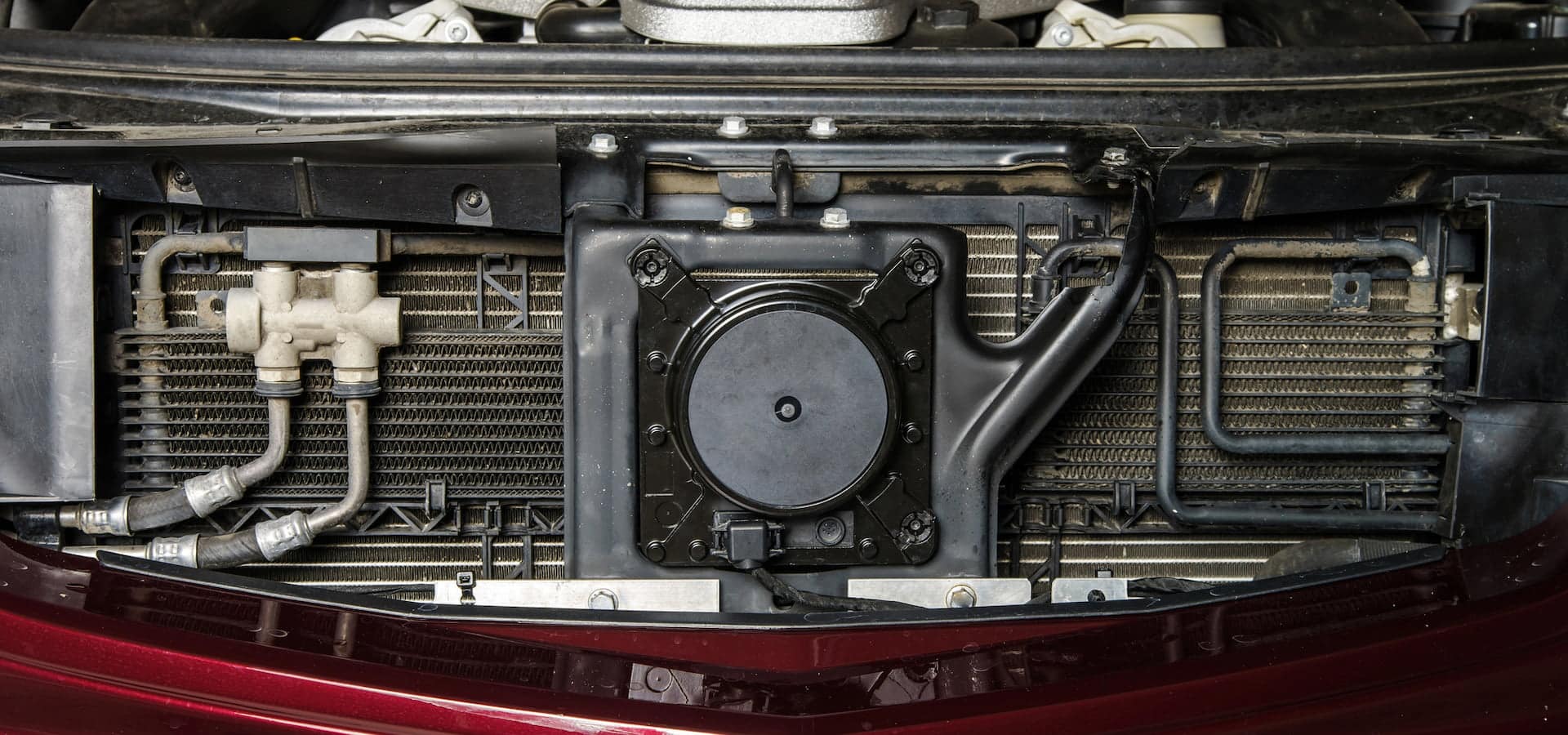
Acura Cooling System Repair at Elevation Auto Repair
Acura builds engines that run tight thermal windows – the J-Series V6 and K-Series four-cylinders don't tolerate cooling neglect the way older, low-output engines did. A small coolant leak or a lazy thermostat can push aluminum heads toward warping fast, so cooling work on these cars rewards precision over guesswork.
Cooling system repair covers the radiator, thermostat, water pump, hoses, coolant reservoir, and the temperature sensors that feed the ECU. Doing it right on an Acura means respecting a few brand-specific realities:
- Acura specifies Type 2 blue silicate-free coolant – mixing in generic green antifreeze accelerates corrosion and gunks up passages.
- The 3.5L and 3.7L J-Series V6 needs a proper burp/bleed procedure at the bleeder bolt, or trapped air creates hot spots and false overheating.
We use factory-correct fluids, follow OEM torque specs on the water pump and thermostat housing bolts, and scan for pending temperature-related codes before you leave. Here's what you can expect:
- Honest diagnosis that pinpoints the actual leak or failure – no shotgun parts swapping
- OEM-grade or better components and correct Type 2 coolant
- A complete air-bleed and pressure test to confirm the fix
- Clear communication before any work begins
Symptoms – How to Know You Need This Service
Cooling problems on an Acura usually announce themselves before they turn into a warped head. Watch for these signs:
- Temperature gauge climbing past center or a red coolant-temp warning light – stop driving and shut it down to avoid head and gasket damage.
- Sweet, syrupy smell inside or outside the cabin – a telltale sign of leaking coolant.
- Puddles of green or orange fluid under the front of the car after parking.
- The heater blowing cold at idle, then warm when you rev – often air in the system or a failing thermostat.
- Low coolant reservoir that keeps dropping between fill-ups.
- A slow-spinning or noisy electric radiator fan, or fans that never kick on.
- Steam or a hot, sweet vapor from under the hood – pull over and let it cool.
- Bubbling or gurgling from the dash area after shutdown.
Intermittent temperature swings and slow coolant loss are safe to schedule soon. Steam, a pegged gauge, or a red warning mean you should stop immediately and have the car brought in.
Common Cooling System Repair Issues on Acura Vehicles
Acura builds its engines to Honda's tight tolerances, which means cooling problems that would be minor annoyances on other brands can push a J-Series or K-Series engine toward warping much faster. Denver's altitude and dry heat only accelerate coolant breakdown, so early detection matters here more than at sea level.
- Thermostat housing and coolant passage leaks on J35 V6 models (MDX, TL, RL, TLX): The plastic thermostat housings and O-rings on these 3.5L/3.7L engines get brittle with heat cycling and weep coolant near the timing side, often mistaken for a water pump leak.
- Water pump wear on timing-belt J-Series engines: Because the water pump is driven by the timing belt on many 2001-2020 MDX/TL/RDX V6s, a failing pump bearing or seal can take the timing belt with it – making this a combined service, not a standalone swap.
- Radiator end-tank seepage on aging TL and TSX platforms: The plastic-and-aluminum radiators crack at the crimped seams, especially on higher-mileage 2004-2014 models that have run older, degraded coolant.
- Failed radiator fan modules and relays: Acura's dual-fan setups depend on control modules that fail intermittently, letting the engine overheat in stop-and-go traffic while running cool on the highway.
- Coolant contamination in the ATF cooler (automatic models): On several V6 automatics, internal cooler failure lets coolant and transmission fluid cross-contaminate – a known driver of transmission trouble on older TL/MDX units.
- Heater core clogging and hose collapse: Neglected Honda Type 2 coolant intervals leave sediment that restricts the heater core and small bypass hoses.
Which Acura Models We See for Cooling System Repair
We handle cooling repairs across the modern Acura lineup and most late-model platforms. If your car is on this list, we can help you identify and fix the issue:
- TL / TSX (2004–2014) – J-Series V6 and K24 four-cylinder; thermostat housing and radiator hose leaks are common with age.
- TLX (2015–present) – 2.4L K24 and 3.5L J35; watch for water pump seep and reservoir cracking.
- MDX (2001–present) – J-Series V6; the tight engine bay makes proper bleeding essential after any coolant service.
- RDX (2007–present) – both the turbo K23 and later 2.0L turbo and 3.5L variants.
- RLX (2014–2020) – 3.5L V6; Sport Hybrid variants add extra cooling loops we handle carefully.
- ILX (2013–2022) – K-Series four-cylinder, shares much with the TSX cooling layout.
- Integra (2023–present) and TLX Type S – turbocharged variants run intercooler and charge-air cooling that need extra attention beyond the main loop.
NSX and older Legend or CL models fall outside what we routinely service, and we'll tell you upfront if your platform is a better fit elsewhere. For everything else Acura, from routine coolant flushes to full water pump and radiator jobs, you've got one trusted shop in Denver.
Causes & Risks – What Happens if Ignored
Most Acura cooling failures trace back to age, missed coolant service, and the plastic components Honda uses to save weight. Denver's temperature swings and thin air add stress that speeds up every one of these wear paths.
A small weep from a thermostat housing or a slow radiator seam leak seems harmless until the system can no longer hold pressure. Once coolant level drops, cylinder head temperatures spike quickly on these aluminum engines.
- Ignoring a minor coolant weep for a few months often leads to a low-coolant overheat event and a warped or cracked aluminum cylinder head.
- A failing timing-belt-driven water pump left alone can seize and snap the belt, causing valve-to-piston contact on interference J-Series engines.
- Deferred coolant flushes let contamination reach the ATF cooler, turning a simple flush into a transmission repair.
- Chronic low-level overheating cooks head gaskets, then introduces coolant into the oil – a far costlier fix than the original leak.
- A cracked radiator that lets go on the highway can strand the vehicle and create a burn hazard from escaping steam.
The pattern is consistent: a repair that starts as a housing, hose, or pump job becomes head and gasket work once heat damage sets in.
Safety Impact – Why Cooling System Repair Matters
An overheating Acura is not just an engine problem – it affects how the whole vehicle behaves. Sudden power loss, warning-light cascades, and steam obstruction all raise real risk in Denver traffic.
When the engine overheats, the ECU pulls power to protect the block, which can cause hesitation or limp mode at inconvenient moments. Coolant spray under the hood can also reach belts and sensors that support power steering assist and stability functions.
- Stop driving now: temperature gauge in the red, steam or sweet-smelling vapor from the hood, coolant warning light, or sudden loss of power.
- Schedule soon: small coolant smell after parking, slow drop in reservoir level, heater blowing cool, or fan running loud and constant.
Continuing to drive an overheating engine risks a stall in traffic and reduced control. If a documented cooling defect is left unaddressed and contributes to a breakdown or collision, that neglect can complicate liability and insurance conversations. Catching these issues early keeps you safely on the road and avoids the domino effect into major engine work.
How Acura Cooling System Repair Actually Works
An Acura cooling system circulates pressurized coolant through the block, head, and radiator, using a thermostat to regulate flow and electric fans to shed heat when airflow is low. The engine control system watches coolant temperature closely and adjusts fueling, timing, and fan operation to keep aluminum components within a narrow safe range.
What sets Acura apart is the integration – Honda specifies its own coolant chemistry, ties the water pump to the timing belt on many V6s, and expects precise fill-and-bleed procedures to clear air pockets that otherwise cause hot spots. Skipping these steps invites repeat overheating even after new parts go in.
- Honda-specific coolant: Acura engines are designed around Type 2 blue coolant chemistry; mixing generic fluid accelerates corrosion in aluminum passages.
- Timing-belt-linked water pumps: V6 water pump service is done alongside the belt, tensioner, and seals to avoid opening the front of the engine twice.
- Proper bleed sequence: These systems trap air easily, so a controlled fill and burp procedure is required to prevent false overheating.
- Fan and thermostat verification: Electronic fan modules and sensor readings are checked with proper diagnostics rather than guesswork. </
Acura's cooling systems reward technicians who know the platform quirks. The J-series V6 in the TL, TSX V6, MDX, and RLX runs a plastic-tanked radiator and a thermostat housing that both love to weep with age, while the K-series four-cylinders in the TSX and ILX have their own water pump and gasket habits. Add electric water pump behavior on hybrid models and CVT-cooled setups, and generic guesswork doesn't cut it.
How We Diagnose Cooling System Repair Issues on Acura
We start with a structured process that separates a simple leak from a head gasket or electric pump concern.
- Interface with the Acura scan tool (HDS-capable): We pull powertrain and climate codes, watch live coolant temperature, ECT sensor data, and radiator fan commands to see how the system behaves under load.
- Verify sensor accuracy: Acura's ECT and thermostat-related codes can point to a stuck-open thermostat that leaves the engine running cold – a common J-series and K-series pattern.
- Cooling system pressure test: We pressurize the system to reveal seepage at the radiator seams, thermostat housing, water pump weep hole, and the plastic coolant crossover pipes on V6 models.
- Visual and physical inspection: We check hose condition, look for the telltale pink or orange residue from Acura Type 2 coolant, and inspect the reservoir and cap.
- Road test and thermal check: We confirm the thermostat opens at spec, fans stage correctly, and cabin heat is strong – all clues about flow and air pockets.
Once we know the failure mode, we lay out a clear repair plan and quote so you approve exactly what gets done – no surprises.
Cooling System Repair on Acura: Repair vs. Replacement
Not every cooling issue calls for a big job. We match the fix to the actual wear.
- Genuine repair: A single failing hose clamp, a leaking thermostat gasket, a bad radiator cap, or a burped air pocket after service. These are targeted fixes with no reason to replace surrounding parts.
- Partial replacement: A weeping water pump on a K-series TSX or ILX gets a new pump and gasket while the belt and rest of the assembly stay. A cracked plastic coolant pipe on a J-series V6 gets that pipe replaced without touching a healthy radiator.
- Full replacement: When a plastic radiator tank splits, the thermostat housing has cracked, and hoses are brittle all at once, piecemeal repairs stop making sense. Overheating that risks the head gasket makes full cooling system renewal the safer call.
We walk you through what we found, show you the worn parts, and explain the tradeoffs. The goal is the repair that keeps your Acura reliable – not the biggest invoice.
How to Make Your Acura Cooling System Repair Last Longer
A few habits protect the work and stretch component life.
Driving and load habits
- Let the engine reach operating temperature before hard acceleration, especially in cold Denver mornings.
- Watch the temperature gauge when towing or climbing grades on I-70 – sustained load stresses the pump and radiator.
- Avoid topping off with plain water at altitude, which dilutes freeze and boil protection.
Owner maintenance you can do
- Check the coolant reservoir level when cold and look for pink or orange residue on the ground.
- Listen for gurgling behind the dash, which hints at air in the system.
- Note any climate or coolant warning lights early instead of driving on them.
Brand-specific care
- Use genuine Acura Type 2 coolant – mixing incompatible fluids invites gel and corrosion in aluminum passages.
- Follow Acura's coolant service intervals and keep powertrain software current, since updates can refine fan and thermostat control.
Level checks and visual inspections are safe to DIY. Leave pressure testing, thermostat housing work, and any overheating diagnosis to us – rushing a bleed procedure risks warping a head. Bring it in and we'll handle the rest.
What to Expect When You Bring Your Acura In
Acura's cooling systems have their own personality – from the thermostat housing seepage on 3.5L J-series V6s to the coolant crossover pipe failures buried under the intake on TL and MDX platforms. Here's how a visit works:
- Drop-off or appointment: Schedule ahead or drop the car with keys. Bring notes on symptoms – overheating in traffic, sweet smell, low coolant, or a temperature gauge that swings.
- Initial inspection: We pressure-test the system, check the radiator, water pump, thermostat, hoses, and the plastic coolant necks and pipes that go brittle on high-mileage J-series engines. On turbo RDX and TLX Type S models we inspect the auxiliary pump and intercooler circuit.
- Written estimate: You get a line-item breakdown before we touch anything – parts, labor, and any recommended related work with the reasoning behind it.
- During the work: We text or call with updates and photos. Nothing extra happens without your approval.
- Pickup walkthrough: We show you what was replaced and explain what we found.
Leave personal items in the cabin if you like – we don't disturb them. Ask about loaner and shuttle options when you book, plus after-hours key drop for pickup. Every cooling repair ends with a proper vacuum bleed, a road test to confirm fan cycling and stable temps, and a scan-tool re-check for stored codes. If anything feels off afterward, bring it back and we'll make it right.
Why Choose Elevation Auto Repair for Acura Cooling System Repair
Acura cooling work rewards technicians who know the platform, not just the symptom. A P0128 or a sluggish gauge often traces back to the specific thermostat and housing design Honda uses across J-series and K-series engines – and getting the bleed procedure wrong leaves air pockets that mimic a bad water pump.
- We reference current Acura TSBs and software updates, including cooling-fan control and temperature sensor calibrations that affect newer TLX, RDX, and MDX models.
- We know the platform quirks – brittle plastic coolant pipes on aging TL/MDX V6s, water pump wear tied to timing belt intervals, and the electric aux pumps on turbocharged models.
- We use OEM-grade Type 2 coolant and follow Honda's fill and bleed specs rather than a generic top-off.
You get one shop that owns the job end to end – diagnosis, repair, and post-repair verification – with clear communication throughout. As your Denver dealership alternative, we handle everything from a simple thermostat to a full radiator and water pump job while keeping the work honest and focused on long-term reliability.
Our Acura Services
- Air Conditioning AC Repair
- Battery Repair Replacement
- Brake Repair & Brake Fluid Change
- Check Engine Light Diagnostics
- Clutch Repair & Replacement
- Coolant Leak Repair
- Drive Shaft Repair
- Engine Repair
- Exhaust & Catalytic Converter Repair
- Head Gasket Repair & Replacement
- Oil Change
- Oil Leak Repair
- Scheduled Service Maintenance
- Steering Repair
- Suspension Repair
- Cambelt Timing Belt Replacement
- Transmission Repair
- Tune Up
- Wheel Alignment