
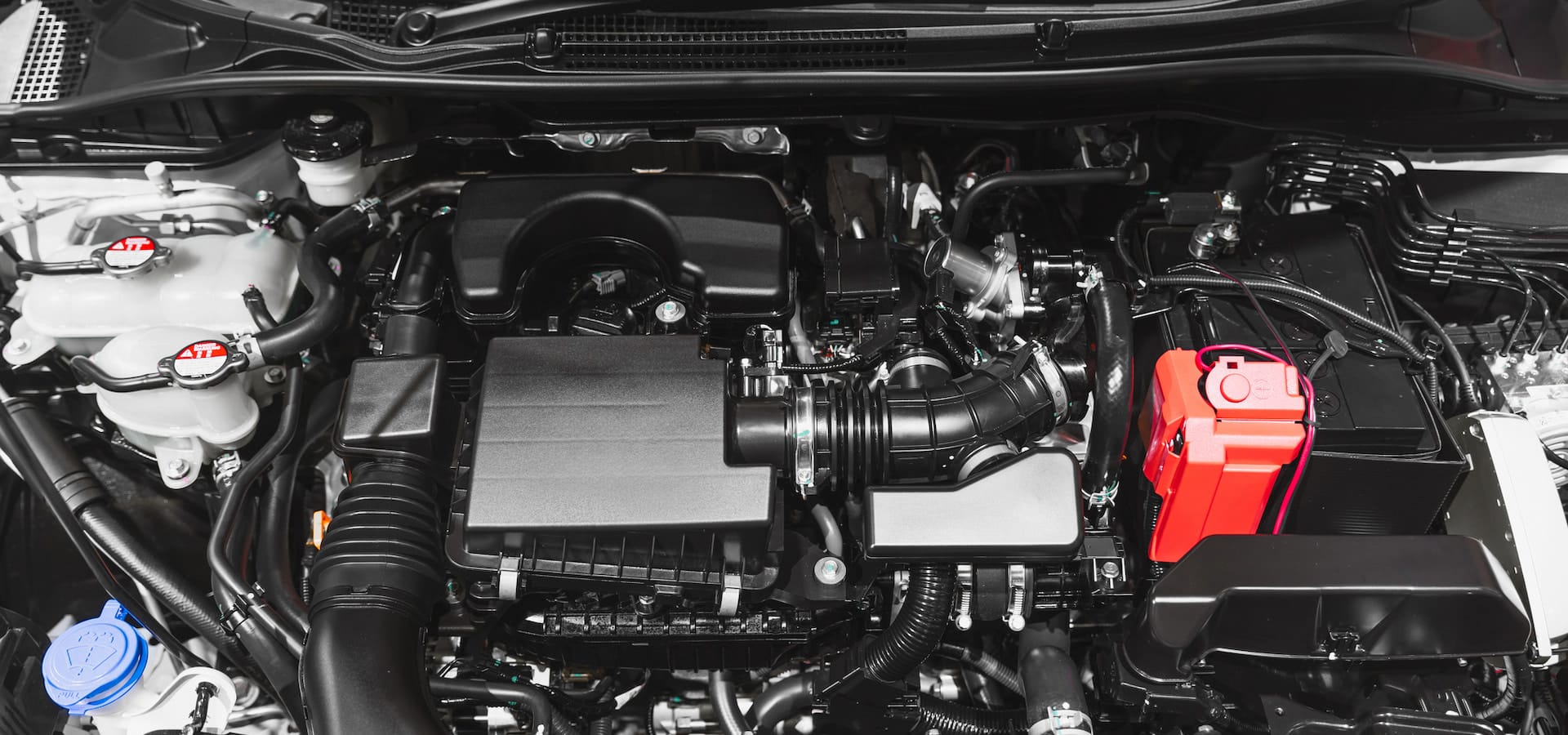
Acura Engine Repair at Elevation Auto Repair
An Acura engine rewards precision, and it punishes shortcuts. Whether you drive a naturally aspirated J-Series V6 or the turbocharged K20C engine in a Type S, the difference between a lasting repair and a repeat visit comes down to following Honda/Acura service procedures instead of guessing. That is where our team focuses.
Engine repair on these platforms means honoring the details generic shops skip. VTEC and VTC actuator timing, correct torque sequences on aluminum blocks, and the specific 0W-20 or 5W-30 fluid callouts all matter. On direct-injected engines like the K20C and J35Y, carbon buildup on intake valves and timing-related codes require real diagnosis rather than parts-swapping. We pull live data and freeze-frame information the way the factory intended, so we treat the cause, not the symptom.
Doing it right also protects what you have invested. Repairs performed to OEM spec help preserve any remaining powertrain warranty and keep resale value intact.
- Honest diagnosis with clear findings before any work begins
- OEM-grade parts and factory fluid and torque specifications
- Repairs documented to protect warranty and resale value
- Straight answers and no unnecessary repairs pushed on you
Symptoms – How to Know You Need This Service
Acura engines usually warn you before they fail outright. Pay attention to what changed, and when.
- Check engine light with misfire or VTC codes – rough idle or hesitation often points to timing actuator or ignition faults. Schedule soon.
- Ticking or rattling on cold start – common on high-mileage J-Series and early K-Series engines, sometimes VTC-related. Have it inspected before it worsens.
- Blue smoke or burning oil smell – possible valve seals, rings, or PCV issues. Watch oil level closely and schedule promptly.
- Coolant loss or sweet smell – could indicate a failing water pump, thermostat housing, or head gasket concern.
- Overheating or temperature spikes – stop driving immediately. Continued driving risks warping aluminum heads.
- Knocking or metallic noise under load – stop driving and have the vehicle towed. This may signal bearing or internal damage.
- Rough running after a fuel or ignition service – you may notice reduced power or surging that needs live-data diagnosis.
When in doubt, err toward caution. A quick inspection now is cheaper than an engine later.
Common Engine Repair Issues on Acura Vehicles
Acura builds durable engines, but each generation carries its own wear signatures. Bring us the symptom and we'll pinpoint the platform-specific cause instead of guessing.
- VTC actuator rattle on 2007-2012 K-series 2.4L (RDX, TSX): A cold-start "grinding" or rattle for a second or two points to a worn variable timing control actuator. Left alone, it stresses the timing chain guides.
- J-series V6 rear bank misfires and oil consumption (MDX, TL, RL): The 3.5L/3.7L with Variable Cylinder Management often develops fouled plugs and stuck rings on the hard-to-reach rear cylinders, showing up as P0300-series codes and blue smoke on startup.
- Timing belt intervals on J-series V6 engines: These are interference designs – a neglected belt or failing water pump can bend valves. The tensioner and pump should be replaced as a set.
- Excessive oil burn on 2010-2014 TSX/TL VCM engines: The cylinder deactivation cycling accelerates ring and PCV wear, leading to low oil warnings between changes.
- Front crank seal and VTEC solenoid leaks: Common across K24 and J-series platforms, these seep onto belts and accessory pulleys, contaminating tensioners.
- Motor mount failure on TL/TSX (hydraulic front mount): Collapsed mounts transmit vibration into the block and stress exhaust flex joints, often mistaken for internal engine trouble.
Which Acura Models We See for Engine Repair
We work on the Acura lineup across recent generations, and these are the platforms and engines that come through our bays most often.
- TLX (2015–2020, UB1/UB3) – J35Y V6 and K24W4 four-cylinder; timing, VTC, and oil-consumption concerns.
- TLX Type S (2021+) – turbocharged 3.0L V6; carbon buildup and boost-related diagnostics differ from NA engines.
- MDX (2014–2020, YD3, plus current 2022+) – J35 V6 with cylinder deactivation; VCM-related oil and misfire issues.
- RDX (2019+, TC1/TC2) – K20C1 turbo four; direct-injection carbon and timing chain service.
- TSX (2009–2014, CU2/CW2) – K24Z and J35 variants; timing and VTC actuator work.
- ILX (2013–2022) – K24 four-cylinder; common maintenance-driven repairs.
- TL and older Type S (2004–2014) – J-Series V6; timing belt and known transmission-adjacent engine work.
Turbocharged Type S and RDX models need different diagnostic approaches than the naturally aspirated V6 cars, and we treat them accordingly. For very early or heavily modified engines, we will tell you honestly if a repair is outside what we can stand behind before you spend a dollar.
Causes & Risks – What Happens if Ignored
Most Acura engine problems trace back to a mix of Colorado driving conditions and design-specific wear paths. High-altitude heat cycling, extended oil intervals, and VCM cylinder deactivation all speed up the process. Age and deferred maintenance do the rest.
The trouble with waiting is that small, affordable fixes turn into major teardowns. A VTC actuator rattle is a straightforward part early on, but ignoring it lets the chain skip time.
- Ignoring VCM oil consumption for several thousand miles often scores cylinder walls and requires ring or piston work.
- A worn timing belt or weak water pump on a J-series V6 can snap and bend valves – converting a scheduled service into a rebuild.
- Persistent rear-bank misfires overheat and clog the catalytic converters, adding expensive emissions parts.
- Oil leaks from the crank seal or VTEC solenoid contaminate the timing belt, causing slip and possible interference damage.
- Collapsed motor mounts crack exhaust flex pipes and loosen accessory brackets over time.
Driving becomes genuinely unsafe once misfires cause hesitation in traffic or when overheating threatens a sudden stall. Addressing these early protects both your safety and your factory warranty and resale value.
Safety Impact – Why Engine Repair Matters
Engine trouble on an Acura rarely stays isolated. The engine feeds vacuum and power to systems drivers depend on every mile.
- Braking: A rough-running or stalling engine loses vacuum assist, making the brake pedal hard and long.
- Power steering and stability: Sudden power loss or stalling disables assist and can drop VSA stability and traction control support.
- Warning-light cascade: Misfire and low-oil conditions can trigger the check engine light alongside VSA and ABS faults sharing the same data.
- Stall risk in traffic: A skipped timing chain or severe misfire can shut the engine down at speed.
Stop driving now if you notice:
- Loud metallic knocking or a sudden change in engine sound
- Overheating, steam, or a coolant/oil warning light
- Loss of power steering or a hard brake pedal
Schedule soon if you notice: a brief cold-start rattle, rising oil use, minor rough idle, or a steady check engine light. Documenting and addressing a known design issue before an incident also keeps you on solid ground with insurance and liability.
How Acura Engine Repair Actually Works
Modern Acura engines rely on tight coordination between variable valve timing, cylinder management, and the powertrain control module. That means a repair is rarely just bolting on a part – the module often needs to relearn or be reconfigured afterward.
For example, replacing a VTC actuator or timing components on a K24 requires exact cam-to-crank alignment and specified torque sequences, followed by an idle relearn so VTEC and fuel trims settle correctly. VCM-equipped V6s need the electronics verified so the deactivation cycling behaves as designed.
- OEM diagnostics: We pull live data and freeze-frame with factory-level tooling to confirm the true fault before opening anything.
- Torque and timing specs: Acura publishes specific sequences for cam gears, tensioners, and head bolts – we follow them, not generic values.
- Software relearns: Idle, throttle, and fuel-trim relearns restore smooth operation after major work.
- Correct fluids: Acura-spec oil viscosity matters for VCM and VTEC function.
Doing it the factory way protects your warranty, resale value, and long-term reliability. As your Denver dealership alternative, we handle everything from the diagnosis to the calibration under one roof, with cl
How We Diagnose Engine Repair Issues on Acura
A rough idle, oil consumption, or a stubborn check engine light on your Acura gets a structured workup here, not a guess. We pin down the root cause before we quote a single part.
- Full scan and code pull: We connect a scan tool capable of reading Acura live data and freeze-frame – misfire counts per cylinder, fuel trims, VTEC solenoid activity, and VTC (Variable Timing Control) actuator commands that generic readers skip.
- Symptom verification: We confirm the complaint on a road test, watching for the VTC rattle on cold start common to K-series engines, hesitation under load, or timing-related codes like P0341.
- Visual and physical inspection: We look for oil weeping at the valve cover and VTC gasket, check spark plugs and coils, and inspect the timing chain guides on J-series and R-series engines for wear.
- Measurement: Compression and leak-down testing tells us whether we're chasing rings, valves, or a head gasket – key on higher-mileage TL, TSX, and MDX models.
Each finding rolls into a written repair plan with a clear estimate, so you know exactly what needs attention now versus what can wait. No surprises, no padded line items.
Engine Repair on Acura: Repair vs. Replacement
Not every engine problem means a new engine. We sort your Acura into the right category and explain why.
- Genuine repair: A VTC actuator rattle, a leaking valve cover gasket, a failed VTEC solenoid, or carbon-fouled injectors – the block and heads are healthy, so we clean, adjust, or swap one part.
- Partial replacement: Timing chain, guides, and tensioner service on J-series V6s (TL, MDX, RL) where the chain has stretched but the bottom end is sound. We renew the wear items and keep the rest of the assembly.
- Full replacement: When compression is gone across multiple cylinders, a spun bearing has scored the crank, or a coolant leak has hydrolocked the engine, repair cost climbs toward the price of a quality remanufactured or low-mile used unit.
We lay out both paths with honest numbers and let you weigh reliability against budget. Keeping a serviceable Acura engine alive protects your resale value – and we'll never push the most expensive option to fill a bay.
How to Make Your Acura Engine Repair Last Longer
Good repair work lasts longer when the driving and upkeep support it. A few habits go a long way on any Acura.
- Warm up gently: Give the engine a minute before hard acceleration, especially in cold Denver winters, so oil reaches the VTC actuator and chain tensioner before load.
- Ease the load: Avoid lugging the engine at low RPM in high gear and skip the extended idling – both accelerate carbon buildup and timing component wear.
- Listen and look: Pop the hood monthly for oil seepage at the valve cover, check coolant level, and note any new cold-start rattle or ticking early.
Brand-specific care matters here:
- Use Acura-spec oil (many models call for 0W-20) and change it on the maintenance-minder schedule – clean oil is what keeps VTC and VTEC systems responding correctly.
- Fit OEM or OE-equivalent filters, chains, and gaskets rather than bargain parts that fail early.
- Keep ECU software current, since Acura releases updates that refine timing and fuel strategy.
Checking fluids and listening for changes are safe to do yourself. Leave timing service, internal engine work, and anything involving the fuel or cooling system under pressure to us – we'll handle it right and keep your warranty intact.
What to Expect When You Bring Your Acura In
Whether your check engine light just came on or you're hearing VTC actuator rattle at cold start on a K-series engine, we start by listening to the symptom and pulling the codes before anyone talks repairs. Here's how a visit moves along:
- Drop-off or appointment – Tell us what you're noticing, when it happens, and any history you have. Loaner and shuttle options are available so you're not stranded, and we can arrange after-hours pickup when your schedule runs late.
- Initial inspection – We scan with equipment that reads Acura-specific data (not just generic OBD-II), then verify the concern with a visual and mechanical check.
- Written estimate – You get a clear breakdown of parts, labor, and what's genuinely needed versus what can wait. Nothing gets approved without your sign-off.
- Repair with updates – We text or call as the work progresses, especially if we find something under the surface, like an oil consumption issue on a J-series V6.
- Pickup walkthrough – We show you the old parts, explain what was done, and answer questions.
Grab your garage remote and personal items before drop-off. Every engine job ends with a road test and a scan-tool re-check to confirm no codes return. If anything feels off after you leave, bring it back and we'll re-verify.
Why Choose Elevation Auto Repair for Acura Engine Repair
We work on Acura engines the way the platform demands – with attention to the quirks that trip up general shops. That means knowing which TL and MDX V6s are prone to VTEC solenoid and rocker oil pressure switch leaks, recognizing timing belt intervals on the J-series before the water pump takes the belt with it, and staying current on Acura TSBs and software updates that resolve driveability faults without throwing parts at the problem.
- Diagnosis, repair, and post-repair verification handled under one roof – no handing your car off to a third party
- Familiarity with common Acura failure modes: VTC actuator rattle, oil consumption on high-mileage J-series, and PCM reflash needs
- OEM torque and fluid specs followed, not ballpark values
- Honest diagnostics that protect your warranty and resale value
You get a Denver dealership alternative that owns the whole job from the first scan to the final road test. We fix what's actually wrong, document it clearly, and stand behind the work so your Acura stays reliable for the long haul.
Our Acura Services
- Air Conditioning AC Repair
- Battery Repair Replacement
- Brake Repair & Brake Fluid Change
- Check Engine Light Diagnostics
- Clutch Repair & Replacement
- Coolant Leak Repair
- Cooling System Repair
- Drive Shaft Repair
- Exhaust & Catalytic Converter Repair
- Head Gasket Repair & Replacement
- Oil Change
- Oil Leak Repair
- Scheduled Service Maintenance
- Steering Repair
- Suspension Repair
- Cambelt Timing Belt Replacement
- Transmission Repair
- Tune Up
- Wheel Alignment