
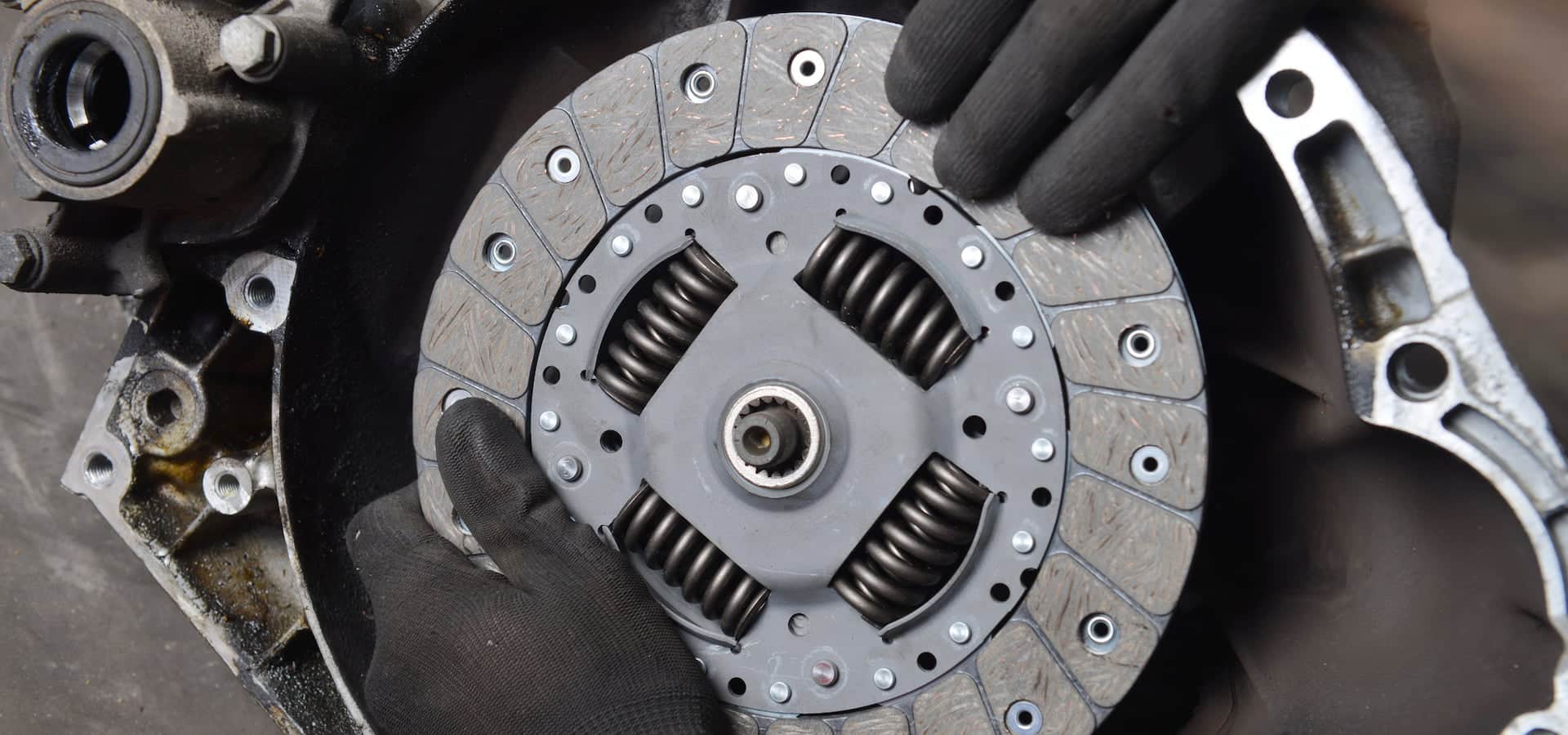
Acura Clutch Repair & Replacement at Elevation Auto Repair
Acura clutches carry personality most generic shops overlook. The dual-mass flywheel on many six-speed Acuras masks its own wear as clutch symptoms, and swapping the disc alone on a car that really needs a flywheel means you're back with a shudder in a few months. That's the kind of detail we catch before we quote you.
Clutch service means replacing the friction disc, pressure plate, throwout/release bearing, and often the flywheel, then resetting the hydraulic system that operates it. On Acura, the difference lives in the details – concentric slave cylinders on some manual transaxles fail internally and require transmission removal, and the K-series and J-series drivetrains demand correct flywheel bolt torque and clean mating surfaces to avoid chatter. Rushing those specs is how a "new clutch" starts slipping early.
We measure flywheel runout and inspect the pilot/release bearing rather than guessing, and we bleed the hydraulic circuit properly so pedal feel comes back sharp. Here's what you can expect:
- Straight diagnosis – we confirm it's the clutch, not a hydraulic or flywheel issue, before any parts go on the invoice.
- OEM-grade parts matched to your Acura's engine and transaxle.
- Correct torque and fluid specs for flywheel bolts and the hydraulic system.
- Transparent pricing with clear communication at every step.
Symptoms – How to Know You Need This Service
Clutch trouble builds gradually, then fails fast. Watch for these driver-side warning signs:
- Slipping under load – RPMs climb but speed lags when accelerating uphill or in higher gears.
- High or soft pedal engagement – the clutch bites near the top of pedal travel, or the pedal feels spongy from a failing master or slave cylinder.
- Burning smell – a hot, acrid odor after stop-and-go driving points to a glazing, worn disc.
- Shudder or chatter when releasing the pedal, often a warped or worn dual-mass flywheel.
- Grinding into gear – difficulty getting into first or reverse suggests the clutch isn't fully disengaging.
- Rattle at idle that quiets when you press the pedal – a worn release bearing.
- Fluid loss at the clutch master cylinder or a sinking pedal.
If the pedal drops to the floor and stays there, or you can't get into gear at all, stop driving and have the car towed – you may have a hydraulic failure. Slipping, shudder, or a mild burning smell means schedule soon before you're stranded.
Common Clutch Repair & Replacement Issues on Acura Vehicles
Acura's manual-transmission cars share Honda DNA but carry their own wear signatures, and the biggest one generic shops miss is the concentric slave cylinder buried inside the bellhousing on later platforms. Here's what we see roll through the shop most often.
- K-series clutch judder (RSX, TSX, older TL 6MT): The 2002-2006 RSX and 2004-2008 TSX with the K20/K24 develop a shuddering release when the pressure plate diaphragm fingers wear unevenly, often accelerated by aftermarket clutches installed with a mismatched flywheel.
- Concentric slave cylinder failure: Many later Acura manuals use an internal hydraulic slave that fails silently – you lose pedal, and it means dropping the transmission just to replace a part that lives inside the bellhousing.
- Dual-mass flywheel wear on the TL Type-S 6MT (2007-2008): The J-series six-speed cars can rattle at idle as the flywheel springs fatigue, and skipping resurfacing during a clutch job brings that noise right back.
- Master cylinder and hydraulic line seepage: Age-related seal failure in the clutch master gives a soft or sinking pedal, common on higher-mileage Integra and TL manuals.
- Throwout bearing whine: A bearing that groans with the pedal down is a classic early warning on the RSX Type-S.
- Pilot bearing seizure: Neglected pilot bearings cause hard shifting into first and reverse across the manual lineup.
Which Acura Models We See for Clutch Repair & Replacement
We service manual-transmission Acuras across most generations. Find your car below:
- Acura Integra (DC2 GS-R & Type R, 1994-2001) – B18C-powered manuals; the Type R often sees performance clutches and needs careful flywheel work.
- Acura RSX / RSX Type-S (DC5, 2002-2006) – K20 six-speed; concentric slave cylinder wear and disc slip are common.
- Acura Integra (DE4, 2023+) – the returning six-speed manual and Type S; we handle the newer hydraulic setups.
- Acura TSX (CL9 / CU2, 2004-2014) – K24 manuals; watch for release bearing noise and clutch fade.
- Acura TL / TL Type-S (UA6/UA7, 2007-2008) – the rare six-speed J-series manual with high torque that's hard on discs.
- Acura CL Type-S (2003, 6MT) – limited-production manuals we service by inspection.
- Acura NSX (NA1/NA2, 1991-2005) – handled case by case given its transverse V6 layout and specialty parts.
Automatic and dual-clutch-only models don't use a conventional clutch, so those aren't clutch-replacement candidates. If you're unsure whether your Acura is a manual or which transaxle it carries, tell us the year and VIN and we'll confirm before you book.
Causes & Risks – What Happens if Ignored
Most Acura clutch wear traces back to stop-and-go Denver traffic, mountain grades that load the disc on long climbs, and the simple mileage that comes with a car people keep for a decade. Aggressive launches and riding the pedal speed things up considerably.
A slipping clutch rarely fixes itself. Left alone, a $0-symptom becomes a chain reaction of pricier failures.
- Ignoring slip for a few thousand miles overheats the disc and scorches the flywheel, turning a disc-and-pressure-plate job into a flywheel replacement.
- Delaying a failing concentric slave cylinder can leave you stranded with no clutch engagement, since the part is only accessible with the transmission out.
- Running a chattering dual-mass flywheel on the TL Type-S transfers shock into the input shaft and synchros, risking transmission internals.
- Putting off a worn throwout bearing lets metal debris contaminate the bellhousing and score the input shaft.
- A sinking master cylinder pedal eventually leaves you unable to shift in traffic – a safety problem, not just an inconvenience.
The pattern is consistent: a straightforward clutch replacement handled early costs far less than the multi-part repair that follows months of neglect. We'll show you exactly where your clutch stands so you can decide with real information.
Safety Impact – Why Clutch Repair & Replacement Matters
A clutch problem on a manual Acura is a control problem. When engagement gets unpredictable, so does your ability to launch across an intersection, hold on a hill, or downshift for engine braking on a mountain descent.
On modern Acura manuals, hill-start assist and stability control lean on clean clutch and speed-sensor input – erratic engagement can confuse how these systems behave during a launch. A clutch that won't disengage also strands the car in gear, forcing risky maneuvers in traffic.
- Stop driving now: pedal goes to the floor and stays, clutch won't disengage, grinding into every gear, or burning smell with sudden RPM flare on acceleration.
- Schedule soon: mild slip under load, faint shudder on takeoff, throwout bearing whine, or a pedal that feels slightly higher or softer than usual.
There's a liability angle too – if a known clutch or hydraulic failure leaves you unable to control the vehicle before a collision, that neglected repair becomes part of the story. Addressing it early keeps you in control and keeps the paperwork simple.
How Acura Clutch Repair & Replacement Actually Works
The clutch is the friction link between your engine and transmission – press the pedal and hydraulic pressure moves a fork or slave cylinder that separates the disc from the spinning flywheel, letting you shift. Acura's execution has a few details that change how the job is done versus a generic import.
- Hydraulic actuation: Acura manuals use a master and slave cylinder rather than a cable, so the hydraulic circuit gets bled and checked as part of every clutch job.
- Concentric internal slaves on later platforms require full transmission removal, which is why we replace the slave preemptively whenever the box is out.
- Dual-mass flywheels on certain Type-S cars need inspection for spring play and must be matched to the correct clutch kit, not resurfaced like a solid flywheel.
- Torque and sequence specs matter: Acura pressure-plate bolts follow a staged cross-pattern torque, and input-shaft splines get the correct high-temp lubricant to prevent shudder.
We use OEM-grade clutch components and follow factory torque and bleed procedures so engagement feels like it did new. Straight talk on what your car needs, clear pricing before we start, and one shop that handles the whole drivetrain – that's how we keep your Acura on the road.
How We Diagnose Clutch Repair & Replacement Issues on Acura
Acura clutches hide their problems well – a high-mileage TSX or TL 6-speed can feel fine right up until the disc glazes or the hydraulic system loses pressure. The trick with these cars is separating clutch wear from a failing concentric slave cylinder or a leaking master, which many shops overlook.
- We pull codes with a factory-capable scan tool that reads Acura-specific data, checking for clutch switch faults and gear position signals on models like the RSX Type-S, TSX, and TL 6-speed.
- We road test to feel for slip under load, chatter on takeoff, and a high or vague engagement point that points to hydraulic air or a worn disc.
- We measure pedal free play and check clutch pedal position sensor behavior, which affects starter interlock on later Acura manuals.
- We inspect the hydraulic circuit – master cylinder, line, and the internal concentric slave cylinder that's a known weak point on K-series equipped Acuras.
- We check for leaking rear main seal or input shaft seal contamination that shortens disc life.
Once we know whether you're dealing with worn friction material, a hydraulic failure, or a flywheel issue, we build a clear repair plan and give you a transparent quote before any work starts.
Clutch Repair & Replacement on Acura: Repair vs. Replacement
Not every Acura clutch complaint means dropping the transmission. The right call depends on what's actually worn.
- Genuine repair: A soft or sinking pedal from a failed master or concentric slave cylinder often just needs the hydraulic component replaced and the system bled – the disc and pressure plate stay in service if they still have material.
- Partial replacement: On a K20/K24 Acura where the disc is worn but the flywheel measures within spec and the pressure plate is sound, we can replace the friction disc, throwout bearing, and pilot bearing while keeping serviceable parts.
- Full replacement: When there's cascading wear – glazed disc, hot-spotted or warped flywheel, weak pressure plate fingers – a complete clutch kit with flywheel resurfacing or replacement is the honest fix. Because labor already involves pulling the transaxle, replacing everything at once on a high-mileage TL or TSX usually saves you a second teardown.
We lay out each option with real tradeoffs so you decide what fits your Acura and your budget – we never default to the most expensive path.
How to Make Your Acura Clutch Repair & Replacement Last Longer
A fresh clutch on your Acura can last well past 100,000 miles with a few habits that protect the friction surface and hydraulics.
- Keep your foot off the pedal at stoplights – riding the clutch adds heat and wears the throwout bearing.
- Avoid slipping the clutch to hold on Denver's hills; use the brake instead.
- Downshift smoothly and rev-match to reduce shock on the disc and driveline.
- Don't launch hard on cold fluid – let the car warm briefly before aggressive driving.
Owner-friendly checks that catch trouble early:
- Watch for a rising engagement point or a spongy pedal, both early signs of hydraulic wear.
- Listen for chatter or a growl that changes when you press the pedal.
- Have the clutch hydraulic fluid inspected – many Acuras share the brake reservoir, so keep it clean and topped with the correct DOT spec.
Use OEM or OEM-equivalent clutch components and factory-spec fluid – aftermarket discs with wrong friction material chatter on Acura flywheels. Keep up with Acura's service intervals and any software updates for clutch-related sensors. Checking fluid and listening for changes is safe to do yourself, but hydraulic bleeding and any transaxle work should be left to the shop. Bring it to us early and we'll keep you safely on the road.
What to Expect When You Bring Your Acura In
Acura clutch work rewards attention to detail – the dual-mass flywheels on 6-speed TL and TSX models, the hydraulic slave cylinder quirks on the RSX and Integra, and the concentric slave setup on newer transverse gearboxes all demand different handling. Here's how a visit moves along:
- Drop-off or appointment – Schedule ahead or use after-hours key drop. Tell us how the clutch behaves: high engagement point, slipping under load, chatter on takeoff, or a soft pedal that hints at a failing master or slave cylinder.
- Initial inspection – We check clutch engagement, pedal travel, hydraulic fluid condition, and flywheel signs. On the K-series and J-series cars we look for the telltale shudder that points to a worn dual-mass unit rather than just the disc.
- Written estimate – You get an itemized breakdown before any wrench turns, covering disc, pressure plate, throwout/release bearing, pilot bearing, and whether the flywheel needs machining or replacement.
- During the work – We reach out with clear updates if we find related wear, like a leaking rear main seal or a slave cylinder that should be replaced while the transmission is out.
- Pickup walkthrough – We show you the old parts and explain what we found.
Shuttle and loaner options help you stay mobile, and you can leave personal items in the cabin. Before your Acura goes home, we run a road test to confirm smooth engagement and re-scan for stored codes. If anything feels off afterward, bring it back and we'll re-check it.
Why Choose Elevation Auto Repair for Acura Clutch Repair & Replacement
Clutch replacement on an Acura is as much about the details around the disc as the disc itself. We treat the whole job as one process – diagnosis, teardown, replacement, and verification all handled under our roof.
- Platform-specific know-how – Familiarity with dual-mass flywheel shudder on 6-speed TL/TSX cars, hydraulic release-bearing behavior on transverse gearboxes, and the pilot bearing quirks on RSX Type-S and Integra applications.
- TSB and software awareness – We check for relevant Acura service bulletins and any driveline software updates that affect shift feel before assuming the clutch is the whole story.
- Correct specs – Proper flywheel resurfacing, pressure plate bolt torque, and hydraulic bleed procedures so the pedal feels right the first time.
- Honest scope – If your slipping clutch turns out to be a hydraulic issue instead, we tell you rather than selling a full replacement you don't need.
You get clear pricing, straight answers, and a road-tested result – the kind of dealership-level Acura work with the personal communication a big service department rarely offers.
Our Acura Services
- Air Conditioning AC Repair
- Battery Repair Replacement
- Brake Repair & Brake Fluid Change
- Check Engine Light Diagnostics
- Coolant Leak Repair
- Cooling System Repair
- Drive Shaft Repair
- Engine Repair
- Exhaust & Catalytic Converter Repair
- Head Gasket Repair & Replacement
- Oil Change
- Oil Leak Repair
- Scheduled Service Maintenance
- Steering Repair
- Suspension Repair
- Cambelt Timing Belt Replacement
- Transmission Repair
- Tune Up
- Wheel Alignment