
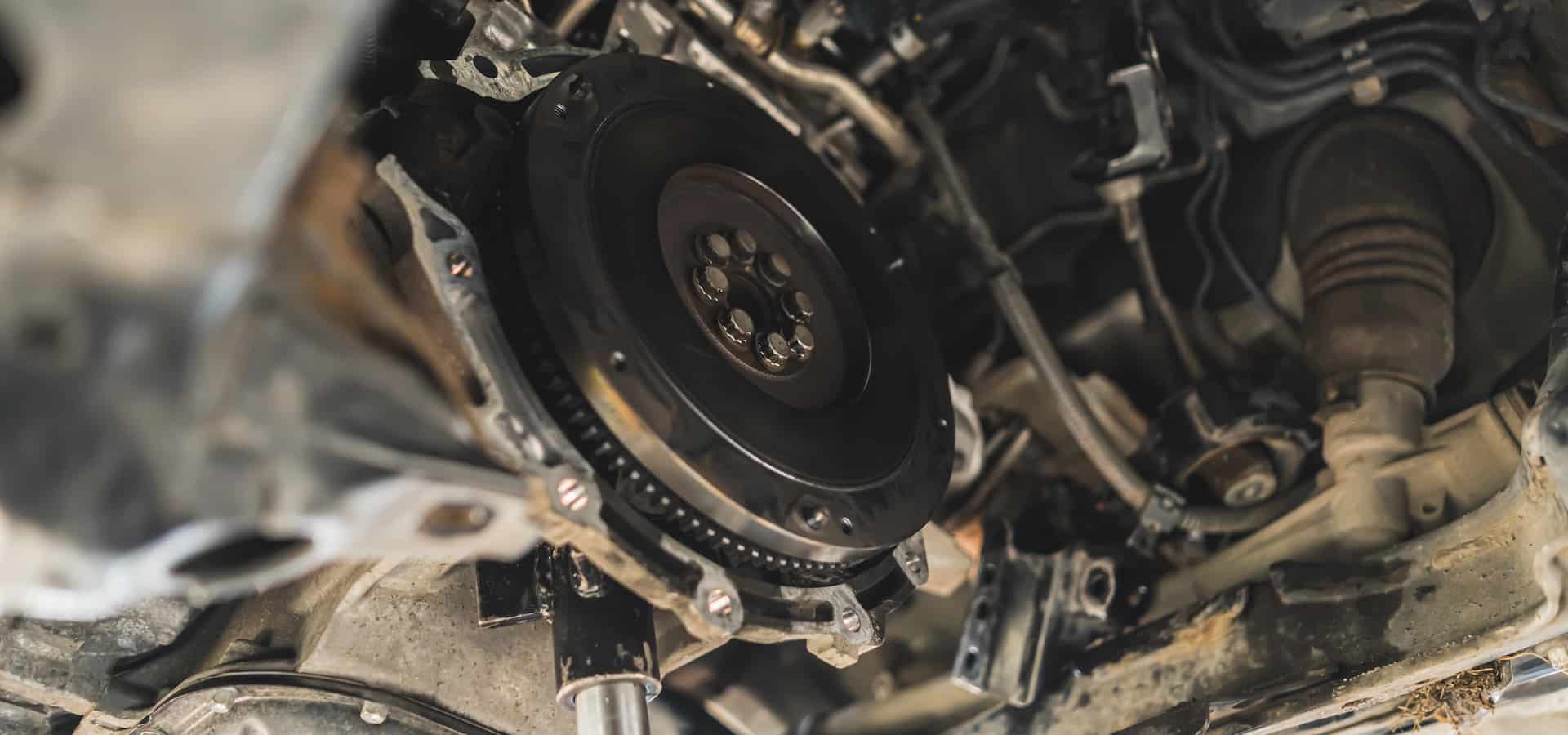
Toyota Transmission Repair at Elevation Auto Repair
Get a Toyota transmission wrong and the mistake follows you for years – a botched fluid service or a shortcut rebuild can turn a reliable Camry or Tacoma into a recurring headache. Toyota transmissions reward patience and correct procedure, which is exactly where a specialist beats a rushed general shop.
Toyota's automatics and CVTs have their own personalities. The Aisin U660E and UA80 6- and 8-speed units used across Camry, Highlander, and Sienna are sensitive to fluid level and temperature, and Toyota specifies a check procedure with the pan at a set temperature range rather than a simple dipstick reading. The K-series CVTs found in newer Corolla and RAV4 models need Toyota CVT fluid (Toyota Genuine FE) – substituting a generic fluid causes shudder and premature belt wear. We use Techstream to read live data, relearn shift adaptations, and verify solenoid function instead of guessing.
- Accurate diagnosis using Techstream and live transmission data before any parts are quoted
- Correct Toyota-specific fluid, fill procedure, and adaptation relearn every time
- Repairs matched to your actual fault – valve body, solenoid, or full rebuild – with no unnecessary work
- Clear explanation of what we found and what it means for your Toyota's long-term reliability
Symptoms – How to Know You Need This Service
Toyota transmissions usually warn you before they quit. From the driver's seat, you may notice:
- Shudder or vibration on light throttle – classic torque converter or CVT judder, common as fluid degrades
- Delayed or harsh engagement when shifting into Drive or Reverse, especially cold
- Slipping – engine revs climb but the vehicle doesn't accelerate to match
- Flashing gear indicator or "AT" warning light and a possible stored code like P0700 or a solenoid fault
- Whining or humming that rises with speed, pointing to bearing or pump wear
- Burnt smell from overheated, oxidized fluid
- Erratic or "hunting" shifts that hunt between gears on the highway
- Red or brown fluid spots under the car
A burnt smell, hard slipping, or a flashing warning light means stop driving and have it towed – running a starved or overheating transmission causes fast, expensive internal damage. A faint shudder or slightly delayed engagement is safe to drive briefly, but schedule an inspection soon before minor wear becomes a rebuild.
Common Transmission Repair Issues on Toyota Vehicles
Toyota transmissions are durable, but each platform has patterns worth naming. Here is what we see roll through the shop most often.
- U660E/U760E 6-speed harsh shifts (2007-2017 Camry, Avalon, RAV4) – valve body solenoid wear and degraded WS fluid cause delayed 2-3 upshifts and clunky downshifts.
- K120/K111 CVT judder and belt slip (2019+ Corolla, RAV4, Camry) – shudder under light throttle from fluid breakdown or pulley-face wear, sometimes mistaken for engine misfire.
- Tundra/Sequoia A760/AB60 torque converter shudder (2007-2019 5.7L) – lockup clutch shudder at cruising speed, common as CVT-style fluid ages under towing loads.
- Highlander Hybrid / Prius eCVT transaxle faults (2010+) – motor-generator and reduction gear issues that throw hybrid system warnings rather than classic slip symptoms.
- Tacoma manual transmission grinding (2005-2015 R151/RA60) – worn synchros on 2nd and 3rd gear, plus notchy clutch engagement from hydraulic wear.
- 4Runner/Tacoma A340/A750 automatic overheating – off-road and high-altitude towing cook the fluid, leading to slipping bands and delayed engagement.
Elevation Auto Repair diagnoses each of these with Techstream-level scanning before recommending any work – no guessing, no replacing parts that test fine.
Which Toyota Models We See for Transmission Repair
We service the full range of modern Toyota drivetrains, from traditional Aisin automatics to the CVTs in newer models. Find your vehicle below:
- Camry / Avalon (XV50, XV70) – U660E 6-speed and UA80 8-speed automatics; shudder and shift complaints are common
- Corolla / RAV4 (2019+) – K-series Direct Shift CVT requiring Toyota Genuine FE fluid; shudder and belt wear repairs
- Tacoma / 4Runner (2016+, N300/N280) – AC60/AC60F 6-speed automatics; harsh downshift and torque converter issues
- Tundra (2007–2021) – AB60E and A760 6-speed units in the 5.7L, plus the newer 10-speed in 2022+
- Highlander / Sienna – U660E/U760E and UA80 automatics; heavy loads accelerate fluid breakdown
- Prius / hybrid models – eCVT transaxles; we diagnose and service the transmission side, coolant, and fluid
4WD Tacoma and 4Runner setups add transfer case work we handle in-house, and hybrid eCVT units need their own inspection routine. If your Toyota is a very early or heavily modified performance build outside our tooling range, we'll tell you honestly rather than guess. When in doubt, bring us your VIN and we'll confirm the exact unit before quoting anything.
Getting a Toyota transmission repair wrong tends to cost far more than the original problem. These are precision-built units – Aisin-sourced automatics, CVTs with intricate belt-and-pulley geometry, and hybrid transaxles that share duty with electric motors. A missed calibration or the wrong fluid can turn a routine service into a rebuild. Our approach at Elevation Auto Repair leans on thorough diagnostics and Toyota-correct procedures so the fix holds up on Denver roads and mountain grades.
Causes & Risks – What Happens if Ignored
Most Toyota transmission trouble traces back to heat, fluid degradation, and Colorado driving. Steep grades, altitude, towing, and stop-and-go traffic all push transmission fluid past its service life faster than the highway-only assumptions behind factory intervals.
Toyota's "lifetime" WS and CVT fluid claims work in mild climates – but under mountain load, that fluid oxidizes and loses friction properties early. Waiting compounds the damage.
- Ignoring early CVT shudder for months typically wears the pulley faces to the point a fluid service no longer helps – now you are looking at a transaxle replacement.
- Delaying repair on a shuddering torque converter lets metal debris circulate, contaminating the valve body and cooler lines.
- Driving a slipping U660E generates excess heat that bakes clutch packs and warps the separator plate.
- Leaking axle seals or pan gaskets run the unit low on fluid, which starves the pump and destroys internal bearings.
- Grinding manual synchros left unaddressed chew into gear teeth, converting a synchro job into a full teardown.
The pattern is consistent – a $250 fluid-and-solenoid situation becomes a multi-thousand-dollar rebuild when the warning signs get postponed. Catching it early keeps you on the road and keeps the bill reasonable.
Safety Impact – Why Transmission Repair Matters
A failing transmission is a safety issue, not just a comfort one. On modern Toyotas the transmission control module talks to stability control, traction control, and the powertrain network, so failures ripple outward.
- Unexpected slipping or neutral drop-out can leave you without power in an intersection or while merging – stop driving now.
- Delayed engagement into Drive or Reverse risks rollaway on Denver's inclines, especially with a worn parking pawl – schedule immediately.
- Limp mode / flashing warning lights may disable normal throttle response and can affect traction control coordination – stop driving now.
- Hybrid transaxle faults that light the master warning often force reduced power – schedule soon and avoid highway speeds.
- Mild shudder or slightly delayed shifts with no warning light – schedule soon before it escalates.
There is a liability angle too. If a known transmission defect goes unaddressed and contributes to a collision, that can complicate an insurance claim. Documenting honest diagnostics and completed repairs protects you on both the safety and paperwork fronts.
How Toyota Transmission Repair Actually Works
Toyota runs several distinct transmission architectures – traditional Aisin torque-converter automatics, K-series CVTs, eCVT hybrid transaxles, and manuals – and each demands its own procedure. The control software is the piece that separates dealer-grade work from a generic swap.
After a repair or fluid service, the transmission control module often needs a relearn so shift adaptation values match the new hardware. On CVTs, the belt-clamping pressure and pulley position must be recalibrated. Skipping these steps is what causes a "repaired" transmission to still shift poorly.
- Toyota-specific fluids – WS for automatics, CVT Fluid TC/FE for CVTs; using a generic substitute changes friction behavior and causes shudder.
- Techstream software for reading TCM data,
A misdiagnosed Toyota transmission is an expensive mistake – swapping a full unit when a solenoid or fluid service would have solved it drains your wallet, while ignoring early clutch pack wear turns a manageable repair into a total rebuild. Toyota's transmissions are durable, but they punish neglect and guesswork. We put in the diagnostic detail up front so the fix matches the actual problem.
How We Diagnose Transmission Repair Issues on Toyota
We start with data, not assumptions. Toyota transmissions – from the U760E in Camry and Highlander to the Aisin units in Tacoma and Tundra, plus the eCVT in Prius hybrids – each throw distinct symptoms that only careful testing separates.
- Pull codes with Techstream, Toyota's factory scan software, reading live data for line pressure, solenoid duty cycles, and transmission fluid temperature sensors.
- Review shift adaptation values and clutch apply patterns to spot slipping or delayed engagement before parts are ever removed.
- Perform a visual inspection for leaks at the pan gasket, axle seals, and cooler lines, plus checking fluid color and smell for burnt friction material.
- Road test under real load – light throttle, wide-open shifts, and torque converter lockup on the highway – to confirm what the codes suggest.
- Measure fluid level at the correct temperature using Toyota's overflow-plug procedure, since many sealed units have no dipstick and are easy to overfill.
Common findings include shift solenoid faults on the U760E, torque converter shudder from stale fluid, and valve body wear that shows up as harsh 2-3 shifts. Once we confirm the root cause, you get a plain-language repair plan and a written quote – no surprises, no padded line items.
Transmission Repair on Toyota: Repair vs. Replacement
The right answer depends on what the diagnosis shows, and we lay out the options honestly.
- Genuine repair – A fluid and filter service to cure torque converter shudder, a single shift solenoid, or a valve body reseal often restores normal operation on U-series automatics without opening the case.
- Partial replacement – Replacing a worn solenoid pack, a leaking pump seal, or a failed torque converter while keeping the sound core makes sense when the rest of the unit measures within spec.
- Full replacement or rebuild – Cascading damage – burnt clutch packs contaminating the fluid, a scored pump, or metal debris throughout – calls for a rebuild or reman unit. eCVT hybrid transaxle failures usually point to full unit replacement given their design.
When repair cost climbs toward the price of a remanufactured unit, we tell you plainly so you can weigh long-term reliability. We walk you through each path and its trade-offs rather than pushing the most expensive option – the goal is keeping your Toyota on the road, not upselling you.
How to Make Your Toyota Transmission Repair Last Longer
Good habits protect the work we do and the components we leave in place.
- Let the drivetrain warm up briefly in cold Denver mornings before hard acceleration, and avoid towing at max capacity up grades with a hot transmission.
- Come to a full stop before shifting between drive and reverse to spare the clutch packs and planetary gears.
- Watch for early warning signs – delayed engagement, flaring shifts, or a shudder at highway speed – and bring it in before minor wear spreads.
Simple owner maintenance goes a long way:
- Check under the vehicle for red or brown fluid spots that signal a developing leak.
- Note any new whine, clunk, or dashboard warning light and mention it at your next visit.
- Follow Toyota's service intervals for fluid changes – "lifetime fluid" claims rarely hold up in mountain climates and stop-and-go traffic.
Use Toyota WS (World Standard) fluid where the unit calls for it – substituting the wrong ATF causes shudder and inconsistent shifts. Keeping transmission control software current also matters, since updates refine shift logic. Fluid level checks and software updates are best left to the shop given the temperature-dependent fill procedure and factory tooling required. Stick to visual checks and attentive listening yourself, and let us handle anything inside the case.
A botched Toyota transmission job costs more than the repair itself – it can strand a vehicle known for going 200,000-plus miles. Whether you're driving an Aisin-built automatic in a Camry, a U660E in an early-2010s model, or the CVT (K120/K114) found in newer Corolla and RAV4 platforms, the tolerances and fluid specs are unforgiving. Get the fluid type wrong or skip a valve body update, and a reliable Toyota starts hunting for gears.
What to Expect When You Bring Your Toyota In
We keep the process straightforward so you always know where your Toyota stands.
- Drop-off or appointment – Schedule ahead or bring it by. Tell us the symptoms: harsh 1-2 shifts, CVT judder, delayed engagement, or a P0700/P0AXX code.
- Initial inspection – We pull codes with Toyota-capable scan tools, check fluid condition and level using the correct WS or CVT-specific spec, and inspect for external leaks at the pan, cooler lines, and axle seals.
- Written estimate – You get a clear, itemized breakdown before any work begins. No surprise add-ons.
- Updates during the work – We call or text as we confirm the diagnosis and if anything changes, you approve it first.
- Pickup walkthrough – We show you what we found and what we did, including any solenoid, valve body, or fluid service performed.
Grab your personal items at drop-off, or leave them – we treat your vehicle with care either way. Ask about shuttle and loaner options, plus after-hours pickup if your schedule is tight. Before you leave, every Toyota gets a road test and a scan-tool re-check to confirm clean shift patterns and no returning codes. If anything feels off afterward, bring it back and we'll re-verify our work.
Why Choose Elevation Auto Repair for Toyota Transmission Repair
Transmission work on Toyota rewards attention to detail, and that's where we focus. We track Toyota TSBs and software updates – like valve body recalibrations and shift-logic reflashes that resolve flare or shudder complaints without a full teardown on many U660E and CVT-equipped models.
We own the job start to finish:
- Platform-specific diagnosis – We know the difference between a failing CVT step-motor, a worn torque converter lock-up clutch, and a solenoid pack fault instead of throwing parts at the code.
- Correct fluid and fill procedure – Toyota WS and CVT fluids aren't interchangeable, and level-set requires the right temperature window. We follow the OEM method every time.
- End-to-end accountability – Diagnosis, repair, and post-repair verification happen under one roof with no hand-offs.
As your Denver dealership alternative, we give you honest diagnostics and skip repairs your Toyota doesn't need – just precise work built to keep it running well past the odometer numbers Toyotas are famous for.
Our Toyota Services
- Air Conditioning AC Repair
- Battery Repair Replacement
- Brake Repair & Brake Fluid Change
- Check Engine Light Diagnostics
- Clutch Repair & Replacement
- Coolant Leak Repair
- Cooling System Repair
- Drive Shaft Repair
- Engine Repair
- Exhaust & Catalytic Converter Repair
- Head Gasket Repair & Replacement
- Oil Change
- Oil Leak Repair
- Scheduled Service Maintenance
- Steering Repair
- Suspension Repair
- Cambelt Timing Belt Replacement
- Tune Up
- Wheel Alignment