
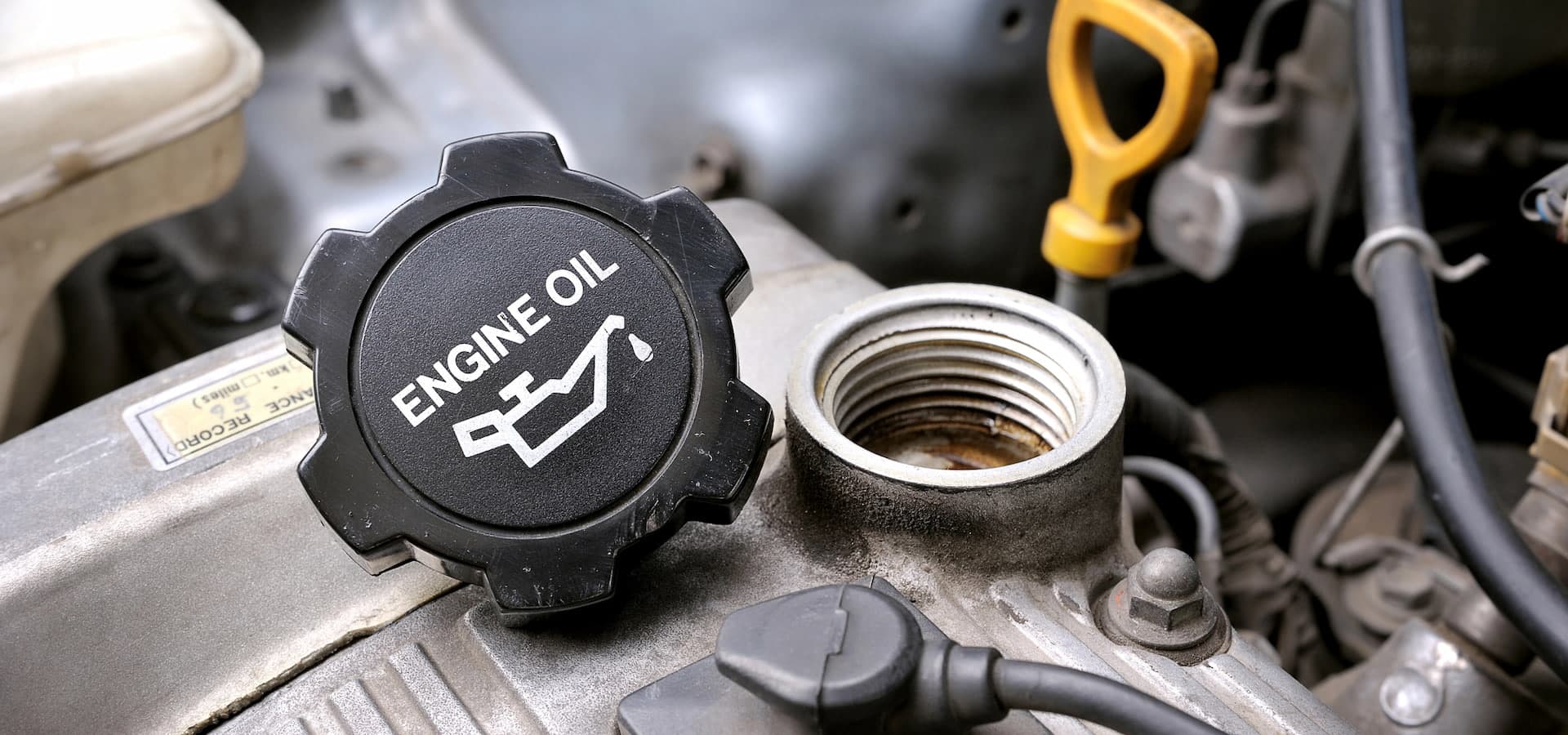
Toyota Oil Change at Elevation Auto Repair
You bought a Toyota because it should just keep running. The fastest way to protect that reputation is an oil change done to spec – not a rushed drain-and-fill that ignores what your specific engine actually needs.
Toyota engines are picky in ways generic quick-lube shops overlook. Many 2AR-FE and 2GR-FE engines call for specific full-synthetic viscosities like 0W-20, and the newer Dynamic Force engines (M20A/A25A in RAV4, Camry, Corolla) tolerate almost no shortcuts on oil quality or fill level. The 8AR-FTS turbo four in some Highlanders and Lexus platforms is especially sensitive to clean oil because of turbo bearing wear.
We also reset the maintenance reminder correctly, torque the drain plug and cartridge housing to Toyota values, and use the right filter type – cartridge on many four-cylinders, spin-on on others. Small details, but they prevent leaks and stripped pans.
Here's what you can expect when you bring your Toyota to us:
- OEM-grade or better full-synthetic oil matched to your exact engine spec
- Correct filter type installed and torqued to Toyota values
- Maintenance light reset and a quick multi-point check while you wait
- Fast turnaround so you're back on the road the same visit
Symptoms – How to Know You Need This Service
Toyotas are quiet about needing oil until they aren't. Watch for these signs from the driver's seat:
- Maintenance Required light glowing on the dash – schedule soon.
- Oil pressure warning light (red oil can symbol) – stop driving immediately and call us.
- A ticking or tapping at cold start that fades as the engine warms, common on higher-mileage 2AZ-FE and 2GR-FE engines running low or dirty oil.
- Oil on the dipstick that looks gritty, sludgy, or black instead of amber-brown.
- A burnt oil smell in the cabin or near the hood after driving.
- Longer engine cranking or rougher idle, sometimes tied to oil that's past its service life.
- Watching the oil level drop between checks – some 2AZ-FE engines are known oil consumers.
A reminder light means book an appointment. Any low-oil-pressure warning, blue smoke, or knocking noise means shut it down and get it looked at before damage spreads.
Common Oil Change Issues on Toyota Vehicles
Toyota engines are famously durable, but specific platforms have oil-related quirks worth knowing before your next service.
- Oil consumption on 2007-2011 2AZ-FE four-cylinders (Camry, RAV4, Scion tC) – worn piston rings and undersized oil-return holes let these engines burn oil between changes, so the correct grade and regular level checks matter.
- Sludge buildup on early 1MZ-FE and 3MZ-FE V6s – these V6s (late 1990s to mid-2000s Camry, Sienna, Highlander) are prone to sludge when oil intervals stretch too long, choking oil passages.
- Filter housing and cartridge-style filters on newer engines – 2AR-FE and V6 2GR-FE/FKS use cartridge filters with a plastic cap that cracks or over-torques easily, causing seep-type leaks.
- Turbo oil demands on the 2.4T A25A/T24A (newer Highlander, Crown) – turbocharged Toyotas need clean oil for turbo bearing life, and coking follows neglected intervals.
- Hybrid oil neglect on Prius and hybrid Camry/RAV4 – lower engine run-time makes owners forget service, but oil still degrades with time and short trips.
- Wrong-viscosity oil – many modern Toyotas call for 0W-16 or 0W-20; the wrong grade hurts fuel economy and long-term wear.
Which Toyota Models We See for Oil Change
We service oil changes across nearly the entire modern Toyota lineup. Bring your car in if it's one of these:
- Camry – 2AZ-FE and 2AR-FE four-cylinders, plus 2GR-FE V6 and current A25A Dynamic Force engines.
- Corolla – 1ZZ/2ZZ era through the newer M20A four-cylinders.
- RAV4 – including the 8AR-FTS turbo and current A25A, plus RAV4 Hybrid and Prime variants.
- Tacoma & Tundra – 2TR-FE fours, 1GR/3UR V6 and V8 trucks, and the twin-turbo V35A found in newer Tundra.
- 4Runner & Highlander – 1GR-FE and 2GR-FKS V6 platforms.
- Prius & hybrids – 1NZ-FXE and 2ZR-FXE Atkinson-cycle engines that still need clean synthetic on schedule.
- 86/GR86 – FA20/FA24 boxer engines, which run their own oil spec and fill procedure.
A few notes on where the work differs. Hybrid drivetrains still get conventional oil service on the gas engine, but we check the inverter and hybrid system health at the same time. The GR86 boxer and turbo Tundra V35A need precise fill levels – overfilling causes real problems. Very old carbureted Toyotas or specialty imports may fall outside what we stock same-day; call ahead and we'll confirm we have your oil and filter ready before you drive over.
You pop the hood on your Camry, spot a slick film around the filter housing, and wonder how long that oil has really been working. Maybe the maintenance light flashed on during a Denver commute, or the dipstick came back darker than expected. Whatever brought you here, a fast, honest oil service keeps your Toyota running the way it was engineered to.
At Elevation Auto Repair, we turn oil changes around quickly and check the things a quick-lube counter skips – because on Toyotas, the details around oil service tell you a lot about engine health.
Causes & Risks – What Happens if Ignored
Colorado's altitude, temperature swings, and stop-and-go driving all accelerate oil breakdown. Short winter trips never let the oil fully warm, and dusty summer conditions load up the filter faster than the maintenance minder assumes.
On sludge-prone V6s and oil-burning 2AZ-FE fours, a skipped interval isn't just dirty oil – it's the start of a chain reaction.
- Ignoring low oil on a 2AZ-FE for a few thousand miles can starve the top end, scoring cam lobes and lifters.
- Stretched intervals on 1MZ/3MZ V6s let sludge block oil pickup screens, leading to spun bearings and major engine repair.
- Coked oil in the 2.4T turbo can seize the turbocharger, turning a routine service into turbo replacement.
- A cracked cartridge filter cap seeps oil onto belts and exhaust, creating burning smells and a fire risk.
- Chronic low oil trips warning lights and, eventually, limp mode – leaving you stranded.
What starts as a simple oil-and-filter service becomes valve-cover, timing-cover, or full engine work when it waits too long. Catching it early keeps the fix small.
Safety Impact – Why Oil Change Matters
Clean oil protects far more than the engine block. When oil breaks down, the systems that keep you in control degrade with it.
- Engine stalling from oil starvation kills power steering assist and brake booster vacuum, making the car harder to steer and stop.
- Overheating from poor oil circulation can trigger sudden power loss in traffic.
- Oil leaks onto belts can throw the accessory belt, killing the alternator and steering assist at once.
- Turbo failure on the 2.4T can dump oil into the intake and cause runaway smoking.
Know the difference between urgent and soon:
- Stop driving now: oil pressure light on, knocking noise, blue smoke, or a strong burning-oil smell.
- Schedule soon: maintenance minder on, small seep on the driveway, or oil overdue by mileage.
There's also a liability angle – if a known leak or ignored oil-pressure warning contributes to an engine fire or crash, that neglected maintenance can complicate an insurance claim. Staying current keeps you covered and safe.
How Toyota Oil Change Actually Works
A proper Toyota oil change is more than draining and refilling. Toyota specifies exact fill volumes, low-viscosity oils, and a maintenance minder that has to be reset correctly so your service intervals stay accurate.
Most modern Toyotas use cartridge-style filters seated in a housing rather than a spin-on can, which changes the whole procedure – the plastic cap has a specific torque spec, and the drain plug on the filter housing must be pulled to empty residual oil before removing the cartridge.
- Correct viscosity – many current engines require 0W-16 or 0W-20 synthetic; using a heavier grade skews fuel economy and cold-start protection.
- Precise fill volume – overfilling a 2AZ-FE or 2AR-FE can foam the oil and worsen consumption.
- New crush washer on the drain plug, torqued to spec to prevent leaks and stripped pans.
- Cartrid
How We Diagnose Oil Change Issues on Toyota
You're a few thousand miles past the sticker on the windshield, the maintenance light is glowing, and you're not sure if it's just an interval reminder or something more. That's where a proper look pays off.
A Toyota oil change isn't only about draining and refilling – it's a chance to catch trouble early. Here's how we work through it:
- Pull codes and maintenance data with Techstream, Toyota's factory scan software, to read oil life logic, service history, and any related fault codes.
- Check for oil-consumption flags common on 2AZ-FE engines (2007-2011 Camry, RAV4, Scion tC), where piston ring wear burns oil between changes.
- Inspect for VVT-i and rough-idle codes on 2GR-FE V6 platforms, since the oil line to the variable valve timing actuator can gunk up when changes are skipped.
- Do a visual check – oil level and color on the dipstick, gasket seepage around the filter housing, and the condition of the drain plug crush washer.
- Run a short road test to listen for lifter tick or timing chain rattle at cold start, which can signal low or degraded oil.
- Measure oil pressure if warning lights or noise suggest it.
From there you get a plain-language summary and a clear quote before we touch anything further – no surprises, no padded work.
Oil Change on Toyota: Repair vs. Replacement
Most of the time an oil change is exactly that – a service, not a repair. But what we find during the drain sometimes changes the plan.
- Straight service: Fresh oil, a new OEM filter, and a new crush washer. This covers the vast majority of Corolla, Camry, and Tacoma visits where the engine is healthy.
- Partial replacement: Swap a single worn part while keeping the rest intact – a leaking filter housing gasket, a stripped drain plug, or the plastic oil pan on some FWD four-cylinders that cracks or won't seal.
- Full replacement: Reserved for cascading damage, like a 2AZ-FE burning oil badly enough that low levels have scored bearings, or sludge buildup on neglected 1MZ-FE V6 engines that has starved the oil passages.
When repair cost starts climbing toward the value of a bigger component, we lay out both paths side by side. You decide with real numbers in front of you – we don't steer you toward the priciest option to pad the ticket.
How to Make Your Toyota Oil Change Last Longer
Good oil habits keep your Toyota running clean between visits and stretch the life of the engine underneath.
Driving habits that help:
- Let the engine warm up briefly before hard acceleration, especially in cold Denver mornings when oil is thick.
- Avoid constant short trips that never let the oil reach full temperature and burn off moisture.
- Ease off heavy towing or loaded highway runs right after a cold start.
Simple checks you can do yourself:
- Pull the dipstick monthly – watch for a drop in level, which matters on oil-consuming 2AZ-FE engines.
- Look for drips on the driveway and listen for new ticking at startup.
- Reset and monitor the maintenance reminder so you don't overshoot the interval.
Brand-specific care that pays off:
- Use the correct OEM-spec 0W-20 synthetic most modern Toyotas call for, and genuine Toyota filters that hold the anti-drainback valve seal.
- Keep engine software current – updated logic can refine oil-life estimates.
- Follow Toyota's published service intervals rather than pushing them.
Dipstick checks and topping off are safe DIY. Leave oil pressure diagnosis, sludge cleaning, and gasket work to the shop – get those wrong and you risk the engine.
What to Expect When You Bring Your Toyota In
That little maintenance reminder on your Camry or the "MAINT REQD" light glowing on your Corolla dash means the mileage counter has ticked over. Here's how a visit with us flows from the moment you pull in.
- Drop-off or appointment: Schedule ahead or swing by. Grab your garage door opener, sunglasses, and toll transponder from the console before you hand over the keys.
- Initial inspection: We verify the correct oil spec for your engine – 0W-20 full synthetic for most modern 2AR-FE, A25A-FKS, and 2GR-FKS powertrains – and check the filter housing, drain plug crush washer, and undertray hardware.
- Written estimate: You get a clear line-item breakdown before any wrench turns. No surprise add-ons.
- Communication during service: If we spot a seeping cam cover gasket or a weeping oil cooler line, we call or text with photos and let you decide.
- Pickup walkthrough: We show you the old filter, reset the maintenance light, and explain anything we flagged.
Need a ride? Shuttle and loaner options keep your day moving, and after-hours key pickup is available when your schedule runs late. Before your Toyota leaves, we road test it, confirm oil pressure and level, and re-scan for codes. If anything feels off afterward, bring it straight back and we'll make it right.
Why Choose Elevation Auto Repair for Toyota Oil Change
An oil change sounds simple until it's done wrong on the wrong platform. Overfilling a 2AZ-FE four-cylinder or skipping the correct API rating on a turbocharged 2.4L invites trouble down the road.
We handle Toyota work start to finish, and we know the quirks that generic quick-lube shops miss:
- Awareness of Toyota TSBs covering oil consumption on 2007-2011 2AZ-FE engines, including piston ring and PCV concerns.
- Correct 0W-20 or 0W-16 full synthetic per your model year – critical on the newer Dynamic Force A25A and 2GR-FKS engines.
- Proper cartridge filter housing torque and fresh O-ring on engines using the canister-style setup, avoiding leaks common with hand-tightened caps.
- Maintenance interval and monitor resets done through factory-correct procedures, not a generic guess.
You're not shuttling between a dealer and three specialty shops here. From routine oil service to timing chain, cooling, and engine repair, one experienced team owns the diagnosis, the work, and the post-service verification – with straight answers every step of the way.
Our Toyota Services
- Air Conditioning AC Repair
- Battery Repair Replacement
- Brake Repair & Brake Fluid Change
- Check Engine Light Diagnostics
- Clutch Repair & Replacement
- Coolant Leak Repair
- Cooling System Repair
- Drive Shaft Repair
- Engine Repair
- Exhaust & Catalytic Converter Repair
- Head Gasket Repair & Replacement
- Oil Leak Repair
- Scheduled Service Maintenance
- Steering Repair
- Suspension Repair
- Cambelt Timing Belt Replacement
- Transmission Repair
- Tune Up
- Wheel Alignment