
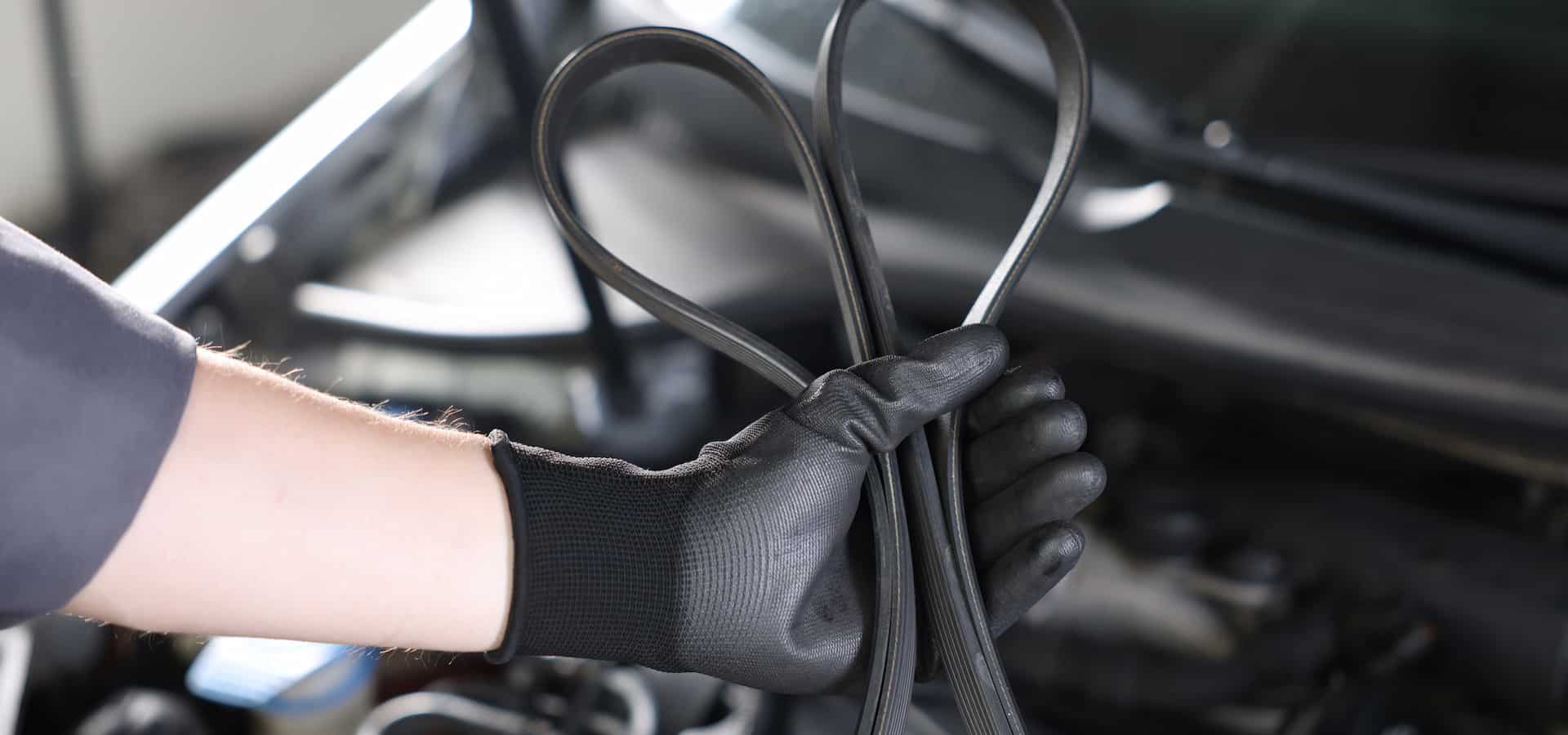
Toyota Cambelt Timing Belt Replacement at Elevation Auto Repair
Get a timing belt job wrong on a Toyota with an interference engine, and a snapped belt turns into bent valves, damaged pistons, and a repair bill that dwarfs the original service. On engines like the 3.0L 1MZ-FE (Camry, Avalon, Sienna) and the 3.3L 3MZ-FE (Highlander, Sienna, ES 330), the belt drives a water pump and idlers that all have finite service lives – so the smart move is replacing them together, not one at a time.
Doing this right on a Toyota is not the same as a generic belt swap. Correct cam and crank timing mark alignment, proper tensioner setup, and the factory torque spec on the crankshaft bolt all matter. A rushed job that mis-times the cams by a single tooth can throw a check engine light, trigger rough running, and shorten belt life.
Here's what you can expect when you bring your Toyota to us:
- Belt, tensioner, idlers, and water pump replaced as a complete kit using OEM-grade parts
- Verified timing mark alignment and factory torque specs on every fastener
- Coolant service and a leak-down check while the front cover is open
- Honest inspection with no unnecessary add-ons that protects your Toyota's resale value
Symptoms – How to Know You Need This Service
Timing belts often fail with little warning, but your Toyota usually gives some clues before it lets go. You may notice:
- A high-pitched squeal or chirp from the front of the engine, often worse on cold starts
- A rhythmic ticking or slapping sound that speeds up with engine RPM
- Rough idle, misfires, or hesitation from a belt that has jumped a tooth
- Difficulty starting or a no-start condition
- A coolant smell or visible seepage near the timing cover from a failing water pump
- Oil residue on the timing cover from a leaking cam or crank seal
- A check engine light with cam/crank correlation codes
Squealing, seepage, or a check engine light means schedule soon – you have some runway but shouldn't ignore it. A sudden loss of power, violent rough running, or any grinding from the timing area means stop driving immediately and have the vehicle towed. On an interference engine, continuing to drive risks catastrophic internal damage. If you're at or past the mileage interval, replace the belt on schedule rather than waiting for symptoms.
Common Cambelt Timing Belt Replacement Issues on Toyota Vehicles
Toyota built most of its belt-driven engines as interference designs, so wear patterns tend to repeat across specific generations. These are the scenarios we see most often in the shop:
- 3.4L 5VZ-FE V6 (1995-2004 Tacoma, 4Runner, T100) – A true interference engine where the water pump lives behind the belt. Owners frequently replace the belt but skip the pump, and a leaking pump then contaminates the fresh belt within a season.
- 3.0L 1MZ-FE V6 (1994-2003 Camry, Avalon, Sienna, ES300) – The rubber belt hardens and cracks with Denver's dry, high-altitude climate, and the tensioner and idler bearings often reach end of life on the same schedule.
- 4.7L 2UZ-FE V8 (1998-2009 Tundra, Sequoia, Land Cruiser) – Long belt run and hydraulic tensioner make this sensitive to oil seepage from the front cam and crank seals, which slowly degrade the belt.
- 2.2L 5S-FE (1990s Camry, Celica) – Aging tensioner springs lose tension, allowing belt walk and premature tooth wear.
- Timing tensioner and idler pulley bearing whine – A growling noise from the front cover on higher-mileage belt engines that signals the supporting hardware, not just the belt, is due.
- Overdue interval on inherited or used purchases – Many owners have no service history and assume a chain-driven engine when they actually have a belt hidden behind the covers.
Which Toyota Models We See for Cambelt Timing Belt Replacement
Toyota moved many engines to timing chains in the mid-2000s, so belt service applies mostly to specific V6 and older four-cylinder platforms. Here's what commonly rolls into our bays:
- 1MZ-FE 3.0L V6 – Camry, Avalon, Solara, Sienna, and Highlander (roughly late 1990s through mid-2000s), a classic interference belt engine
- 3MZ-FE 3.3L V6 – Highlander, Sienna, and Camry (mid-2000s), similar service layout to the 1MZ
- 5VZ-FE 3.4L V6 – Tacoma, 4Runner, and T100 (mid-1990s to early 2000s), a workhorse belt-driven engine
- 1GR-FE early applications – some early 4.0L V6 setups; we confirm belt versus chain by VIN and build date
- 3.0L 1MZ hybrids and AWD Highlander/Sienna – belt work is the same, but drivetrain access differs on AWD variants
Newer Toyota four-cylinders like the 2AZ-FE, 2GR-FE V6, and current 2.5L Dynamic Force engines use timing chains – no belt service required, though we inspect chain guides and tensioners on higher-mileage examples. If you're unsure whether your Toyota uses a belt or a chain, give us the VIN and we'll confirm before you commit to anything.
A snapped timing belt on a Toyota interference engine rarely ends with a simple belt swap. On a bent-valve platform, one missed replacement interval can fold intake valves against pistons, crack a cylinder head, and turn a routine service into a rebuild. Getting this job right protects your factory warranty, keeps your Toyota's resale value intact, and keeps you off the shoulder of I-25. Here's how we approach it and what your Toyota actually needs.
Causes & Risks – What Happens if Ignored
Toyota timing belts fail for predictable reasons: age and heat cycling harden the rubber, oil and coolant leaks attack the belt material, and worn tensioners let the belt skip teeth. Colorado's dry air and elevation swings accelerate rubber cracking, so a belt can look intact and still be brittle.
Waiting past the recommended mileage or age on an interference engine like the 5VZ-FE or 1MZ-FE is where a modest job becomes a major one.
- Ignoring a squealing tensioner typically leads to belt walk, jumped timing, and rough running.
- A weeping water pump left behind the belt eventually soaks and delaminates the new belt.
- A jumped or snapped belt on an interference engine bends valves, damages pistons, and can crack the head.
- Overheating from a failed pump adds a warped head and blown gasket to the repair.
- A belt failure at highway speed means an instant loss of power in traffic – a real safety hazard.
Replacing the belt, water pump, tensioner, idler, and seals together keeps a scheduled service from turning into an engine teardown.
Safety Impact – Why Cambelt Timing Belt Replacement Matters
A timing belt doesn't just keep the engine running smoothly – its sudden failure creates a driving emergency. When the belt snaps on a moving Toyota, the engine stops instantly.
- Loss of power steering assist – steering becomes heavy and slow at the worst moment.
- Reduced brake booster vacuum – the pedal stiffens after the first application.
- Stalling in traffic – a dead engine on a highway merge or interchange puts you and others at risk.
- Loss of stability and traction electronics that rely on a running engine.
Stop driving now if you hear loud belt-area grinding, see coolant pooling at the front of the engine, or the engine suddenly runs rough and misfires. Schedule soon if you're near the mileage or age interval, notice a faint front-cover whine, or bought the vehicle with no belt records. On an interference Toyota, a documented belt service also protects you if a lender, buyer, or insurer ever questions whether a known maintenance item was neglected before a failure.
How Toyota Cambelt Timing Belt Replacement Actually Works
The timing belt keeps the crankshaft and camshafts spinning in exact sync so valves open and close at the right moment relative to the pistons. On Toyota interference engines, that synchronization has zero margin for error – a few teeth of slip and metal meets metal.
Toyota's design choices make this more than a bolt-off, bolt-on job:
- Water pump behind the belt on many V6 and V8 platforms, so it should be replaced during the same service instead of separately later.
- Specific crankshaft and camshaft timing marks that must be aligned exactly per the OEM service procedure before the belt goes on.
- Hydraulic and spring tensioners with defined compression and pin-removal steps to set correct belt tension.
- Torque-to-spec crank pulley and cam bolts – overtightening or under-tightening invites future failure.
- Front crank and cam seal inspection since a leak here ruins a fresh belt.
We follow the factory alignment and torque sequence, replace the supporting hardware
Getting a timing belt wrong on a Toyota carries real consequences. On interference engines like the 3.0L 1MZ-FE V6 (Camry, Avalon, Sienna) or the older 22R-E four-cylinder, a belt that snaps or jumps time bends valves and can crack pistons. A rushed or improperly indexed job also puts your factory powertrain warranty and resale value at risk. We treat the cambelt service as a precision job, not a quick swap.
How We Diagnose Cambelt Timing Belt Replacement Issues on Toyota
Symptoms like a ticking or slapping noise from the front of the engine, oil weeping near the timing cover, or a hard start on a belt-driven Toyota all point back to the timing assembly. Here's how we confirm what's actually happening:
- Pull codes and freeze-frame data with a Toyota-capable scan tool (Techstream-level access), watching for camshaft/crankshaft correlation faults that flag a slipping or stretched belt.
- Check variable valve timing behavior on VVT-i engines like the 2AZ-FE and 1MZ-FE, since a mistimed belt can mimic a VVT actuator complaint.
- Remove the upper timing cover for a visual on the belt – cracking, glazing, missing teeth, and contamination from a leaking cam or crank seal.
- Inspect the tensioner and idler pulleys by hand for roughness, play, and hydraulic tensioner bleed-down, which are common failure points.
- Confirm the water pump condition, since it's belt-driven on many Toyota V6 and four-cylinder engines.
- Road test and recheck timing marks against factory specs to verify correct indexing.
From there we build a clear repair plan and an itemized quote, so you know exactly what's being replaced and why before any work begins.
Cambelt Timing Belt Replacement on Toyota: Repair vs. Replacement
Not every timing complaint means the full kit. We match the work to what we actually find.
- Minor service: A fresh belt with low miles that's contaminated by a small cam seal leak may only need the leak addressed and the area cleaned – no full teardown warranted yet.
- Partial replacement: A single failing idler or a weak hydraulic tensioner can sometimes be swapped when the belt itself is recent and within its service window.
- Full replacement: On interference engines like the 1MZ-FE, 3VZ-FE, and 5VZ-FE, once the belt is at its mileage interval or shows cracking, we replace the belt, tensioner, idlers, and water pump together. These parts share a service life, and reusing a tired water pump behind a new belt invites a repeat job.
Because timing failure on these engines is catastrophic, we lean toward complete kit replacement at interval – but we walk you through each option, show you the worn parts, and let you decide rather than defaulting to the priciest path.
How to Make Your Toyota Cambelt Timing Belt Replacement Last Longer
A fresh timing belt lasts longest when the engine around it stays healthy. Your habits matter as much as the parts.
- Warm up gently in Denver's cold mornings – let oil pressure build before hard acceleration so the tensioner isn't shocked.
- Fix oil leaks early: weeping cam and crank seals contaminate the belt and rot the rubber prematurely.
- Listen for changes: new ticking, whirring, or squealing from the front of the engine is worth a look before it becomes a failure.
- Watch your dash: a check engine light referencing cam/crank timing shouldn't be ignored.
Brand-specific care that pays off:
- Use OEM or equivalent Aisin belt and water pump components – Toyota's engines are engineered around those tolerances.
- Keep engine oil at the correct grade and interval to protect VVT-i timing performance.
- Follow Toyota's published mileage interval for the belt rather than waiting for symptoms.
Visual checks under the hood and monitoring for leaks are safe DIY. Removing covers, tensioning the belt, or re-indexing timing marks should be left to the shop – get one degree off and you risk valve damage. We're your Denver dealership alternative for that precision work, with honest diagnostics and no unnecessary repairs.
What to Expect When You Bring Your Toyota In
A snapped or mistimed belt on an interference Toyota engine can bend valves and turn a routine service into a cylinder-head rebuild. That risk is why we treat every cambelt job as a chance to protect your warranty standing and resale value, not just swap a part.
- Appointment and drop-off – Schedule ahead, hand off your keys, and clear valuables from the cabin. Shuttle service and loaner options are available so you're not stranded.
- Initial inspection – We verify belt condition, inspect the water pump, tensioner, idler pulleys, and front crank/cam seals for the telltale weeping that shows up on higher-mileage 3.0L 1MZ-FE and 3.4L 5VZ-FE engines.
- Written estimate – You get an itemized quote before anything comes apart, including the belt kit and any seals or coolant the job calls for.
- During the work – We text or call with photos if we find something like a leaking pump or hardened accessory belt, and nothing extra gets touched without your approval.
- Pickup walkthrough – We show you the old parts, explain what was done, and walk you through the new service interval. After-hours pickup can be arranged.
Before your Toyota leaves, we road test it and run a scan-tool re-check to confirm timing marks and idle behavior. If anything feels off afterward, bring it back and we'll make it right.
Why Choose Elevation Auto Repair for Toyota Cambelt Timing Belt Replacement
Timing belt work rewards experience with the specific engine on your bench. We know which Toyota platforms hide the tricky details – the 1MZ-FE and 3MZ-FE V6s where water pump failure often trails belt wear, the 5VZ-FE in older Tacoma, 4Runner, and Tundra models, and the 1MZ Camry/Avalon families that demand precise cam timing to avoid contact damage.
- Familiarity with Toyota TSBs and any software or idle-relearn steps tied to reassembly.
- Complete kit replacement – belt, tensioner, idlers, and water pump together, since doing the pump later means paying the same labor twice.
- OEM torque specs on crank and cam bolts, plus correct coolant fill for engines that share the pump behind the cover.
We own the job start to finish – diagnosis, teardown, reassembly, and post-repair verification – so there's no finger-pointing between shops. That single point of accountability keeps your maintenance records clean and your Toyota running past the next interval with confidence.
Our Toyota Services
- Air Conditioning AC Repair
- Battery Repair Replacement
- Brake Repair & Brake Fluid Change
- Check Engine Light Diagnostics
- Clutch Repair & Replacement
- Coolant Leak Repair
- Cooling System Repair
- Drive Shaft Repair
- Engine Repair
- Exhaust & Catalytic Converter Repair
- Head Gasket Repair & Replacement
- Oil Change
- Oil Leak Repair
- Scheduled Service Maintenance
- Steering Repair
- Suspension Repair
- Transmission Repair
- Tune Up
- Wheel Alignment