
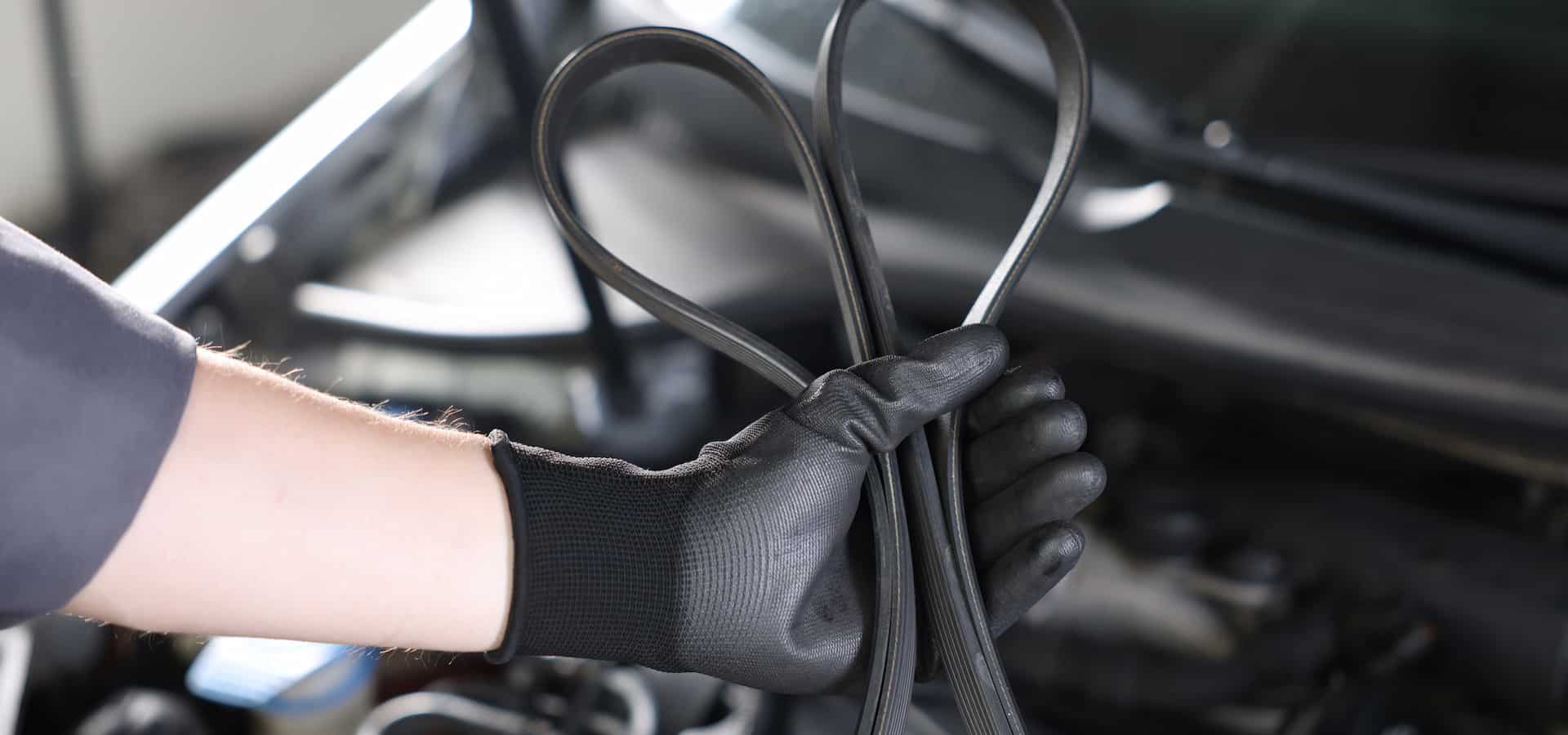
Ram Cambelt Timing Belt Replacement at Elevation Auto Repair
Get the timing wrong on a Ram and you're not looking at a small bill – you're looking at bent valves, scored cylinder walls, and a cylinder head that has to come off. That's the real stakes on interference engines, and it's why this job belongs with technicians who know these trucks intimately.
Timing belt work on Ram vehicles is less common than on the average import, because most modern Ram trucks run timing chains rather than belts. The exception matters: the 3.0L EcoDiesel (VM Motori A630) uses a belt-in-oil style timing setup that behaves nothing like a dry rubber belt, and it demands strict attention to tensioner condition, oil-resistant belt material, and proper crank/cam locking.
Doing it right on a Ram means respecting the details a generic shop skips:
- Correct crankshaft and camshaft locking tools so timing is set to factory spec, not guessed by eye
- Replacing the tensioner, idlers, and water pump as a set rather than reusing worn hardware
- Using OEM torque values on the crank bolt and accessory fasteners to prevent slippage
- A post-service scan and road test to confirm no fault codes and clean running under load
Symptoms – How to Know You Need This Service
A belt rarely fails without warning, but the warnings are easy to miss if you don't know what to listen for. From the driver's seat, you may notice:
- A high-pitched squeal or chirp from the front of the engine, often worse on cold starts – tensioner or idler wear
- A ticking or slapping sound that changes with engine speed
- Rough idle or a subtle misfire as timing drifts out of spec
- Hard starting or extended cranking, especially on the EcoDiesel
- Check engine light with camshaft/crankshaft correlation codes
- Oil weeping near the timing cover or a low coolant level pointing to water pump seepage
- Visible cracking, glazing, or missing teeth if the belt is inspected
Stop driving immediately if you hear a sudden loud rattle, feel a hard loss of power, or the engine dies and won't restart – continuing risks catastrophic valve-to-piston contact. Squeals, minor ticks, or a belt near its service interval mean schedule soon, before a small job turns into an engine rebuild.
Common Cambelt Timing Belt Replacement Issues on Ram Vehicles
Getting timing wrong on a Ram is an expensive lesson. Most modern Ram gas engines run timing chains, but the diesel and certain older powertrains put belt and chain-adjacent components squarely in the crosshairs. Knowing which Ram you're dealing with changes the whole approach.
- Cummins 6.7L (2007.5–present) timing gear and front cover concerns – The 6.7L Cummins is gear-driven rather than belt-driven, but the front cover seal and KDP (killer dowel pin) legacy on earlier 5.9L 24-valve engines make front-of-engine service a Ram-specific job that generic shops mishandle.
- 3.0L EcoDiesel (2014–2019 and 2020+ V6) belt-driven components – This VM Motori diesel uses a belt-in-oil style setup on later variants and a rubber accessory/timing arrangement that degrades early in Denver's dry heat and altitude swings, leading to stretch and tensioner wear.
- Tensioner and idler pulley bearing failure – On EcoDiesel and older belt-equipped Rams, the hydraulic tensioner loses damping and the idler bearings whine or seize, throwing belt alignment before the belt itself looks worn.
- Water pump integration – Many Ram belt-driven layouts spin the water pump off the timing side, so a weeping pump contaminates the belt and shortens its life dramatically.
- Oil-contaminated belt degradation on later EcoDiesel – Wet-belt designs shed material into the oil pickup when neglected, a failure path unique to these engines.
- Front crank seal seepage – Common on higher-mileage diesels, oil migrates onto the belt path and accelerates cracking.
Which Ram Models We See for Cambelt Timing Belt Replacement
Most gasoline Ram trucks – the 5.7L and 6.4L HEMI, the 3.6L Pentastar V6 – use timing chains, so belt service doesn't apply. The trucks that bring people in for belt work are the diesels and select older platforms. Common vehicles we service:
- Ram 1500 EcoDiesel (2014–2023) – 3.0L VM Motori A630/EcoDiesel V6, the primary belt-service candidate; belt-in-oil design requires diesel-specific parts and locking tools
- Ram 1500 DS and DT generations equipped with the EcoDiesel option
- Older Ram/Dodge diesel and light-duty platforms where belt-driven timing was factory equipment
- Ram ProMaster variants with belt-driven accessory or timing components, depending on engine
A few honest notes so you don't waste a trip:
- If your Ram runs a HEMI or Pentastar gas engine, you likely need chain and guide inspection, not a belt – we'll confirm before quoting anything.
- Cummins 5.9L and 6.7L diesels use gear-driven timing, so there's no belt to replace.
Not sure which engine you have? Bring it in and we'll pull the VIN, verify the powertrain, and tell you exactly what your truck needs – no unnecessary repairs, just straight answers.
Causes & Risks – What Happens if Ignored
Denver's altitude, temperature swings, and dry air are hard on rubber timing components. Add towing loads and the stop-and-go grind of Front Range traffic, and belts, tensioners, and seals age faster than the mileage suggests.
The EcoDiesel V6 is especially sensitive – heat cycling breaks down the belt matrix, and a tensioner that's lost hydraulic damping lets the belt skip teeth under load. Waiting rarely saves money.
- Ignoring a whining tensioner or idler bearing for months typically ends in belt walk, misalignment, and eventual belt failure.
- A weeping water pump left unaddressed contaminates the belt with coolant, causing sudden slippage rather than gradual wear.
- A skipped timing event on an interference diesel bends valves and can contact pistons – turning a routine service into a cylinder-head rebuild.
- Front crank seal leaks that go unrepaired soak the belt in oil, which strips off rubber and clogs the oil pickup on wet-belt EcoDiesels.
- Continuing to tow with a stretched belt raises the odds of losing timing while the engine is under peak stress.
The safety line is simple: once the engine runs rough, throws timing correlation codes, or the belt is audibly slipping, driving becomes a gamble on a catastrophic failure at speed.
Safety Impact – Why Cambelt Timing Belt Replacement Matters
A timing failure on a Ram doesn't just strand you – it can happen mid-merge or mid-tow. Sudden loss of engine power affects far more than the drivetrain.
- Power steering assist – On hydraulically assisted Rams, engine stall means heavy, unpredictable steering.
- Brake booster vacuum – A dead engine drains vacuum assist, leaving a firm, long-travel brake pedal.
- Stability control, ABS, and traction control – These systems depend on engine signals and can drop out or flag faults when timing correlation is lost.
- Trailer braking coordination – Losing power while towing compromises the whole rig's control.
Stop driving now if you notice:
- Loud grinding or squealing from the front of the engine
- Rough running with a flashing check engine light
- Sudden loss of power or a no-restart after stalling
Schedule soon if you notice:
- A faint whine that changes with RPM
- Oil or coolant residue near the front cover
- Approaching the service interval for your engine
There's also a liability angle: if a known timing component is documented as failing and isn't addressed before an incident, that record can matter.
How Ram Cambelt Timing Belt Replacement Actually Works
Your engine's timing system keeps the crankshaft and camshafts spinning in exact sync so valves open and close at the right moment. On Ram diesels the setup often blends belts, tensioners, gears, and an integrated water pump, which means front-of-engine service touches several systems at once.
Ram's implementation adds steps a generic shop often skips. The EcoDiesel requires precise cam and crank locking with the correct pins, and reassembly demands OEM torque sequences on the tensioner and pulleys. Many newer Rams also need scan-tool access to relearn or clear crank/cam correlation after the work.
- Cam and crank locking tools – Ram diesels use engine-specific timing pins; freehand timing invites a skipped tooth.
- Torque and sequence specs – Tensioner and idler bolts have staged torque values that protect belt alignment
Getting a timing job wrong on a Ram costs far more than the belt itself. A skipped tooth or misread reference mark on the wrong platform can bend valves, wipe a cam lobe, or leave you stranded with an interference engine that no longer turns freely. Elevation Auto Repair treats every Ram timing job as engine-critical work, because on most of these powerplants it is.
How We Diagnose Cambelt Timing Belt Replacement Issues on Ram
Diagnosis starts before we ever touch a wrench. Ram trucks span a wide mix of drivetrains – the 3.6L Pentastar V6 (a chain-driven engine), the 5.7L HEMI, the 6.7L Cummins diesel, and older 3.9L/5.2L/5.9L Magnum motors – so identifying exactly what you're running is the first move.
- Confirm the engine and platform by VIN, since chain-driven engines and belt or gear-driven diesels demand completely different service.
- Pull codes with a factory-level scan tool (wiTECH-equivalent) to read camshaft/crankshaft correlation faults, misfire history, and variable valve timing data.
- Check cam-to-crank correlation live to spot timing drift before it becomes a no-start.
- Perform a visual inspection – belt cracking, glazing, missing teeth, oil contamination, and tensioner condition.
- Inspect the water pump, idler pulleys, and front seals, since these commonly fail alongside the belt system.
- Road test to catch rough idle, hard starts, or a rattle on cold startup.
We also spin the engine by hand where appropriate to feel for resistance and confirm marks line up. Once we know what's worn versus what's still solid, you get a clear written plan and quote – no guesswork, no padded line items.
Cambelt Timing Belt Replacement on Ram: Repair vs. Replacement
Not every timing concern means tearing the whole front of the engine apart. The right call depends on what's actually worn.
- Genuine repair: A loose or ticking accessory belt, a noisy but serviceable tensioner, or a front seal seep on a Pentastar can often be addressed without opening the primary timing system.
- Partial replacement: On chain-driven Pentastar 3.6L engines, an early timing chain rattle may only require the chain, guides, and tensioner while the cam phasers remain healthy – common on higher-mileage 2011–2016 units.
- Full replacement: When a belt or chain shows cascading wear – stretched chain, worn guides, failing phasers, and a leaking water pump together – doing the complete kit is the smart move. Cummins and belt-driven applications warrant full kits since labor overlaps heavily.
If a repair cost creeps toward the price of a complete job, we say so plainly. Our technicians walk you through the trade-offs and let you decide – we don't default to the biggest invoice.
How to Make Your Ram Cambelt Timing Belt Replacement Last Longer
How you drive and maintain the truck has a real effect on how long the timing system holds up.
- Let the engine warm before hard loading – cold oil starves chain tensioners and phasers, especially on Pentastar V6s.
- Avoid lugging the engine under heavy trailer loads, which stresses timing components.
- In Denver's dry, high-altitude climate, watch for premature belt cracking and check condition seasonally.
Owner-friendly habits that help:
- Listen for new cold-start rattles or ticking – early warning of chain or tensioner wear.
- Keep an eye on the oil level and any oil-pressure or check-engine lights.
- Do quick visual belt checks under the hood for cracks or shine.
Brand-specific care matters here. Use the correct-spec oil and change it on Ram's interval – dirty or wrong-viscosity oil is a leading cause of premature phaser and tensioner wear on the Pentastar. Stick with OEM or OE-equivalent timing components, and keep powertrain software current, since updates can adjust VVT behavior.
Safe DIY stops at inspection and fluid monitoring. Actual timing belt or chain service is safety-critical interference-engine work – leave that to our technicians so a small mistake doesn't turn into a rebuild.
Getting timing belt work wrong on a Ram is an expensive mistake. The 3.0L EcoDiesel V6 found in 2014-2019 Ram 1500 models runs a belt-in-oil timing setup that punishes shortcuts – incorrect tensioner installation, a stretched belt, or skipped guide checks can lead to valve-to-piston contact and a ruined cylinder head. This is interference-engine territory, so precision and the right OEM parts matter more than speed.
What to Expect When You Bring Your Ram In
We keep the process straightforward so you always know where your truck stands.
- Drop-off or appointment: Schedule ahead or bring it by. Clear personal items from the cab and glovebox – we'll note anything left for safekeeping.
- Initial inspection: We verify belt condition, tensioner and idler play, water pump seep, and oil-side contamination on EcoDiesel platforms before quoting anything.
- Written estimate: You get a clear line-item breakdown covering belt kit, tensioner, water pump, and any related seals – no surprise add-ons.
- Communication during the job: We call or text if we find worn guides, a leaking crank seal, or a coolant issue that should be handled while access is open.
- Pickup walkthrough: We show you the replaced parts and explain what was done and why.
Shuttle and loaner options are available to keep your day moving, and after-hours pickup can be arranged when your schedule is tight. Before your Ram leaves, we complete a road test and a scan-tool re-check to confirm timing correlation and clear any related codes. If anything feels off after you drive it, call us – we'll get it back in and make it right.
Why Choose Elevation Auto Repair for Ram Cambelt Timing Belt Replacement
Ram timing work rewards shops that know the platform. We track TSBs and software updates tied to the EcoDiesel and stay current on the quirks that trip up general repair shops.
- Platform-specific knowledge: We understand the belt-in-oil design on the 3.0L EcoDiesel, correct tensioner setting procedures, and why the recommended oil spec protects the belt long-term.
- OEM-grade parts and torque specs: We use the correct belt kit and follow factory timing marks, tensioner deflection, and fastener torque values rather than eyeballing it.
- End-to-end ownership: The same shop handles diagnosis, teardown, reassembly, and post-repair verification – nothing gets handed off or guessed at.
As your Denver dealership alternative, we combine dealer-level Ram expertise with honest diagnostics and clear communication. When we're inside the front cover, we check the water pump, seals, and coolant condition so you're not paying for the same labor twice. The goal is a truck that stays reliable well past the repair – and a service experience where you always know what you're paying for and why.
Our Ram Services
- Air Conditioning AC Repair
- Battery Repair Replacement
- Brake Repair & Brake Fluid Change
- Check Engine Light Diagnostics
- Clutch Repair & Replacement
- Coolant Leak Repair
- Cooling System Repair
- Drive Shaft Repair
- Engine Repair
- Exhaust & Catalytic Converter Repair
- Head Gasket Repair & Replacement
- Oil Change
- Oil Leak Repair
- Scheduled Service Maintenance
- Steering Repair
- Suspension Repair
- Transmission Repair
- Tune Up
- Wheel Alignment