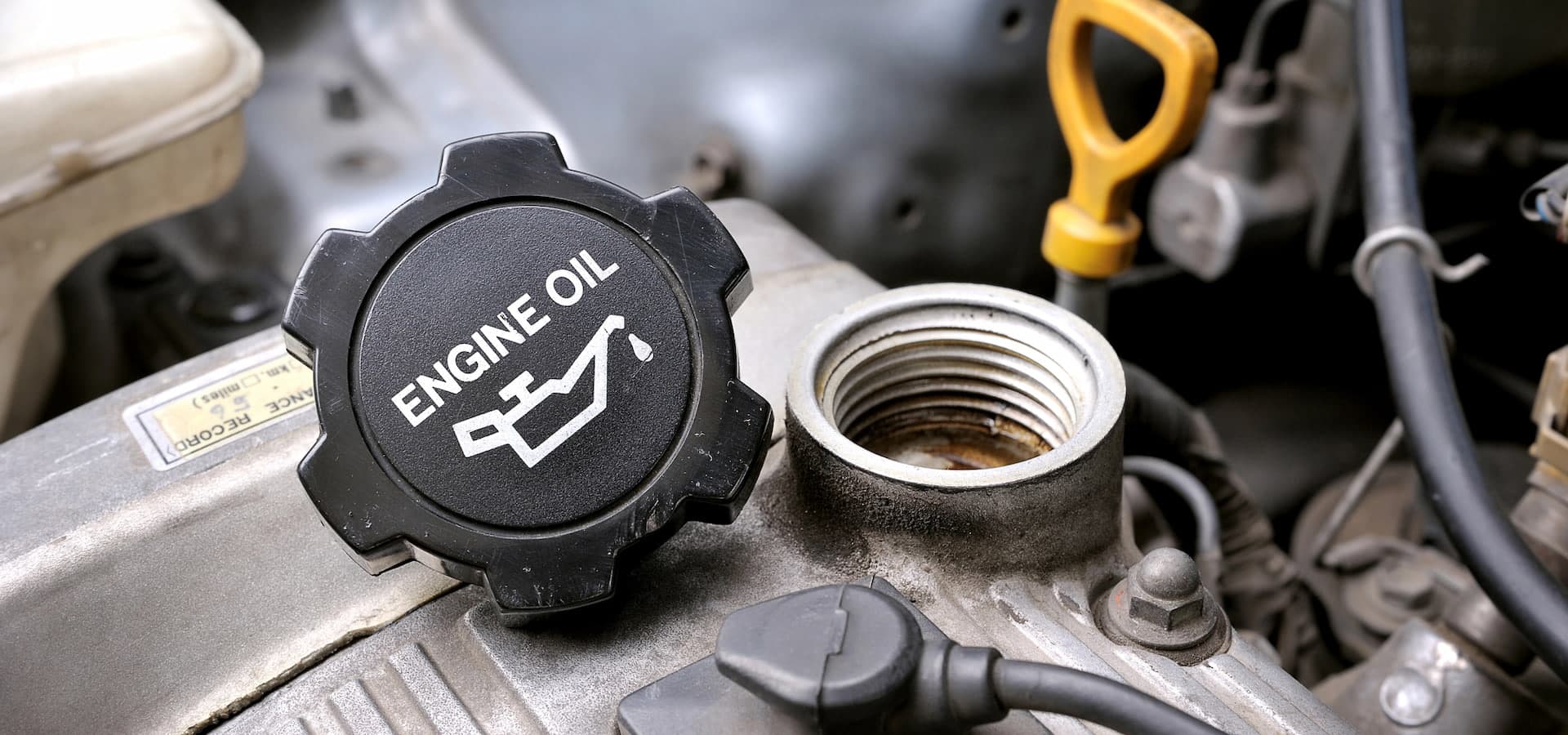
Ram Oil Change at Elevation Auto Repair
Skip the oil service interval on a Ram HEMI or an EcoDiesel and the repair bill climbs fast – think lifter tick, cam wear, or a plugged EGR system feeding off dirty oil. A Ram oil change is not the quick-lube afterthought most shops treat it as, and getting the wrong grade or a bargain filter into these engines shortens their life.
Doing it right means matching the exact spec for your engine. The 5.7L and 6.4L HEMI engines run on MS-6395 5W-20 (some later trims call for a full-synthetic 0W-20), while the 3.0L EcoDiesel demands MS-12991 5W-40 diesel oil and a specific filter cartridge. Cross those up and the oil pressure and viscosity targets your engine relies on go out the window. We also reset the oil life monitor through the vehicle software so your dash reflects the fresh service instead of guessing.
Our technicians know these platforms cold and turn most oil services around fast, so you're back on the road the same day.
- Correct MOPAR-spec oil and OEM-quality filter matched to your exact engine
- Torqued drain plug and filter housing to Ram spec – no stripped pans
- Oil life monitor reset and a quick multi-point check
- Honest advice on interval timing based on how you drive in Colorado
Symptoms – How to Know You Need This Service
Ram engines give you plenty of warning when the oil is overdue. Watch and listen for these:
- You may notice the oil change / oil life light or a wrench icon on the dash – schedule soon
- A ticking or tapping at cold start on the 5.7L HEMI, often a sign of oil starvation at the lifters
- Dark, gritty oil on the dipstick or an oil level reading low between checks
- A burnt-oil smell inside the cabin or from the engine bay after a drive
- Louder-than-usual engine noise or reduced throttle response, especially towing at altitude
- EcoDiesel owners may see rougher idle or reduced fuel economy as oil breaks down
- The red oil pressure light – stop driving immediately and shut the engine off, this means low pressure and possible bearing damage
Most of these mean book an appointment soon. The red oil pressure warning is the exception – keep running the engine and you risk spinning a bearing, which turns a simple service into an engine job.
Common Oil Change Issues on Ram Vehicles
Ram platforms have well-documented oil-related patterns that vary sharply by engine and model year. Knowing the platform tells us what to look for before the drain plug comes out.
- 5.7L HEMI lifter and MDS-related wear (2009-2018 DS/DT trucks) – The Multi-Displacement System deactivates cylinders, and marginal oil condition accelerates roller lifter and camshaft lobe wear. Stretched intervals show up as the dreaded HEMI tick.
- 3.0L EcoDiesel oil dilution (2014-2016 and later) – Fuel washing past rings and regen events thin the oil. Using anything other than the specified diesel-rated low-SAPS oil accelerates the problem and can foul the emissions hardware.
- 6.7L Cummins interval sensitivity – Heavy towing and idle time load the oil with soot faster than the maintenance minder suggests, especially in the Colorado climate with frequent cold starts and grade towing.
- 3.6L Pentastar (2013+) filter housing and oil cooler – The plastic oil filter housing/cooler assembly is a known leak and cracking point, often discovered during a routine change.
- Wrong viscosity from quick-lube shops – Many HEMIs spec 5W-20 while others call for 0W-20 or 5W-40 in diesels. A mismatched fill affects VVT operation and cold-start protection.
- Oil life monitor reset skipped – Rams use an algorithm-based reminder, not a mileage counter. A missed reset throws off the whole maintenance schedule.
Which Ram Models We See for Oil Change
We service the full modern Ram lineup and older Dodge Ram trucks. Find your platform below:
- Ram 1500 (DS, 2009–2018) – 3.6L Pentastar V6 and 5.7L HEMI V8; classic body still sold alongside the newer truck
- Ram 1500 (DT, 2019–present) – 3.6L Pentastar with eTorque, 5.7L HEMI, and the 3.0L EcoDiesel V6
- Ram 1500 TRX (2021–2024) – 6.2L supercharged HEMI; specific fill quantity and synthetic spec differ from standard trucks
- Ram 2500 / 3500 (2013–present) – 6.4L HEMI gas and the 6.7L Cummins turbo diesel, which uses a large-capacity oil system and its own filter
- EcoDiesel-equipped 1500s – the 3.0L V6 diesel needs MS-12991 oil and a cartridge filter, handled differently from the gas engines
- Older Dodge Ram (BR/BE, 1994–2010) – Magnum and early HEMI V8s plus 5.9L Cummins diesels
The Cummins diesels and the TRX's supercharged 6.2L call for different oil volumes and specs than a standard HEMI, so we confirm your exact engine before we start. If you drive a rare fleet variant we don't see often, we'll verify the correct fill against MOPAR data before touching it.
A Ram truck earns its keep hauling, towing, and racking up highway miles – which is exactly why the wrong oil, the wrong interval, or a sloppy filter swap costs more here than on a commuter car. Get the oil service wrong on a HEMI or an EcoDiesel and you are looking at lifter failures, oil dilution, and turbo damage that dwarf the price of doing it right. At Elevation Auto Repair in Denver, we treat every Ram oil change like the foundation of the truck's longevity, with fast turnaround and honest diagnostics that catch trouble early.
Causes & Risks – What Happens if Ignored
Most Ram oil trouble traces back to a few root causes: Denver's altitude and temperature swings, heavy towing and hauling duty cycles, extended drain intervals on turbo-diesels, and the plastic-heavy Pentastar oiling components. Age and soot loading do the rest.
Waiting rarely makes any of these cheaper. A cheap service item turns into a major repair fast once metal starts wearing or oil starts leaking onto hot components.
- Delayed HEMI oil changes commonly progress from a light tick to a collapsed lifter and a spun camshaft – a repair that pulls the engine apart.
- Ignoring EcoDiesel oil dilution for even a few extended intervals can starve the turbo and score bearings, plus foul the DEF and DPF system.
- Cummins soot overload from stretched intervals thickens the oil, accelerating bearing and turbo wear under load.
- A weeping Pentastar filter housing left unaddressed drips onto the accessory belt and drops oil level low enough to trigger warning lights.
- Low oil level under tow risks sudden pressure loss on a grade – the point where driving becomes genuinely unsafe.
The pattern is consistent: a small leak or thinning fluid becomes a bearing, turbo, or camshaft job. We flag these early so the fix stays small.
Safety Impact – Why Oil Change Matters
Oil condition on a Ram reaches beyond the engine. Low or degraded oil trips warning systems, and a truck that loses power or leaks fluid on a mountain grade becomes a hazard to everyone around it.
- Sudden power loss under tow – oil starvation can send the engine into limp mode mid-climb, a serious risk in traffic.
- Oil on the belt or brakes – a leaking filter housing can contaminate the serpentine belt, affecting power steering assist and charging.
- Warning-light overload – ignored oil pressure and oil life alerts can mask other faults like ABS or stability control codes.
Stop driving now if you see: the oil pressure light on, knocking or heavy ticking, or a burning-oil smell with visible smoke.
Schedule soon if you notice: the oil life reminder at zero, a small drip on the driveway, or a faint tick that clears when warm.
There is also a liability angle: a known, unaddressed oil leak that leads to a breakdown or fire can complicate an insurance claim. Documented, honest service protects you.
How Ram Oil Change Actually Works
A Ram oil change is more than drain, fill, and reset. The engine relies on oil pressure to run variable valve timing, feed the MDS solenoids on HEMIs, and cool the turbo on diesels – so the right fluid and a clean filter directly control how the truck behaves.
What sets Ram service apart is the electronic oil life algorithm and engine-specific fluid requirements that generic shops often overlook.
- Oil life reset – done through the driver information center or a scan tool, not a simple mileage clear, so the maintenance minder recalibrates correctly.
- Engine-specific viscosity – 5W-20 or 0W-20 on gas engines, diesel-rated low-SAPS oil on EcoDi
A skipped or sloppy oil change on a Ram doesn't stay cheap for long. The 5.7L and 6.4L HEMI engines run active fuel management (MDS) lifters that depend on clean, correct-viscosity oil, and the 3.0L EcoDiesel found in 2014-2023 1500s is unforgiving about oil quality and level. Get the grade or interval wrong and you're looking at collapsed lifters, cam lobe wear, or clogged oil control passages instead of a routine service. We keep it simple: get the diagnosis right, get you back on the road fast.
How We Diagnose Oil Change Issues on Ram
When a Ram comes in with oil concerns – ticking, low pressure warnings, or a light that won't clear – we work through a set order rather than guessing.
- Pull codes with a factory-level scan tool (wiTECH-equivalent access) to read oil pressure sensor data, MDS solenoid activity, and any stored HEMI lifter or EcoDiesel oil-quality faults.
- Verify live oil pressure and temperature values against Ram's spec range while the engine is at operating temp.
- Inspect the oil itself – color, metal glitter, fuel dilution smell (common on short-trip EcoDiesel and Pentastar-powered trucks), and level accuracy.
- Check the filter housing, drain plug threads, and gasket surfaces for prior over-torque damage or leaks.
- Road test to confirm the ticking or MDS misbehavior under load, listening for lifter tick that changes with cylinder deactivation.
The scan tells us what the truck thinks is happening; the visual and road test tell us what's actually happening. We combine both, then hand you a plain-language plan and a written quote before any wrench turns – no surprise add-ons.
Oil Change on Ram: Repair vs. Replacement
Not every oil-related issue means major work. We match the fix to what the truck actually needs.
- Straight service (repair): Fresh full-synthetic at the correct spec, new OEM filter, and reset. This covers the vast majority of HEMI and Pentastar trucks with no underlying wear.
- Partial replacement: A weeping filter housing on the 3.6L Pentastar, a leaking oil cooler on the EcoDiesel, or a failed oil pressure sensor – replace the single part and keep the rest of the assembly.
- Full replacement territory: When neglected intervals cause cascading damage – collapsed MDS lifters that wedged a cam lobe, or oil-starvation scoring – patching one piece won't hold, and the repair cost climbs toward a rebuild.
We show you the oil sample, the sensor data, and the worn part so the choice is yours. If a clean-and-service gets you there, that's what we recommend – we don't push the biggest ticket.
How to Make Your Ram Oil Change Last Longer
How you drive and maintain your Ram decides whether the next service is routine or expensive.
- Let the engine warm before hard acceleration – cold-start abuse accelerates MDS lifter and cam wear on HEMIs.
- Avoid constant short trips, especially on the EcoDiesel, where fuel dilution thins the oil in Denver's cold months.
- Don't lug the engine while towing heavy near max GVWR – it spikes oil temps and shortens oil life.
Owner-friendly habits that pay off:
- Check the dipstick monthly and after long hauls – catch consumption early.
- Listen for new ticking or a change in idle after startup.
- Watch the oil change indicator and don't reset it without an actual service.
Stick with the OEM-spec viscosity Ram calls for – 0W-20 or 5W-20 on most gas engines, the correct diesel-rated oil on the EcoDiesel – and keep the truck's software current, since updated oil-life algorithms affect interval timing. Topping off and dipstick checks are safe DIY. Leave oil pressure diagnostics, lifter concerns, and cooler leaks to us so a small issue never becomes a rebuild.
What to Expect When You Bring Your Ram In
Getting the wrong oil weight or missing a filter housing torque spec on a Ram costs you real money down the road – especially on the 3.0L EcoDiesel and the 5.7L HEMI with its MDS lifter system that depends on clean, correct-viscosity oil. Here is how a visit flows:
- Drop-off or appointment – Schedule ahead or drop the truck; leave personal items in the cab or take them with you, and let us know your daily driving pattern (towing, plowing, short trips).
- Initial inspection – We check for oil leaks at the front cover and oil cooler, inspect the filter cap and drain plug threads, and confirm the correct spec (0W-40 on many HEMIs, 5W-40 diesel-rated on EcoDiesel).
- Written estimate – You get a clear breakdown of oil type, filter, and any flagged items before we touch a wrench.
- During service – We text or call if we spot something like a seeping oil cooler or a due software update, and wait for your approval.
- Pickup walkthrough – We reset the oil life monitor, note the next service interval, and go over anything we found.
Shuttle and loaner options help you stay on schedule, and after-hours pickup is available when arranged. Before handover, we road test and run a scan-tool re-check to confirm no oil-pressure or MDS codes. If anything feels off afterward, bring it back and we make it right.
Why Choose Elevation Auto Repair for Ram Oil Change
A Ram oil change is not a one-size-fits-all job. The 6.7L Cummins, the EcoDiesel V6, and the HEMI V8 each carry different capacities, filter designs, and viscosity requirements – and using the wrong one invites lifter tick, oil pressure faults, and premature wear.
- Platform-specific knowledge – We stay current on Ram TSBs and software updates, including oil-life monitor recalibrations and known EcoDiesel oil cooler and CP4 pump concerns.
- Correct specs every time – Right viscosity, OEM-grade filters, and proper drain plug and filter housing torque so you avoid stripped threads and leaks.
- End-to-end ownership – The same shop that inspects your truck also performs the work and verifies it with a scan-tool re-check.
As your Denver dealership alternative, we handle everything from routine oil changes to major engine and drivetrain work under one roof – with honest diagnostics and clear communication, so you only pay for what your Ram actually needs.
Our Ram Services
- Air Conditioning AC Repair
- Battery Repair Replacement
- Brake Repair & Brake Fluid Change
- Check Engine Light Diagnostics
- Clutch Repair & Replacement
- Coolant Leak Repair
- Cooling System Repair
- Drive Shaft Repair
- Engine Repair
- Exhaust & Catalytic Converter Repair
- Head Gasket Repair & Replacement
- Oil Leak Repair
- Scheduled Service Maintenance
- Steering Repair
- Suspension Repair
- Cambelt Timing Belt Replacement
- Transmission Repair
- Tune Up
- Wheel Alignment