Ram Clutch Repair & Replacement at Elevation Auto Repair
Working a manual Ram 2500 hard in the Colorado high country puts real stress on the clutch – towing up I-70, launching a loaded bed, and heat-soaking the pressure plate on the grade back down. When that pedal starts feeling wrong, the fix isn't a job for a shop that treats every clutch the same.
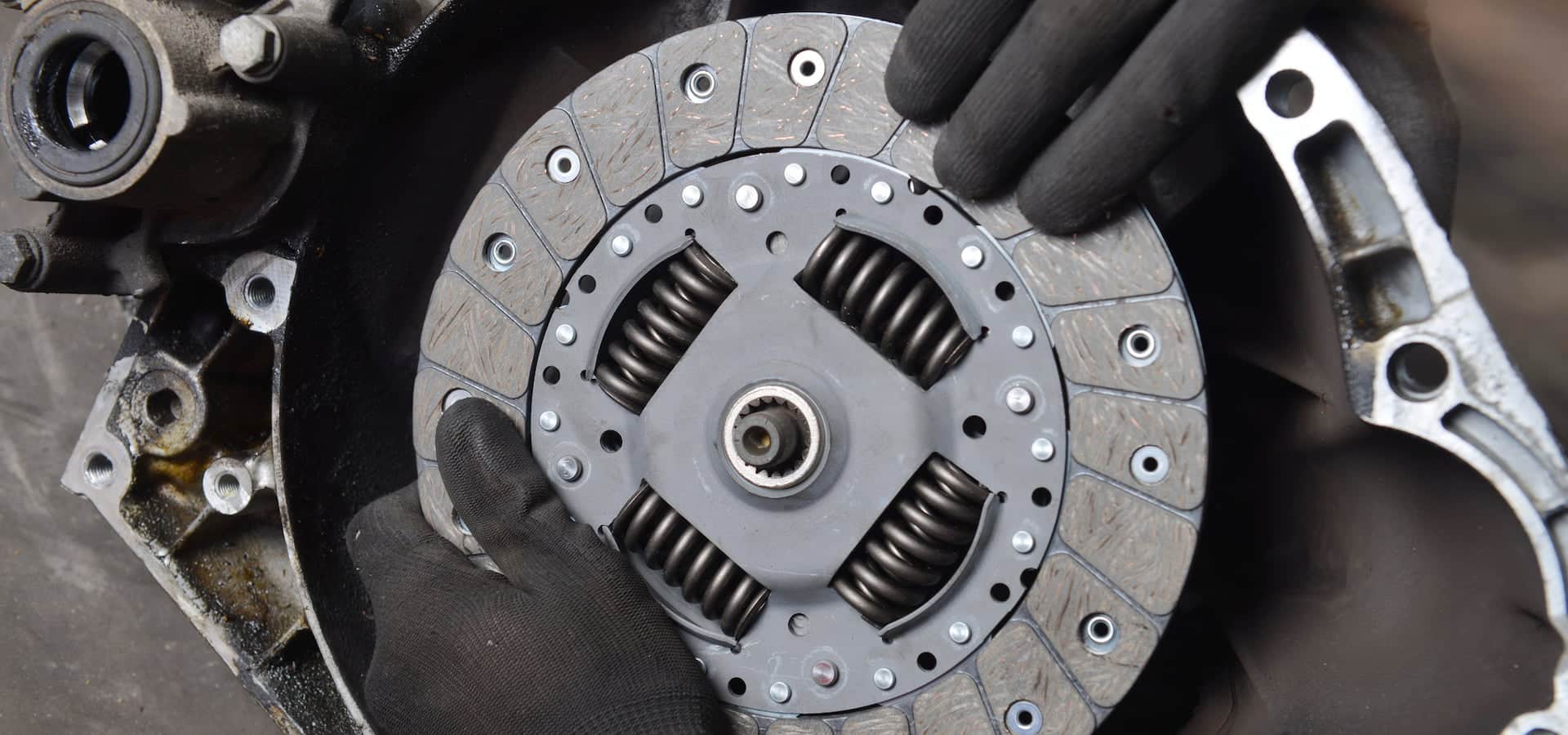
Clutch service on a Ram means pulling the transmission, inspecting the flywheel, and replacing the friction disc, pressure plate, throwout bearing, and pilot bearing as a matched set. On the Cummins-equipped 2500/3500 trucks running the G56 six-speed manual, the dual-mass flywheel is a known wear point, and worn ones need to be measured or replaced rather than reused. The G56 also demands the correct manual transmission fluid spec – the wrong fluid causes notchy shifts and premature synchro wear. We follow OEM torque sequences on the bellhousing and clutch cover bolts so the assembly seats true and doesn't chatter.
Here's what you can expect when you bring your Ram to us:
- Full clutch assembly replacement using quality components rated for towing loads
- Flywheel inspection with resurfacing or replacement based on runout and wear
- Correct hydraulic bleed and OEM-spec transmission fluid refill
- A road test under load to confirm clean engagement before you drive off
Symptoms – How to Know You Need This Service
Your clutch usually warns you before it strands you. On a Ram, these are the signs drivers notice most:
- A soft or spongy clutch pedal, or one that sinks to the floor – often a failing hydraulic slave or master cylinder
- Slipping under load – engine RPM climbs while towing or accelerating but the truck doesn't pull like it should
- A burning smell after hard hill work, pointing to a glazed or worn friction disc
- Grinding or a hard shift into gear, especially with the G56 manual
- Chatter or shudder when releasing the pedal from a stop
- A rattle at idle that quiets when you press the pedal, common with dual-mass flywheel wear
- A high or grabby engagement point that keeps rising over time
Slipping and a burning smell mean you should schedule service soon before the flywheel takes damage. A pedal that goes to the floor and won't build pressure means stop driving – a failed hydraulic circuit can leave you unable to shift safely, and forcing gears risks the transmission.
Common Clutch Repair & Replacement Issues on Ram Vehicles
You press the pedal at a Denver stoplight, the engine revs, but the truck barely moves. That slipping feeling is one of the first signs Ram owners bring to us, and it usually points to wear patterns tied to how these trucks get used – towing, hauling, and stop-and-go city driving.
- Slipping clutch on Cummins-equipped 2500/3500 (G56 6-speed manual): High torque from the 5.9L and 6.7L diesels wears the friction disc quickly, especially on trucks that tow heavy or run performance tunes that exceed the factory clutch rating.
- Hydraulic slave/master cylinder failure on 1500 and 2500 platforms: The internal concentric slave cylinder (CSC) on many Ram manuals leaks over time, causing a soft or dropping pedal and incomplete disengagement.
- Chatter and shudder on early third-gen (2003-2008) DR/DH platforms: Contaminated friction surfaces from a leaking rear main seal or slave cylinder lead to grabby, uneven engagement.
- Dual-mass flywheel wear on diesel 6-speeds: The G56 dual-mass flywheel develops excessive play and rattle at idle, and it often needs replacement alongside the disc.
- Pilot bearing and throwout bearing noise: A whine or growl that changes with the pedal is common on higher-mileage trucks and gets worse under load.
- Worn clutch fork and pivot ball: Produces a notchy pedal feel and inconsistent engagement point on well-used Ram manuals.
Which Ram Models We See for Clutch Repair & Replacement
Manual transmissions are increasingly rare on newer trucks, so most Ram clutch work lands on the heavy-duty diesels. Here's what we commonly service:
- Ram/Dodge Ram 2500 & 3500 (2005–2018) – 5.9L and 6.7L Cummins with the G56 six-speed manual, the bulk of the clutch jobs we see, including dual-mass flywheel replacement
- Dodge Ram 2500/3500 (1994–2004) – Cummins trucks with NV4500 and NV5600 manuals, where flywheel and pilot bearing wear are typical
- Ram 1500 (DS/DJ and DT generations) – earlier V6 and V8 manual variants; most later 1500s are automatic-only
- Diesel tow rigs – trucks running heavier clutches or upgraded assemblies for higher torque get matched components rated for the load
Automatic-equipped Rams don't use a traditional clutch, so those come to us for torque converter and transmission diagnostics instead. If you're not sure which transmission your truck has, tell us the year, engine, and whether it has a clutch pedal, and we'll confirm the right parts and procedure before any work starts.
Causes & Risks – What Happens if Ignored
Most Ram clutch problems trace back to how these trucks earn their keep. Heavy towing, aggressive launches, and Colorado's grades all load the friction disc harder than everyday commuting, and diesel torque accelerates every wear path.
Waiting rarely saves money. A slipping disc glazes the flywheel, and a leaking slave cylinder soaks the friction material until the whole assembly is contaminated.
- Ignoring slip for weeks: Overheats and scores the flywheel, turning a disc-and-pressure-plate job into a flywheel resurface or replacement.
- Driving on a leaking CSC: Fluid starves the release system, grinding gears and eventually stranding the truck with no disengagement at all.
- Putting off dual-mass flywheel rattle: The springs inside deteriorate further and can send debris into the bellhousing.
- Worn pilot bearing left alone: Seizes onto the input shaft, damaging the transmission front bearing and raising repair costs sharply.
- Continued clutch chatter: Stress on motor and transmission mounts and driveline components that were never part of the original problem.
The safety line matters too – a clutch that won't fully disengage or a pedal that drops to the floor makes the truck unpredictable in traffic. We'd rather catch it early and keep the repair contained.
Safety Impact – Why Clutch Repair & Replacement Matters
A failing clutch on a Ram affects far more than shifting. When engagement becomes unpredictable, you lose confident control during merges, hill starts on Denver grades, and towing situations where precise power delivery keeps the load stable.
- Stop driving now: Pedal drops to the floor and stays, no gear engagement, burning smell with loss of power, or grinding that prevents shifting.
- Stop driving now: Truck rolls unexpectedly when you release the pedal, or you can't get it into gear at a stop.
- Schedule soon: Mild slip under heavy throttle, slight shudder on takeoff, or a rising engagement point.
- Schedule soon: New bearing whine that changes with the pedal, or occasional chatter when cold.
A truck that can't reliably hold a gear on a grade or launch smoothly while towing puts you and everyone around you at risk. On a known wear item left unaddressed, that also becomes a liability question if a stalled or rolling truck causes an incident. Getting the clutch back to spec restores predictable, stable control.
How Ram Clutch Repair & Replacement Actually Works
Your Ram's clutch is the connection between engine and transmission – a friction disc squeezed between the flywheel and pressure plate. Press the pedal and hydraulic pressure moves the release bearing, separating the disc so you can shift. On diesel 6-speeds, a dual-mass flywheel absorbs the engine's pulses to smooth that connection.
Ram's implementation shapes how the job has to be done. The G56 transmission is heavy, the concentric slave cylinder lives inside the bellhousing, and diesel torque demands correct component matching – so this isn't a one-size-fits-all clutch swap.
- Concentric slave cylinder replacement: Since it's internal, we replace it during any clutch job to avoid a second teardown.
- Dual-mass flywheel inspection: We measure rotational play and check for hot spots rather than assuming reuse.
- Correct clutch rating: Tuned or heavy-towing diesels need components matched to actual output.
- Torque sequence and hydraulic bleed: Pressure plate bolts and bellhousing hardware get proper spec, and the hydraulic system is bled correctly for full disengagement.
- Rear main and input seal check:</
How We Diagnose Clutch Repair & Replacement Issues on Ram
You press the pedal, the engine revs, but your Ram 2500 with the G56 six-speed hesitates before pulling – a classic sign clutch trouble is starting. We track that symptom down to the exact component before recommending anything.
- We connect a factory-capable scan tool (wiTECH for late-model Ram) to pull transmission and driveline codes, checking for slip-related PIDs, hydraulic pressure faults, and any stored clutch position data.
- We road test the truck under load – uphill in high gear reveals slip, while low-speed engagement exposes shudder tied to a contaminated disc or worn dual-mass flywheel on Cummins-equipped models.
- We inspect the hydraulic system: the concentric slave cylinder (CSC) inside the bellhousing is a known weak point on G56 trucks, and we check the master cylinder and lines for soft pedal or fluid loss.
- We measure pedal free play and engagement point, then visually inspect for leaks, glazing, and burnt friction odor.
- We pull the inspection cover or drop the transmission when findings warrant a direct look at disc wear and flywheel condition.
From there you get a plain-language explanation of what failed, what's still good, and a written repair plan and quote – no guesswork, no upsell.
Clutch Repair & Replacement on Ram: Repair vs. Replacement
Not every clutch complaint means a full teardown. We match the fix to the actual wear.
- Genuine repair: A soft or sinking pedal on a Ram with a healthy disc often traces to the hydraulic circuit – bleeding the system, replacing a leaking master cylinder, or swapping the CSC can restore full engagement without touching the friction components.
- Partial replacement: When the disc is worn but the dual-mass flywheel still measures within Cummins spec and the pressure plate holds tension, we replace the wear items and reuse the serviceable assembly.
- Full replacement: Cascading wear – glazed disc, scored flywheel, weak diaphragm springs, and a failing CSC on high-mileage G56 trucks – calls for a complete clutch kit and flywheel resurface or replacement. When repair cost creeps toward a full kit, replacing everything while the transmission is out protects long-term reliability.
We lay the options side by side, show you the worn parts, and let you decide – the goal is a Ram that stays on the road, not the biggest invoice.
How to Make Your Ram Clutch Repair & Replacement Last Longer
A fresh clutch in a Ram 1500, 2500, or 3500 lasts far longer when you drive and maintain it deliberately.
- Avoid riding the pedal – keep your foot off it entirely except when shifting, since resting pressure wears the throwout bearing fast.
- Don't slip the clutch to hold on a grade – use the parking brake, especially when loaded or towing near your Ram's rated capacity.
- Match engine speed on downshifts and let the Cummins or HEMI settle before engaging to reduce shudder and shock load.
- In cold Denver mornings, let hydraulics and fluids warm briefly before hard launches.
Owner-level upkeep that pays off:
- Watch the clutch fluid reservoir level and note any sudden drop – a warning sign of hydraulic leaks.
- Listen for new rattles at idle or bearing whine when the pedal moves, and note changes in the engagement point.
- Follow Ram's maintenance intervals and use OEM-grade hydraulic fluid and a quality clutch kit – off-brand discs and non-spec fluid shorten service life.
Checking fluid and listening for changes is safe to do yourself. Bleeding the hydraulic system, replacing the CSC, or anything requiring transmission removal belongs in the shop – bring it to us before a small issue strands you.
What to Expect When You Bring Your Ram In
You noticed the clutch pedal getting soft, the truck slipping under load, or that grinding shudder when you launch a loaded 2500 up a Denver grade. Here's how we turn that headache into a fixed truck.
- Drop-off or appointment: Bring the Ram in and describe exactly what you feel – slipping in higher gears, chatter on takeoff, or a hydraulic pedal that sinks to the floor. Leave personal items in the cab or take them with you; we'll note anything left behind.
- Initial inspection: We check clutch engagement point, inspect the hydraulic slave/master cylinder (internal slave cylinders on the G56 are a known wear point), verify flywheel condition, and look for leaking rear main or transmission input seals.
- Written estimate: You get a clear breakdown of parts and labor before any work starts – disc, pressure plate, release bearing, pilot bearing, and whether the flywheel needs resurfacing or replacement.
- During the work: We keep you updated by call or text if we find anything beyond the original scope. Loaner and shuttle options are available so you're not stranded.
- Pickup walkthrough: We show you the old components, explain what failed, and cover break-in guidance for the new clutch. After-hours pickup can be arranged.
Before your Ram leaves, we road test under load and re-check with a scan tool. If anything feels off afterward, bring it back and we'll make it right.
Why Choose Elevation Auto Repair for Ram Clutch Repair & Replacement
Ram clutches – especially behind the Cummins 6.7L with the G56 six-speed – fail in patterns we know well. Overloaded towing, tired dual-mass flywheels, and the internal concentric slave cylinder buried in the bellhousing all shape how we approach the job.
- Platform-specific know-how: We're familiar with G56 slave cylinder failures, dual-mass versus single-mass flywheel decisions on high-torque diesel builds, and the pedal-feel complaints common on 2007.5-and-later 2500/3500 trucks.
- OEM specs, not guesswork: We torque pressure plate bolts to spec, follow proper hydraulic bleed procedures, and check for any relevant Ram TSBs or software updates that affect drivability after the repair.
- End-to-end ownership: The same shop diagnoses the fault, performs the replacement, and verifies the result with a loaded road test and scan-tool re-check.
We're a full-service Denver dealership alternative, so if the clutch job reveals a leaking rear main or a worn driveshaft carrier bearing, we handle it under one roof. The goal is a truck that pulls clean and holds up for the long haul – not a quick patch that shows back up in a few months.
Our Ram Services
- Air Conditioning AC Repair
- Battery Repair Replacement
- Brake Repair & Brake Fluid Change
- Check Engine Light Diagnostics
- Coolant Leak Repair
- Cooling System Repair
- Drive Shaft Repair
- Engine Repair
- Exhaust & Catalytic Converter Repair
- Head Gasket Repair & Replacement
- Oil Change
- Oil Leak Repair
- Scheduled Service Maintenance
- Steering Repair
- Suspension Repair
- Cambelt Timing Belt Replacement
- Transmission Repair
- Tune Up
- Wheel Alignment