
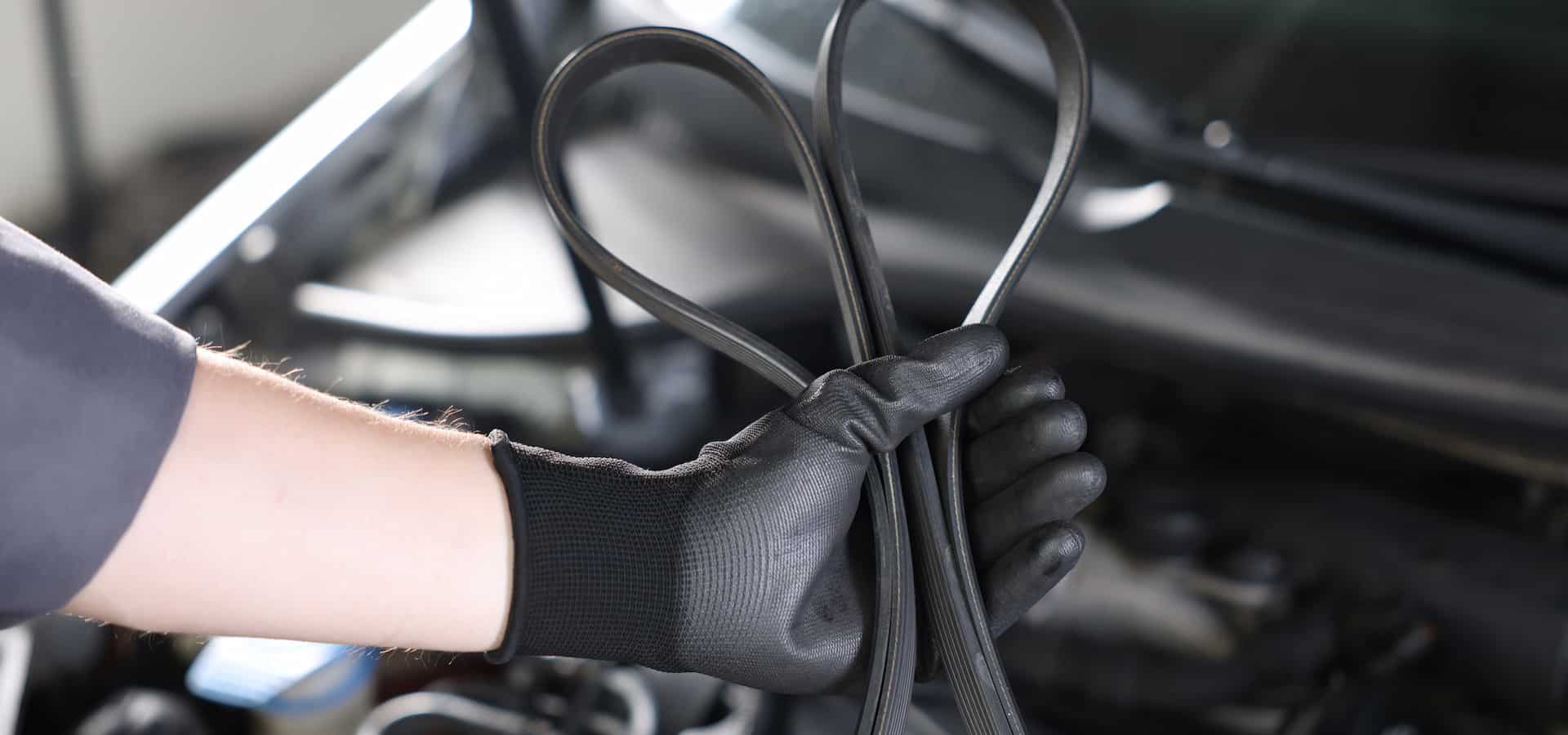
Kia Cambelt Timing Belt Replacement at Elevation Auto Repair
Kia builds a mix of belt-driven and chain-driven engines, and knowing which is which keeps you out of trouble. Many older Kia platforms still run a rubber timing belt that must come off at a set interval – and getting it wrong on an interference engine means bent valves and a damaged head.
A timing belt job on a Kia is more than swapping a strip of rubber. On the Sedona and Sorento V6 engines, the belt drives the water pump, so replacing tensioners, idlers, and the pump together is the only sensible approach. Cam and crank timing must be set to factory marks, and the crankshaft pulley bolt carries a specific torque plus a torque-angle spec that a generic shop often skips.
We follow Kia's published procedure, verify cam timing before final assembly, and use quality OEM-grade kits rather than mismatched parts. That protects the valvetrain on interference designs and keeps the accessory drive quiet.
- Complete kit replacement – belt, tensioner, idlers, and water pump where belt-driven
- Cam and crank timing verified to factory marks before startup
- Correct crank bolt torque plus torque-angle sequence
- Honest inspection of seals and accessory components while access is open
Symptoms – How to Know You Need This Service
Timing belts rarely give loud warnings before they fail, which is why interval matters more than symptoms. Still, you may notice signs that the belt or its drive components are wearing.
- A high-pitched squeal or chirp from the front of the engine, often worse when cold
- A rhythmic ticking or slapping sound that speeds up with RPM
- Rough idle or a slight misfire if the belt has jumped a tooth
- Difficulty starting or a cranking-but-no-start condition
- Coolant seepage near the timing cover, pointing to a failing belt-driven water pump
- Visible cracks, glazing, or missing teeth if you can see the belt
- Check engine light with camshaft or crankshaft position correlation codes
Stop driving immediately if the engine suddenly won't start, runs very rough, or you hear a loud snap followed by stalling – on an interference engine, continued cranking can cause valve damage. Schedule soon if you hear squealing, see coolant seepage, or you're simply overdue on mileage.
Common Cambelt Timing Belt Replacement Issues on Kia Vehicles
Not every Kia uses a rubber timing belt, and knowing which platform you're driving changes the entire service plan. The older belt-driven engines demand strict mileage intervals, while many newer Kias moved to timing chains that bring their own wear patterns. Here's what we see most often across Denver Kia owners.
- 1.6L and 2.0L Gamma/Nu belt-driven engines (early Rio, Soul, Forte): These use a rubber cambelt that dries out and cracks with Colorado's dry climate and altitude swings. Neglected belts fray at the tooth base long before an obvious symptom appears.
- 2.4L Theta II (Optima, Sorento, Sportage): Chain-driven, but the timing chain tensioner and guides wear, producing a cold-start rattle that many owners mistake for a belt issue. The plastic guides embrittle over time.
- 3.3L and 3.5L Lambda V6 (Sorento, Cadenza): Chain systems where the water pump and tensioner service overlap – ignoring the pump often forces a repeat teardown.
- Interference engine design: Most Kia four-cylinders are interference engines, so a snapped belt drives pistons into open valves. There is no coasting to safety.
- Water pump wear on belt-driven models: The pump is frequently driven by the same belt, so a seeping pump contaminates the belt and accelerates failure.
- Idler and tensioner pulley bearing noise: A whirring or chirping from the front cover on higher-mileage belt engines signals bearing breakdown that can throw belt timing.
Which Kia Models We See for Cambelt Timing Belt Replacement
Belt-driven Kia engines are concentrated in older and mid-generation models. Use this list to spot your car, and check your specific engine – some later engines switched to a maintenance-free chain.
- Sedona (2002-2012) – 3.5L and 3.8L Lambda V6; belt drives the water pump, full kit recommended
- Sorento (2003-2009, BL chassis) – 3.5L V6 belt-driven applications
- Optima (2001-2006) – 2.5L/2.7L V6 belt setups
- Sportage (2005-2010, KM) – 2.7L V6 belt-driven variants
- Rondo (2007-2010) – 2.7L V6 belt applications
- Amanti (2004-2009) – 3.5L/3.8L V6
- Rio and older Spectra – early four-cylinder belt-driven engines
Where the work differs: V6 models with a belt-driven water pump justify replacing the pump with the belt, while four-cylinder belt setups may not. Many newer Kia four-cylinders – the Gamma, Nu, and Theta families – use a timing chain and don't need this service, so we'll confirm your engine before quoting anything.
If your Kia turns out to be chain-driven, we'll tell you straight and point you toward the maintenance it actually needs. No unnecessary repairs, just the right work for your car.
Causes & Risks – What Happens if Ignored
Kia belt and chain wear usually traces back to age, heat cycling, and skipped intervals rather than abuse. Denver's altitude, temperature swings, and dry air harden rubber belts faster than manufacturers assume in coastal climates. Stop-and-go commuting and short trips also keep tensioners working overtime.
Waiting rarely saves money. A worn belt or chain guide that costs a straightforward replacement today can turn into a valve-and-piston rebuild once it lets go.
- Ignoring a cracked cambelt on a belt-driven Gamma or Nu engine typically ends in a snapped belt – and because these are interference designs, that means bent valves and possible piston damage.
- Letting a Theta II chain rattle continue lets the plastic guides shed material into the oil, which starves the tensioner and stretches the chain further.
- A seeping water pump left unaddressed contaminates the belt with coolant, softening it and cutting its life dramatically.
- Worn idler or tensioner bearings that seize can throw the belt entirely, shutting the engine down without warning at speed.
- Delayed service turns a scheduled belt job into a cylinder-head repair, plus towing and extended downtime.
The safety line is simple: any belt-driven Kia past its interval, or any engine with a growing top-end noise, should be inspected before the next long trip.
Safety Impact – Why Cambelt Timing Belt Replacement Matters
A timing belt or chain failure doesn't just strand you – it can shut the engine down mid-maneuver, killing power steering assist and vacuum brake boost while you're still in traffic.
- Sudden power loss: A snapped belt stalls the engine instantly, leaving heavier steering and a firmer brake pedal.
- Highway risk: Losing propulsion during a merge or on I-70 grades puts you and surrounding drivers at real risk.
- Cascading electrical dropout: With the engine dead, stability control, ABS support, and traction systems lose their normal operating state.
Stop driving now if you notice:
- Loud rattling or grinding from the front of the engine
- Rough running with a new check-engine light and misfire feel
- Coolant leaking near the timing cover on a belt-driven model
Schedule soon if you notice: a faint chirp at idle, a belt past its recommended interval, or a cold-start tick that fades as the engine warms. On engines with a documented interval, a failure after the deadline can complicate warranty and insurance conversations, so keeping records of the service matters.
How Kia Cambelt Timing Belt Replacement Actually Works
The timing belt or chain keeps the crankshaft and camshafts spinning in exact sync so valves open and close at the right moment relative to the pistons. On Kia's interference engines, that synchronization is the only thing keeping valves and pistons from colliding. Get the timing marks off by even a tooth and the engine runs rough or won't start.
Kia's implementation adds steps a generic replacement skips. Many jobs require setting crank and cam alignment to factory marks, replacing tensioner and idler hardware as a set, and following torque-angle sequences on the cam and crank bolts. Newer chain-driven models often need software checks after related work.
- Timing marks and alignment: Kia specifies exact crank/cam positions verified against factory reference points before final assembly.
- Torque-to-yield fasteners: Crank and cam bolts follow specific torque-plus-angle specs, not just a single value.
- Bundled components: We replace the tensioner, idlers, and often the water pump together to avoid a repeat teardown.
- OEM-aligned procedure: Following Kia service data and using proper cam-locking tools keeps the timing dead-on.
That precision is why
Kia's engine lineup mixes belt-driven and chain-driven designs, so knowing your exact platform matters before anyone touches the front cover. The Sedona's 3.5L Lambda V6, older 2.7L Delta V6, and several diesel variants run interference timing belts, while many modern Theta and Gamma four-cylinders moved to timing chains. Get the ID wrong and you either replace a belt that doesn't exist or miss one that's overdue.
How We Diagnose Cambelt Timing Belt Replacement Issues on Kia
Belt-driven Kia engines are interference designs, meaning a snapped belt bends valves. Our diagnosis confirms the belt type and its condition before failure catches you off guard.
- Verify the platform – We decode the VIN to confirm whether your Kia runs a belt (Lambda 3.5L, Delta 2.7L, CRDi diesels) or a chain, since service paths differ completely.
- Scan with Kia-appropriate tooling – A KDS-capable scanner pulls camshaft/crankshaft correlation codes (P0016–P0019 family) that flag timing drift and rule out sensor faults masquerading as belt problems.
- Inspect the belt and tensioner – With the upper cover off, we check for glazing, cracked ribs, oil contamination from a leaking cam or crank seal, and play in the hydraulic tensioner and idler pulleys.
- Measure and listen – We check tensioner deflection to spec and listen for the rattle or whine that points to a failing tensioner bearing or water pump.
- Road test – Cold-start behavior, idle stability, and light throttle response reveal timing-related symptoms that live data confirms.
Those findings become a written plan and a clear quote – you'll know exactly which parts are due and why before we start.
Cambelt Timing Belt Replacement on Kia: Repair vs. Replacement
Not every timing complaint means a full teardown, but on interference engines we don't gamble with a marginal belt.
- Genuine minor repair – A fresh belt with low mileage but a weeping cam seal may only need the seal replaced and contamination cleaned, provided the belt is undamaged.
- Partial replacement – If the belt is sound but a single idler pulley is noisy, targeted pulley replacement can restore quiet running without disturbing timing marks unnecessarily.
- Full kit replacement – When mileage nears Kia's interval, or when the belt, tensioner, and water pump show combined wear, we replace the complete kit. On the Sedona 3.5L Lambda, the water pump sits behind the belt, so replacing it during the same job avoids paying twice for the same labor.
We lay out each option, what it costs relative to a complete kit, and the risk of stopping short – then you decide. Given interference geometry, we're honest about when a full kit is the smarter long-term call rather than defaulting to the priciest fix.
How to Make Your Kia Cambelt Timing Belt Replacement Last Longer
A fresh belt kit lasts if the surrounding conditions stay clean and the intervals get respected.
Driving and climate habits
- Let the engine warm briefly before hard acceleration, especially in Denver's cold mornings, so oil and tensioner pressure stabilize.
- Avoid sustained heavy loads and towing beyond your Kia's rating, which stresses the belt and water pump.
- Address coolant temperature spikes quickly – heat accelerates rubber aging on the belt.
Owner maintenance you can do
- Listen for new whines, ticking, or rattles at idle and report changes early.
- Watch for oil or coolant seepage near the timing cover, which contaminates the belt.
- Keep an eye on the check engine light and coolant level between services.
Brand-specific care
- Use OEM or OE-equivalent belt kits and fix leaking cam/crank seals with genuine parts – aftermarket belts on interference engines aren't worth the risk.
- Follow Kia's published replacement interval for your engine rather than pushing it.
- Keep engine control software current, since updates can refine timing and idle strategy.
Visual checks and fluid monitoring are safe DIY. Belt tension, seal replacement, and anything behind the timing cover belong in the shop, where marks and torque specs are set correctly.
Kia's engine lineup splits into two very different worlds when it comes to timing components, and knowing which one you own drives the entire job. The older Theta II 2.4L and some four-cylinder applications ran timing chains, while a number of Kia engines – including the earlier Rio, Sportage, and Sedona builds with the 1.6L and 2.7L V6 – used rubber timing belts on a fixed replacement interval. Get the platform ID wrong and you either skip a critical service or replace parts that don't exist.
What to Expect When You Bring Your Kia In
We keep the process straightforward so you always know where your Kia stands.
- Drop-off and appointment – Book ahead and let us know your VIN so we confirm whether your engine uses a belt or chain before you arrive. Loaner and shuttle options are available for Denver-area customers.
- Initial inspection – We verify belt condition, tensioner and idler pulley play, and inspect the water pump and front crank/cam seals for weeping, since those get replaced together on interference engines.
- Written estimate – You get a clear breakdown of belt kit, tensioner, water pump, and seals before any work starts – no surprise add-ons.
- Communication during the job – We call or text if we find worn accessory belts, a leaking pump, or seal seepage that's smarter to handle while the front cover is open.
- Pickup walkthrough – We show you the old parts and explain what was replaced.
Leave personal items in the cabin if you like – we note them at check-in. After-hours pickup can be arranged. Before your Kia leaves, we run a road test and scan-tool re-check to confirm timing marks are correct and no codes are stored. If anything feels off afterward, bring it straight back and we'll recheck it.
Why Choose Elevation Auto Repair for Kia Cambelt Timing Belt Replacement
Timing work leaves no margin for error on interference engines. A tooth off on reassembly means bent valves, so we set every job to Kia's marks and torque specs rather than eyeballing it.
- Platform-correct diagnosis – We confirm belt-versus-chain by VIN and check for any Kia TSBs or software updates that affect your specific build.
- Complete kit replacement – Belt, tensioner, idlers, and water pump go in together, since a failed pump bearing takes out a fresh belt.
- OEM-aligned procedure – Correct tensioner setting, seal replacement, and re-torque steps followed to factory spec.
- End-to-end ownership – Same shop diagnoses, repairs, and verifies the work with a scan-tool re-check and road test.
You get one Denver shop handling everything from the timing job to the seals, cooling, and accessory drive around it – with honest recommendations and clear communication throughout. We'd rather earn repeat visits than sell you parts you don't need.
Our Kia Services
- Air Conditioning AC Repair
- Battery Repair Replacement
- Brake Repair & Brake Fluid Change
- Check Engine Light Diagnostics
- Clutch Repair & Replacement
- Coolant Leak Repair
- Cooling System Repair
- Drive Shaft Repair
- Engine Repair
- Exhaust & Catalytic Converter Repair
- Head Gasket Repair & Replacement
- Oil Change
- Oil Leak Repair
- Scheduled Service Maintenance
- Steering Repair
- Suspension Repair
- Transmission Repair
- Tune Up
- Wheel Alignment