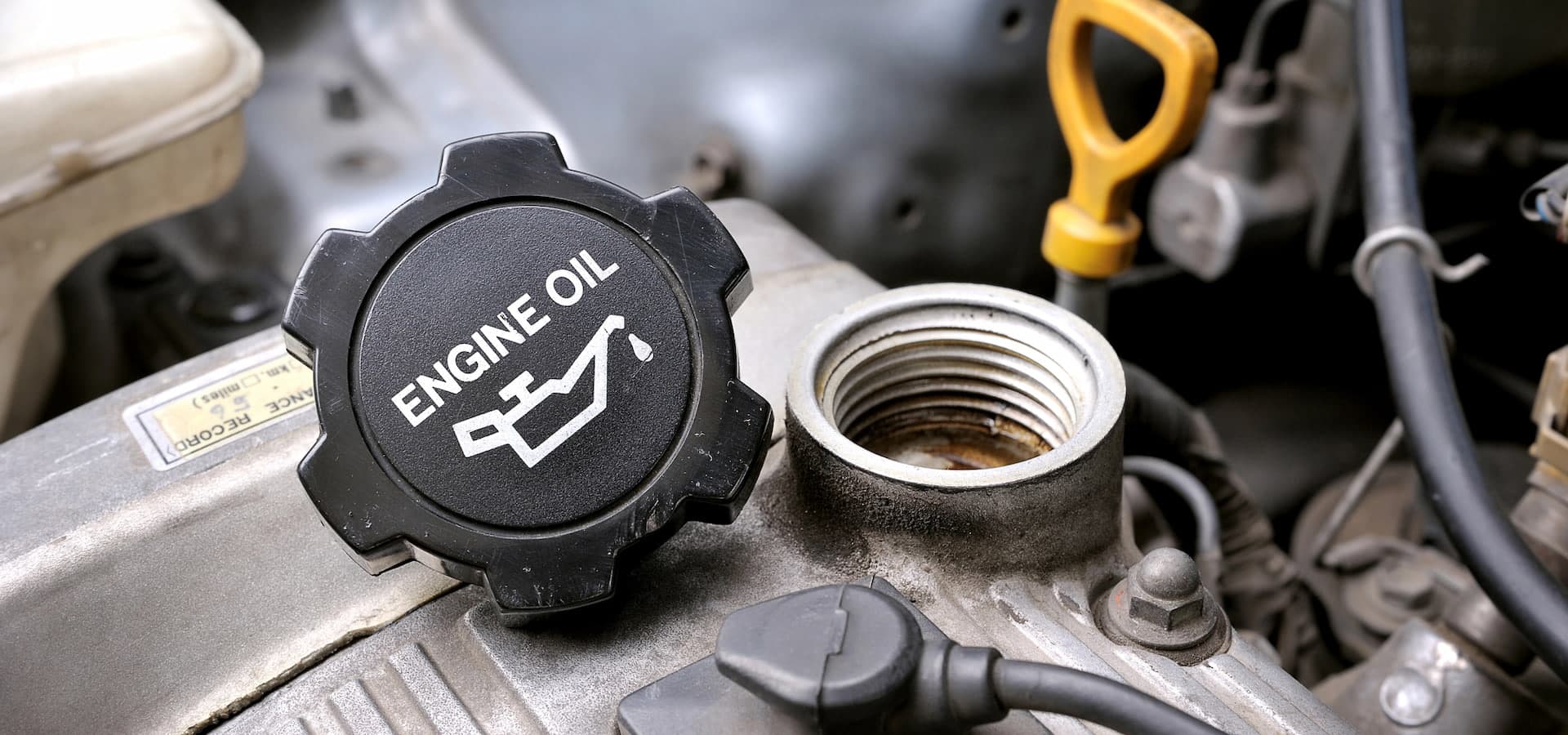
Ford Oil Change at Elevation Auto Repair
A Denver commuter rolled in with a 2018 F-150 3.5L EcoBoost, wrench light glowing, convinced the turbos were done. The real story was simpler – overdue oil that had thinned out and starved the timing chain phasers. A same-day service and the truck was back on the road.
An oil change sounds routine, but Ford's modern engines are picky about what goes in and how it's handled. Doing it right protects the parts most likely to fail when maintenance slips.
- Correct spec matters – many Ford EcoBoost and Coyote engines call for specific viscosities like 5W-30 or 5W-20 meeting Ford's WSS-M2C946/961 standards, and the wrong oil accelerates timing chain and phaser wear.
- Oil life monitor reset – we clear the Intelligent Oil Life Monitor through the correct procedure so your dash reflects real service intervals.
- Genuine or OEM-equivalent Motorcraft filters and correct drain plug torque to avoid stripped aluminum pans.
- An honest look at leaks, seals, and cooler lines while your Ford is on the lift – no upsell, just what we find.
Symptoms – How to Know You Need This Service
Ford engines usually tell you when the oil is past its prime. You may notice one or several of these before the dash ever warns you.
- Oil life or wrench light – schedule soon; on EcoBoost trucks this often ties to timing chain rattle if ignored.
- Ticking or knocking at cold start – common on 5.0L Coyote and 3.5L EcoBoost when oil breaks down; have it looked at promptly.
- Dark, gritty oil on the dipstick – a clear sign the interval is stretched too far.
- Burning oil smell in the cabin or under the hood – points to oil hitting hot components; schedule soon.
- Sluggish throttle response or rougher idle – degraded oil affects variable cam timing on Ti-VCT engines.
- Low oil pressure warning – stop driving immediately and have the vehicle towed; running low pressure can destroy bearings.
- Visible drips on your driveway – get it inspected before your level drops dangerously.
When a light shows red rather than amber, treat it as a stop-now situation. Amber and maintenance reminders mean book an appointment rather than panic.
Common Oil Change Issues on Ford Vehicles
Ford's engine lineup spans naturally aspirated V8s, turbocharged EcoBoost fours and sixes, and PowerStroke diesels – each with its own oil quirks. Here's what we see most on Denver-area Fords:
- 2011-2016 F-150 3.5L EcoBoost timing chain stretch – neglected or extended intervals accelerate chain wear, throwing P0016/P0019 cam-crank correlation codes. Clean oil on schedule is the cheapest protection here.
- 2018+ 2.7L/3.0L EcoBoost oil dilution – short-trip and cold-climate driving lets fuel wash into the crankcase, thinning the oil and skewing the intelligent Oil Life Monitor. Denver winters make this worse.
- 2011-2019 5.0L Coyote V8 oil consumption – some engines burn oil between changes, so the correct 5W-20 (or 5W-30 in later trims) and level checks matter more than the sticker interval.
- 6.7L PowerStroke diesel – requires Motorcraft-spec 10W-30 diesel oil and a large-capacity FL-2062 filter; using the wrong viscosity or a generic filter risks turbo and injector wear.
- 2.0L/2.3L EcoBoost turbo coking – oil that stays in too long bakes onto turbo bearing surfaces, a common failure path on Focus ST, Fusion, and Ranger platforms.
- 3.5L/3.7L Cyclone V6 (Explorer, Taurus) – oil filter housing access and cartridge-style filters mean a rushed generic service often leaves the wrong torque or a missed O-ring.
Which Ford Models We See for Oil Change
We service the full range of modern and late-model Ford platforms Denver drivers depend on. Find your engine below.
- F-150 (P552, 2015–present) – 3.5L and 2.7L EcoBoost, 5.0L Coyote, and 3.3L Ti-VCT; EcoBoost turbo engines are especially sensitive to interval and viscosity.
- Super Duty F-250/F-350 – 6.7L Power Stroke diesel needs its high-capacity oil fill and diesel-rated filter handled correctly; 7.3L Godzilla gas V8 as well.
- Mustang (S550, 2015–2023 and S650) – 5.0L GT Coyote and 2.3L EcoBoost; GT350's flat-plane 5.2L Voodoo has its own oil requirements we account for.
- Explorer (U625, 2020–present) and Edge – 2.0L and 2.3L EcoBoost, 3.0L twin-turbo on ST.
- Escape, Bronco, and Bronco Sport – 1.5L and 2.0L EcoBoost three- and four-cylinders.
- Focus and Fiesta ST – earlier EcoBoost fours; the 1.6L is prone to coking when oil is neglected.
- Ranger (2019–present) – 2.3L EcoBoost.
Fully electric Mustang Mach-E and F-150 Lightning don't take engine oil, so those aren't oil-change candidates – though we handle their other maintenance. If you drive an older pre-2010 Ford, just ask and we'll confirm we have the right filter and spec on hand.
A Denver customer rolled in with a 2015 F-150 3.5L EcoBoost, the oil life monitor reading 5% and a faint ticking on cold start. He'd stretched his last interval to save a trip. What should have been a quick service turned into a conversation about timing chain wear – the kind of escalation we catch early when owners bring Fords in on schedule. Fast diagnosis and same-visit turnaround are how we keep small jobs small.
Causes & Risks – What Happens if Ignored
Most Ford oil problems trace back to driving patterns and climate. Denver's altitude, temperature swings, and heavy short-trip commuting all shorten effective oil life faster than the dash monitor sometimes suggests. Turbocharged EcoBoost engines run hotter and shear oil harder than the older V8s they replaced.
Stretching an interval rarely causes trouble the same week – the damage stacks up quietly until a part gives out.
- Ignored oil dilution on 2.7L/3.0L EcoBoost for several thousand extra miles thins protection and speeds up bearing and cam wear.
- Delayed changes on 3.5L EcoBoost let the timing chain guides wear, turning a routine service into a chain-and-guide job that pulls the front cover.
- Old, coked oil in any EcoBoost turbo starves the turbo bearing, leading to shaft play, smoke, and eventual turbo replacement.
- Running low on a 5.0L Coyote that consumes oil risks spun bearings and lifter tick if the level drops between changes.
- Wrong viscosity or filter on a 6.7L PowerStroke compromises high-pressure fuel and turbo components – some of the most expensive parts on the truck.
A simple oil-and-filter service protects against every one of these. Wait too long and you're comparing repair estimates instead of maintenance ones.
Safety Impact – Why Oil Change Matters
Clean oil does more than protect the engine – it keeps the systems that depend on engine reliability working when you need them. On modern Fords, a sudden engine problem can cascade into limp mode and disable driver-assist features that rely on stable engine data.
- Stop driving now: oil pressure warning light, loud knocking or ticking, blue exhaust smoke, or engine stalling in traffic.
- Schedule soon: oil life monitor at or near 0%, faint cold-start rattle, oil smell, or slightly low level on the dipstick.
When an EcoBoost enters limp mode from an oil-related fault, power steering assist and stability control behavior can change abruptly at highway speed – a real hazard in Denver traffic. A seized engine on I-25 puts you and other drivers at risk far beyond a shop bill. There's also a liability angle: if a known maintenance item was neglected and contributed to a collision, that documentation matters. Staying current on service keeps your service record clean and your Ford predictable.
How Ford Oil Change Actually Works
Ford's Intelligent Oil Life Monitor doesn't just count miles – it uses an algorithm tracking engine temperature, load, RPM, and driving conditions to estimate remaining oil life. That's why two identical F-150s can show different percentages. After every service, that monitor has to be reset correctly, and on many models the reset runs through the message center or requires OEM software.
What sets Ford service apart from a generic quick-lube:
- Correct viscosity by engine – 5W-20 on most modern gas engines, 5W-30 on select trucks, and 10W-30 diesel-spec on the PowerStroke.
- Motorcraft or equivalent filters sized to each platform, including cartridge-style housings on Cyclone V6 and PowerStroke applications.
- Proper drain plug and filter housing torque to protect alu
A Denver contractor rolled his F-150 into the bay recently, worried about a ticking sound after skipping a couple of oil changes during a busy season. That ticking – lifter noise from thinned, sludged oil – is exactly the kind of thing that gets worse quietly. We caught it early, flushed the system, and had him back on job sites the same day. Fast diagnosis is the difference between a routine service and a torn-down engine.
How We Diagnose Oil Change Issues on Ford
An oil change on a Ford is rarely just draining and refilling. We look at what the oil and the engine are telling us before we sign off.
- Connect a Ford-capable scan tool (IDS/FDRS-level access) to pull oil life monitor data, oil pressure PIDs, and any stored codes like P0521 or P06DD on EcoBoost and Coyote engines.
- Check for the intelligent oil-life reset status and confirm the correct maintenance interval for the specific engine and driving profile.
- Drain and inspect the old oil – metal flake, fuel dilution (a known concern on 2.7L and 3.5L EcoBoost engines), and coolant traces all point to deeper issues.
- Visually inspect the filter housing, oil pan gasket, and rear main area for leaks common on 5.4L Triton and 3.5L EcoBoost platforms.
- Verify oil pressure at idle and off-idle against Ford's spec, then confirm no low-pressure warning during a short road test.
The scan data shows the electronic picture; the hands-on checks confirm what the sensors can miss. From there we build a clear repair plan and an itemized quote so you know what needs attention now and what can wait.
Oil Change on Ford: Repair vs. Replacement
Not every oil-related finding means a big job. We match the fix to the actual condition of the part.
- Genuine repair: A fresh oil and filter service, resetting the oil life monitor, or replacing a leaking oil filter housing O-ring or drain plug gasket – the engine is healthy and just needs service.
- Partial replacement: Swapping a failed oil cooler line, a leaking pan gasket, or a worn valve cover gasket on a 5.4L Triton while leaving the sound components in place.
- Full replacement: When fuel dilution or sludge has scored bearings, or timing chain and phaser wear on early 3.5L EcoBoost and 5.4L 3V engines has cascaded, rebuilding or replacing the engine becomes the honest call.
Where repair cost approaches the value of a reman engine, we lay both paths out plainly. You get the reasoning and the numbers – never a push toward the priciest option just because it is on the menu.
How to Make Your Ford Oil Change Last Longer
Good habits keep clean oil doing its job between visits, especially on turbocharged EcoBoost engines that run hot.
- Let the engine warm briefly before hard acceleration – cold, thick oil protects turbos and bearings poorly.
- Avoid extended idling and heavy short-trip driving, which drives the fuel dilution EcoBoost engines are prone to.
- Follow the severe-duty interval if you tow, haul, or drive Denver's dusty, high-altitude routes regularly.
Owner-side maintenance you can safely handle:
- Check the dipstick monthly for level, color, and any fuel or coolant smell.
- Watch for oil pressure or check-engine lights and note new ticking or knocking sounds.
- Use the correct Ford-spec oil – 5W-20 or 5W-30 per your engine, meeting WSS-M2C spec – and a quality Motorcraft filter.
Keep the powertrain control software current, since Ford updates oil-life logic and injector strategy through calibration. Topping off and reading the dipstick are fine at home; oil pressure diagnosis, phaser work, and anything touching the timing system should come to the shop.
What to Expect When You Bring Your Ford In
A customer with a 2018 F-150 rolled in worried the oil life monitor was reading low too soon – turned out to be a firmware quirk on the 3.5L EcoBoost, not a leak. Every visit starts with listening, then verifying with the truck itself.
- Drop-off or appointment – Schedule ahead or leave the vehicle with us. Grab a shuttle ride or ask about loaner availability if you need to keep moving.
- Initial inspection – We pull the correct spec (5W-20 or 5W-30 depending on your engine – Coyote, EcoBoost, Duratec, or Power Stroke diesel) and check for seep at the oil pan gasket, filter housing, and rear main.
- Written estimate – You approve the filter, oil grade, and any flagged items before we touch a wrench. No surprises.
- Service and communication – We text or call with findings, including any pending TSBs or oil-life monitor resets your model needs.
- Pickup walkthrough – We show you the drain plug torque check, filter, and anything worth watching.
Leave personal items in the cab – we work around them. After-hours pickup is available when your schedule runs late. Before handoff we complete a short road test and scan-tool re-check to confirm the oil life monitor reset took and no codes lingered. If anything feels off afterward, bring it back and we make it right.
Why Choose Elevation Auto Repair for Ford Oil Change
An oil change on a modern Ford is more than draining and refilling. EcoBoost engines are sensitive to the right viscosity for turbo bearing protection, and the cartridge filter housings on 2.0L and 2.3L four-cylinders need proper O-ring seating to avoid leaks.
- Ford-specific knowledge – We track TSBs and software updates, including oil-consumption bulletins on early EcoBoost trucks and the IWE and cam phaser concerns that show up alongside neglected oil intervals.
- Correct fluids and torque – Power Stroke diesels take different capacities and specs than gas engines. We match Motorcraft-grade oil and torque the drain plug and filter cap to Ford values.
- End-to-end ownership – Same team that inspects your Ford handles the diagnosis, service, and post-repair verification.
As your Denver dealership alternative, we handle everything from a routine oil change to cam phaser and cooling repairs under one roof – so a quick service can flag a bigger issue before it becomes a breakdown. Clear communication, honest recommendations, and no unnecessary add-ons keep your Ford running for the long haul.
Our Ford Services
- Air Conditioning AC Repair
- Battery Repair Replacement
- Brake Repair & Brake Fluid Change
- Check Engine Light Diagnostics
- Clutch Repair & Replacement
- Coolant Leak Repair
- Cooling System Repair
- Drive Shaft Repair
- Engine Repair
- Exhaust & Catalytic Converter Repair
- Head Gasket Repair & Replacement
- Oil Leak Repair
- Scheduled Service Maintenance
- Steering Repair
- Suspension Repair
- Cambelt Timing Belt Replacement
- Transmission Repair
- Tune Up
- Wheel Alignment