
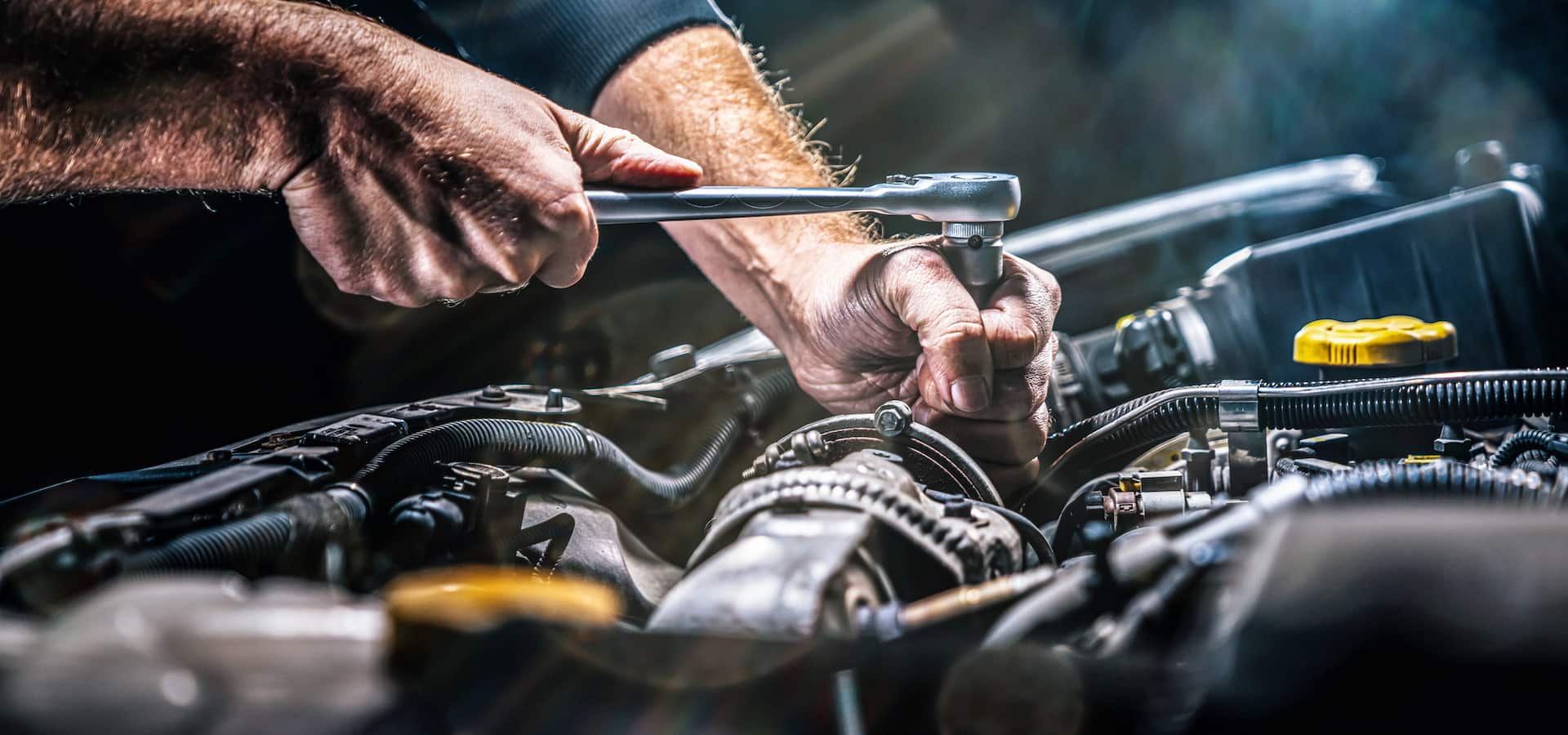
Toyota Head Gasket Repair & Replacement at Elevation Auto Repair
Most shops treat every head gasket job the same way, but Toyota engines punish that shortcut. The 3.0L 3VZ-E V6 in early 4Runners and pickups was infamous for gasket failure, and even the bulletproof 22R-E and 1MZ-FE have specific quirks around aluminum head warping and dowel pin alignment that a generalist misses.
Head gasket work seals the mating surface between the block and cylinder head, keeping coolant, oil, and combustion gases in their separate passages. On a Toyota, doing it right means measuring head flatness against factory limits, checking for coolant channel corrosion, and following torque-to-yield sequences that vary by engine family. Many Toyota heads use torque-angle procedures rather than a simple foot-pound value, and skipping that step leads to repeat failures.
We use factory-style torque procedures and pressure-test the cooling system before and after the repair to confirm the seal holds under real conditions.
- Cylinder head resurfacing and flatness inspection against Toyota specs
- OEM or OE-equivalent gaskets, not bargain multi-layer substitutes
- Coolant system pressure testing and combustion leak-down verification
- Clear findings on head condition before we reassemble anything
Symptoms – How to Know You Need This Service
Head gasket trouble rarely appears all at once. You may notice small warning signs weeks before an engine starts overheating.
- White, sweet-smelling exhaust smoke that lingers – a sign coolant is entering the combustion chamber
- Milky or frothy residue on the oil cap or dipstick, pointing to coolant-oil mixing
- Unexplained coolant loss with no visible external leak
- Bubbling in the radiator or overflow tank while the engine runs
- Persistent overheating, especially climbing Denver grades or in stop-and-go traffic
- Rough idle or a misfire that worsens as the engine warms up
- Check engine light with misfire or lean codes tied to a single cylinder
Stop driving immediately if the temperature gauge spikes into the red or steam pours from under the hood – continued driving warps aluminum heads fast. Milky oil, minor coolant loss, or intermittent rough idle mean you should schedule soon before the damage compounds into a cracked head or block.
Common Head Gasket Repair & Replacement Issues on Toyota Vehicles
Toyota engines are famously durable, but head gaskets still have distinct weak points depending on the platform. Knowing where each engine family tends to fail is what separates a targeted repair from a parts-swapping guessing game.
- 1990s–early 2000s 3.0L V6 (3VZ-FE and early 1MZ-FE): These V6s in the Camry, 4Runner, and early Highlander were known for head gasket seepage between cylinders and coolant passages, often showing up as slow coolant loss without a visible external leak.
- 22R/22R-E four-cylinder (pickups and 4Runner): High-mileage 22R engines commonly develop head gasket failure at the front of the block, frequently tied to years of marginal cooling system maintenance.
- 2AZ-FE 2.4L (2002–2009 Camry, RAV4, Solara, Scion tC): This engine is better known for oil consumption, but combined heat cycling and warped cylinder heads can compromise the gasket, especially after an overheat event.
- 1GR-FE / 2GR-FE V6 (Tacoma, Tundra, 4Runner): Generally robust, but a single overheat episode – often from a failed water pump or radiator – can cook a head gasket and warp the aluminum head.
- Turbo 3.4L V6 twin-turbo (newer Tundra): Higher combustion pressure raises the stakes on gasket sealing and torque accuracy, making OEM procedure critical.
- Post-overheat aluminum head warping (all modern Toyota engines): Aluminum heads warp readily once temperatures spike, so a gasket failure is rarely just a gasket.
Which Toyota Models We See for Head Gasket Repair & Replacement
Head gasket repair spans decades of Toyota platforms. These are the models and engine families we work on most often.
- 4Runner & Pickup (1988-1995) – 3.0L 3VZ-E V6, the classic head gasket repeat offender
- Camry & Avalon (1994-2003) – 1MZ-FE 3.0L V6, prone to seepage and coolant loss with age
- Tacoma & T100 – 22R-E four-cylinder and 5VZ-FE V6, generally durable but sensitive to overheating events
- Sienna & Highlander (2001-2007) – 3.3L 3MZ-FE and 1MZ-FE V6 variants
- Corolla & Matrix – 1ZZ-FE and 2ZZ-GE four-cylinders, where overheating from coolant neglect drives failure
- Tundra & Sequoia – 4.7L 2UZ-FE V8, most gasket work follows an overheat rather than a design flaw
V6 platforms like the 1MZ-FE and 3MZ-FE take more labor because both banks and the timing components come apart, so the job differs noticeably from an inline-four. On dual-VVT-i and higher-mileage engines, we inspect timing components while we're in there.
We focus on gas-engine Toyota platforms. Hybrid-specific and the newest turbocharged models we evaluate case by case – ask us and we'll tell you honestly whether it's in our wheelhouse.
Causes & Risks – What Happens if Ignored
Most Toyota head gasket failures trace back to heat and time. Denver's altitude and temperature swings push cooling systems harder, and aging radiators, water pumps, and thermostats let coolant temperatures climb before the driver notices.
The gasket itself often fails after a triggering event – a stuck thermostat, a slow coolant leak, or a clogged radiator that let the engine overheat even once.
- A small combustion-to-coolant leak lets exhaust gas pressurize the cooling system, pushing coolant out and accelerating overheating.
- Ignoring white exhaust smoke and disappearing coolant for weeks typically leads to a warped or cracked aluminum head – turning a gasket job into a head machining or replacement.
- Coolant entering the oil creates a milky sludge that starves bearings and can destroy the crankshaft and camshafts.
- Repeated overheating can crack the block itself, which often means the engine is no longer economically repairable.
- Continued driving on an air-locked cooling system risks sudden steam and total loss of power on the road.
What starts as a slow coolant leak on a 1MZ-FE or 2AZ-FE can escalate into a full engine replacement if left alone. We focus on catching it at the gasket stage and getting you back on the road before secondary damage sets in.
Safety Impact – Why Head Gasket Repair & Replacement Matters
A failing head gasket is not just an engine problem – it directly affects how safely the vehicle drives. Sudden overheating can trigger limp mode, steam clouds that block visibility, or a stalled engine in traffic.
When the engine loses power unexpectedly, you also lose the full assist behind power steering and vacuum-assisted braking, and stability and traction control systems can behave erratically as sensors report abnormal conditions.
Stop driving now if you notice:
- Temperature gauge climbing into the red or a coolant warning light
- Steam or sweet-smelling vapor from under the hood
- Milky, tan oil on the dipstick
- Sudden loss of power, rough idle, or stalling
Schedule soon if you notice:
- Slow, unexplained coolant loss with no visible puddle
- Occasional white exhaust smoke on startup
- Bubbles in the coolant reservoir
Driving on a known overheating condition also creates a liability concern if a breakdown contributes to an accident. Addressing it promptly keeps you and everyone around you safer.
How Toyota Head Gasket Repair & Replacement Actually Works
The head gasket seals the joint between the cylinder head and engine block, keeping combustion pressure, coolant, and oil in their separate passages. On Toyota's aluminum-head engines, that seal depends on precise clamping force and a perfectly flat mating surface – which is why a proper repair is far more than dropping in a new gasket.
Once the head is removed, we check it for warpage against factory flatness limits, resurface or replace it as needed, and reassemble using OEM-spec components and torque sequences.
- Head bolt torque sequence: Many Toyota engines use torque-to-yield bolts that must be tightened in a specific staged pattern and often replaced rather than reused.
- Timing components: Chain-driven engines like the 2GR-FE require correct re-timing, while older belt engines get a fresh timing belt and tensioner during the job.
- Cooling system verification: We pressure-test and bleed the system per Toyota procedure to eliminate air pockets that cause repeat overheating.
- Genuine gaskets and fluids: OEM multi-layer steel gaskets and the correct Toyota Super Long Life Coolant protect the repair
How We Diagnose Head Gasket Repair & Replacement Issues on Toyota
Toyota head gasket failures rarely announce themselves the way people expect. The 3.0L 3VZ-FE in early-'90s Camry and Pickup, and the 3.4L 5VZ-FE in 1995-2004 Tacoma, 4Runner and Tundra, are known for weeping coolant externally between cylinders long before overheating. Chasing that takes a real sequence, not a guess.
- Full scan with Techstream: we pull freeze-frame data and misfire counters, watch fuel trims, and log coolant temperature behavior to catch combustion gases pushing into the cooling system.
- Block test (chemical combustion check): testing coolant for hydrocarbons confirms whether exhaust is entering the jacket – the definitive sign of a breached gasket.
- Cooling system pressure test: holds pressure to expose external seepage along the head-to-block mating surface, common on the 5VZ-FE.
- Cylinder leak-down and compression: pinpoints which cylinder is losing seal and whether it's cross-leaking to a neighbor or a water passage.
- Visual and road test: we inspect for milky oil, white exhaust vapor, coolant loss without leaks, and check surface flatness with a straightedge once accessible.
Each result gets written down and shared with you. From there we build a clear repair plan and quote so you know exactly what's failing, what's still healthy, and what the work involves before anything comes apart.
Head Gasket Repair & Replacement on Toyota: Repair vs. Replacement
Not every Toyota head gasket job means tearing the engine down to the block. The right call depends on what the diagnostics show.
- Genuine repair territory: a slow external weep caught early on a 5VZ-FE, where the head still measures flat and the block shows no erosion – resurfacing the head, new OEM multi-layer steel gasket, and fresh hardware restore the seal.
- Partial replacement: when one head is compromised but the opposite bank and the bottom end are sound, we service the affected side, replace worn timing components exposed during teardown, and reuse serviceable parts.
- Full replacement or engine work: when overheating has warped the head beyond machining limits, scored cylinders, or damaged bearings, patching the gasket alone won't hold. On high-mileage 3VZ-FE engines, cascading damage sometimes makes a rebuilt or replacement engine the smarter long-term value.
We lay out every path with the trade-offs in plain language, then let you decide. Our job is honest diagnostics and no unnecessary repairs – not steering you toward the biggest ticket.
How to Make Your Toyota Head Gasket Repair & Replacement Last Longer
A properly done head gasket job on a Toyota should outlast the rest of the engine when the cooling system is respected afterward.
Driving habits that protect the repair
- Let the engine reach operating temperature before hard acceleration, especially in Denver's cold mornings and thinner air.
- Avoid towing at the edge of capacity on hot climbs where coolant temps spike.
- Back off and pull over immediately if the temperature gauge climbs – heat is what kills a fresh gasket.
Owner maintenance you can safely do
- Check coolant level at the reservoir when cold and watch for any unexplained drop.
- Glance at the oil cap for milky residue and listen for new rough idle or misfires.
- Take any check engine light seriously and note when the cooling fans cycle.
Brand-specific care that matters
- Use Toyota Super Long Life Coolant (pink SLLC) – mixing incompatible coolant types accelerates corrosion at the gasket surface.
- Stick to OEM or equivalent multi-layer steel gaskets and thermostats; cheap parts fail early.
- Keep to Toyota's coolant and service intervals rather than stretching them.
Leave pressure testing, thermostat replacement, and any teardown to the shop – those are easy to get wrong and expensive to redo. Visual checks and fluid monitoring are where your attention pays off.
What to Expect When You Bring Your Toyota In
Head gasket trouble on a Toyota rarely announces itself the way people expect. On the 3.0L 3VZ-E (early '90s trucks and 4Runners) and certain 2.2L 5S-FE Camrys, the gasket weeps combustion gases into the coolant long before you see white smoke – which is exactly the failure mode a quick visual misses. We start by confirming what's actually happening.
- Drop-off or appointment – Tell us the symptoms you've noticed: overheating, coolant loss with no visible leak, milky oil, or a rough cold start.
- Initial inspection – We run a combustion leak (block) test, cooling system pressure test, and cylinder leak-down to separate a true head gasket failure from a cracked head or radiator issue.
- Written estimate – You get a clear breakdown of parts and labor, including machine-shop head resurfacing if warranted, before any work begins.
- During the work – We text or call with updates and photos, and we call again before adding anything unexpected.
- Pickup walkthrough – We show you the old gasket, explain what we found, and go over torque and refill specs used.
Shuttle service and loaner arrangements are available, and after-hours pickup can be set up. Leave the vehicle as-is – we bag personal items and note them. Before you drive off, every job gets a road test and a scan-tool re-check for pending codes and stable coolant temps. If anything feels off afterward, bring it back and we'll re-inspect.
Why Choose Elevation Auto Repair for Toyota Head Gasket Repair & Replacement
Head gasket work on a Toyota is unforgiving of shortcuts. Reused head bolts, a warped deck that wasn't checked for flatness, or skipping the correct torque-to-yield sequence all lead to a repeat failure. We do it once, correctly.
- Platform-specific knowledge – We know the quirks of the 3VZ-E V6, the 1MZ-FE and 3MZ-FE V6s prone to coolant seepage, and the reliable-but-not-immortal 2.2L and 2.4L four-cylinders.
- Proper measurement and machining – Heads are checked for flatness and sent for resurfacing when they're out of spec, so the new multi-layer steel gasket seats correctly.
- OEM procedures – We follow Toyota's torque specs and sequence, use factory-grade gaskets, and review applicable TSBs and any related software updates for the model year.
You get one shop handling diagnosis, the repair, and post-repair verification – no handing off the job or guessing. That end-to-end ownership is how we catch a marginal water pump or thermostat before it takes out your fresh gasket. Denver drivers get dealership-level Toyota expertise with straight answers and no unnecessary add-ons.
Our Toyota Services
- Air Conditioning AC Repair
- Battery Repair Replacement
- Brake Repair & Brake Fluid Change
- Check Engine Light Diagnostics
- Clutch Repair & Replacement
- Coolant Leak Repair
- Cooling System Repair
- Drive Shaft Repair
- Engine Repair
- Exhaust & Catalytic Converter Repair
- Oil Change
- Oil Leak Repair
- Scheduled Service Maintenance
- Steering Repair
- Suspension Repair
- Cambelt Timing Belt Replacement
- Transmission Repair
- Tune Up
- Wheel Alignment