
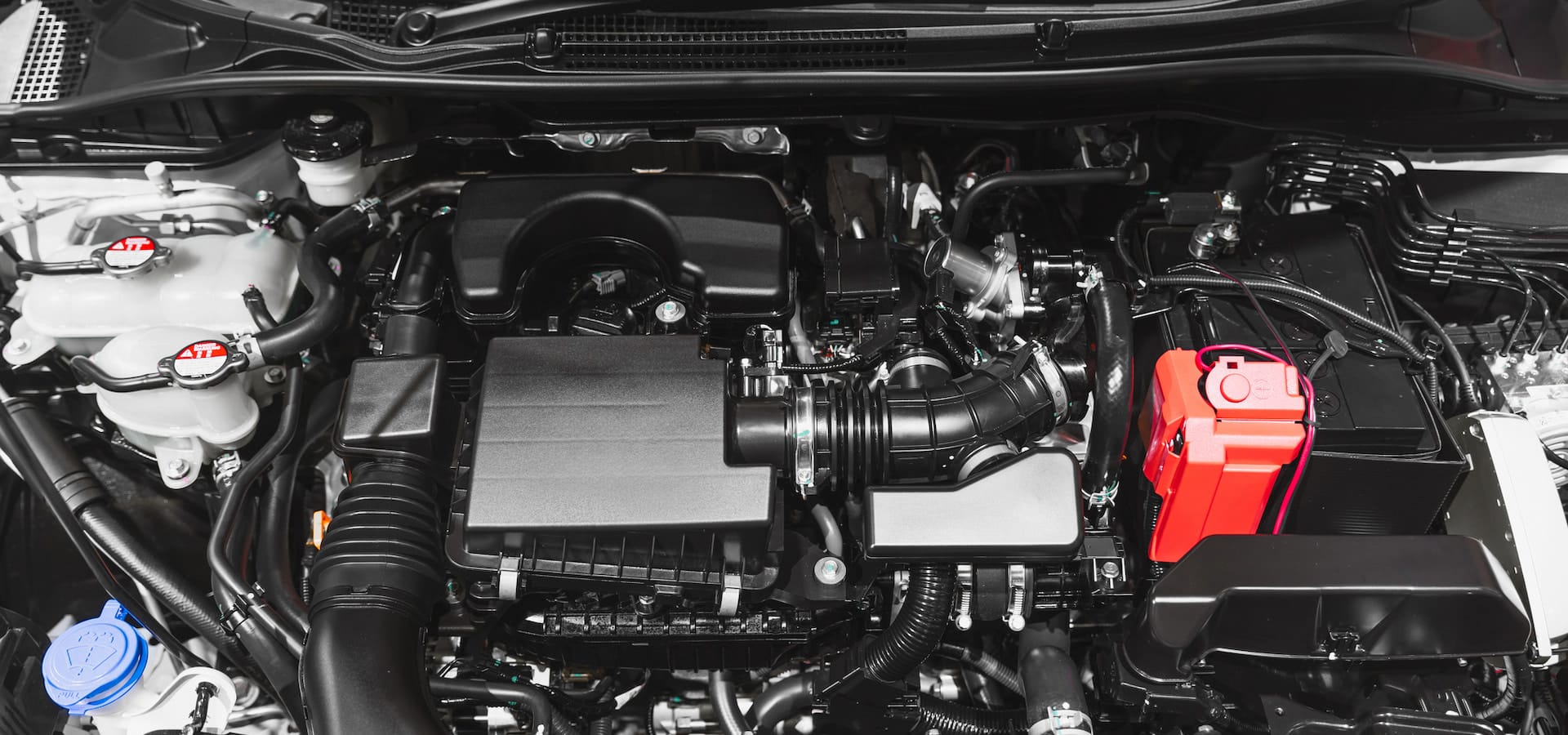
Toyota Engine Repair at Elevation Auto Repair
Your Toyota earned its reputation by running past 200,000 miles, so when it starts ticking, knocking, or throwing a check engine light, it feels like a betrayal. The good news: most Toyota engine problems are well-documented and very fixable when the shop knows the platform.
Engine repair covers everything from head gasket and timing component work to valve cover reseals, VVT-i solenoid replacement, and full rebuilds. Doing it right on a Toyota is different from a generic shop. The 2AZ-FE four-cylinders in early-to-mid 2000s Camry and RAV4 are known for stripping head bolt threads and burning oil through worn piston rings, while the 2GR-FE V6 develops the notorious oil line and valve cover leaks. Getting these right means Techstream diagnostics, correct VVT-i timing verification, and OEM torque-to-yield fastener specs rather than guesswork.
We treat every engine repair with an eye toward preserving your warranty coverage and long-term resale value – proper documentation and OEM-grade parts matter when you sell.
- Honest diagnostics using factory Techstream software, not parts-swapping guesses
- OEM or equivalent gaskets, seals, and timing components torqued to Toyota spec
- Clear explanation of what needs fixing now versus what can wait
- Repairs documented to protect resale value and any remaining coverage
Symptoms – How to Know You Need This Service
Toyota engines usually warn you before they fail outright. Here's what drivers tend to notice:
- Burning oil smell or low oil between changes – common on 2AZ-FE engines with worn rings; schedule soon before it starts running dry.
- Rattling on cold start that quiets after a few seconds – often VVT-i actuator or timing chain tensioner wear.
- Coolant loss with white exhaust smoke or a sweet smell – possible head gasket failure; have it checked before overheating.
- Ticking or tapping that grows with RPM – valvetrain, lifter, or oil delivery issues.
- Check engine light with misfire or VVT codes (P0011, P0301) – bring it in for a scan.
- Rough idle or hesitation under acceleration – can point to carbon, injectors, or timing.
- Visible oil under the car from valve covers, cam towers, or the 2GR-FE oil line.
Stop driving immediately if the temperature gauge climbs into the red, oil pressure warning stays lit, or you hear a deep knocking from the block. Continuing risks turning a repair into a replacement.
Common Engine Repair Issues on Toyota Vehicles
You turn the key, hear a rattle at cold start, and wonder if it's normal. On many Toyotas, that sound and a handful of others point to well-documented wear patterns our technicians see week after week. Here's where Toyota engines tend to need attention:
- Oil consumption on 2AZ-FE engines (2007-2011 Camry, RAV4, Scion tC): Piston ring and oil control ring design allows excessive oil burn. Owners often top off between changes without a visible leak – a classic sign of this platform quirk.
- Carbon buildup on 2GR-FKS and direct-injected 2.5L Dynamic Force engines: Direct injection skips the intake valves, so carbon accumulates on valve stems, causing rough idle, misfires, and reduced power on newer Camry, Highlander, and Tacoma models.
- VVT-i oil line failures (early 2GR-FE V6, 2005-2010 Avalon, Sienna, RAV4): The original rubber-jacketed VVT-i supply line can rupture, dumping oil fast. Toyota issued a redesigned all-metal line for this reason.
- Head gasket weeping on 3.4L 5VZ-FE (1995-2004 Tacoma, 4Runner, Tundra): Age and heat cycling let coolant seep, often first spotted as sweet-smelling residue near the block.
- Timing cover and rear main seal leaks on high-mileage 1GR-FE (4Runner, FJ Cruiser, Tundra): Hardened seals leave oil spots and low levels over time.
- Water pump wear on 2.5L and 3.5L platforms: Weep-hole seepage and bearing noise show up as the pump ages, often alongside timing service intervals.
Which Toyota Models We See for Engine Repair
We work on the Toyota engine families that show up most often in Denver driveways. Find yours below:
- Camry (XV30/XV40/XV50) – 2.4L 2AZ-FE oil consumption and stripped head bolts; 3.5L 2GR-FE oil line and valve cover leaks.
- RAV4 (XA30/XA40) – 2AZ-FE ring wear and 2AR-FE cam/timing service.
- Corolla (E140/E170) – 1ZZ-FE and 2ZR-FE timing chain, VVT-i, and oil burning concerns.
- Tacoma & 4Runner – 1GR-FE V6 timing and valve cover work; earlier 3.4L 5VZ-FE head gaskets.
- Tundra & Sequoia – 5.7L 3UR-FE and earlier 4.7L 2UZ-FE cam tower and timing coverage.
- Highlander & Sienna – 2GR-FE V6 oil leaks and cooling-related engine issues.
- Prius (2004–2015) – hybrid 1NZ-FXE and 2ZR-FXE head gasket and EGR-related concerns.
Hybrid variants differ noticeably – the Atkinson-cycle engines and hybrid cooling loops need a shop comfortable with the high-voltage system before opening things up, and we handle that safely.
If you have a very early or heavily modified engine we don't commonly see, we'll tell you honestly rather than take on work outside our strength. Reach out and we'll point you the right direction either way.
Causes & Risks – What Happens if Ignored
Denver's altitude, temperature swings, and dry air push Toyota engines harder than milder climates. Cold winter starts thicken oil, summer heat stresses cooling components, and the design quirks above accelerate under those conditions. Miles and deferred maintenance do the rest.
Small symptoms rarely stay small. A quart of oil burned every thousand miles on a 2AZ-FE can starve bearings if you skip a top-off. A weeping VVT-i line can go from a drip to a full rupture on the highway.
- Low oil ignored: Spun rod bearings and scored cylinder walls – turning a ring repair into a full rebuild.
- Coolant seepage left alone: A minor head gasket weep progresses to overheating, warped heads, and cracked blocks.
- Carbon buildup untreated: Persistent misfires foul plugs, damage catalytic converters, and trigger check engine lights.
- Water pump noise dismissed: Bearing failure can strand you and, on interference layouts, risk valve contact.
- Delayed timing service: Guide and tensioner wear leads to chain stretch and potential internal damage.
Addressing these early protects both your safety and your wallet – and keeps your Toyota's service record clean for warranty and resale value. We'll pinpoint the real cause and fix only what needs fixing.
Safety Impact – Why Engine Repair Matters
An engine problem is never just an engine problem on a modern Toyota. When the engine runs poorly or loses power, systems that depend on it lose reliability too.
- Brake assist: A rough-running or stalling engine reduces vacuum to the brake booster, making the pedal harder to press.
- Power steering: Electric-assist systems can throttle back when voltage drops from a struggling engine.
- Stability and traction control: Misfires and sudden power loss confuse VSC and TRAC, which may disable or behave unpredictably.
- Overheating: A failing water pump or head gasket risks a mid-drive shutdown in traffic.
Stop driving now if you notice:
- Temperature gauge climbing into the red or steam from the hood
- Sudden oil pressure warning light
- Severe shaking, loud knocking, or total power loss
Schedule soon if you notice: a persistent check engine light, gradual oil consumption, or a faint coolant smell. A known, documented issue left unaddressed can also complicate liability if it contributes to an incident. We help you handle it before it reaches that point.
How Toyota Engine Repair Actually Works
Toyota engines pair proven mechanical design with layers of electronic control. VVT-i and Dual VVT-i adjust valve timing on the fly, and Dynamic Force engines combine direct and port injection to fight the carbon problem earlier models had. That sophistication means repair work has to respect how the whole system talks to itself, not just the part being replaced.
After many repairs, the ECU needs relearning or recalibration so the engine idles, times, and fuels correctly. Guessing here causes rough running and repeat visits.
- Techstream diagnostics: Toyota's factory-level software reads live data, freeze-frame codes, and VVT actuator behavior beyond generic scan tools.
- OEM torque and sequence specs: Head bolts, timing components, and covers follow Toyota's exact tightening order to prevent leaks and warping.
- Correct fluids: Toyota-specified oil viscosity and Super Long Life Coolant protect tolerances on these engines.
How We Diagnose Engine Repair Issues on Toyota
You start the car and feel a rough idle, or a check engine light flickers on your way up I-25. Toyota engines are built to last, but symptoms like these deserve a real diagnosis before parts get thrown at the problem.
Here's how our technicians work through Toyota engine trouble:
- Full scan with Toyota-capable tooling – We pull codes and freeze-frame data using bidirectional scan equipment that reads Toyota-specific PIDs, not just generic OBD-II. This shows misfire counts by cylinder, fuel trims, VVT-i actuator behavior, and knock sensor activity.
- Live data review – Long-term fuel trims drifting rich or lean often point to intake leaks, injector wear, or MAF issues on 2AZ-FE and 2GR-FE engines before a hard code ever sets.
- Visual inspection – We check for oil weep at the timing cover, valve cover gaskets, and the notorious oil consumption seen on some 2007-2011 2AZ-FE four-cylinders.
- Physical measurement – Compression and leak-down testing tells us whether we're looking at rings, valves, or a head gasket.
- Road test – We confirm the complaint under load, listening for timing chain rattle on cold start common to some 2GR platforms.
From there, we translate findings into a plain-language repair plan and quote, so you know exactly what's needed and why before we touch a wrench.
Engine Repair on Toyota: Repair vs. Replacement
Not every engine concern means a new engine. We match the fix to the actual condition of your Toyota.
- Genuine repair – When the block and rotating assembly are healthy, many issues come down to a single part or service: a leaking valve cover gasket, a failed VVT-i solenoid, carbon cleaning on direct-injection 2GR-FKS engines, or replacing a PCV valve to correct oil consumption.
- Partial replacement – Sometimes the smart move is replacing the worn component while keeping the rest of the assembly. A timing chain and guides on a high-mileage 2AZ, a water pump, or a single injector often restores reliability without tearing down the whole engine.
- Full replacement – When wear cascades – spun bearings, scored cylinders, a warped head from chronic overheating, or coolant intrusion – repair costs climb toward the price of a quality remanufactured or low-mileage used engine. At that point, replacement protects you better.
We walk you through each option with the data behind it. Preserving your Toyota's resale value and any remaining warranty coverage matters, so we recommend the path that keeps the vehicle dependable – not the most expensive line item.
How to Make Your Toyota Engine Repair Last Longer
A quality repair holds up far longer when driving and maintenance habits back it up.
Driving Habits That Help
- Let the engine warm briefly on cold Denver mornings before hard acceleration – oil needs to reach the top end.
- Avoid lugging the engine or towing beyond rated capacity, which stresses rings and bearings.
- Ease off aggressive throttle in stop-and-go traffic to reduce carbon accumulation on direct-injection engines.
Maintenance You Can Do Yourself
- Check the dipstick monthly – catching oil consumption early on 2AZ-FE engines prevents bigger damage.
- Listen for new ticking, knocking, or timing rattle and note when it happens.
- Watch coolant level and any warning lights, and address them promptly.
Brand-Specific Care That Matters
- Use Toyota-spec oil grades (often 0W-20 on modern engines) and change on Toyota's recommended interval, shorter for severe use.
- Choose OEM or equivalent filters, gaskets, and coolant (Toyota SLLC) where fit and chemistry matter.
- Keep engine and transmission software updated, since Toyota issues calibration revisions that affect drivability.
Fluid checks and listening for changes are safe to do at home. Leave timing components, internal engine work, and anything cooling or fuel-system related to us – those systems carry real safety and reliability stakes. We're your Denver dealership alternative for all of it, from oil changes to full engine work under one roof.
What to Expect When You Bring Your Toyota In
You noticed a rough idle on your 2AR-FE Camry, or a rattle at cold start that sounds like the timing chain tensioner on a high-mileage 2GR-FE. Whatever brought you in, here's how a visit unfolds.
- Appointment or drop-off – Schedule ahead or leave the keys with a quick description of what you're feeling. Shuttle service and loaner options are available so you're not stranded.
- Initial inspection – We pull codes with Techstream-level diagnostics, check freeze-frame data, and verify the actual failure mode instead of guessing at the first stored code.
- Written estimate – You get a clear breakdown of parts and labor before any wrench turns, with the failing component named plainly.
- Communication during the work – We call or text with updates and never add repairs without your approval first.
- Pickup walkthrough – We show you the replaced parts and explain what was done and why.
Grab any personal items before drop-off, and ask about after-hours key pickup if your schedule is tight. Before your Toyota leaves, we road test it and run a scan-tool re-check to confirm no pending codes returned. If something still feels off, bring it back – we'll re-verify our work.
Why Choose Elevation Auto Repair for Toyota Engine Repair
Toyota engines are durable, but they have known quirks worth knowing before you open one up. We track the TSBs and platform patterns that matter.
- Oil consumption on 2AZ-FE engines (2007-2011 Camry, RAV4) – we handle the piston ring and PCV-related work that generic shops often misdiagnose.
- 2GR-FE oil line and VVT-i failures – including the rubber supply hose recall pattern and timing cover leaks.
- Carbon and misfire issues on direct-injection 2GR-FKS and A25A engines – proper cleaning and coil diagnosis, not parts-cannon guessing.
We apply current Toyota software updates and reflash procedures where a TSB calls for it, so your fix reflects the factory's latest fix – not a workaround. That protects your warranty standing and helps preserve resale value when the service history holds up.
Every job stays under one roof: diagnosis, repair, and post-repair verification are done by the same experienced technicians. You deal with people who own the outcome from the first scan to the final road test.
Our Toyota Services
- Air Conditioning AC Repair
- Battery Repair Replacement
- Brake Repair & Brake Fluid Change
- Check Engine Light Diagnostics
- Clutch Repair & Replacement
- Coolant Leak Repair
- Cooling System Repair
- Drive Shaft Repair
- Exhaust & Catalytic Converter Repair
- Head Gasket Repair & Replacement
- Oil Change
- Oil Leak Repair
- Scheduled Service Maintenance
- Steering Repair
- Suspension Repair
- Cambelt Timing Belt Replacement
- Transmission Repair
- Tune Up
- Wheel Alignment