
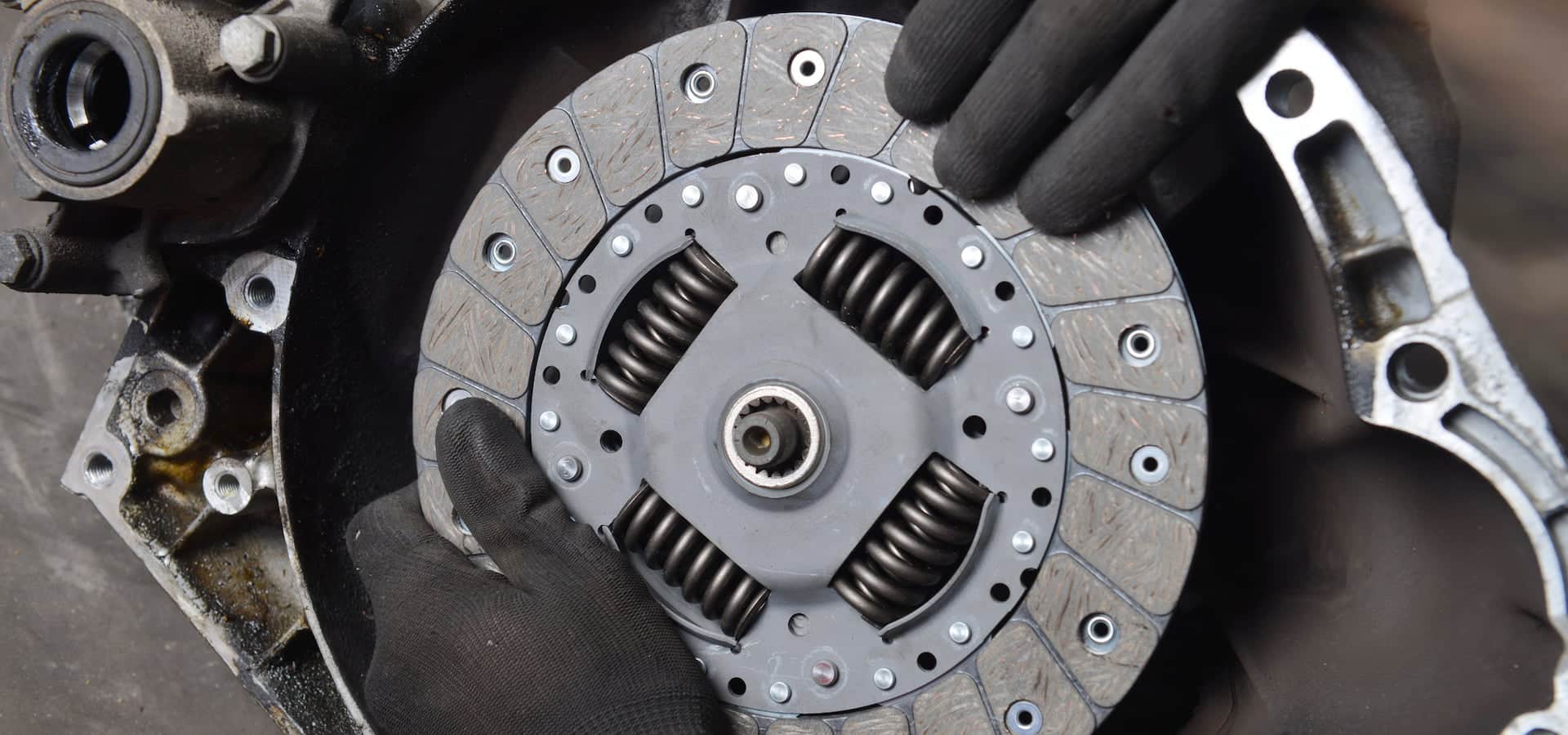
Toyota Clutch Repair & Replacement at Elevation Auto Repair
Toyota manual transmissions have a reputation for going the distance, but the clutch is still a wear item – and how it's replaced matters a great deal. Whether you drive a Tacoma with the R150F, a Corolla with the C59, or a rev-happy 86 with the Aisin AZ6, the details separate a lasting repair from a comeback.
A clutch replacement done right involves more than swapping a disc. On Toyota applications, the release system varies widely – older trucks use a hydraulic slave with an external throwout arm, while newer platforms like the 86 and GR Corolla run a concentric slave cylinder integrated with the release bearing. Getting the flywheel surface right (resurfaced or replaced to Toyota spec), correctly bleeding the hydraulic circuit, and torquing the pressure plate bolts in the proper sequence keeps engagement smooth and prevents chatter.
We also match components to your driving. A stock Tacoma tow rig gets an OEM-grade kit, while a modified GR86 may benefit from an upgraded pressure plate rated for the extra torque.
- Honest diagnosis that confirms the clutch is the real culprit before any parts come out
- Flywheel inspection with resurfacing or replacement as the surface demands
- Proper hydraulic bleed and pedal free-play adjustment to Toyota specs
- Transparent pricing and clear communication before work begins
Symptoms – How to Know You Need This Service
Clutch wear usually creeps in, then accelerates. Here's what you may notice from the driver's seat:
- Slipping under load – engine RPM climbs but speed lags, especially uphill on I-70 or when towing
- A burning smell after stop-and-go driving or a steep grade – a sign the disc is glazing
- High or grabby engagement point – the clutch bites way up near the top of pedal travel
- Chatter or shudder when releasing the pedal from a stop, often felt through the seat
- Difficulty shifting into gear, grinding on the 1-2 shift, or resistance selecting reverse
- A soft or sinking pedal that points to a failing master or slave cylinder
- Noise that quiets when you press the pedal – a worn release or pilot bearing
Schedule soon if you notice a high engagement point or occasional slip. Stop driving if the pedal goes to the floor and won't return, or if the clutch slips so badly you can't hold a hill – both can strand you and cause further damage.
Common Clutch Repair & Replacement Issues on Toyota Vehicles
Toyota clutch failures tend to follow predictable patterns tied to specific platforms and driving styles. Here's what we see most often in the shop:
- Worn clutch disc on 2005-2015 Tacoma (2TR-FE / 1GR-FE): Denver's stop-and-go traffic and steep grades accelerate friction-material wear, showing up as slipping under load or a high engagement point.
- Hydraulic slave and master cylinder leaks on Tacoma and 4Runner: The concentric slave cylinder and clutch master seals lose pressure over time, giving a soft or sinking pedal that won't fully disengage the clutch.
- Pilot bearing and throwout bearing noise on Corolla/Matrix (1ZZ/2ZZ): A chirp or growl that changes when the pedal is pressed points to bearing wear that grows into hard shifting.
- Dual-mass flywheel wear on diesel and turbo imports: Rattling at idle or shudder on takeoff signals flywheel spring fatigue that a single friction disc replacement won't fix.
- Clutch shudder on MR2 and Celica GT-Four (3S-GTE): Contaminated friction surfaces from a leaking rear main seal cause chatter during engagement.
- Cable-related engagement issues on older Corolla/Tercel: Stretched or binding clutch cables mimic clutch wear but need adjustment or replacement instead.
Which Toyota Models We See for Clutch Repair & Replacement
Manual Toyotas are less common each year, which is exactly why the ones still on the road deserve technicians who know their release systems. Platforms we regularly service:
- Tacoma (2005-2015 2nd gen, 2016+ 3rd gen) – R150F and RA60 transmissions, four-cylinder and V6
- Toyota 86 / GT86 / GR86 – Aisin AZ6 6-speed; upgraded pressure plates are worth discussing on modified or turbo builds
- GR Corolla – 6-speed with a concentric slave, higher torque loads from the G16E-GTS
- Corolla (E140/E170 and earlier) – C59/C60 gearboxes on the manual variants
- Corolla iM / Matrix / Yaris – lighter-duty cable and hydraulic setups
- Older 4Runner and pickup (22R/22RE, 3.0L) – classic external-slave designs we still service
- Supra (A80 and earlier) – manual builds, including performance clutch upgrades
Variants matter: a GR86 or GR Corolla with more torque, aftermarket tuning, or track use often calls for a stronger clutch and flywheel than the factory unit. Automatic and CVT-equipped Toyotas don't apply here – those are transmission service jobs. If you're unsure which gearbox your Toyota carries, bring it in and we'll confirm before quoting anything.
Toyota built its manual-transmission reputation on gearboxes like the R-series and the C-series used across Corolla, Tacoma, and Tundra platforms, and those clutches are known for going the distance when maintained. Even a durable Toyota clutch wears out, though, and how it's replaced depends heavily on whether you're driving a hydraulically actuated Tacoma, a cable-free MR2, or a dual-mass-equipped diesel import. At Elevation Auto Repair in Denver, we handle the full range with straightforward diagnostics and clear pricing before any parts come off.
Causes & Risks – What Happens if Ignored
Most Toyota clutch problems trace back to normal friction wear accelerated by Denver's hills, towing, and heavy commuting. Age hardens hydraulic seals, and heat cycling fatigues flywheel components on higher-mileage trucks.
The trouble with waiting is that a small, contained repair rarely stays small. A slipping disc glazes and overheats the flywheel, and a leaking slave cylinder starves the release system until you can't shift at all.
- Ignoring a slipping clutch for weeks typically glazes or scores the flywheel, turning a disc replacement into a flywheel resurface or replacement.
- Driving on a failing throwout bearing risks damage to the pressure plate fingers and input shaft over time.
- A weeping hydraulic cylinder that's left alone can fail completely, leaving you stranded when the clutch won't disengage.
- Continued shudder from a worn dual-mass flywheel can loosen mounting hardware and stress the transmission input bearing.
- Contamination from an unaddressed rear main seal leak ruins a fresh clutch disc soon after installation if the leak isn't fixed first.
There's a safety line too – once the clutch won't fully engage or disengage, launching from a stop or holding on a grade becomes unpredictable, which is a real hazard in Denver traffic.
Safety Impact – Why Clutch Repair & Replacement Matters
A failing clutch does more than annoy you – it changes how the whole drivetrain responds when you need control. On a Toyota, incomplete engagement affects your ability to launch cleanly, hold position on an incline, and downshift for engine braking on mountain descents.
Specific failure modes that put you at risk include a clutch that won't disengage (making it dangerous to stop in traffic), sudden slipping mid-merge, and a pedal that sinks to the floor without building pressure.
- Stop driving now: pedal goes to the floor with no resistance, grinding when shifting into gear, or a burning smell with loss of power on a grade.
- Schedule soon: mild slipping under hard acceleration, a slightly high engagement point, or occasional shudder on takeoff.
Manual Toyotas rely on the clutch working with the driveline and, on newer models, stability and traction systems that expect predictable power delivery. A known driveline defect left unrepaired before an incident can also complicate liability, so addressing it promptly protects more than your wallet.
How Toyota Clutch Repair & Replacement Actually Works
Most manual Toyotas use a single dry friction disc squeezed between the flywheel and a diaphragm-spring pressure plate, actuated hydraulically through a master and slave cylinder – Tacoma and 4Runner setups are a good example. When you press the pedal, hydraulic pressure moves the release bearing to disengage the disc so you can shift. Diesel and some turbocharged imports add a dual-mass flywheel to dampen vibration, which changes the parts and procedure entirely.
These design choices dictate how the work must be done correctly on your specific Toyota:
- Hydraulic systems require proper bleeding to Toyota specs so the release bearing travels fully – air in the line mimics a bad clutch.
- Flywheel bolts and pressure plate hardware have specific torque values and tightening sequences to prevent warping and vibration.
- Dual-mass flywheels must be measured for free play rather than resurfaced, so replacement is judged case by case.
- Rear main seals and pilot bearings are in
Toyota's manual-transmission lineup – from the tough R-series gearboxes behind the Tacoma's 2.7L and 4.0L engines to the aging clutches in Corolla, Yaris, and older Camry manuals – tends to outlast the abuse of daily driving. When the clutch finally starts slipping, the failure usually traces back to a worn friction disc, a tired pressure plate, or a hydraulic problem in the master or slave cylinder. Elevation Auto Repair handles these jobs with dealership-level know-how and pricing you can actually see up front.
How We Diagnose Clutch Repair & Replacement Issues on Toyota
A slipping clutch, a high engagement point, or a pedal that sinks to the floor all point in different directions. We work through a structured process to pinpoint the real cause before recommending any parts.
- Interview and history review – how the pedal feels, when the slip appears, and whether the Tacoma or Corolla has towed loads or seen stop-and-go Denver commuting.
- Connect Techstream (Toyota's factory scan platform) to pull codes and check for clutch-position or neutral-switch faults on drive-by-wire and hybrid-assisted manuals.
- Road test to reproduce the symptom – load the engine in high gear at low RPM to confirm slip, and check for shudder on takeoff that suggests contamination.
- Visual inspection of the hydraulic circuit – master cylinder, slave cylinder, and the line for leaks or a spongy pedal caused by air or failing seals.
- Measure clutch pedal free play and engagement height against Toyota specs, and inspect for oil contamination from a leaking rear main or transmission input seal.
Once we know whether the issue is hydraulic, friction, or a bearing, we translate the findings into a clear written repair plan and an itemized quote – no surprises, no padding.
Clutch Repair & Replacement on Toyota: Repair vs. Replacement
Not every clutch complaint means dropping the transmission. We match the fix to the actual condition of the parts.
- Genuine repair – a soft pedal or dropping engagement on a Tacoma or Corolla is often just a failing master or slave cylinder. Replacing the hydraulic component and bleeding the system restores normal feel without touching the clutch itself.
- Partial replacement – when the friction disc is contaminated by a small input-shaft seal leak but the flywheel and pressure plate remain flat and true, we replace the disc, cure the leak, and reuse the serviceable hardware.
- Full replacement – once the disc is worn to the rivets, the pressure plate fingers are heat-blued, or the release bearing is noisy, we install a complete kit. Since the transmission is already out, replacing the throw-out bearing and pilot bearing together prevents a second labor-heavy teardown.
Flywheel resurfacing or replacement comes into play when there's hot-spotting or scoring that would chatter against a new disc. We lay out each option, what it costs, and what we'd choose for our own truck – then let you decide.
How to Make Your Toyota Clutch Repair & Replacement Last Longer
A fresh clutch on a well-driven Tacoma or Corolla can last well over a hundred thousand miles. How you drive it makes the biggest difference.
- Keep your foot off the pedal between shifts – riding the clutch is the fastest way to glaze a new disc.
- Use the parking brake on Denver's hills instead of slipping the clutch to hold position at a stop.
- Shift smoothly under load and avoid launching hard when towing or hauling with 4Runner or Tacoma models.
- Listen for new sounds – a growl with the pedal down often signals early release-bearing wear.
Simple owner maintenance protects the investment: check the clutch fluid reservoir level, watch for a slowly rising engagement point, and note any burning smell after climbing grades. Stick with OEM-spec hydraulic fluid, follow Toyota's service intervals, and keep any transmission software current on newer drive-by-wire models.
Topping off fluid and monitoring pedal feel are safe DIY tasks. Bleeding the hydraulic system, replacing cylinders, or anything requiring the transmission to come out should be left to the shop – these are safety-critical jobs where torque specs and proper bleeding matter.
What to Expect When You Bring Your Toyota In
Toyota manual transmissions – the R-series in the Tacoma and Tundra, the C-series and E-series in Corolla and Matrix – tend to give plenty of warning before the clutch fails. A high, chattering engagement point or slipping under load usually means the disc, pressure plate, or hydraulic release system is due for attention. Here's how a visit works:
- Drop-off or appointment – Schedule ahead or drop the vehicle after hours using our secure key box. Tell us your symptoms: slipping, grinding into gear, a soft or dropping pedal.
- Initial inspection – We verify clutch slip, check the hydraulic slave and master cylinder for leaks, and inspect the flywheel for hot spots or glazing common on hard-worked Tacoma clutches.
- Written estimate – You get a clear, itemized quote before any work begins – parts, labor, and any related items like a leaking rear main seal or worn pilot bearing found during teardown.
- Communication during the work – We call or text with updates and photos, and we never proceed on added items without your approval.
- Pickup walkthrough – We explain what was replaced and how to break in the new clutch.
Bring only your key and remove personal items from the cabin. Shuttle and loaner options are available on request. Before pickup, every job gets a road test to confirm smooth engagement, plus a scan-tool re-check for any related codes. If anything feels off afterward, bring it back and we'll re-verify our work.
Why Choose Elevation Auto Repair for Toyota Clutch Repair & Replacement
Clutch work on a Toyota rewards a shop that knows the platform. We machine or replace the flywheel rather than reusing a glazed one, replace the release bearing and pilot bearing as a set, and bleed the hydraulic system properly – a step often skipped on Tacoma and Tundra jobs that leads to repeat pedal complaints.
- Familiarity with Toyota TSBs covering clutch shudder and hydraulic release issues on Tacoma and Corolla platforms
- Correct torque specs for pressure plate bolts and flywheel fasteners, plus proper input shaft alignment on reassembly
- OEM or OEM-equivalent clutch kits matched to your engine and gearbox – no generic one-size-fits-all guessing
- Attention to common companions like rear main seal leaks and worn shifter bushings while the transmission is out
We own the job end to end – diagnosis, teardown, installation, and post-repair verification – so one shop stands behind the whole repair. You'll get transparent pricing and straight answers at every step, whether you drive a work-hardened Tacoma or a daily Corolla.
Our Toyota Services
- Air Conditioning AC Repair
- Battery Repair Replacement
- Brake Repair & Brake Fluid Change
- Check Engine Light Diagnostics
- Coolant Leak Repair
- Cooling System Repair
- Drive Shaft Repair
- Engine Repair
- Exhaust & Catalytic Converter Repair
- Head Gasket Repair & Replacement
- Oil Change
- Oil Leak Repair
- Scheduled Service Maintenance
- Steering Repair
- Suspension Repair
- Cambelt Timing Belt Replacement
- Transmission Repair
- Tune Up
- Wheel Alignment