
Kia Clutch Repair & Replacement at Elevation Auto Repair
If your Kia's clutch is slipping on the climb up I-70 or the pedal has gone soft in stop-and-go traffic, you're feeling the early signs of a worn clutch system. Denver's elevation and hills work a manual transmission hard, and a proper clutch job on a Kia goes well beyond swapping a disc.
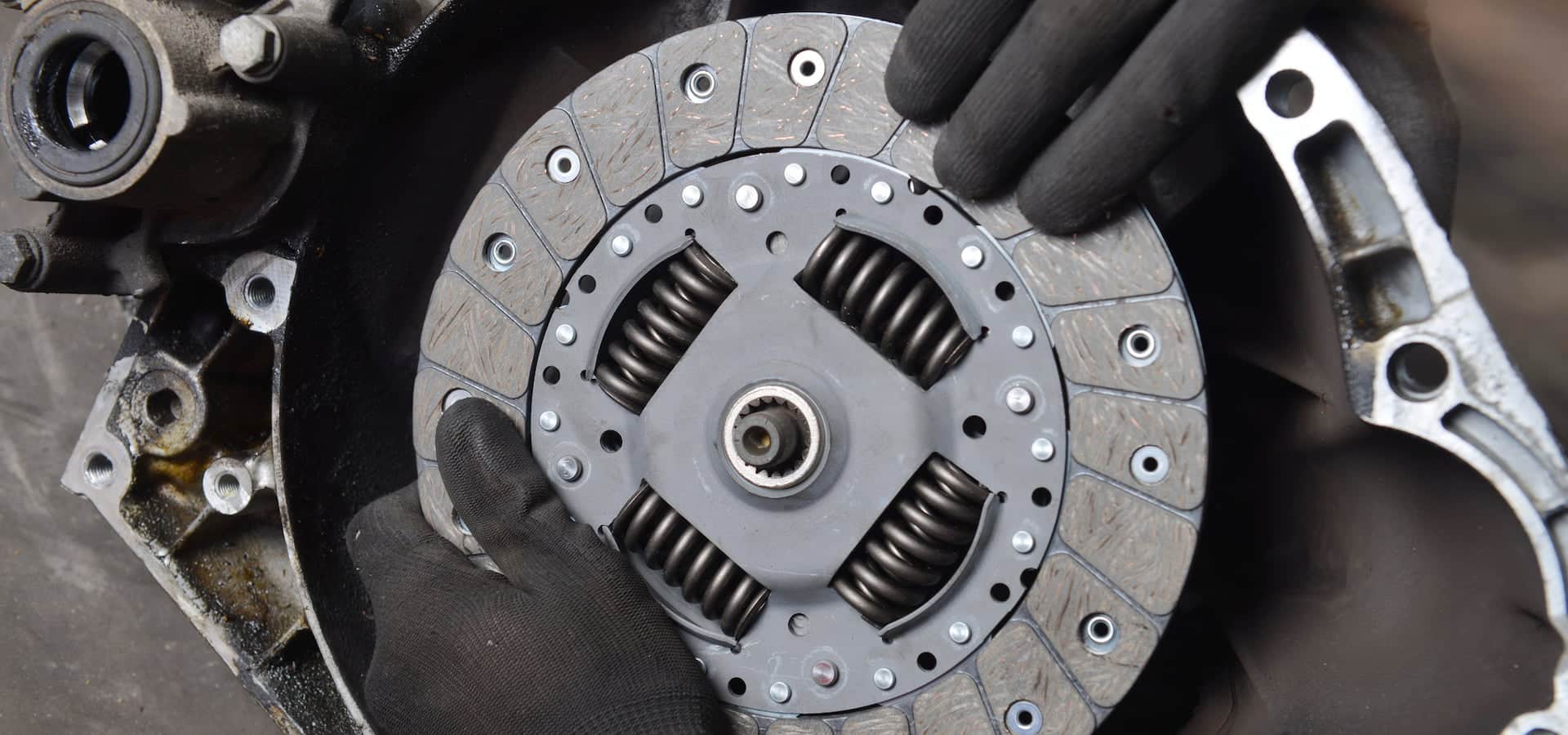
Clutch replacement covers the friction disc, pressure plate, release bearing, and often the pilot bearing and flywheel inspection. On Kia manuals, doing it right means paying attention to platform-specific details that a generic shop tends to skip.
- Hydraulic system attention – many Kia models use a concentric slave cylinder (CSC) integrated with the release bearing, so we replace it during the job rather than reusing a known wear point.
- Dual-mass flywheel checks – turbo and diesel-derived Kia platforms often run DMFs that must be inspected for play and heat cracking, not just resurfaced.
- Correct torque and fluid specs – pressure plate bolts, transmission mount hardware, and clutch hydraulic fluid all follow Kia's published values.
Here's what you can expect from us:
- An honest inspection that confirms the clutch – not a mount or linkage – is the real problem
- OEM-grade or quality replacement components matched to your engine and trim
- A test drive that verifies engagement point and smooth shifting under load
- Clear communication before any additional parts are recommended
Symptoms – How to Know You Need This Service
Your Kia usually warns you before a clutch fails completely. Watch for these signs:
- Slipping under acceleration – RPMs climb but speed lags, especially on Denver's grades. Schedule soon; a slipping clutch overheats and glazes fast.
- High or vague engagement point – the pedal catches near the top of its travel, a classic sign of a worn friction disc.
- Soft or sinking pedal – often a failing clutch master or concentric slave cylinder. If the pedal drops to the floor, stop driving and have it towed.
- Grinding when shifting into gear – the clutch isn't fully disengaging; continued driving damages synchros.
- Chatter or shudder on takeoff – points to a contaminated disc or a worn dual-mass flywheel.
- Burning smell – overheated friction material, common after climbing a mountain pass. Ease off and get it checked.
- Rattle at idle that quiets when you press the pedal – a failing release bearing.
Any grinding, burning smell, or a pedal that won't return means schedule immediately. A pedal on the floor means stop driving right away.
Common Clutch Repair & Replacement Issues on Kia Vehicles
If your Kia is slipping under hard acceleration, chattering off the line, or fighting you at the shifter, the clutch is usually telling you it's near the end. Manual Kias hold up well, but certain platforms show predictable wear paths worth naming.
- Clutch slip on 2010-2013 Forte and Soul (1.6L/2.0L, M5 transmissions) – higher-revving four-cylinders driven in stop-and-go Denver traffic burn through the friction disc faster than owners expect, especially with a heavy left foot resting on the pedal.
- Concentric slave cylinder (CSC) failure on later Forte/Rio setups – the internal slave-cylinder design bleeds hydraulic pressure over time, producing a soft or sinking clutch pedal. When it goes, the transmission has to come out again, so it's replaced alongside the clutch.
- Dual-mass flywheel wear on turbocharged Stinger and Optima variants – the DMF absorbs torsional shock but develops play and rattle at idle. A worn DMF paired with a fresh disc leads to repeat chatter complaints.
- Release bearing noise on high-mileage Sportage and Sportage-based manuals – a whirring that quiets when the pedal is pressed points to a failing throwout bearing.
- Hard shifting and grind on cable and hydraulic linkage Kias – stretched cables or a failing master cylinder mimic clutch wear and get misdiagnosed.
- Contaminated disc from rear main or transmission input seal leaks – oil on the friction surface causes slip even on a nearly new clutch.
Which Kia Models We See for Clutch Repair & Replacement
Manual-transmission Kias are less common than they once were, but we regularly service the platforms that still come with a third pedal. Find your car below:
- Kia Forte (2010–present, YD/BD) – 6-speed manuals with the 2.0L and 2.4L engines; hydraulic CSC replacement is standard on these.
- Kia Soul (2010–present, AM/PS/SK3) – manual 5- and 6-speeds on 1.6L and 2.0L variants; frequent visitors for clutch and release bearing wear.
- Kia Rio (2006–present, UB/YB) – lightweight manuals that see clutch wear from city driving and hills.
- Kia Optima (2006–2015) – earlier manual-equipped models with 2.4L engines.
- Kia Sportage (2005–2016, KM/SL) – manual variants where dual-mass flywheel inspection matters.
- Kia Forte Koup / GT and turbo variants – higher torque means we always inspect the DMF and confirm the correct heavier-duty disc.
A note on limits: Kia's automatic and dual-clutch (DCT) transmissions found on many newer trims are a different repair entirely and aren't a manual clutch job. If you're unsure which your Kia has, bring it in and we'll confirm before quoting any work.
Causes & Risks – What Happens if Ignored
Most Kia clutch wear comes down to driving style, mileage, and Colorado's hill-heavy commutes. Riding the clutch on grades, aggressive launches, and towing near capacity all accelerate friction-material loss, while age eventually claims hydraulic seals and dual-mass flywheels regardless of habits.
Waiting rarely saves money. A slipping disc caught early is a straightforward job, but the same slip left for months usually drags the flywheel into the repair.
- Ignoring clutch slip typically overheats and scores the flywheel, turning a disc-and-pressure-plate job into a flywheel replacement or resurface.
- A leaking rear main or input shaft seal left unaddressed re-contaminates a new clutch, forcing the transmission back out.
- A failing concentric slave cylinder that's driven on loses pressure completely, leaving you unable to shift and stranded.
- Worn dual-mass flywheels that keep rattling can crack, sending debris into the bellhousing.
- Grinding gears from an unhydraulic clutch chew synchronizers, adding transmission internal damage to the bill.
Beyond cost, a clutch that won't fully disengage makes the car unpredictable in traffic – exactly when you need confident control.
Safety Impact – Why Clutch Repair & Replacement Matters
A clutch that won't disengage cleanly affects far more than shift feel. On a manual Kia, it changes how the car launches, stops in gear, and behaves in an emergency maneuver.
- Stop driving now: the pedal sinks to the floor and won't build pressure, you can't get into or out of gear, or you smell burning with sudden loss of drive on a hill.
- Stop driving now: the clutch won't disengage at a stop, forcing the car to lurch or stall in traffic.
- Schedule soon: intermittent slip under load, mild chatter on takeoff, or a rising bite point.
- Schedule soon: release-bearing whir that hasn't yet turned into grinding.
A car that can't reliably decouple engine from wheels compromises your ability to stop safely, coast to a shoulder, or control a stall in an intersection. On modern Kias, an unexpected stall can also drop power assist to steering and braking momentarily. If a known clutch symptom is ignored and contributes to a collision, that neglect can complicate liability. Addressing it promptly keeps the car predictable and keeps you in control.
How Kia Clutch Repair & Replacement Actually Works
The clutch is the link between your Kia's engine and manual transmission. Pressing the pedal releases the pressure plate, freeing the friction disc so you can shift; releasing it clamps everything back together to drive the wheels. Most manual Kias use a hydraulic system with a master cylinder at the pedal and a slave cylinder at the transmission, many built as internal concentric units around the input shaft.
What sets Kia work apart is the attention to matched components and the hydraulic system. We replace the disc, pressure plate, and release bearing as a set, then address the flywheel and seals while access is open.
- Dual-mass vs. single-mass flywheels – turbo and higher-torque Kias use DMFs that must be inspected for play, not just resurfaced.
- Concentric slave cylinder – replaced during the job since it lives inside the bellhousing and requires proper bench bleeding.
- Torque and sequence specs – pressure-plate and flywheel bolts follow Kia's staged torque pattern to seat the disc evenly and prevent chatter.
- Rear main and input seal inspection – checked and replaced as needed to protect the new friction surface.
- Hydraulic bleed and pedal calibration – done per procedure so the bite point returns to spec.
How We Diagnose Clutch Repair & Replacement Issues on Kia
If your Kia's clutch pedal feels spongy, the engine revs climb without matching acceleration, or you smell that acrid friction odor after a hill, you're likely dealing with a slipping or dragging clutch. We start by confirming exactly which component is failing before recommending any parts.
- We connect Kia's GDS/KDS scan platform to pull transmission, TCM, and clutch-actuator data on dual-clutch (DCT) models like the Forte GT and Soul, checking for stored fault codes and clutch adaptation values.
- On DCT-equipped Kias, we review clutch touch-point learning and temperature data, which flag overheating and worn friction plates common on the 7-speed dry DCT.
- For manual-transmission models, we road test to reproduce slip under load, check clutch pedal free play, and confirm hydraulic engagement point.
- We inspect the hydraulic circuit – master cylinder, slave cylinder, and concentric release bearing – for leaks and soft pedal.
- We measure clutch fluid condition and look for contamination that points to a failing seal.
- We visually assess the flywheel, driveshaft mounts, and linkage for wear that mimics clutch symptoms.
From those findings we build a clear, itemized repair plan and quote – so you see exactly what's worn, what's still serviceable, and what it costs before we touch a wrench.
Clutch Repair & Replacement on Kia: Repair vs. Replacement
Not every clutch complaint means a full assembly swap. We match the fix to the actual failure.
- Genuine repair: A soft pedal or intermittent disengagement on a manual Optima or Soul often traces to a failed slave or master cylinder. Replacing the hydraulic component and bleeding the system restores function without pulling the transmission.
- Partial replacement: On DCT models with a worn release bearing or a leaking actuator but healthy friction plates, we replace the failed part and keep the serviceable assembly – common on higher-mileage Forte and Soul DCTs.
- Full replacement: When the friction disc is worn to the rivets, the pressure plate is heat-scored, or the flywheel shows hot spots, we replace the complete clutch kit. If repair cost climbs toward a full kit anyway, a clutch-and-flywheel job is the smarter long-term call.
Since the transmission has to come out either way for disc access, we always inspect the rear main seal and pilot bearing while we're in there. We walk you through each option with photos of the worn parts – you decide, not us.
How to Make Your Kia Clutch Repair & Replacement Last Longer
A fresh clutch lasts far longer when driving habits and maintenance work with it rather than against it.
- Avoid riding the pedal – rest your foot off the clutch entirely between shifts to protect the release bearing.
- Don't slip the clutch to hold on Denver hills; use the brake and handbrake instead. Heat is the enemy of dry DCT and manual clutches alike.
- Downshift smoothly and match revs to reduce shock load on the friction disc.
- On DCT Kias, let the transmission cool during heavy stop-and-go and avoid prolonged low-speed crawling that spikes clutch temperature.
Owner maintenance that helps:
- Listen for new chirps, groans, or a changing engagement point and report them early.
- Watch for transmission warning lights and don't ignore a burning smell.
- Keep up with Kia's recommended service intervals and use OEM-spec clutch hydraulic fluid.
- Let us apply any Kia TCM software updates that refine DCT clutch adaptation.
Visual checks and fluid monitoring are safe to do yourself. Leave transmission removal, clutch adaptation resets, and hydraulic bleeding to our technicians – it's safety-critical work that needs the right tooling and torque specs done right.
What to Expect When You Bring Your Kia In
If your Kia's pedal has gone soft, the clutch slips under acceleration, or you feel a shudder pulling away from a stop, you're probably wondering how much of the drivetrain is involved. We start by getting a clear picture of what's failing before anything comes apart.
- Drop-off and intake – Schedule a time that works for you. Describe the symptoms you're noticing, whether it's a high engagement point, grinding on the 2-3 shift, or a burning smell after hills. We can arrange a shuttle or loaner so you aren't stranded.
- Initial inspection – We check clutch engagement, hydraulic slave and master cylinder operation, flywheel condition, and on dual-clutch (DCT) Kias we pull codes with factory-level tooling to read mechatronic and clutch-wear data.
- Written estimate – You get a clear breakdown of parts and labor, including whether the flywheel needs resurfacing or replacement and if the release bearing or slave should be renewed while access is open.
- Updates during the work – We call before any change in scope. No surprise add-ons.
- Pickup walkthrough – We show you the removed components and explain the wear we found. After-hours pickup is available when you need it. Leave personal items in the cabin; we'll keep them secure.
Every clutch job ends with a road test and a scan-tool re-check for stored faults. If anything feels off afterward, bring it back and we'll re-inspect right away.
Why Choose Elevation Auto Repair for Kia Clutch Repair & Replacement
Kia clutch work rewards attention to platform detail. The manual-transmission Forte, Soul, Rio, and Optima each have their own release-system quirks, and the dual-clutch units in newer turbocharged models behave nothing like a traditional clutch.
- Brand-specific knowledge – We track Kia TSBs and software updates that affect clutch behavior, including DCT clutch-actuator adaptations and shudder complaints that a recalibration can address before a teardown is even needed.
- Correct diagnosis first – A slipping DCT is often mechatronic or adaptation-related rather than worn friction discs. We confirm the root cause with factory diagnostics so you don't pay for parts you don't need.
- Proper reassembly – Pilot bearing, release bearing, and pressure-plate torque specs done to Kia values, flywheel checked for hot spots and runout, and hydraulic systems bled thoroughly.
We own the whole job – diagnosis, repair, and post-repair verification – under one roof in Denver. That means honest answers, clear communication, and a clutch that engages the way it should when you drive away.
Our Kia Services
- Air Conditioning AC Repair
- Battery Repair Replacement
- Brake Repair & Brake Fluid Change
- Check Engine Light Diagnostics
- Coolant Leak Repair
- Cooling System Repair
- Drive Shaft Repair
- Engine Repair
- Exhaust & Catalytic Converter Repair
- Head Gasket Repair & Replacement
- Oil Change
- Oil Leak Repair
- Scheduled Service Maintenance
- Steering Repair
- Suspension Repair
- Cambelt Timing Belt Replacement
- Transmission Repair
- Tune Up
- Wheel Alignment