
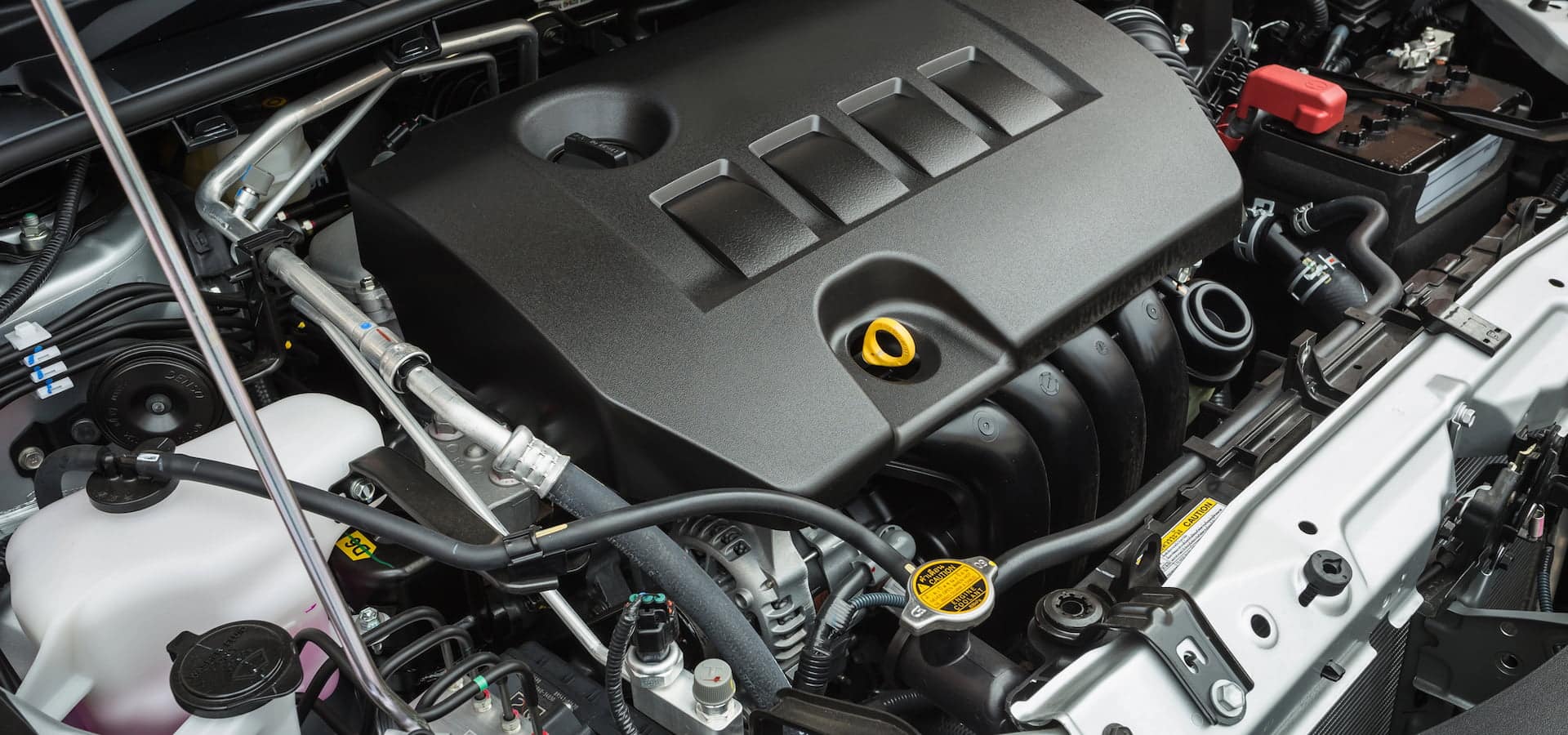
Subaru Tune Up at Elevation Auto Repair
Subaru's horizontally opposed "boxer" engines put the spark plugs on the sides of the block, tucked behind the exhaust manifolds and steering components – which is exactly why a proper tune up on a Subaru is not the same afternoon job it is on an inline four. On the FB and EJ engines, reaching the plugs often means loosening motor mounts, moving the powertrain, or working through a tight window. Get it wrong and you strip a plug thread into an aluminum head.
Doing it right also means respecting the details. The turbocharged FA20DIT and EJ255/EJ257 engines want specific iridium plug gaps and torque values, and later models tie ignition timing and idle relearn into the ECU, so we verify against current Subaru service data and check for applicable software updates on the platform.
Here's what you can expect when you bring your Subaru in:
- Correct OEM-spec iridium or platinum plugs installed to Subaru torque values, with anti-seize used only where the procedure calls for it
- Inspection of coil packs, plug wires, and boots for the misfire history common to boxer engines
- Filters, PCV, and fuel system components checked and serviced as needed
- Honest reporting – we tell you what actually needs attention and skip what doesn't
Symptoms – How to Know You Need This Service
Subaru engines tend to give clear warning before a tune up is overdue. You may notice one or more of these:
- A rough, shaky idle – especially on cold starts – that smooths out slightly once warm
- Hesitation or a "stumble" when you accelerate onto the highway or up a Front Range grade
- Noticeably worse fuel economy on your usual commute
- A flashing or steady check engine light, often with a P0300-series misfire code
- Hard starting or extended cranking before the engine catches
- A faint fuel smell from unburned gas passing through the exhaust
- Loss of power on turbocharged WRX and Outback XT models under boost
A flashing check engine light means active misfire that can damage the catalytic converter – stop driving and have it towed or brought in promptly. A steady light, rough idle, or mild hesitation is safe to drive on short-term but should be scheduled soon before plugs foul further or coils fail.
Common Tune Up Issues on Subaru Vehicles
Subaru tune up needs vary a lot by engine family and generation. Here are the patterns we see most often on Denver-area cars:
- Carbon buildup on direct-injected FA/FB engines (2012+ Forester, Legacy, Outback, WRX): Direct injection sprays fuel past the intake valves rather than over them, so deposits accumulate and cause rough idle and hesitation that fresh plugs alone won't fix.
- Ignition coil failure on 2015+ WRX (FA20DIT): Heat soak in the turbo bay ages the coil-on-plug units, producing misfire codes P0301–P0304 that mimic bad plugs.
- Difficult plug access on EJ25 (2005-2014 Impreza, Forester, Outback): The horizontally opposed cylinders bury the plugs behind the wheel wells and near turbo plumbing, so shortcuts lead to cross-threaded or under-torqued plugs.
- Iridium plug gap drift on high-mileage boxers: Owners often stretch plug intervals well past the point where the gap widens and cold-start misfires begin, especially at Denver altitude.
- Dirty MAF and throttle body on CVT-equipped models: Contamination skews air metering and creates surging that gets blamed on the transmission.
- Aged PCV and vacuum lines on older EJ platforms: Brittle hoses cause lean codes and idle instability that surface right alongside a needed tune up.
Which Subaru Models We See for Tune Up
We work on Subaru's naturally aspirated and turbocharged lineups across recent generations. Find your car below:
- Outback & Legacy – EJ25-era models plus the FB25-powered fifth and sixth generations, including the FA24 turbo XT trims
- Forester – SH/SJ/SK generations, from EJ253 through the FB25 and turbocharged FA24 variants
- Impreza & Crosstrek – GD/GE/GJ/GK platforms with EJ and FB engines, including the hybrid Crosstrek
- WRX & WRX STI – EJ255/EJ257 turbo cars (GD, GR/GV, VA) and the FA20DIT-powered VA WRX; these get platform-specific plug gaps and heat ranges
- BRZ – FA20 and FA24 flat-fours, which share the tight boxer plug access
- Ascent – FA24 turbo three-row models
Turbo cars and the STI deserve extra care – colder heat-range plugs and precise gapping matter far more under boost, and manual-transmission WRX/STI owners often pair a tune up with a clutch or drivetrain check. Older EJ engines with head gasket or oil-consumption history get a closer look while we're in there. We're candid about our limits: very high-mileage EJ turbos with existing internal issues may need diagnosis before a tune up makes sense, and we'll walk you through that first.
Subaru's boxer engine layout puts the spark plugs on the sides of the block rather than the top, which changes how a tune up gets done compared to almost any other brand. On turbocharged FA20DIT and naturally aspirated FB25 engines, that horizontal design plus tight engine-bay packaging means plug access, coil condition, and intake carbon all deserve attention when a Subaru comes in for service. At Elevation Auto Repair in Denver, we handle these platform quirks daily and focus on what your specific model actually needs.
Causes & Risks – What Happens if Ignored
Colorado driving is hard on ignition and fuel components – high altitude leans out the mixture, cold winter starts stress coils, and short trips never fully burn off deposits. Age and stretched service intervals do the rest.
Waiting turns a straightforward tune up into something larger. A single misfire is cheap to correct early; left alone, it stops being cheap.
- Persistent misfire on an FA20DIT dumps raw fuel into the exhaust and can damage the catalytic converter within weeks of driving.
- Worn plugs and weak coils force the ECU to compensate, hurting fuel economy and eventually triggering limp mode on turbo cars.
- Ignored carbon buildup on direct-injected boxers progresses to hard starts, power loss, and valve deposits heavy enough to need a walnut-blast intake cleaning.
- Neglected PCV and vacuum leaks lean the mixture at altitude and can lead to pre-detonation on the turbo engines.
- Flashing check engine light means active misfire and unburned fuel – that is converter and downstream O2 sensor damage in progress.
The pattern is consistent: a minor ignition service delayed a season becomes converter, sensor, and drivability repairs that cost far more. We flag the small stuff before it multiplies.
Safety Impact – Why Tune Up Matters
A poorly running Subaru does more than idle rough – it affects the systems you rely on to stay in control.
- Stalling and hesitation at intersections or highway merges puts you in traffic without power when you need it.
- Misfire-induced power loss can disable turbo boost on WRX and Ascent models, leaving you short on acceleration during a pass.
- Erratic idle and surging can confuse the traction and stability control inputs that Subaru's Symmetrical AWD depends on for balanced power delivery.
- Rich-running conditions can foul sensors that feed the same modules managing ABS and stability behavior.
Stop driving and call us now if:
- The check engine light is flashing – active misfire is damaging the catalyst.
- The engine stalls repeatedly or won't hold idle.
- You smell raw fuel or feel a hard bucking under throttle.
Schedule soon if: you notice mild rough idle, slow cold starts, or dropping fuel economy. Addressing a known drivability issue before an incident also keeps you on the right side of any liability question down the road.
How Subaru Tune Up Actually Works
A Subaru tune up centers on the ignition and air-fuel path, but the boxer layout makes the physical work different. Because the cylinders lie flat, the plugs sit on the engine's sides – reaching them cleanly often means moving intake tubing, battery, or washer components rather than working straight down from the top.
Getting it right takes correct parts and precise reassembly:
- Verify the exact plug spec and heat range for your engine family (FA, FB, or EJ) – Subaru is specific, and turbo engines differ from NA.
- Gap-check iridium plugs and torque them to Subaru's spec to protect the aluminum head threads.
- Inspect coil-on-plug units and boots for the heat cracking common on turbo cars.
- Clean the MAF, throttle body, and address carbon
Subaru's horizontally opposed boxer engines – from the naturally aspirated FB25 in the Forester and Outback to the turbocharged FA20DIT in the WRX – place spark plugs in tight, sideways-facing wells that make a proper tune up more involved than on an inline four. A good tune up on these platforms is about ignition health, fuel trim behavior, and catching the quirks these engines are known for before they turn into misfires.
How We Diagnose Tune Up Issues on Subaru
A Subaru tune up starts with data, not guesswork. Our process reads what the engine is actually reporting, then confirms it with hands-on checks.
- Connect a scan tool with Subaru-capable coverage to pull stored and pending codes, then review freeze-frame data for the conditions when a fault set.
- Watch live parameters – short and long-term fuel trims, misfire counters per cylinder, coil dwell, and mass airflow readings – to spot a lean bank or a weak ignition event.
- Inspect the ignition system: EJ25 and FB-series plugs and coils, along with the plug tube seals that leak oil on higher-mileage Outbacks and Foresters.
- Check fuel delivery, including injector behavior and, on FA20DIT turbo cars, evidence of direct-injection carbon buildup on intake valves.
- Perform a visual on vacuum lines, PCV, and the intake boot, since unmetered air throws boxer engines into rough idle.
- Road test to confirm the complaint under load and verify the fix target before we quote anything.
We also confirm whether a pending Subaru ECM software update applies, since reflashes address several idle and drivability complaints. Once we know the root cause, you get a clear written plan and quote – no surprise add-ons.
Tune Up on Subaru: Repair vs. Replacement
Not every tune up finding needs new parts. We separate what can be cleaned or adjusted from what has genuinely worn out.
- Genuine repair: A rough idle from a dirty throttle body, a loose intake clamp, or a fouled-but-serviceable plug often resolves with cleaning, adjustment, and a software update – no replacement needed.
- Partial replacement: When one coil fails or a single injector is skewed, we replace that component and reuse the healthy hardware. On FA20DIT turbos, a walnut-blast intake service handles carbon without touching the rest of the engine.
- Full replacement: If plugs are past their interval, coils show cascading breakdown, or plug tube seals are leaking oil onto the boots, we replace the full ignition set together. Doing it piecemeal on a boxer just means pulling intake components twice.
Safety-critical or interval-driven items – like a timing component that overlaps the tune up – get replaced rather than nursed along. We lay out the options side by side, explain what each buys you in reliability, and let you decide. The goal is the fix that lasts, not the biggest invoice.
How to Make Your Subaru Tune Up Last Longer
How you drive and maintain your Subaru has more effect on tune up life than most owners realize.
- Let the engine reach operating temperature before hard acceleration, especially in Denver winters – cold, rich running fouls plugs faster.
- Avoid short trips that never fully warm the engine, which accelerates carbon and oil dilution on turbo FA models.
- Listen for new sounds and watch for rough idle, hesitation, or a flashing check engine light, and address them early.
Owner-friendly maintenance keeps things honest between visits:
- Use OEM or NGK plugs to the correct heat range and stick to Subaru's recommended oil grade – boxer engines are sensitive to consumption and level.
- Check oil monthly and keep an eye out for oil around the plug boots, a known FB-series seal issue.
- Keep ECM software current and follow Subaru's published service intervals rather than stretching them.
Checking fluids, swapping the air filter, and visual inspections are safe to do yourself. Leave plug and coil replacement, throttle-body cleaning, and any work behind the intake to us – the boxer layout and torque specs leave little room for error, and we'd rather do it once, correctly.
What to Expect When You Bring Your Subaru In
A proper tune up on a Subaru boxer engine means more than swapping plugs. On the FB and EJ platforms, plug access, coil-on-plug condition, and PCV routing all factor into how the engine runs afterward. Here is how a visit flows:
- Drop-off or appointment – Schedule ahead or leave the vehicle with us. Empty the glovebox and console of valuables; we log and secure anything left inside.
- Initial inspection – We pull codes with a scan tool, check spark plug wear, inspect the ignition coils, air filter, PCV valve, and fuel trim data before recommending anything.
- Written estimate – You get an itemized breakdown with no surprise add-ons. We separate what the tune up needs now from what can wait.
- Approval and updates – Nothing proceeds without your sign-off. We text or call as we go, and loaner or shuttle options are available so you stay mobile.
- Pickup walkthrough – We show you the old plugs, explain what we found, and after-hours pickup is offered if your schedule runs late.
Before your Subaru leaves, we road test it and re-scan with the tool to confirm clean fuel trims and no pending codes. If anything feels off after you drive it, bring it back and we will recheck it.
Why Choose Elevation Auto Repair for Subaru Tune Up
We work on Subarus every week, so we know where these engines hide problems. FB25 and FA20 models often show rough idle from carbon on direct-injection intake valves, while older EJ25 setups need attention to coil packs and the notorious plug tube oil seepage.
- We check for open Subaru TSBs and reflash-eligible ECM/TCM software updates that affect idle quality and misfire behavior.
- We use OEM-spec iridium plugs gapped correctly and torqued to Subaru's aluminum-head values – no guessing.
- We read live fuel trim and knock data instead of just clearing codes and hoping.
Every tune up is owned end-to-end here – the same shop diagnoses it, performs the work, and verifies it on the road. You are not handed off between departments like at a dealership.
As your Denver dealership alternative, we handle everything from routine maintenance to complex drivetrain and engine work under one roof, with clear communication at each step.
Our Subaru Services
- Air Conditioning AC Repair
- Battery Repair Replacement
- Brake Repair & Brake Fluid Change
- Check Engine Light Diagnostics
- Clutch Repair & Replacement
- Coolant Leak Repair
- Cooling System Repair
- Drive Shaft Repair
- Engine Repair
- Exhaust & Catalytic Converter Repair
- Head Gasket Repair & Replacement
- Oil Change
- Oil Leak Repair
- Scheduled Service Maintenance
- Steering Repair
- Suspension Repair
- Cambelt Timing Belt Replacement
- Transmission Repair
- Wheel Alignment