Subaru Oil Leak Repair at Elevation Auto Repair
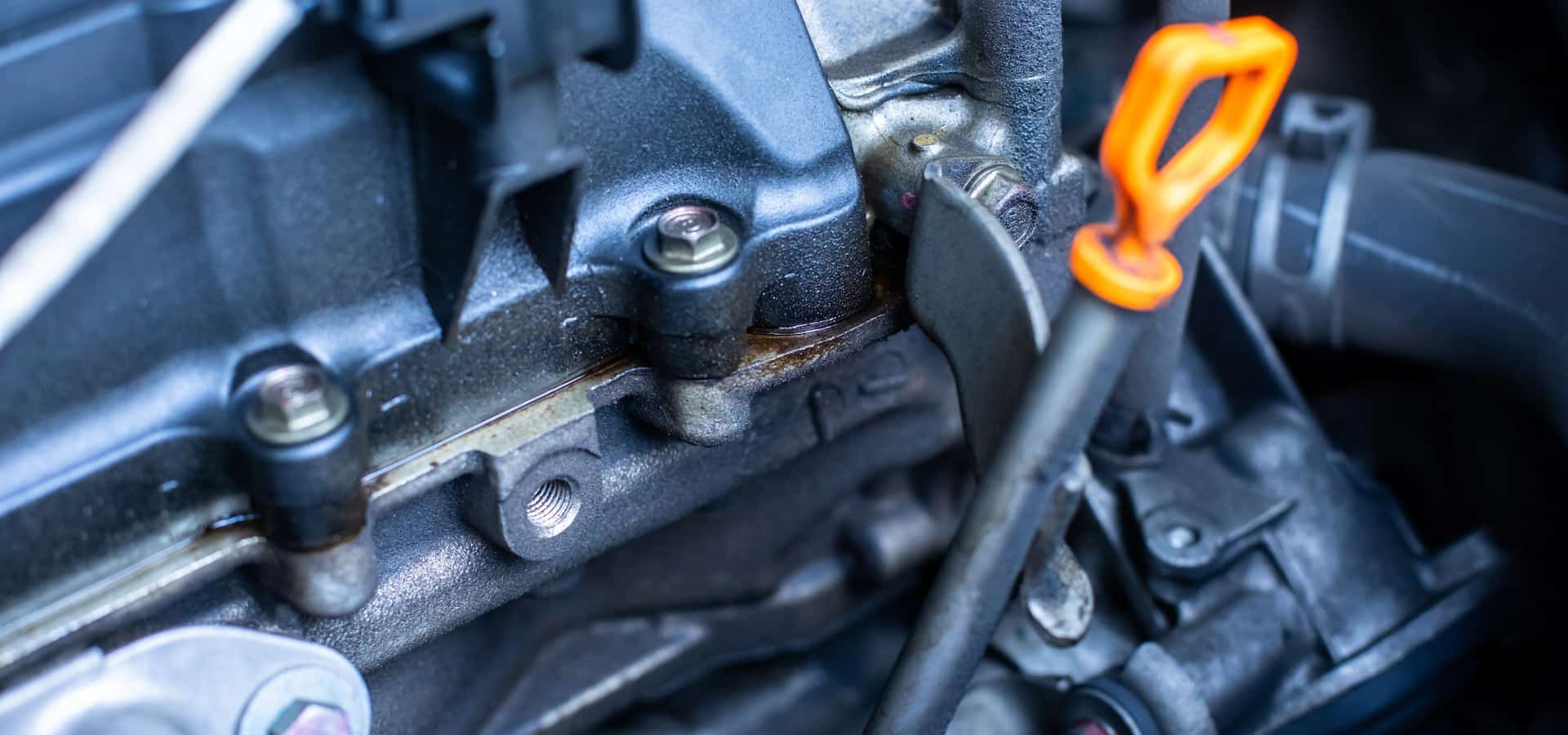
You pull into your driveway, step out, and spot a fresh oil spot on the concrete where your Outback was parked. On a Subaru, that leak is rarely random – the boxer engine layout puts head gaskets, cam carriers, and seals in spots that channel oil down onto exhaust components and crossmembers.
Subaru oil leak repair is different because the horizontally opposed EJ and FB engines seep from places most shops don't check first. The head gasket failures on 2000-2009 EJ25 (Legacy, Outback, Forester, Baja) and the front camshaft and separator plate leaks on the FB and FA platforms demand a technician who knows where oil actually travels on a flat-four.
Getting it right means proper FIPG sealant application on the timing cover, correct torque sequence on the cam carriers, and OEM Subaru gasket specs rather than generic parts that weep again in a year. We use factory-aligned procedures and clean every mating surface down to bare metal.
- An honest diagnosis that pinpoints the actual leak source, not a guess
- OEM-grade gaskets, seals, and correct sealant where Subaru specifies it
- Proper torque sequences and surface prep so the repair lasts
- Clear communication before any work begins – no surprise add-ons
Symptoms – How to Know You Need This Service
Subaru oil leaks tend to announce themselves before they become expensive. Here's what you may notice from the driver's seat:
- Burning oil smell through the vents – oil dripping onto hot exhaust headers, common on boxer engines
- Oil spots under the car, often toward the front-center where the separator plate and timing cover sit
- Blue or white smoke from the engine bay, especially after highway driving
- Low oil level between changes or the oil pressure light flickering – schedule soon
- Overheating or coolant loss alongside oil residue, a classic EJ25 head gasket sign
- Visible oil on the timing belt covers or valve covers during a routine check
- Rough idle or misfire if oil has reached spark plug tubes or wiring
If your oil pressure light stays on or you see oil pouring rather than seeping, stop driving and have the car towed – running a Subaru boxer low on oil damages rod bearings fast. A faint burning smell or a small drip can wait for a scheduled appointment, but don't let it linger for months.
Common Oil Leak Repair Issues on Subaru Vehicles
The horizontally-opposed boxer layout puts gaskets and seals in spots that don't exist on inline or V engines, which is why certain leaks show up again and again across Subaru generations.
- Valve cover gasket leaks (EJ25 and FB25 engines) – Because the cylinder heads sit sideways, oil weeps down onto the exhaust manifold and headers, creating that burning smell. Very common on 2005-2014 Outback, Legacy, and Forester with the EJ253.
- Rear main seal seepage – A known wear path on higher-mileage EJ-series engines, where the seal sits between the engine and transmission and requires significant disassembly to reach.
- Oil separator plate failure – Early plastic separator plates on EJ-series engines crack and leak from the bell housing area, often mistaken for a rear main seal.
- Head gasket external oil leaks (EJ25 SOHC) – The 1999-2010 2.5L is well known for head gaskets that leak oil (and sometimes coolant) at the seam.
- Camshaft and crankshaft front seals (FA/FB engines) – 2012-and-newer direct-injected engines can develop front seal seepage as they age.
- Turbo oil supply and drain lines (WRX/STI, EJ255/EJ257) – Feed lines and banjo fittings weep under heat cycling.
Which Subaru Models We See for Oil Leak Repair
Oil leaks show up across nearly every Subaru generation, but certain platforms and engines are repeat visitors. Find your car below:
- 2000-2009 Legacy, Outback, Forester, Baja (EJ25) – external head gasket leaks are the signature issue on this generation
- 2005-2014 Impreza and WRX (EJ20/EJ25 turbo) – valve cover and cam seal leaks, plus turbo oil supply and drain line seepage
- 2004-2021 STI (EJ257) – higher-output engines that leak from the same seals under added heat and pressure
- 2011-2018 FB20/FB25 (Forester, Outback, Legacy, Impreza) – front camshaft seals and oil separator plate weeps
- 2015-present WRX (FA20 DIT) – turbocharged direct-injection leaks around the cam carrier and rear separator
- 2019-present Ascent and newer Outback (FA24) – early-platform seal seepage we're seeing more of
- 2013-present BRZ (FA20) – valve cover and rear main seal leaks
Turbocharged variants (WRX, STI, Ascent XT) often involve extra oil feed and return lines, so that work runs deeper than a naturally aspirated Impreza. We're candid if a leak on a very high-mileage boxer points toward a larger rebuild – we'll tell you straight rather than sell a patch that won't hold.
You park your Subaru in the same spot every night, and one morning there's a dark spot on the driveway that wasn't there before. Maybe you catch a faint burning smell after a longer drive, or the low-oil light flickers sooner than it should between changes. On boxer-engine Subarus, oil leaks are less a question of if and more a question of where – and the good news is that most of them are well-understood, repairable problems once you know the platform.
Causes & Risks – What Happens if Ignored
Colorado's dry climate, big temperature swings, and elevation-related heat cycling age rubber gaskets and seals faster than milder climates do. Add the boxer engine's natural tendency to push oil toward the outer edges of the heads, and small weeps are common as Subarus cross 100,000 miles.
A minor valve cover seep left alone rarely stays minor. Oil finds the hot exhaust, hardens into varnish, and the leak accelerates.
- A weeping valve cover gasket dripping onto headers becomes a smoke-and-smell problem and can, over time, degrade nearby spark plug tube seals.
- Ignoring rear main or separator plate leaks lets oil reach the clutch or torque converter area, turning a seal job into clutch contamination on manual cars.
- Chronic low oil from an unaddressed leak starves rod and main bearings – a repair that dwarfs the original gasket cost.
- Oil-soaked engine mounts and wiring harnesses degrade and create new electrical faults.
- An EJ25 head gasket seep that isn't handled early can progress to coolant involvement and overheating.
Waiting turns an accessible gasket into a labor-heavy teardown, and low oil pressure is one of the few problems that can end an engine outright.
Safety Impact – Why Oil Leak Repair Matters
Oil leaks aren't only an engine concern – on a Subaru they can reach systems that keep you in control.
- Fire risk: Oil dripping onto hot exhaust components is the most immediate hazard, especially on turbocharged WRX and STI models.
- Traction and stability: Subaru's Symmetrical AWD relies on a healthy engine and transmission; oil contamination near the clutch or driveline can affect smooth power delivery.
- Sensor interference: Oil migrating along the harness can foul crank and cam position sensors, triggering rough running or stalling.
- Visibility: Heavy leaks produce smoke that can obscure your view or that of drivers behind you.
Stop driving now if you see visible smoke from the engine bay, smell strong burning oil, or the oil pressure light comes on. Schedule soon if you notice small driveway spots, a faint oil smell after long drives, or gradual oil consumption. Addressing a known leak before an incident also keeps you clear on the liability side if the worst happens.
How Subaru Oil Leak Repair Actually Works
Finding a Subaru oil leak is half the job, because oil travels along the flat heads and drips far from its actual source. We clean the area, add UV dye when needed, and trace the leak to its origin before touching a wrench – no guesswork replacement of parts that aren't leaking.
What makes Subaru work distinct from a generic gasket job:
- Boxer access: Reaching the rear main seal or separator plate means separating the engine and transmission, so we combine seal, clutch, and gasket work when it makes sense to save labor.
- Torque sequences: Aluminum valve covers and heads require Subaru's specified torque values and tightening order to seal without warping.
- OEM-spec gaskets: Updated valve cover and head gasket designs from Subaru address the original failure points better than generic parts.
- Fluid specs: Correct oil weight and clean refill matter after any seal repair to confirm the fix held.
- Confirm the leak source with cleaning and dye.
- Access the component with proper disassembly for the boxer layout.
-
You back out of the driveway and spot fresh oil spots on the concrete, or catch that burnt-oil smell drifting through the vents on your morning commute. On a Subaru, that usually points to a handful of familiar culprits – and pinpointing the exact source is what separates a lasting fix from a repeat visit.
How We Diagnose Oil Leak Repair Issues on Subaru
Subaru's boxer engine layout means oil can travel far from its origin before it drips, so a methodical process matters more than a quick glance under the hood.
- Interview and history review – We ask about oil consumption, top-off frequency, and where you see spots. On EJ25 and FB25 engines, this often narrows things quickly.
- Scan with Subaru-capable diagnostics – We connect an SSM-compatible scan tool to pull codes, check for PCV-related running conditions, and rule out crankcase pressure issues that push oil past seals.
- Cold visual inspection – We look at the usual Subaru leak points: valve cover gaskets, cam carrier o-rings on FB engines, the front crankshaft seal, and the oil separator plate that's a known weak spot on EJ-series engines.
- UV dye and pressure check – When the source is ambiguous, we add fluorescent dye and use a UV light after a drive cycle to trace the exact path.
- Road test – We drive the car to bring it to full operating temperature, then re-inspect while everything is hot and expanded.
Once we confirm the origin, you get a plain-language explanation of what's leaking, why, and a clear repair plan and quote before any work begins.
Oil Leak Repair on Subaru: Repair vs. Replacement
Not every oil leak calls for major surgery, and we'll tell you straight which category yours falls into.
- Genuine repair – A weeping valve cover gasket, a loose oil filter housing, or a hardened PCV grommet can often be resealed or replaced with a single part while the rest of the assembly stays put.
- Partial replacement – On EJ engines, the oil separator plate or front crank seal can be renewed without touching the whole timing setup. FB-series cam carrier o-rings are another targeted fix that solves the leak without a full teardown.
- Full replacement – When a rear main seal fails alongside worn head gaskets – a pairing seen on higher-mileage EJ25 platforms – it often makes sense to address related components together while the engine is already opened up, since labor overlaps heavily.
We lay out each option with the tradeoffs so you decide based on your vehicle's mileage and how long you plan to keep it – never a default push toward the priciest route.
How to Make Your Subaru Oil Leak Repair Last Longer
A quality reseal lasts far longer when the conditions that stressed the original gasket are managed.
- Warm up before hard driving – Let the boxer engine come up to temp before high loads, especially in Denver's cold mornings, so seals expand evenly.
- Stay on top of oil changes – Fresh oil at Subaru's recommended interval keeps seals conditioned; degraded oil hardens rubber and accelerates leaks.
- Watch your levels and lights – Check the dipstick regularly and glance under the car for new spots. Report any oil light or consumption changes early.
- Use OEM-grade parts and fluids – Subaru-spec gaskets and the correct 0W-20 or 5W-30 viscosity matter for the boxer layout and turbo models.
- Keep the PCV system healthy – A clogged PCV builds crankcase pressure that forces oil past fresh seals, undoing a good repair.
Visual checks and topping off oil are safe to do yourself. Leave gasket work, PCV diagnosis, and anything involving crankcase pressure or engine sealing to the shop – these affect long-term reliability and are easy to get wrong. Bring it to us and we'll keep your Subaru safely on the road.
What to Expect When You Bring Your Subaru In
You spot fresh drops on the driveway, or catch that faint burnt-oil smell after a highway run – classic signs of a Subaru boxer engine weeping from somewhere. Here's how we handle it from the moment you pull in.
- Drop-off or scheduled appointment – Book ahead or bring it by. Grab any personal items from the cabin; we'll note existing belongings and lock the vehicle securely.
- Initial inspection – We clean the engine area and use dye tracing and UV inspection to pinpoint the source. On the FA/FB and EJ boxer engines, leaks love to hide at the cam carrier seals, valve cover gaskets, front crank seal, and the notorious rear separator plate.
- Written estimate – You get a clear breakdown of the source, the gaskets or seals involved, and any related labor like timing belt access on EJ25 engines.
- Communication during the work – We check in before any added repair. No surprise line items.
- Pickup walkthrough – We show you the old parts and where the leak was.
Loaner and shuttle options are available, and after-hours pickup can be arranged so your schedule stays intact. Before you drive off, we road test the car and re-clean the area to confirm the leak is stopped, then scan for any codes. If something feels off afterward, bring it back and we'll re-inspect.
Why Choose Elevation Auto Repair for Subaru Oil Leak Repair
Subaru boxer engines leak in predictable places, and knowing those patterns saves you money. We track Subaru TSBs and software updates so we fix the actual source instead of throwing parts at symptoms.
- Platform-specific knowledge – We see the FB25 and FA20 cam carrier and valve cover weeps on 2011-and-newer Foresters, Outbacks, and WRXs, plus the EJ-series rear main and separator plate seepage that's common on older Legacy and Impreza models.
- Correct sealing methods – Subaru uses specific FIPG sealant and torque sequences on the boxer's mating surfaces. We follow OEM procedure so the repair holds.
- End-to-end ownership – The same shop diagnoses, repairs, and verifies. No handoffs, no finger-pointing.
As your Denver dealership alternative, we handle everything from the oil leak itself to the related timing belt or head gasket work it often exposes – with honest diagnostics and no unnecessary repairs. You get clear communication and a fix built to last.
Our Subaru Services
- Air Conditioning AC Repair
- Battery Repair Replacement
- Brake Repair & Brake Fluid Change
- Check Engine Light Diagnostics
- Clutch Repair & Replacement
- Coolant Leak Repair
- Cooling System Repair
- Drive Shaft Repair
- Engine Repair
- Exhaust & Catalytic Converter Repair
- Head Gasket Repair & Replacement
- Oil Change
- Scheduled Service Maintenance
- Steering Repair
- Suspension Repair
- Cambelt Timing Belt Replacement
- Transmission Repair
- Tune Up
- Wheel Alignment