Cadillac Oil Change at Elevation Auto Repair
A Cadillac oil change is not a five-minute drain-and-fill, and treating it like one is where generic quick-lube shops get owners into trouble. Modern Cadillacs run tight tolerances, active fuel management, and oil-life monitoring systems that expect the right grade going back in.
Take the 3.6L V6 (LGX/LLT) and the turbocharged 2.0L (LTG) engines that power much of the ATS, CTS, XT4, and XT5 lineup. These platforms are sensitive to oil viscosity and quality – the wrong fill can accelerate timing chain wear and confuse the variable valve timing solenoids. The 4.6L Northstar family has its own oil consumption habits that demand attention to level and leak points, not just a fresh filter.
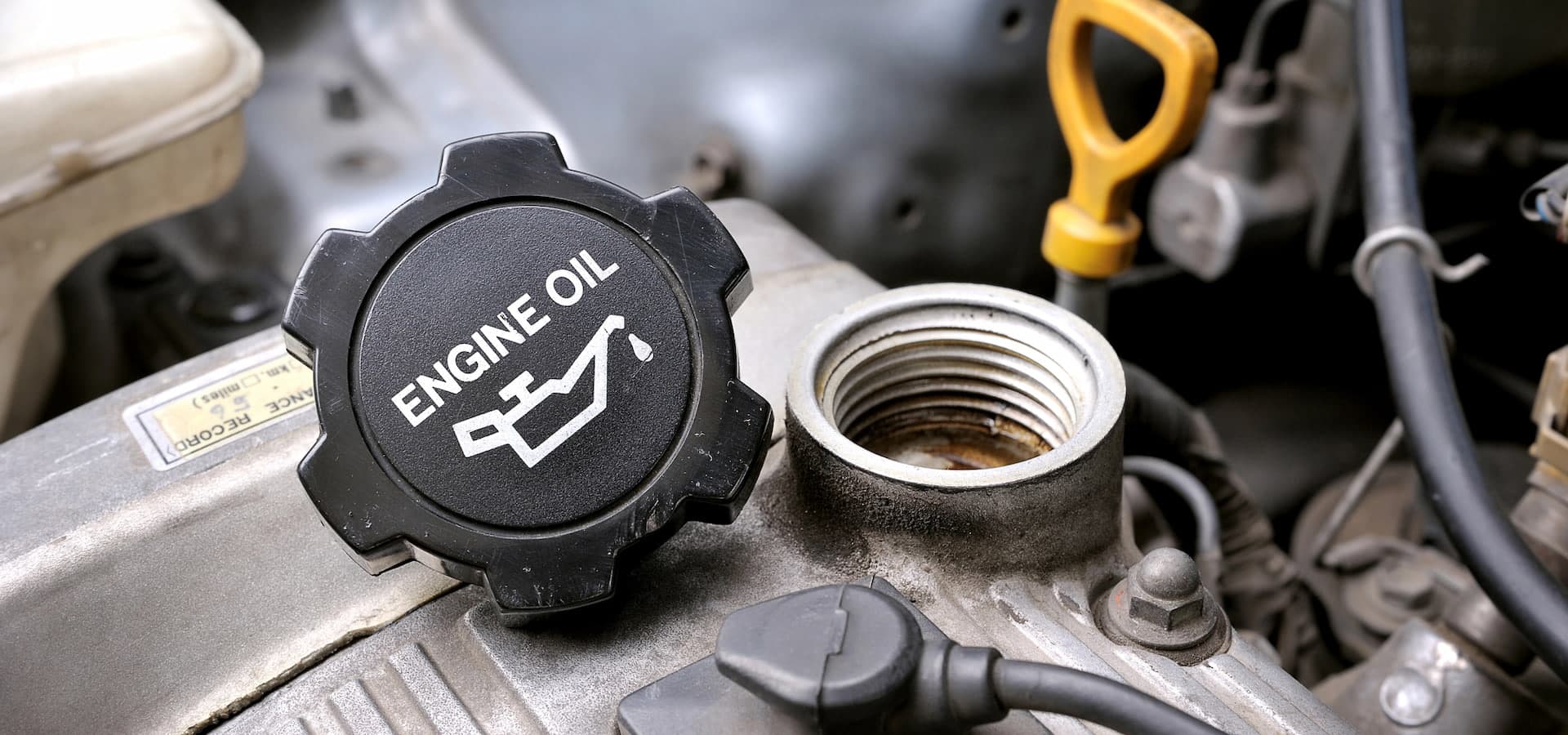
We use the GM-specified dexos1 Gen 3 synthetic, torque the drain plug and cartridge housing to factory spec, and reset the Oil Life Monitor through the proper procedure so your dash reads accurately. On engines with a spin-on filter versus the cartridge-style housing, we handle each correctly to avoid crush-washer leaks.
- Correct dexos-approved synthetic oil matched to your exact engine
- OEM-spec filter, drain plug torque, and Oil Life Monitor reset
- Multi-point look at leaks, belts, and fluid levels while you're on the lift
- Straight answers on what actually needs attention – and what doesn't
Symptoms – How to Know You Need This Service
Cadillacs are good at telling you when service is due, but the warning signs stack up fast if you ignore them. Here's what you may notice from the driver's seat.
- CHANGE ENGINE OIL SOON message on the driver information center – schedule soon; the monitor tracks real engine conditions, not just miles.
- Low oil level warning or oil pressure light – stop driving immediately and call us. Running a Northstar or LTG turbo low on oil risks bearing and turbo damage.
- Ticking or lifter clatter on cold start that fades as pressure builds, common when oil is thin or overdue.
- Dark, gritty oil on the dipstick or a burnt smell after a hot drive.
- Turbo lag or rough idle on 2.0L LTG cars, where sludged oil starves the turbo and VVT solenoids.
- Oil spots on your driveway – valve cover, oil cooler, or filter housing seepage worth checking.
- Reduced fuel economy or hesitation as degraded oil affects Active Fuel Management operation.
A single overdue interval rarely ends things, but repeated neglect on these engines leads to chain stretch and consumption issues. When in doubt, let us pull the dipstick and confirm.
Common Oil Change Issues on Cadillac Vehicles
Cadillac oil service isn't a one-size-fits-all job. The wrong viscosity or a skipped reset on the wrong platform creates headaches that generic quick-lube shops rarely catch.
- 3.6L LFX/LGX V6 (CTS, ATS, XTS, CT6): These direct-injection engines are sensitive to sludge and timing chain wear when service intervals stretch. Only full dexos1 Gen2 synthetic in the correct 5W-30 spec protects the chain guides and cam phasers.
- 2.0T LTG turbo four (ATS, CTS, XT4, CT4): The turbocharger relies on clean oil flow to the center bearing. Coked oil from extended intervals is a leading cause of turbo failure on these platforms.
- 4.6L Northstar V8 (early DeVille, Seville, STS): Notorious for head gasket and stud thread issues, and these engines are unforgiving about oil level and quality. Correct fill and a proper drain matter more here than almost anywhere.
- 3.0L Twin-Turbo LGW (CT6): Dual turbos plus tight tolerances mean oil condition directly affects longevity. Miss the dexos spec and you risk premature turbo and VVT solenoid wear.
- Oil Life Monitor left unreset: Cadillac's algorithm-based Oil Life System doesn't run on mileage alone. A forgotten reset skews the next interval and leaves owners guessing.
- Stripped or over-torqued drain plugs and cartridge caps: Many modern Cadillacs use cartridge-style filter housings with specific torque values – over-tightening cracks the housing.
Which Cadillac Models We See for Oil Change
We service the full modern Cadillac range along with plenty of older Northstar-era cars. Find your platform below.
- ATS / ATS-V (2013-2019) – 2.0L LTG turbo, 3.6L LGX, and the twin-turbo LF4 in the V. The V's high-output engine is especially picky about oil grade and heat.
- CTS / CTS-V (2008-2019) – 3.6L LFX/LGX and the supercharged LSA/LT4 V-series. The blown V8s run their own capacity and cooling considerations.
- XT4, XT5, XT6 (2017-present) – 2.0L LTG/LSY turbo and 3.6L LGX crossovers we see constantly for routine service.
- Escalade (2007-present) – 6.2L L86/L87 V8 with Active Fuel Management/DFM; correct oil is key to lifter longevity.
- SRX (2010-2016) – 3.6L V6, a common visitor for interval service.
- DTS / STS / Northstar-era sedans (2005-2011) – 4.6L Northstar V8, watched closely for consumption and leaks.
Manual-equipped ATS and CTS variants get the same care as automatics for engine oil. We're glad to help with CT4-V and CT5-V Blackwing owners as well, though we'll always confirm the exact engine before we fill. If you're not sure which engine you have, bring it by and we'll identify it.
Causes & Risks – What Happens if Ignored
Denver's altitude, temperature swings, and stop-and-go driving push oil harder than manufacturers assume in ideal conditions. Turbocharged Cadillacs run hotter, and cold winter starts thicken oil right when bearings need flow most.
Most oil-related failures start small. A slightly overdue interval feels harmless – until the damage compounds.
- Old, sheared-down oil loses film strength, accelerating timing chain stretch on 3.6L V6 engines and triggering rough running or a check engine light.
- Coked oil starves the 2.0T and 3.0TT turbochargers, turning a routine service into a turbo replacement.
- Sludge buildup clogs oil passages and VVT/cam phaser solenoids, causing timing faults and stumbling.
- On Northstar V8s, running low or degraded oil worsens head gasket and cylinder head stud problems that are already costly to correct.
- Ignoring an oil warning light for even a short stretch of highway can lead to bearing scoring or spun bearings – an engine-level repair.
The pattern is consistent: a simple service delayed becomes an expensive teardown. We'd rather keep you ahead of that curve with the right oil and a clean reset.
Safety Impact – Why Oil Change Matters
Fresh oil does more than protect the engine. On modern Cadillacs, engine health ties directly into systems that keep you controllable on the road.
A failing turbo or misfiring cylinder can drop power unexpectedly during a merge or pass. Sudden oil pressure loss can force a limp mode that reduces throttle response with little warning. Overheating from oil breakdown stresses accessory systems that feed power steering and stability control.
- Stop driving now: oil pressure warning light, knocking or ticking that grows louder, sudden power loss, or blue smoke from the exhaust.
- Schedule soon: oil life indicator at or near zero, small drips on the driveway, faint burning-oil smell, or a service reminder past due.
There's also a liability angle. If a known-neglected engine fails and causes a loss of control, documentation of skipped maintenance can complicate an insurance claim. Keeping service current with correct dexos-spec oil protects both your safety and your paperwork. Our goal is to keep you safely on the road, not just topped off.
How Cadillac Oil Change Actually Works
A Cadillac oil change looks routine but depends on getting the details right for the specific platform. The engine relies on a precise oil grade, a clean filter, and a correctly recalibrated Oil Life Monitor to schedule the next service based on how you actually drive.
Cadillac uses an algorithm-based Oil Life System rather than a fixed mileage counter. It factors in engine temperature, RPM, and load, then tells you when the oil is genuinely spent. That reset has to be done correctly – through the driver information center or with GDS2 software on some models – or the whole schedule drifts.
- dexos1 Gen2 synthetic only – the correct viscosity protects turbos, chains, and phasers under Denver conditions.
- Cartridge filter torque specs – housings on 3.6L and 2.0T engines have exact values to avoid cracks and leaks.
- Oil Life Monitor reset – done properly so your next interval reflects real driving.
- Correct fill level verified – critical on Northstar V8s and turbocharged fours.
- Inspection during service – we check for early leaks, chain noise, and turbo seep while the car's on the lift.
That combination of OEM-grade oil, proper torque, and a correct reset is what separates a Cadillac oil change built for long-term reliability from a generic drain-and-fill.</
How We Diagnose Oil Change Issues on Cadillac
Many shops skip the step that trips up Cadillac owners: the AFM/DFM lifter behavior on the 6.2L L86 and 6.0L engines that quietly consumes oil between changes. We read the whole picture before we touch a drain plug.
- Pull codes with a factory-capable scan tool – GDS2 or an equivalent bidirectional platform reads the oil life monitor algorithm, active fuel management status, and any pending oil pressure sensor faults common on the CTS and Escalade.
- Check the oil life percentage and live data – Cadillac's algorithm counts engine revolutions and temperature, not just mileage, so we verify it against actual condition.
- Inspect oil condition and level – we look for fuel dilution on 2.0T turbo fours and metallic sheen that hints at cam or lifter wear.
- Visual leak inspection – valve cover gaskets, the oil cooler lines on Northstar and 3.6L V6 platforms, and the rear main seal.
- Road test – listening for lifter tick, watching oil pressure at idle, and confirming the ECM re-learns after service.
Once we measure consumption rates and confirm what the scan data shows, we hand you a plain-language repair plan and quote – no surprises, just the facts and your options.
Oil Change on Cadillac: Repair vs. Replacement
An oil change is routine, but what the fresh oil reveals decides the next move. We break it down clearly.
- Straight service (repair-level): Clean drain plug, new OEM-spec filter, correct dexos1 Gen2 synthetic, and a reset of the oil life monitor. This covers most CT4, CT5, and XT5 vehicles in good health.
- Partial replacement: When we find a weeping valve cover gasket or a failing oil pressure sensor on a 3.6L V6, we replace that single part while keeping the rest of the assembly intact.
- Full replacement territory: Heavy AFM lifter collapse on the L86 or Northstar oil consumption tied to worn rings signals cascading wear. When repair cost approaches the value of the affected assembly, a rebuild or component replacement protects you long term.
We show you the measurements, explain what each path costs over time, and let you choose. Pushing the priciest job on every car is not how we work.
How to Make Your Cadillac Oil Change Last Longer
Fresh oil lasts longer when the engine and your habits work with it. A few things keep your Cadillac clean between visits.
Driving habits that help
- Let the engine reach operating temperature before hard acceleration – cold starts on turbocharged 2.0T engines add fuel dilution.
- Avoid extended idling, which shortens oil life faster than the monitor sometimes reflects.
- Ease off aggressive short trips in Denver's cold climate, where oil never fully warms.
Owner maintenance you can handle
- Check the dipstick monthly – AFM-equipped V8s often consume oil quietly.
- Watch for the CHECK ENGINE and low oil pressure lights, and listen for lifter tick at cold start.
- Scan the driveway for fresh spots that point to a gasket leak.
Brand-specific care that matters
- Insist on dexos1 Gen2 synthetic and an OEM-quality filter – Cadillac's oil life algorithm assumes these specs.
- Keep ECM software current; updates can refine AFM and oil monitor behavior.
- Follow Cadillac's service intervals rather than a fixed mileage guess.
Dipstick checks and topping off are safe DIY. Leave leak diagnosis, oil pressure faults, and any AFM-related repair to our technicians – those touch safety-critical lubrication and deserve proper tooling.
What to Expect When You Bring Your Cadillac In
Cadillac oil service isn't a drain-and-fill job on modern platforms. The 3.6L LGX and 2.0L LTG turbo engines run tight oil-life algorithms, and the CT6's 4.2L Blackwing twin-turbo V8 has dexos specifications that generic quick-lube spots routinely ignore. Here's how a visit runs:
- Drop-off or appointment – Schedule ahead or leave the car with us. Shuttle and loaner options are available so you're not stranded, and after-hours pickup can be arranged.
- Initial inspection – We pull the oil-life data, check for active TSBs, and look for the usual suspects: seeping timing cover gaskets on high-mile LGX engines and PCV-related consumption on the LTG turbo four.
- Written estimate – You get a clear breakdown before anything happens, including the correct dexos1 Gen 3 spec oil and OEM filter your VIN calls for.
- During the work – We text or call with anything we find. No surprises, no add-ons you didn't approve.
- Pickup walkthrough – We reset the oil-life monitor with a scan tool, not a guess, and show you what we did.
Bring personal items in with you, or we'll set them aside safely. Before handoff, we run a short road test and a scan-tool re-check to confirm the reset held and no codes surfaced. If anything feels off afterward, call us and we'll get the car back in.
Why Choose Elevation Auto Repair for Cadillac Oil Change
Getting oil weight and reset procedure right on a Cadillac matters more than most drivers realize. Use the wrong viscosity on an LTG turbo and you invite timing chain stretch and turbo bearing wear down the road.
- Correct spec every time – dexos1 Gen 3 synthetic and the right filter matched to your VIN, whether it's an XT5, CT4, Escalade, or older SRX.
- TSB and software awareness – We check for oil-consumption bulletins and PCV updates common on GM turbo fours before topping you off and sending you out.
- Proper monitor reset – Done with a scan tool so the algorithm tracks real intervals, protecting long-term engine health.
We own the work start to finish – inspection, the oil service itself, and post-service verification. That's what separates a real Denver dealership alternative from a 15-minute pit stop. The goal is a Cadillac that stays reliable well past the next interval, not just a fresh sticker on the windshield.
Our Cadillac Services
- Air Conditioning AC Repair
- Battery Repair Replacement
- Brake Repair & Brake Fluid Change
- Check Engine Light Diagnostics
- Clutch Repair & Replacement
- Coolant Leak Repair
- Cooling System Repair
- Drive Shaft Repair
- Engine Repair
- Exhaust & Catalytic Converter Repair
- Head Gasket Repair & Replacement
- Oil Leak Repair
- Scheduled Service Maintenance
- Steering Repair
- Suspension Repair
- Cambelt Timing Belt Replacement
- Transmission Repair
- Tune Up
- Wheel Alignment