Cadillac Wheel Alignment at Elevation Auto Repair
You paid for a car that glides down I-25 without fighting you. When a Cadillac drifts, tugs, or chews through a set of tires early, the fix rarely lives in a quick 15-minute rack job at a chain shop.
Wheel alignment sets the camber, caster, and toe angles so all four corners point where the engineering team intended. On modern Cadillacs that's more involved than turning tie-rod sleeves. Rear-wheel-drive Sigma and Alpha platforms (CTS, ATS, CT4, CT5) use adjustable rear geometry that a lot of shops skip. Magnetic Ride Control models and vehicles with adaptive cruise and lane-keep need their steering angle sensor and forward camera recalibrated after the wheels move, or the driver-assist systems read the road wrong.
We align to GM's factory angle specs and torque the eccentric bolts and subframe hardware to spec rather than eyeballing it. When the alignment touches ADAS, we handle the sensor calibration too instead of handing you a warning light on the way home.
- A pre-alignment inspection of tie rods, ball joints, bushings, and ride height before we touch a single angle
- Alignment set to Cadillac's factory camber, caster, and toe values for your exact platform
- Steering angle sensor and ADAS camera recalibration when your model requires it
- A printed before-and-after readout and a plain-language explanation of what we found
Symptoms – How to Know You Need This Service
Alignment problems announce themselves in ways you feel through the wheel and see on your tires. Watch for these:
- The car pulls left or right on a flat, straight road even though you're holding steady
- Your steering wheel sits crooked when you're driving straight
- Uneven or feathered tire wear – inside edges scrubbing bald is a classic toe issue on ATS and CTS models
- A vibration through the steering wheel that grows with speed
- The wheel feels loose, vague, or wanders in its lane
- Squealing from tires on turns you used to take without a sound
- A steering, stability, or lane-keep warning that appeared after hitting a pothole or curb
A slow pull or crooked wheel means schedule soon before tire wear gets expensive. But if the pull is sudden and strong, the steering feels disconnected, or you heard a hard impact against a curb, stop driving and have it inspected – that can signal a bent component or damaged suspension rather than a simple alignment.
Common Wheel Alignment Issues on Cadillac Vehicles
You notice the steering wheel sitting slightly off-center on your way down I-25, or the outer edge of a front tire wearing faster than the rest. Cadillac's mix of performance sedans, heavy SUVs, and adaptive suspension setups each has its own alignment story.
- Rear camber wear on CTS/CTS-V (2003-2014 Sigma platform): The independent rear suspension is sensitive to camber drift, and inner-edge rear tire wear shows up early when bushings or the rear knuckle settle.
- Escalade and Tahoe-based SUVs (GMT900/K2XX, 2007-2020): Heavy front ends and larger 22-inch wheels push toe out of spec after pothole hits, producing feathered front tread and a wandering feel on the highway.
- ATS and CTS (2013-2019 Alpha platform): These sport sedans run aggressive factory alignment specs. Lowered ride height or worn front lower control arm bushings quickly throw camber and caster out, causing uneven shoulder wear.
- Magnetic Ride Control models: Cadillacs with MagneRide can mask early alignment symptoms because the adaptive dampers smooth the ride, so drift is often caught only at tire rotation.
- SRX and XT5 crossovers: Front strut and control arm wear from Colorado's rough winter roads shifts toe and camber, leading to a steering wheel that no longer centers.
- Electronic power steering recalibration: Many later Cadillacs need a steering angle sensor relearn after alignment, which a generic rack-and-turn shop often skips.
Which Cadillac Models We See for Wheel Alignment
We align nearly every Cadillac on the road in the Denver area. These are the platforms that roll through most often:
- ATS / ATS-V (2013–2019, Alpha platform) – sport-tuned geometry that's sensitive to toe; the V variants need extra care with aggressive alignment specs
- CTS (2003–2019, Sigma and Alpha) – adjustable rear camber and toe; CTS-V models with track-oriented setups get their own spec range
- CT4 / CT5 and CT4-V / CT5-V (2020–present, Alpha) – often equipped with Magnetic Ride Control and ADAS that call for post-alignment calibration
- XT4, XT5, XT6 (crossovers) – front-drive-based platforms where ride height and control-arm bushing condition drive the results
- Escalade (GMT / T1 full-size platforms) – heavy SUVs where worn tie rods and idler components show up as pulls and wander
- SRX and older DeVille / DTS / STS – still common, and we set them to their original factory values
Models with Magnetic Ride Control, adaptive cruise, or lane-keep get the added sensor and camera recalibration those systems require. If you have a heavily modified suspension or a lowered setup outside factory adjustment range, tell us up front so we can talk through what's realistic before you book.
Causes & Risks – What Happens if Ignored
Denver's frost heaves, curb strikes, and long highway commutes are hard on suspension geometry. Age, worn bushings, and Cadillac's tighter factory tolerances all speed up how fast an alignment drifts.
Waiting on a small pull rarely stays small. A minor toe error on an Escalade grinds through a set of pricey 22-inch tires in a season, and letting a worn control arm bushing sit long enough on an ATS or CTS turns a bushing job into full arm replacement.
- Ignoring inner-edge rear wear on a Sigma-platform CTS for a few thousand miles typically ruins otherwise healthy tires and hides a failing rear knuckle bushing.
- Letting front toe stay out on an Escalade wears tie-rod ends and loads the wheel bearings, adding parts to what started as a simple adjustment.
- A steady pull forces constant steering correction, fatiguing the driver and stressing the electronic power steering motor.
- Worn MagneRide-equipped suspension left unaddressed can accelerate strut and shock failure, a far larger repair than an alignment.
- Uneven tire wear reduces grip in rain and snow, exactly when Colorado weather punishes it most.
We catch the root cause first, then align – so you're not paying for an adjustment that a bad bushing will undo in a month.
Safety Impact – Why Wheel Alignment Matters
Alignment ties directly into the systems that keep a Cadillac planted. When geometry is off, StabiliTrak, ABS, and traction control all work from skewed data, and the steering angle sensor may report a false center.
A vehicle pulling under braking loads the front tires unevenly, lengthening stopping distances. On MagneRide and later Alpha-platform cars, an uncalibrated steering angle sensor can confuse stability control intervention.
- Stop driving now: sudden strong pull, clunking over bumps, a steering wheel that won't stay centered, or visible cord showing through a tire edge.
- Schedule soon: slight drift on the highway, faint feathered tread noise, a wheel sitting a few degrees off-center, or a StabiliTrak warning that clears and returns.
There's also a liability angle. If a known worn suspension component or ignored alignment fault contributes to a crash, that neglected condition can complicate an insurance claim. Addressing it promptly keeps you safe and keeps your documentation clean.
How Cadillac Wheel Alignment Actually Works
A wheel alignment sets three angles – camber, caster, and toe – so all four tires point where the car is going and wear evenly. On a Cadillac, that mechanical adjustment is only half the job because the electronics need to agree with the hardware.
Most modern Cadillacs use electric power steering with a steering angle sensor that feeds StabiliTrak. After adjusting toe, the sensor has to be relearned to the new straight-ahead position, or the system fights the driver. We use OEM-level tooling to complete that step.
- Steering angle sensor relearn: required on most 2013-and-newer Cadillacs after any toe change, done through GDS2/factory-level software.
- Platform-specific specs: Alpha-platform ATS/CTS run tighter camber and caster targets than a generic sedan, so we align to Cadillac's exact numbers.
- MagneRide considerations: ride height is verified before adjusting angles, since the adaptive suspension changes how readings settle.
- Correct torque sequence: control arm and tie-rod fasteners are torqued to Cadillac spec so settings hold after you leave.
That's the difference between an alignment that reads good on the rack and one that actually drives straight and keeps your electronics happy. We handle the mechanical adjustment and the calibration under one roof, with clear pricing and a straight explanation of what your
How We Diagnose Wheel Alignment Issues on Cadillac
You feel it first in the steering wheel – a pull to one side on I-25, or a tug when you let go for a second. Maybe the tires on your CT5 or Escalade are wearing on the inside edge faster than they should. That's where a real alignment diagnosis starts.
- Owner interview and road test: We drive the vehicle to feel the pull, wander, or vibration you described, noting steering wheel position and how the car tracks.
- Visual inspection on the lift: We check control arm bushings, tie rod ends, ball joints, and the electronic power steering rack – common wear points on the Alpha platform (ATS, CTS, CT4, CT5) and the K2XX/T1 platform under Escalade.
- Tire and wear pattern reading: Feathering, cupping, or one-sided wear tells us whether the issue is toe, camber, or a worn part before the rack ever moves.
- Scan for related systems: Cadillacs with Magnetic Ride Control, adaptive steering, and driver-assist cameras need scan verification. We check for stored chassis codes and confirm sensor status.
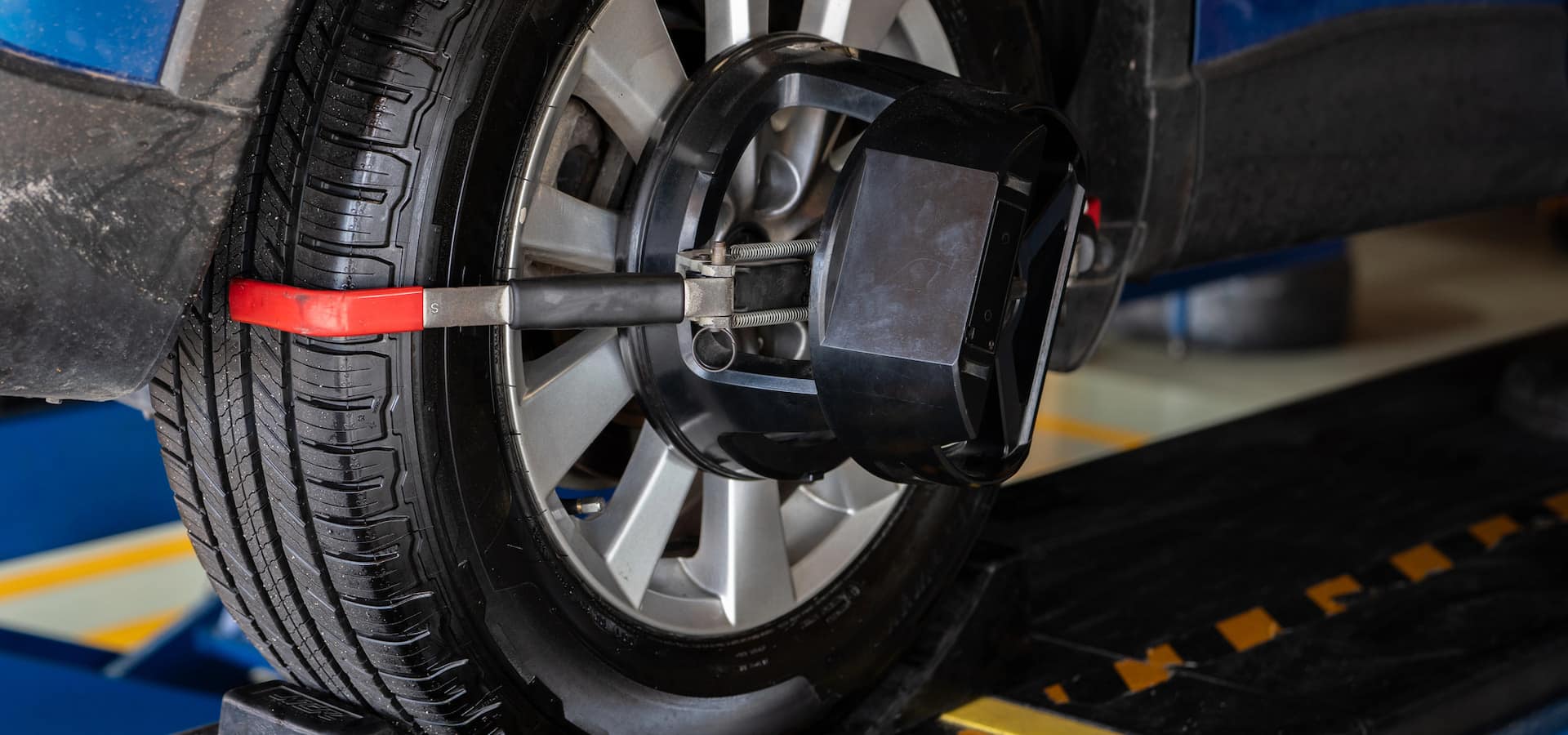
- Precision alignment rack measurement: We put the car on the alignment machine and pull live camber, caster, toe, and thrust angle against Cadillac's factory specs.
Many Cadillac models with lane-keep and forward cameras also require a steering angle sensor reset and camera calibration after alignment work. We flag that up front. Once the numbers are in, you get a clear breakdown of what's out of spec, what caused it, and an honest quote before we adjust anything.
How to Make Your Cadillac Wheel Alignment Last Longer
A fresh alignment holds far longer when the driving and upkeep back it up.
- Ease off the potholes and curbs: Denver's freeze-thaw roads are hard on suspension geometry. Slowing for rough pavement protects toe settings and bushings.
- Rotate tires on schedule: Even wear front-to-rear keeps the contact patch consistent and reveals alignment drift early.
- Watch for early symptoms: A new pull, off-center steering wheel, or steering that feels vague are cues to have it checked before tires get chewed up.
- Keep tire pressures at Cadillac's door-jamb spec: Low pressure mimics and accelerates alignment wear.
Brand-specific care matters too:
- Stick with OEM-grade suspension parts – aftermarket bushings often wear faster and shift geometry sooner.
- Keep Magnetic Ride Control and electronic steering software current, since updates affect ride height and sensor behavior.
- Follow Cadillac's service intervals for suspension and steering inspections.
Safe DIY: checking tire pressure, eyeballing tread wear, and noting new noises. Leave torque-critical suspension work, alignment adjustments, and camera calibration to the shop – these systems affect braking and steering control. Bring it in and we'll handle the rest.
What to Expect When You Bring Your Cadillac In
Your CTS pulls right on the highway, or the steering wheel sits crooked after a curb hit. You want a straight answer and a clear plan – here's how a visit goes.
- Drop-off or appointment: Schedule ahead or leave the vehicle with us. Ask about shuttle service or a loaner when you book so you're not stranded.
- Initial inspection: We check tire wear patterns, control arm bushings, tie rod ends, and the ride-height sensors on Magnetic Ride Control models before any alignment numbers get touched.
- Written estimate: You get a plain-language breakdown of what needs adjustment and any worn parts found, with transparent pricing before we proceed.
- During the work: We reach out with updates and call before adding anything beyond the approved scope – no surprises when you return.
- Pickup walkthrough: We show you the before-and-after alignment readout and explain what changed.
Leave personal items where you like – we work around them. Ask about after-hours pickup if your schedule is tight. Every alignment ends with a road test and a scan-tool re-check to confirm steering angle sensor calibration. If anything feels off after you leave, bring it back and we'll re-verify.
Why Choose Elevation Auto Repair for Cadillac Wheel Alignment
Alignment on a Cadillac is not a generic four-wheel job. Platforms like the Alpha-chassis ATS and CTS (2013+) and the Sigma-era STS carry tight factory camber and caster tolerances, and models with Magnetic Ride Control need the ride-height and steering angle sensors handled correctly – not ignored.
- We reference Cadillac TSBs and factory alignment specs rather than a one-size setting, including the eccentric cam adjustments on Alpha-platform lower control arms.
- Steering angle sensor relearn and calibration after adjustment, so lane-keep and stability systems read true.
- We inspect the wear items that throw alignment off – worn tie rods, sagging bushings, and MRC strut condition – before chasing numbers.
You get one shop handling diagnosis, any needed repair, and post-repair verification end to end. As your Denver dealership alternative, we keep the communication clear and the pricing honest so your Cadillac tracks straight and your tires last.
Wheel Alignment on Cadillac: Repair vs. Replacement
Not every alignment problem means new parts. We separate a true adjustment from a worn-component job.
- Straight repair (adjust only): When bushings, tie rods, and ball joints are solid, we simply reset camber, caster, and toe to Cadillac spec. Common after new tires, curb contact, or seasonal ride height shifts.
- Partial replacement: A single worn outer tie rod end on an Alpha-platform CTS or a sagged front lower control arm bushing gets replaced, then the alignment is dialed in. We keep the healthy parts of the assembly instead of selling a full kit.
- Full replacement: When wear cascades – think worn ball joints plus tired bushings plus a leaking Magnetic Ride strut on an older Escalade – piecemeal fixes stop making sense. If repair cost creeps toward the price of a rebuilt corner, replacement is the smarter long-term call.
Safety-critical parts get replaced, not nursed along. But we never default to the biggest invoice. We show you the measurements, the worn parts, and lay out the options so you decide what fits your budget and how long you plan to keep the car.
Our Cadillac Services
- Air Conditioning AC Repair
- Battery Repair Replacement
- Brake Repair & Brake Fluid Change
- Check Engine Light Diagnostics
- Clutch Repair & Replacement
- Coolant Leak Repair
- Cooling System Repair
- Drive Shaft Repair
- Engine Repair
- Exhaust & Catalytic Converter Repair
- Head Gasket Repair & Replacement
- Oil Change
- Oil Leak Repair
- Scheduled Service Maintenance
- Steering Repair
- Suspension Repair
- Cambelt Timing Belt Replacement
- Transmission Repair
- Tune Up